GeoLog

Ocean Sciences

Get involved: become an early career scientist representative

Get involved: become an early career scientist representative

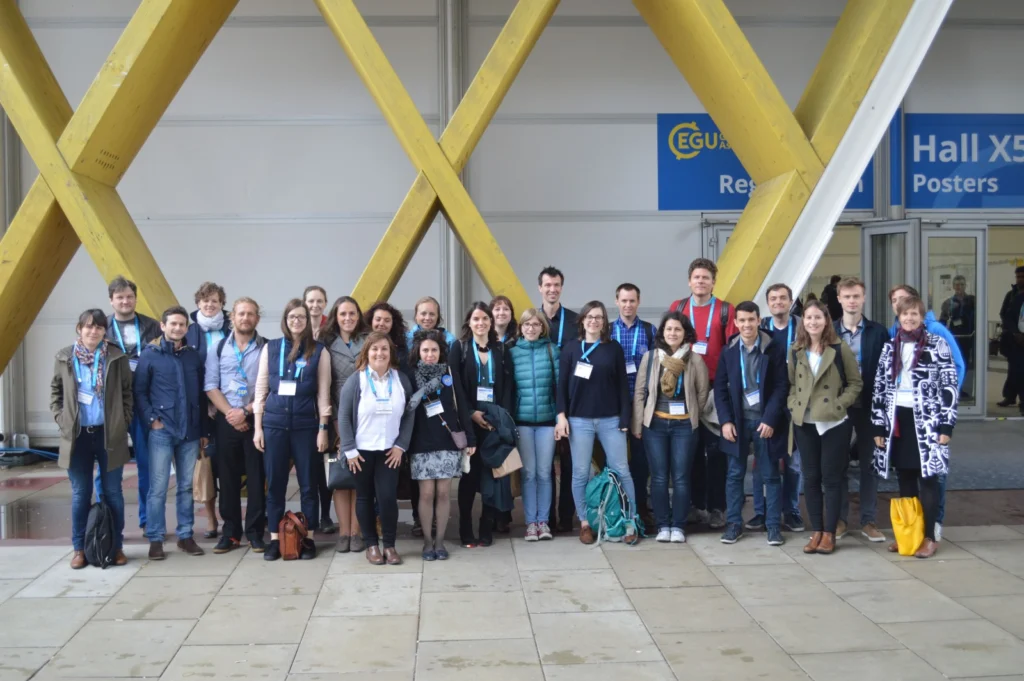
Early career scientists (ECS) make up a significant proportion of the EGU membership and it’s important to us that your voices get heard. To make sure that happens, each division appoints an early career scientists representative: the vital link between the Union and the ECS membership. After tenure of two or four years, a few of the current ECS Representatives are stepping down from their post at ...[Read More]

GeoTalk: Maribel García-Ibáñez, Early Career Scientist Representative

GeoTalk: Maribel García-Ibáñez, Early Career Scientist Representative

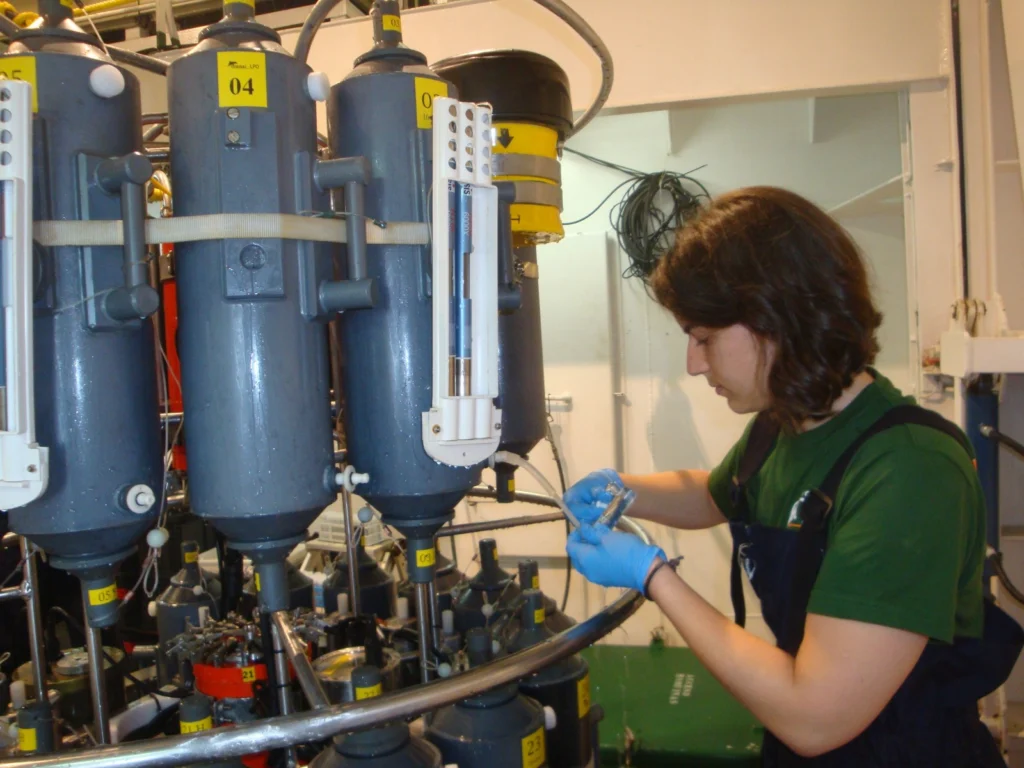
In addition to the usual GeoTalk interviews, were we highlight the work and achievements of early career researchers, this month we’ll also introduce one of the (outgoing) Division early career scientist representatives (ECS). The representatives are responsible for ensuring that the voice of EGU ECS membership is heard. From organising short courses during the General Assembly, through to running ...[Read More]

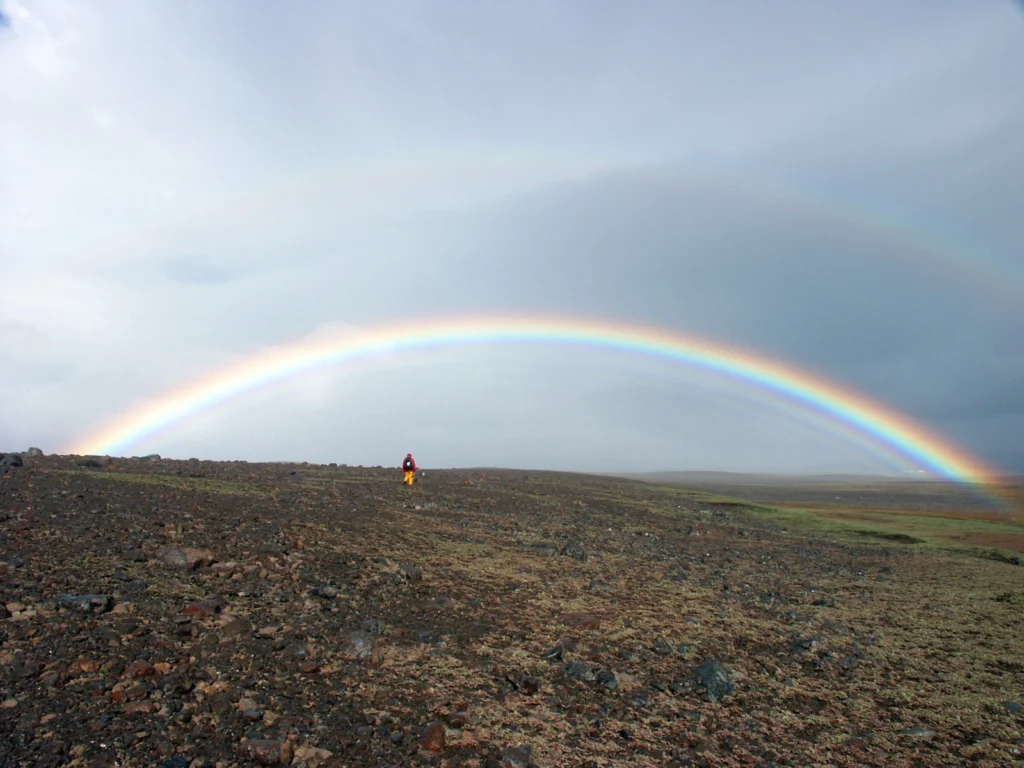
Imaggeo on Mondays: A spectacular rainbow

Imaggeo on Mondays: A spectacular rainbow

Back in February 2005, François Dulac and Rémi Losno worked in the field in the very remote Kerguelen Islands (also known as the Desolation Islands). Located in the southern Indian Ocean they are one, of the two, only exposed parts of the mostly submerged Kerguelen Plateau. Our work consisted in sampling atmospheric aerosols and their deposition by rain on the island, which is a meeting point for ...[Read More]

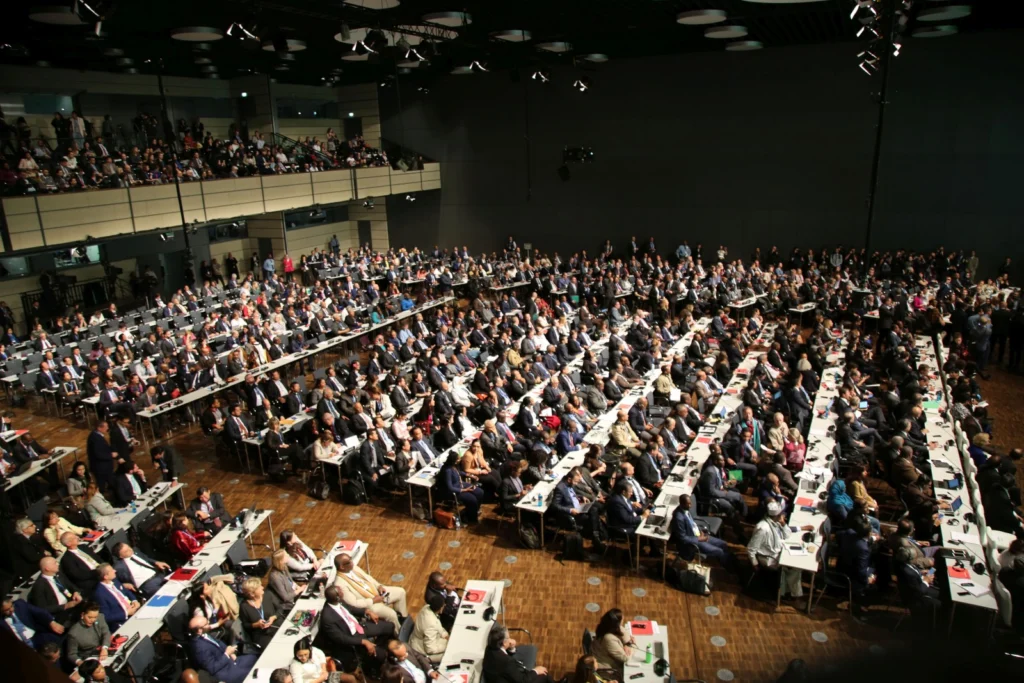
GeoPolicy: COP23 – key updates and outcomes

GeoPolicy: COP23 – key updates and outcomes

What is COP23? Anthropogenic climate change is threatening life on this planet as we know it. It’s a global issue… and not one that is easily solved. The Conference of the Parties (COP) provides world leaders, policy workers, scientists and industry leaders with the space to share ideas and decide on how to tackle climate change and generate global transformative change. COP23 will predominantly f ...[Read More]

GeoSciences Column: The dirty business of shipping goods by sea

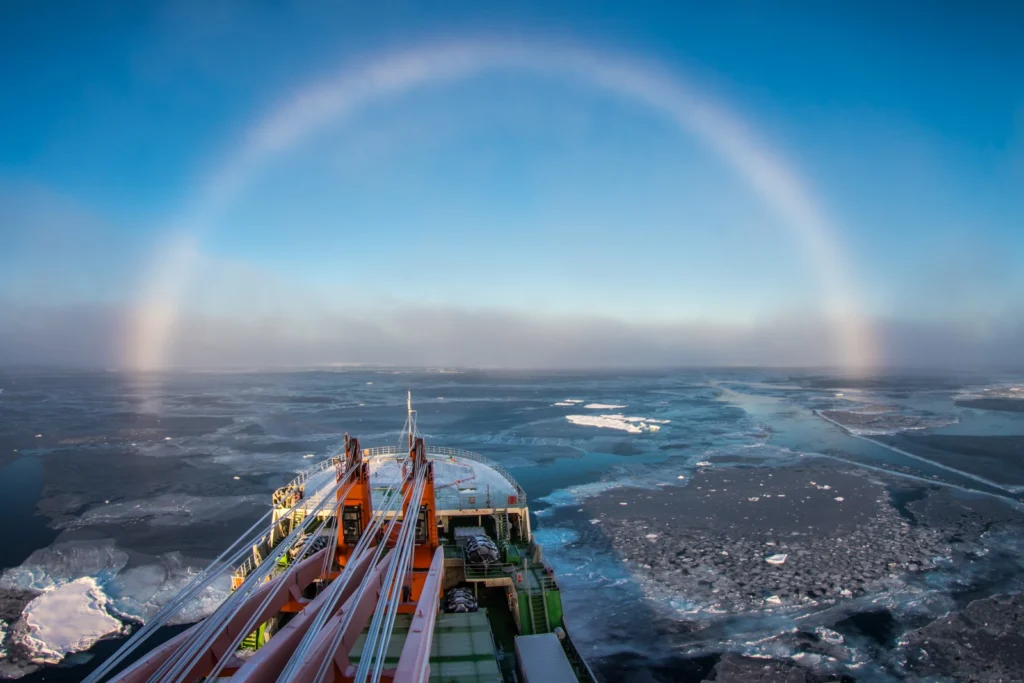
“Above the foggy strip, this white arch was shining, covering one third of the visible sky in the direction of the ship's bow,” he explains. “It was a so-called white, or fog rainbow, which appears on the fog droplets, which are much smaller then rain droplets and cause different optic effects, which is a reason of its white colour.”

Shipping goods across the oceans is cost-effective and super-efficient; that’s why over 80% of world trade is carried by sea (according to the International Maritime Organisation). But the shipping industry also contributes significant amounts of air pollutants to marine and coastal environments. A new study, published in the EGU’s open access journal Earth System Dynamics, reports on concentratio ...[Read More]

October GeoRoundUp: the best of the Earth sciences from around the web

Display "Following Carbon Dioxide Through the Atmosphere" from YouTube Click here to display content from YouTube. Learn more in YouTube’s privacy policy (opens in a new tab). Please enable JavaScript in your browser to load this content. Always display content from YouTube Open "Following Carbon Dioxide Through the Atmosphere" directly Carbon dioxide plays a significant role i ...[Read More]

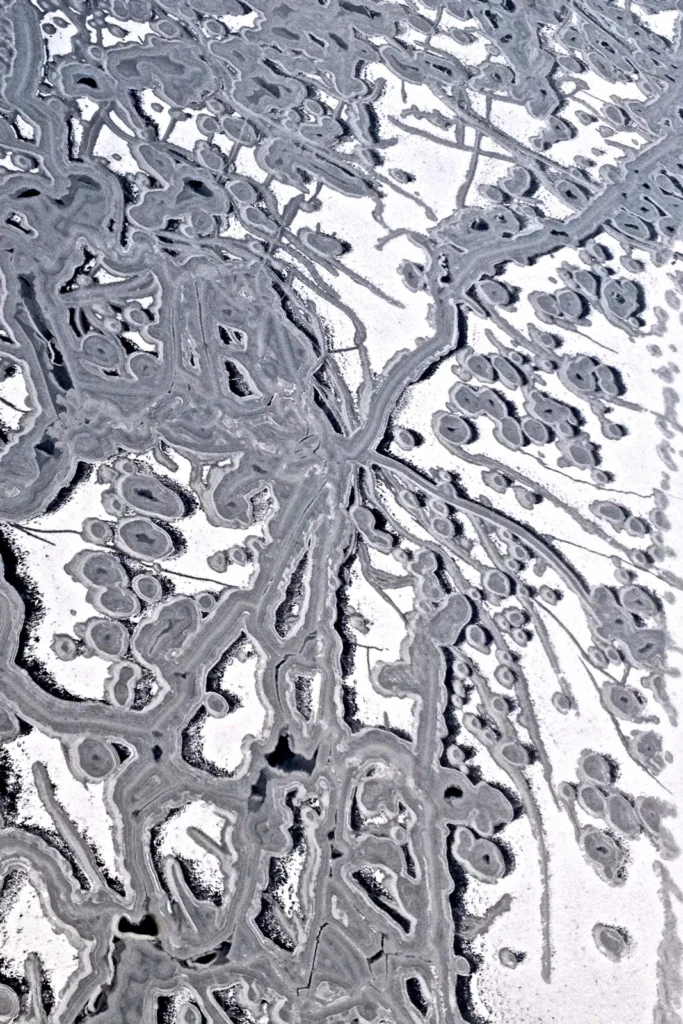
Imaggeo on Mondays: Ice forming on Chesapeake Bay

Imaggeo on Mondays: Ice forming on Chesapeake Bay

Sandwiched between the U.S states of Mayland, Delaware, Pennsylvania, New York State, the District of Columbia and Virginia, lies Chesapeake Bay, the largest estuary in North America. It is of huge ecological importance: “the bay, its rivers, wetlands and forests provide homes, food and protection for countless animals and plants”, says the Chesapeake Bay Program. Up to 150 major rivers and stream ...[Read More]

September GeoRoundUp: the best of the Earth sciences from around the web

September GeoRoundUp: the best of the Earth sciences from around the web

Drawing inspiration from popular stories on our social media channels, as well as unique and quirky research news, this monthly column aims to bring you the best of the Earth and planetary sciences from around the web. Major story and what you might have missed This month has been an onslaught of  Earth and space science news; the majority focusing on natural hazards. Hurricanes, earthquakes and v ...[Read More]