At EGU, we like to believe that a new year is more meaningful when we pause to look back at the year gone by – just a brief glimpse to appreciate all our good work and progress! 2021 was certainly an excellent year for our blogging network at EGU. Across the EGU’s official blog, GeoLog and division blogs we had so many inspiring, thought-provoking and even entertaining posts this year. Thank you t ...[Read More]
Natural Hazards
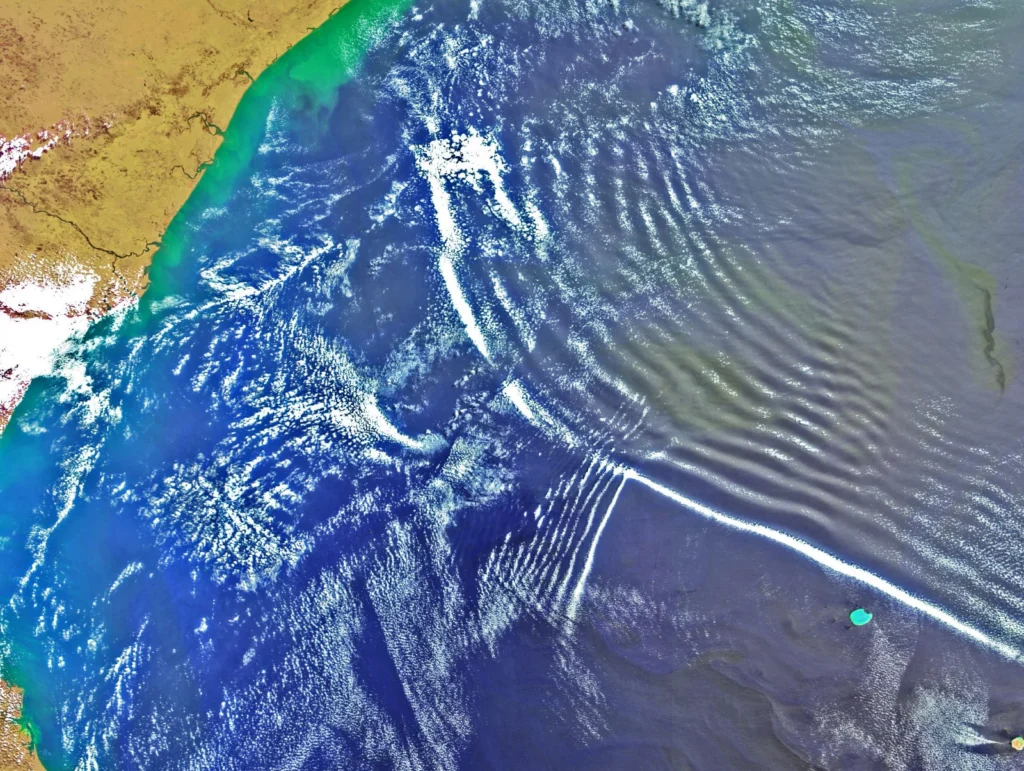
What if a tsunami’s magnetic field could predict the height of the wave?
It’s been well established that tsunamis generate magnetic fields as they move seawater (which is conductive unlike freshwater) through the Earth’s magnetic field. Although researchers previously predicted that the tsunami’s magnetic field would arrive before a change in sea level, they lacked the means to simultaneously measure magnetics and sea level to confirm this phenomenon. Now, a new study ...[Read More]
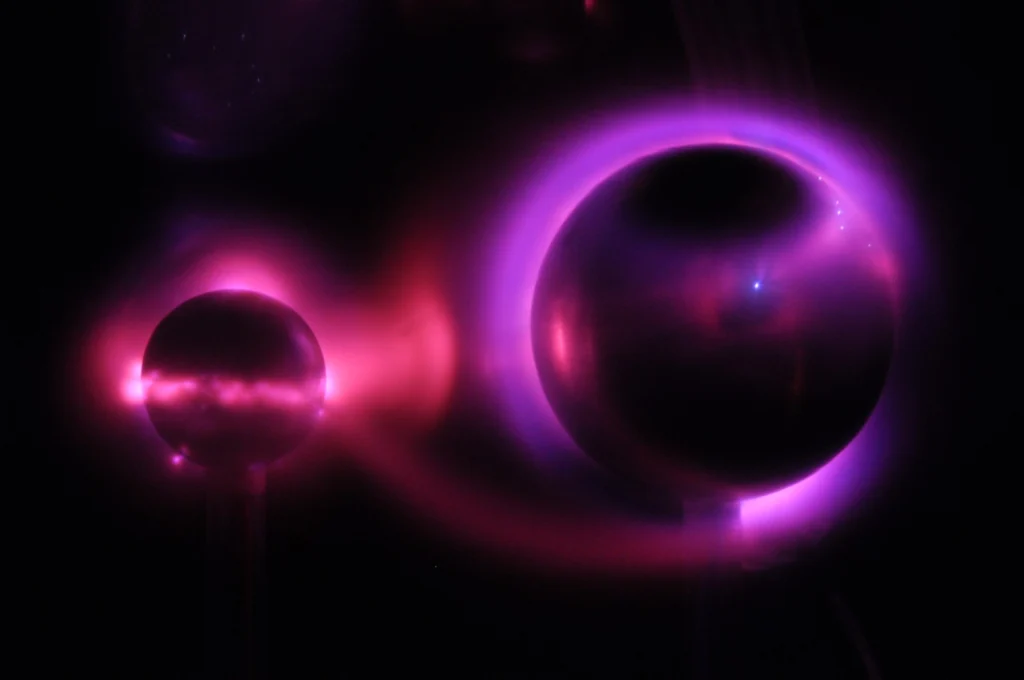
Imaggeo on Mondays: Magnetic interaction
Space weather is a ubiquitous, but little known, natural hazard. Though not as tangible as a volcanic eruption, storm or tsunami wave, space weather has the potenital to cause huge economic losses across the globe. In Europe alone, the interaction of solar wind with our planet’s magnetosphere, ionosphere and thermosphere, could lead to disrutions to space-based telecommunications, broadcasti ...[Read More]
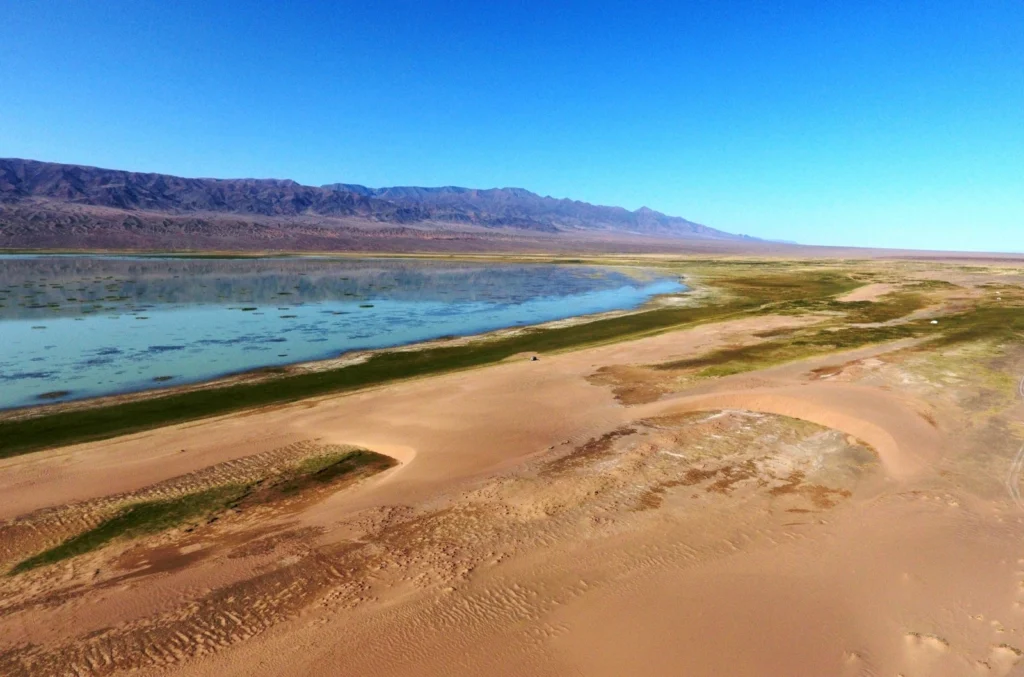
Imaggeo On Monday: An ever evolving landscape – Orog Nuur, Mongolia
At the transition from the Gobi Altay ranges to the Valley of the Lakes in South West Mongolia, the Ikh Bogd mountain towers almost 3000 m above the aridifying endorheic Orog Nuur Basin. The actively deforming mountain front shows traces of multiple earthquakes, which in turn affect the alluvial sediments deposited in the basin. Simultaneously, strong south-eastward winds create beautiful barchan ...[Read More]
Geology and the Olympic Games
Over the last few days the best athletes in the world have been descending on Japan for the long anticipated Tokyo Olympic Games, and it’s going to be a special and spectacular event. The Olympics have a long and rich history, and from their very inception have been influenced by geology, whether it’s earthquakes affecting venues or geological processes creating the very terrain athletes will be c ...[Read More]
GeoTalk: Meet Valeria Cigala, the Natural Hazards Division’s Early Career Scientist Representative
Hello Valeria, thank you for talking with us today! Could you tell us a bit about yourself? Hi Simon, I’m delighted to talk with you today; thank you for the opportunity! I originally come from Italy, and I work as a postdoc researcher at Ludwig-Maximilians-Universität (LMU) Munich, in Germany, in experimental and physical volcanology. In particular, I’m working on my DFG funded projec ...[Read More]
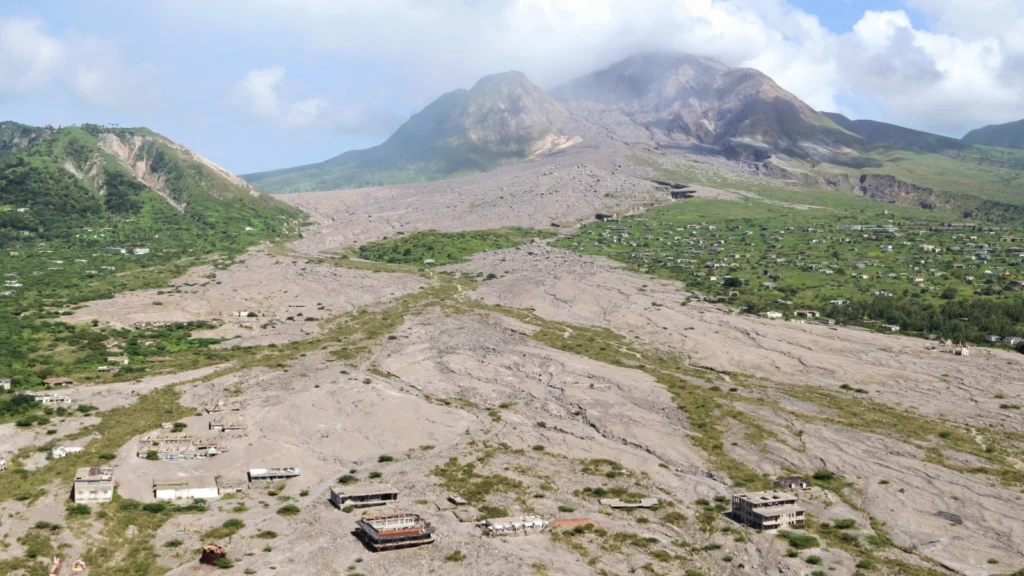
Imaggeo On Monday: The lost capital of Montserrat
Plymouth, the capital of Montserrat, was evacuated in 1995 after the nearby Soufrière Hills Volcano (background of the image) had reactivated. Later on the town was struck by pyroclastic flows, and its centre was almost completely buried by material relocated from the upper slopes through lahars. The suburb of Town Hill can still be seen in the right centre of the photo. It remains an exclusion zo ...[Read More]
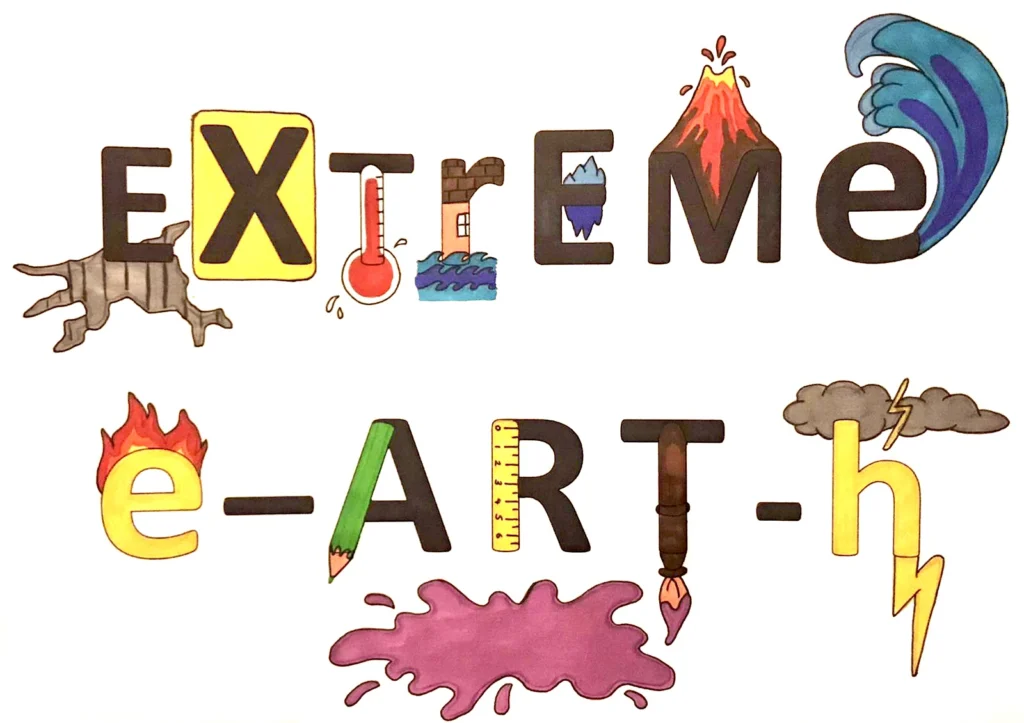
#vEGU21: #EGUartKIDS Hall of Fame – Extreme e-ART-h!
The EGU Kids Art activity normally happens in person in the creche at the conference centre during the General Assembly, but first last year and now this year we have had to move all our activities online instead. Working together – two of our Division Early Career Scientist teams, one from Natural Hazards and one from Cryospheric Sciences came up with this year’s theme ‘Extreme ...[Read More]
Winners of the EGU Best Blog Posts of 2020 Competition
2020 was a brilliant year for our blogging network here at EGU. Across the EGU’s official blog, GeoLog, as well as the network and division blogs there were so many interesting, educational and just downright entertaining posts this year it was hard to get the blog editors to choose their favourites! Nevertheless at the beginning of January, to celebrate the excellent display of science writing ac ...[Read More]
GeoPolicy: How geoscience can support the European Green Deal
Earlier this year, the EGU hosted the Integrating science into the EU Green Deal event in collaboration with the Intergroup on Climate Change, Biodiversity and Sustainable Development to outline how the geosciences can most effectively support the European Green Deal and ensure its ambitious biodiversity and zero-pollution targets are reached. The event provided policymakers, scientists and indust ...[Read More]