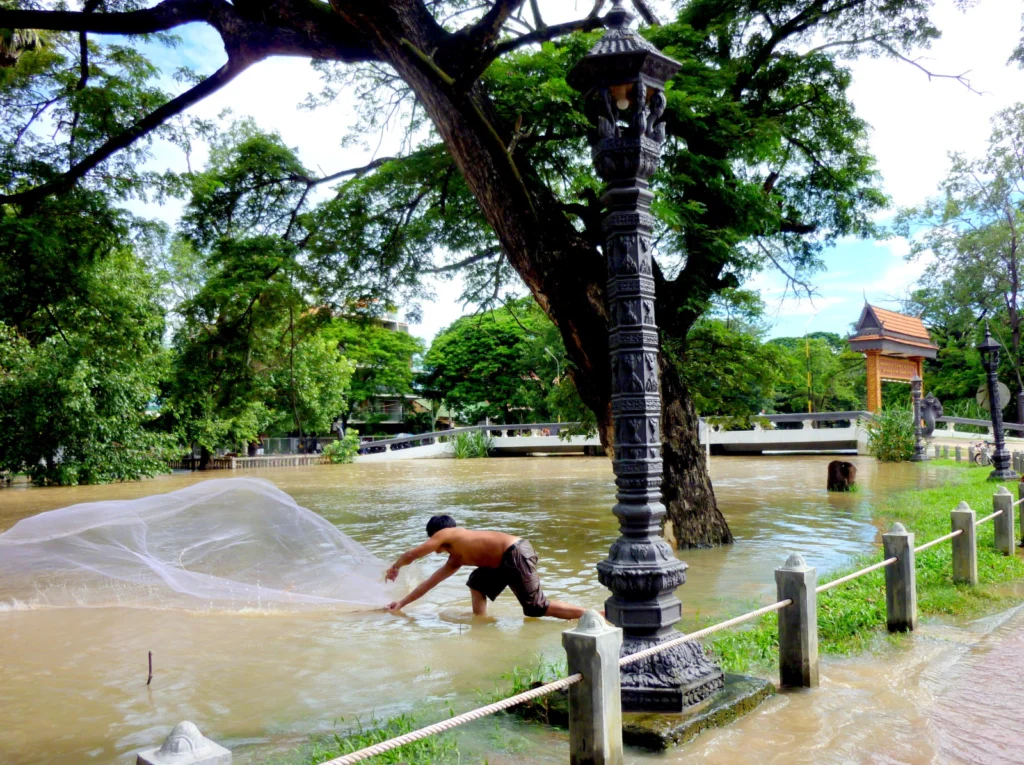
When I was thirteen years old, my family and I almost lost our lives due to a carbon monoxide (CO) leak. I never stopped thinking about that incident even though it happened over twenty years ago. Not only because it was a premature realisation of my own mortality, but also because of how sneaky it was: We did not smell it, see it, hear it, or feel it. It was a subtle and slow killer that could ha ...[Read More]
Natural Hazards
Winners announced: Here are the best EGU Blog Posts of 2022!
As future-focused as we like to be at EGU, we sometimes pause to look back at the year gone by – just a brief glimpse to appreciate all the good work of 2022! As always, we had so many inspiring and thought-provoking blog posts published this year across the EGU’s official blog GeoLog and division blogs. Thank you to each of you for your writing contribution! To continue our annual appreciation fo ...[Read More]
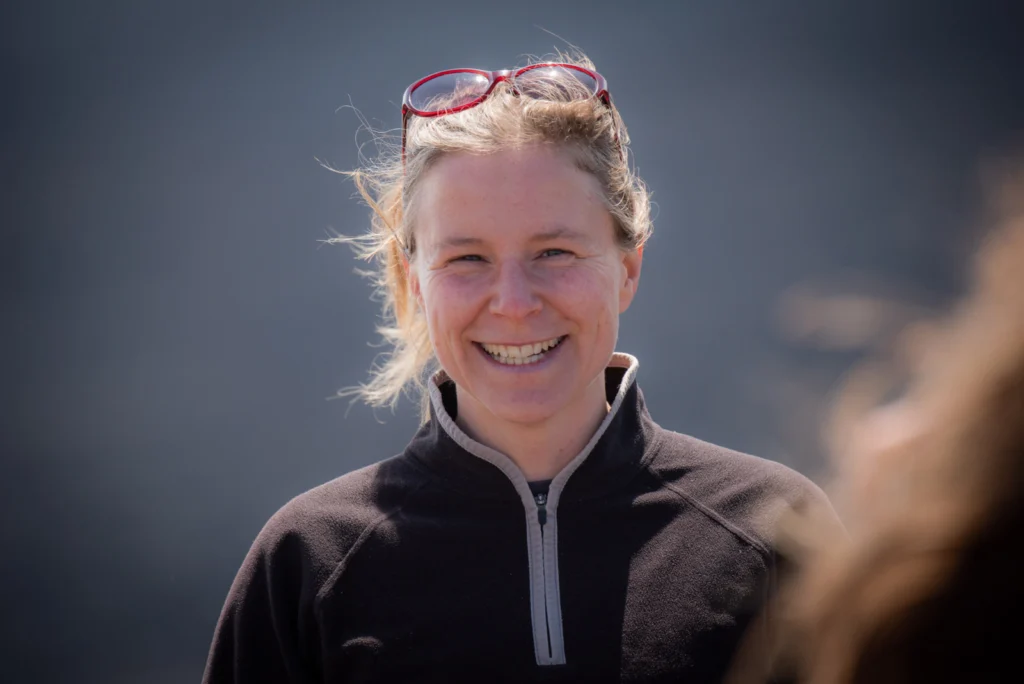
GeoTalk: meet Morelia Urlaub, researcher of underwater landslides!
Hi Morelia. Thank you for joining us today! Could you tell our readers a bit about yourself and your research? Hi, I am Junior Professor for Marine Geomechanics at GEOMAR Helmholtz Centre for Ocean Research Kiel and Kiel University in Germany. I graduated at the University of Bremen (Germany) and did my PhD in 2013 at the National Oceanography Centre Southampton in the UK. After a short postdoc th ...[Read More]
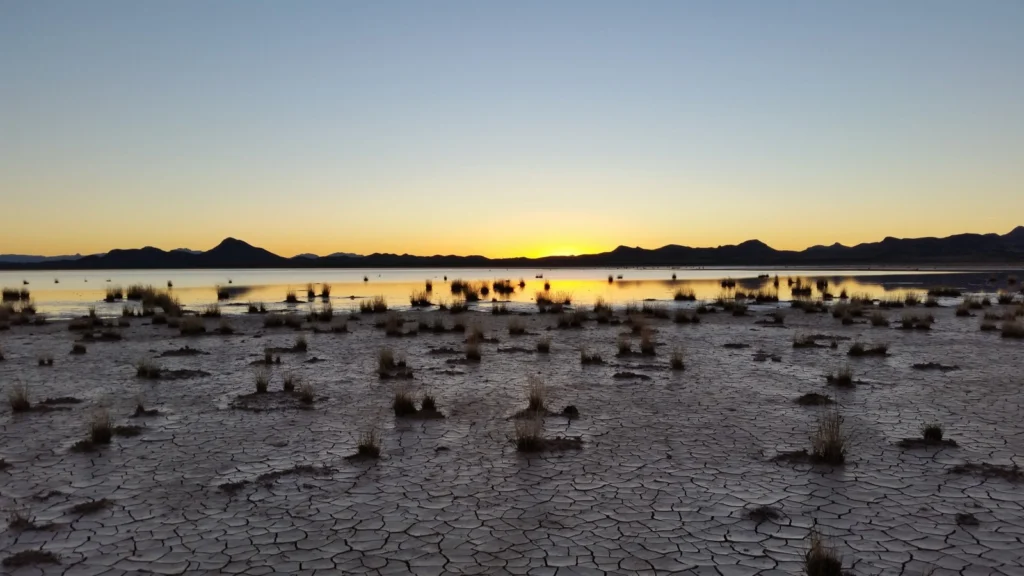
Why do we keep dismissing drought?
“If you see me, then weep” Like the foreboding inscription witnessed by Dante as he passed through the gates of Hell, the inscription chiselled into the so-called “hunger stone” marks the passing of a threshold into suffering. As the hunger stone emerges from the dwindling waters of the Elbe River, Czechia, it reveals a history of desiccation. Where spiritual torment is pro ...[Read More]
When race and natural hazards intersect: three geoscientists share their experiences
Around the world, the month of October is observed as Black History Month and includes the International Day for Disaster Reduction. While both these observances are significant in their own right, it gave EGU the opportunity to hear from geoscientists of Black, Indigenous, and People of Colour (BIPOC) communities about the many ways that race and natural hazards are linked: does one affect the ot ...[Read More]
GeoTalk: meet Blaise Nyandwi, researcher in public perceptions of volcanic hazards!
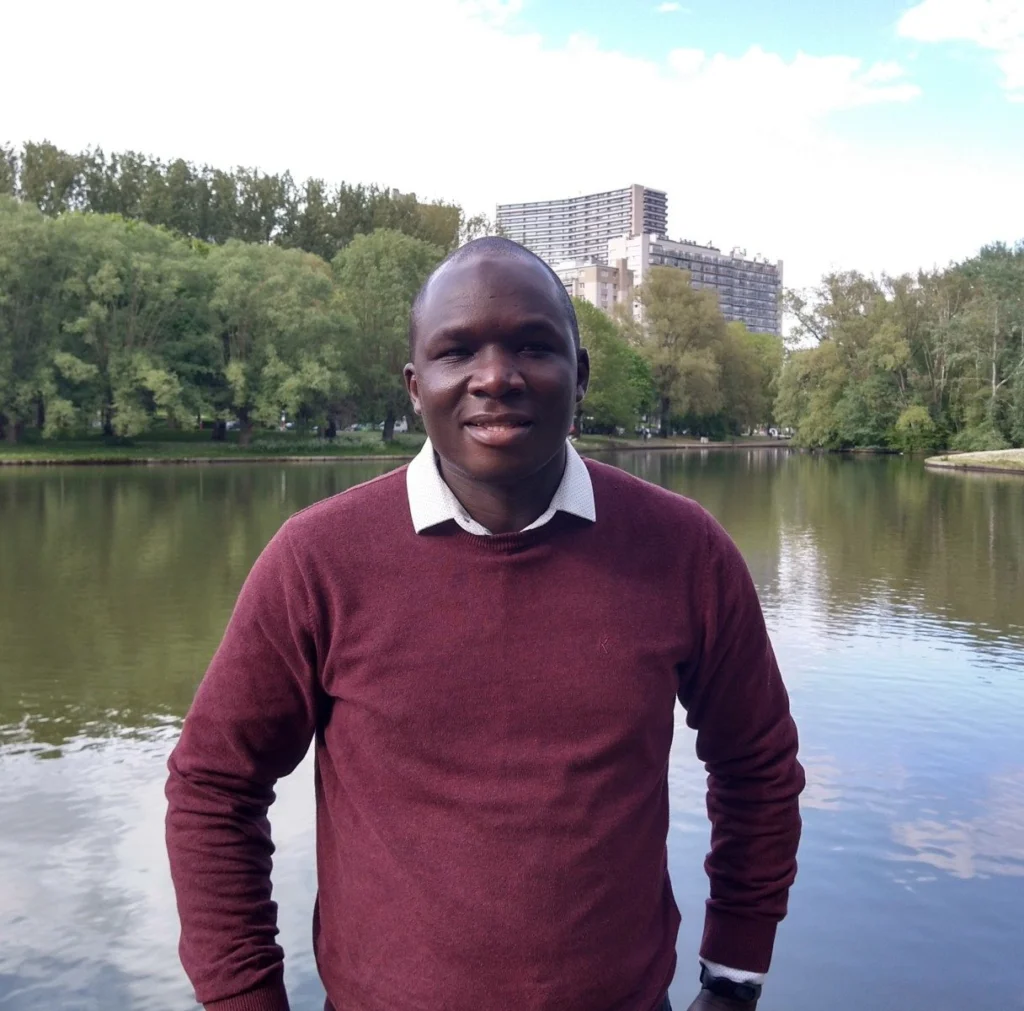
Thanks for joining us today Blaise! To begin, could you talk about your background and why you pursued research on people’s perceptions of natural hazards? I have a background in geology and environmental sciences. Goma is my hometown and I work as a lecturer at the University of Goma. Living and working in a city built on lava flows and permanently threatened by several hazards from Nyiragongo vo ...[Read More]
Glacial lake outburst floods: What we know about this destructive ice hazard
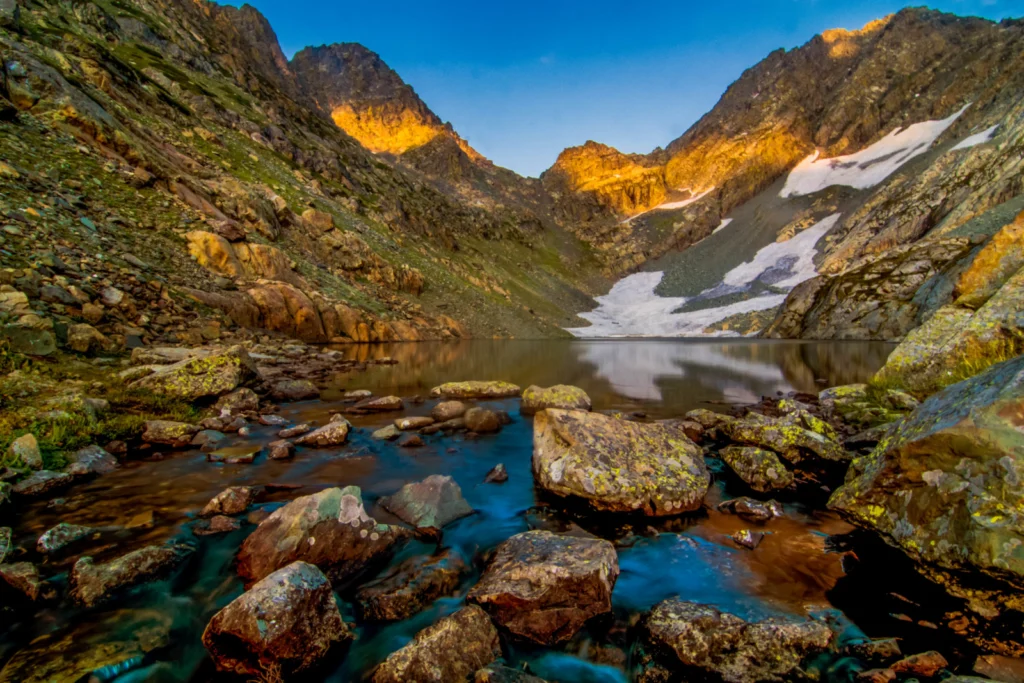
Glacial lake outburst floods are among the most concerning consequences of retreating glaciers in mountain ranges around the world. Although the phenomenon isn’t a new one, it has increasingly become the focus of research efforts in the last two decades, with many scientists seeing these floods as an emblematic symptom of climate change. This blog sheds some light on this lesser-known geological e ...[Read More]
Spring, Summer, Winter…Haze?
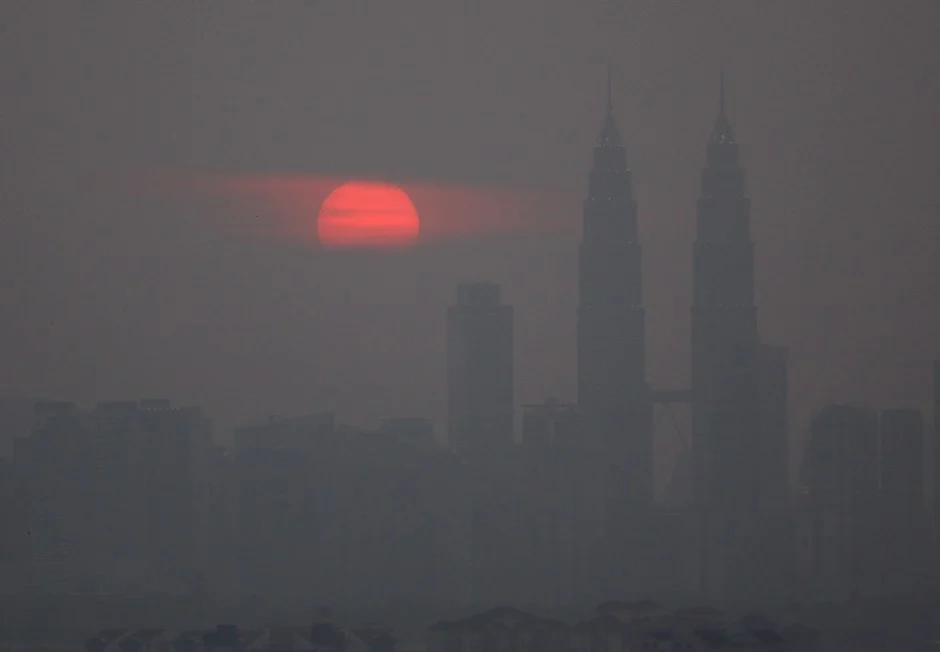
Around the world, societies have many different ways to define the seasons, but for most people a season is identified by a set of culturally specified events, such as the arrival of migratory birds, certain anticipated weather patterns, or a range of expected temperatures. Over recent years many studies have examined the various ways that anthropogenic climate change has affected the way that our ...[Read More]
How Ancient Egyptian Decline Synced With Hydrological Change….And How They Survived
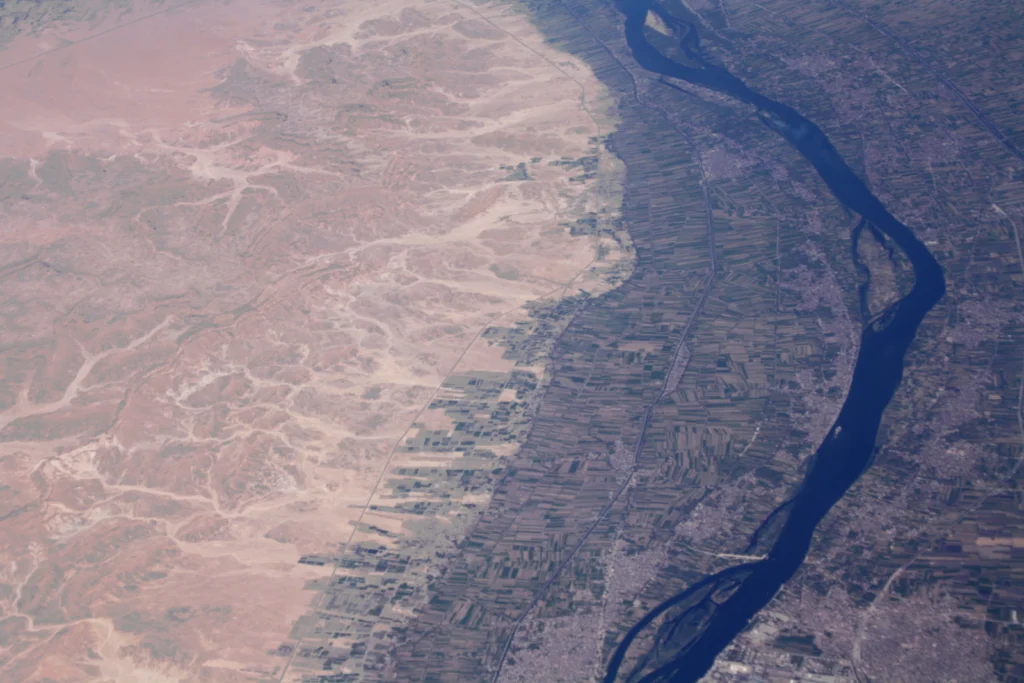
Cairo’s survival was, is, and will be dependent on the flow of the Nile. Since the city was founded in 10th century CE the Nile’s scouring waters have left behind untouched ground onto which the city has spilled and grown. Modern Cairo’s youngest districts are closest to the Nile, founded on earth which was underwater centuries before. It is the river’s changing nature that made the Nile Val ...[Read More]
GeoPolicy: Climate solutions at the center of focus this Earth Day
Earlier this month, Climate Change 2022: Mitigation of Climate Change was published by the IPCC Working Group III as the third instalment of the IPCC’s Sixth Assessment Report (AR6). It emphasises that “rapid and deep” greenhouse gas emission reductions are needed across all sectors to have any chance of keeping the world below 1.5°C of warming above pre-industrial levels. However, it also outline ...[Read More]