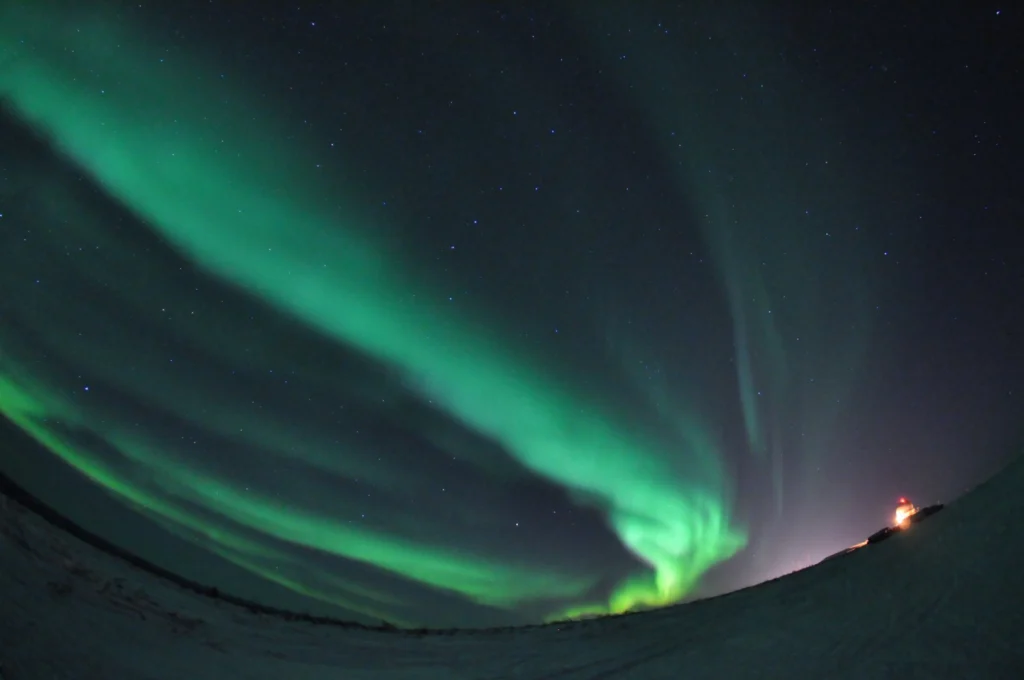
It’s a clear night, much like any other, except that billions of kilometers away the Sun has gone into overdrive and (hours earlier) hurled a mass of charged particles, including protons, electrons and atoms towards the Earth. As the electrons slam into the upper reaches of the atmosphere, the night sky explodes into a spectacular display of dancing lights: aurora. Aurora remain shrouded in myste ...[Read More]
Natural Hazards
Celebrating Earth Science Week!
For those not so familiar with the Earth sciences, geosciences and all its subdisciplines might be shrouded in mystery: boring, unfathomable, out of reach and with little relevance to everyday life. Nothing could be further from the truth! Earth Science Week, an international annual celebration founded by the American Geosciences Institute in 1998, aims to change the public’s perception of the ge ...[Read More]
Imaggeo on Mondays: The road to nowhere – natural hazards in the Peloponnese
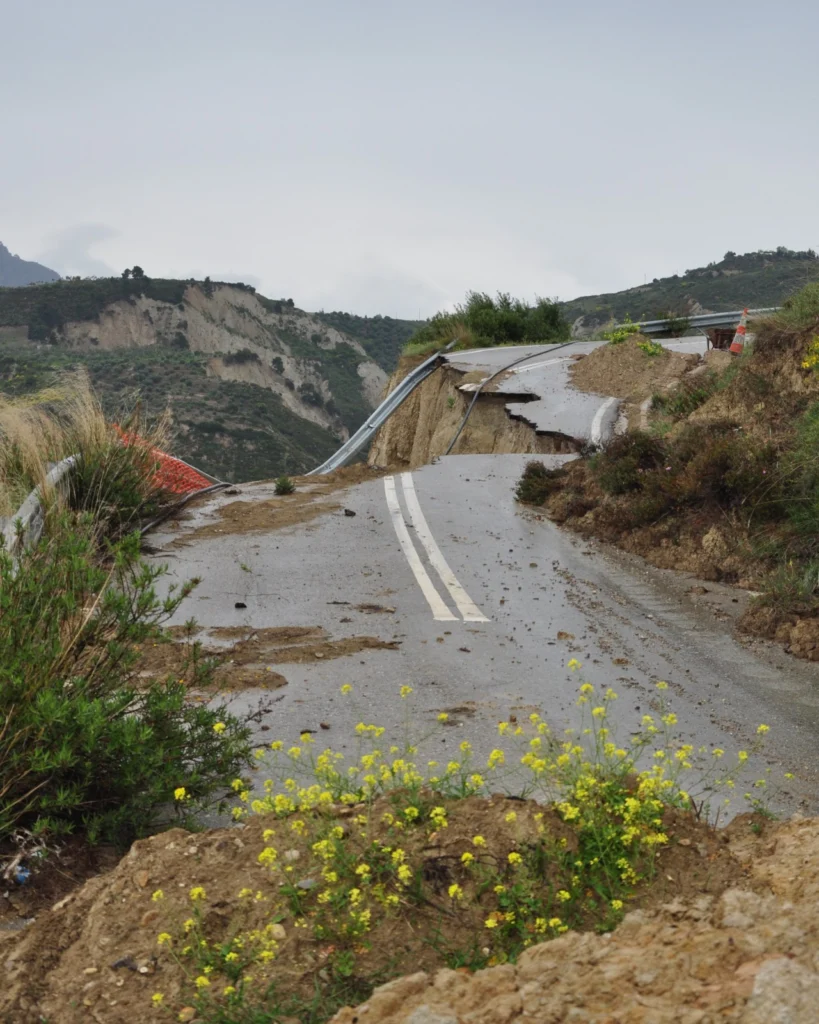
The Gulf of Corinth, in southern Greece, separates the Peloponnese peninsula from the continental mainland. The structural geology of the region is complex, largely defined by the subduction of the African Plate below the Eurasian Plate (a little to the south). The Gulf itself is an active extensional marine basin, i.e., one that is pulling open and where sediments accumulate. Sedimentary basins r ...[Read More]
GeoTalk: Raffaele Albano, Early Career Scientist Representative
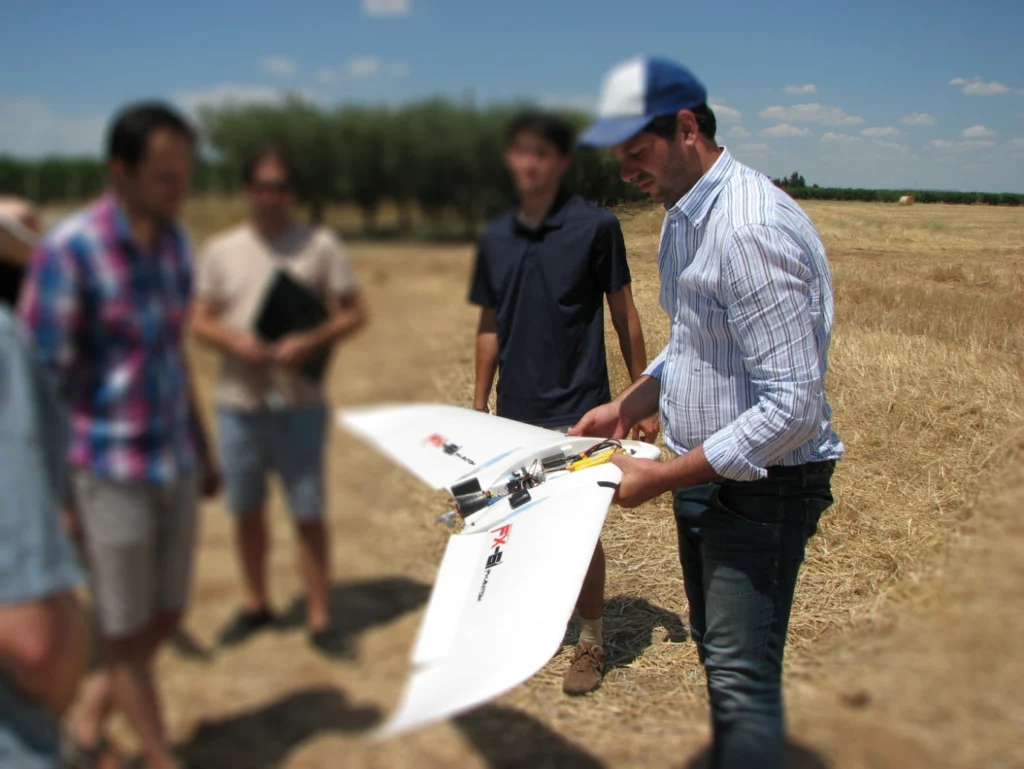
In addition to the usual GeoTalk interviews, were we highlight the work and achievements of early career researchers, over the next few months we’ll be introducing the Division early career scientist representatives (ECS). They are responsible for ensuring that the voice of EGU ECS membership is heard. From organising short courses during the General Assembly, through to running Division Blogs and ...[Read More]
Imaggeo on Mondays: Coastal erosion
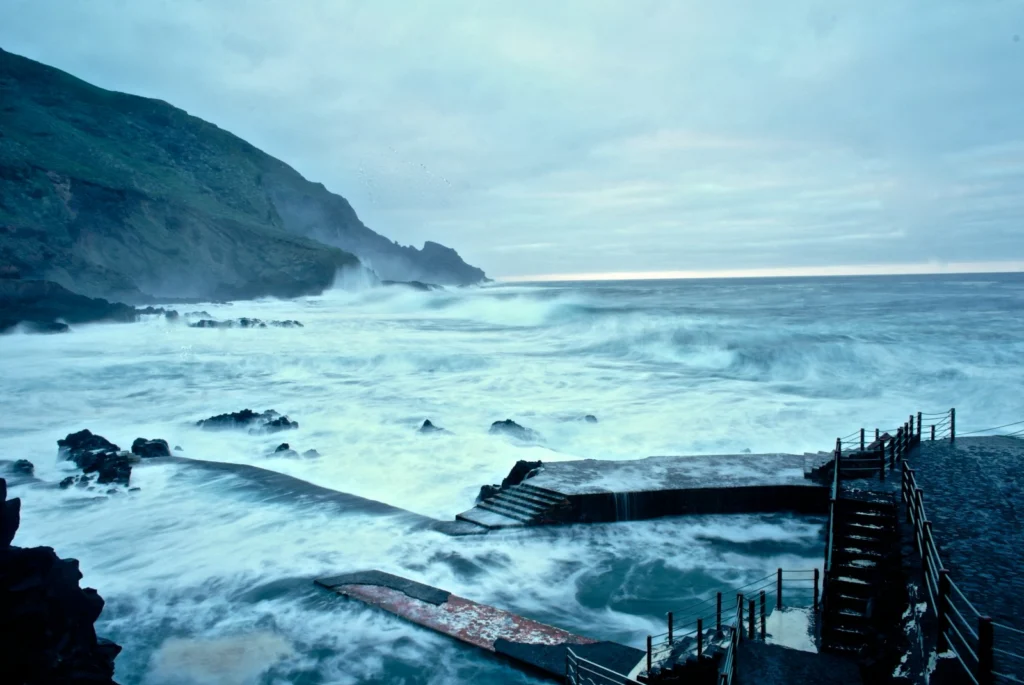
Coastlines take a battering from stormy seas, gales, windy conditions and every-day wave action. The combined effect of these processes shapes coastal landscapes across the globe. In calm weather, constructive waves deposit materials eroded elsewhere and transported along the coast line via longshore-drift, onto beaches, thus building them up. Terrestrial material, brought to beaches by rivers and ...[Read More]
GeoPolicy: 8 science-based projects improving regions in the EU
As scientists, it can sometimes be difficult to see the real-world implications of some of our research. Concepts can often seem abstract and remote when sitting in a lab or taking field measurements. But researching the Earth sciences can have profound effects on global society. Understanding how the natural world works can help protect and improve human, animal, and plant life. This month’s GeoP ...[Read More]
Imaggeo on Mondays: Moving images – Photo Contest 2016
Since 2010, the European Geosciences Union (EGU) has been holding an annual photo competition and exhibit in association with its General Assembly and with Imaggeo – the EGU’s open access image repository. In addition to the still photographs, imaggeo also accepts moving images – short videos – which are also a part of the annual photo contest. However, 20 or more images have to be submitted ...[Read More]
GeoSciences Column: Hazagora – will you survive the next disaster?
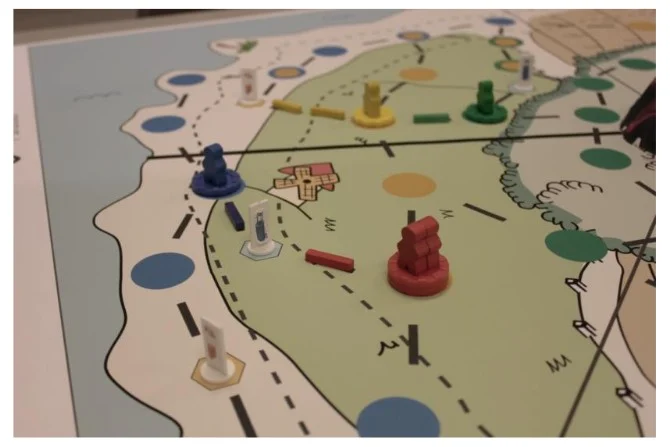
There is no better thing, on a cold and stormy winter’s evening, than to gather your friends for a night of games / board games. Fire blazing (if you have one), tasty snacks laid out and drinks poured, you are all set to indulge in a night of scheming (if you are playing battle ship), deceit (Cluedo), or even all out comedy (think Pictionary or Charades). The main purpose of the games you are like ...[Read More]
GeoTalk: A smart way to map earthquake impact
Last week at the 2016 General Assembly Sara, one of the EGU’s press assistants, had the opportunity to speak to Koen Van Noten about his research into how crowdsourcing can be used to find out more about where earthquakes have the biggest impact at the surface. Firstly, can you tell me a little about yourself? I did a PhD in structural geology at KULeuven and, after I finished, I started to ...[Read More]
When mountains collapse…
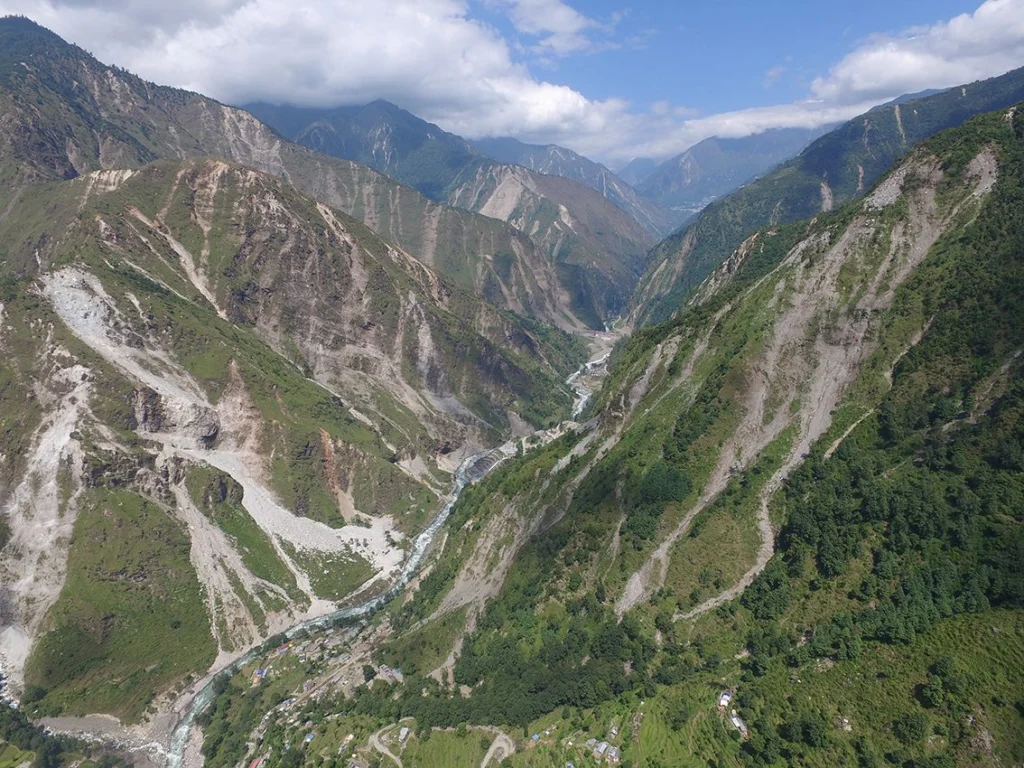
Jane Qiu, a grantee of the Pulitzer Center on Crisis Reporting, took to quake-stricken Nepal last month — venturing into landslide-riddled terrains and shadowing scientists studying what makes slopes more susceptible to failure after an earthquake. The journey proved to be more perilous than she had expected. What would it be like to lose all your family overnight? And how would you cope? It’s wit ...[Read More]