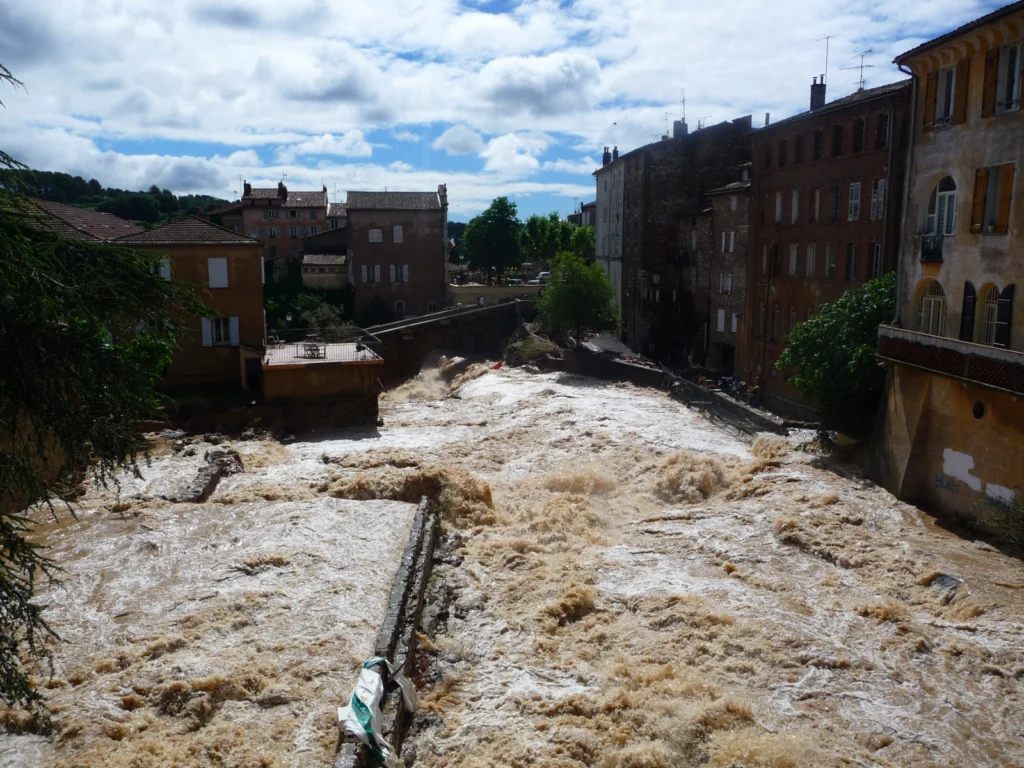
Often, in the news, we are used to seeing disaster statistics reported as isolated figures, placed into context by the tragic human cost of floods, earthquakes and drought. The recent Ecuadorian earthquake that occurred on Saturday the 16th April, for example, was described as having an estimated economic cost of $820 million, which could rise as the scale of the disaster is revealed. But beyond t ...[Read More]
Natural Hazards
GeoTalk: Friction in volcanic environments by Jackie Kendrick
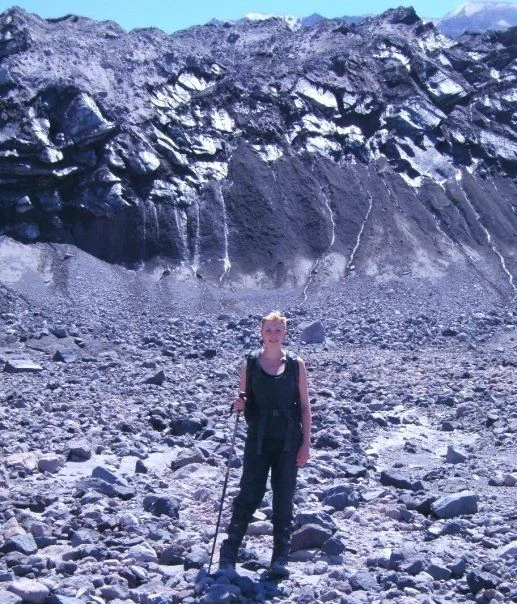
Geotalk is a regular feature highlighting early career researchers and their work. In this interview we speak to Jackie Kendrick, a volcanologist at the University of Liverpool, and winner of the 2016 GMPV Outstanding Young Scientist Award. The occasion will be marked during the upcoming General Assembly, where you’ll be able to listen to Jackie speak in session GMPV 1.1 on the topic of friction i ...[Read More]
GeoSciences Column: Mapping floods with social media
Picture this: you are on your commute home, smartphone or tablet in hand, surfing the internet. You might quickly catch up on the latest news, check in with your friend’s on Facebook, or take to Twitter to share a morsel of information with your followers. This scenario is common in the modern era of technology. No doubt we are all guilty of indulging in a serious session of internet navigation ev ...[Read More]
Imaggeo on Mondays: Fire Watch Constellation
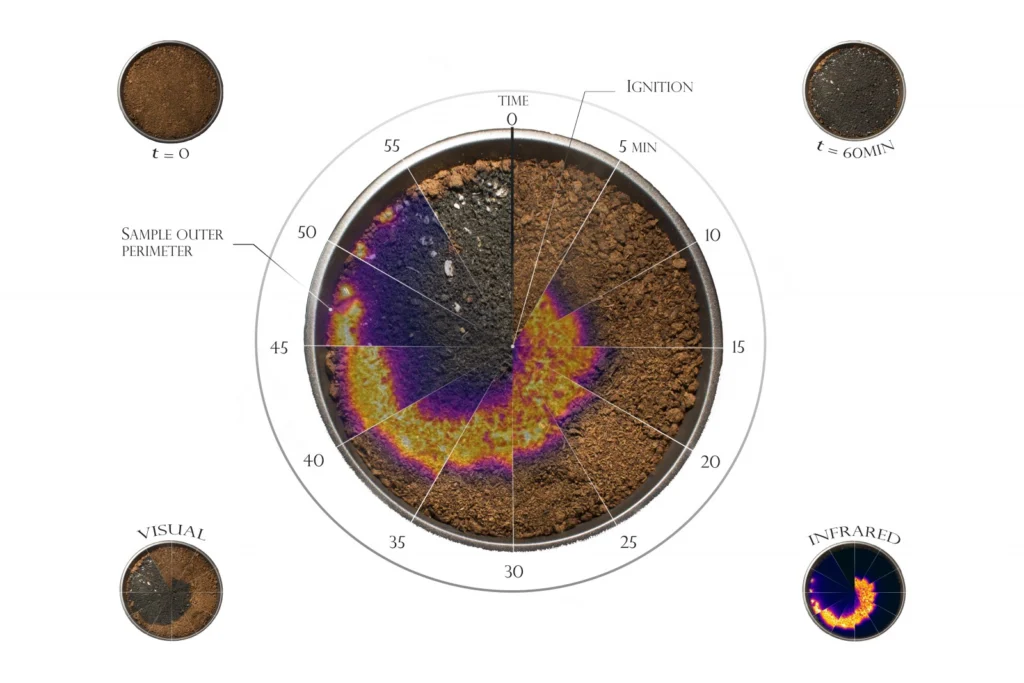
Wild fires: raging walls of flames, capable of burning down swathes of pristine, sometimes protected and ancient, landscapes have been causing havoc around the globe. Managing and controlling them is no easy task; they can unexpectedly change their course with the wind and jump across rivers, roads and man-made fire breaks. The significant threat they pose, and damage they can cause, to valuable e ...[Read More]
Geosciences Column: An international effort to understand the hazard risk posed by Nepal’s 2015 Gorkha earthquake
Nine months ago the ground in Nepal shook, and it shook hard: on April 25th 2015 the M7.8 Gorkha earthquake struck and was followed by some 250 aftershocks, five of which were greater than M 6.0. The devastation left behind in the aftermath of such an event, and how to coordinate disaster-relief efforts in a vast, mountainous region, is difficult to imagine. Yet, this December at the 2015 AGU Fall ...[Read More]
Imaggeo on Mondays: The retreating glaciers of the Svaneti Range, Georgia
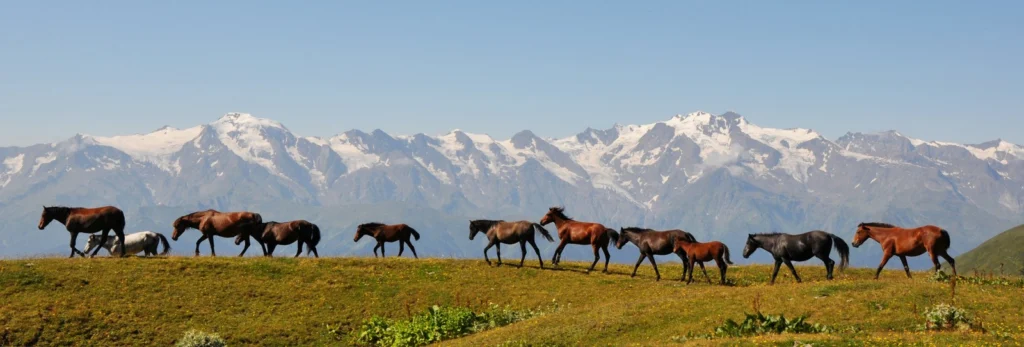
Today’s Imaggeo on Mondays picture shows the central section of the Svaneti Range, located in the Svaneti Region – a historic province of northwestern Georgia. The range is the second biggest range formed by the modern glaciation on the southern slopes of the Georgian Caucasus Mountains. In today’s post, Levan Tielidze, a researcher at Ivane Javakhishvili Tbilisi State University, writes about the ...[Read More]
A Challenge to communicate
In this guest post, Sam Illingworth, regular contributor to GeoLog on all things science communication and education, discusses whether it is the responsibility of all geoscientists to communicate their science and research and challenges you to make some time to get involved in public engagement in 2016. As researchers it is very easy to get caught up in the whirlwind of our scientific endeavour ...[Read More]
Looking back at the EGU Blogs in 2015: welcoming new additions
It’s a little over 12 months since we launched the new look EGU blogs and with the holidays and new year approaching, what better time to take stock of 2015 as featured in the EGU Blogs? The past year has been full of exciting, insightful and informative blog posts. At the same time, we’ve welcomed new additions to the network and division blogs. The network blogs A recent highlight of the year ha ...[Read More]
Geoscience hot topics – The finale: Understanding planet Earth
What are the most interesting, cutting-edge and compelling research topics within the scientific areas represented in the EGU divisions? Ground-breaking and innovative research features yearly at our annual General Assembly, but what are the overarching ideas and big research questions that still remain unanswered? We spoke to some of our division presidents and canvased their thoughts on what the ...[Read More]
Imaggeo on Mondays: Annapurna snow avalanche
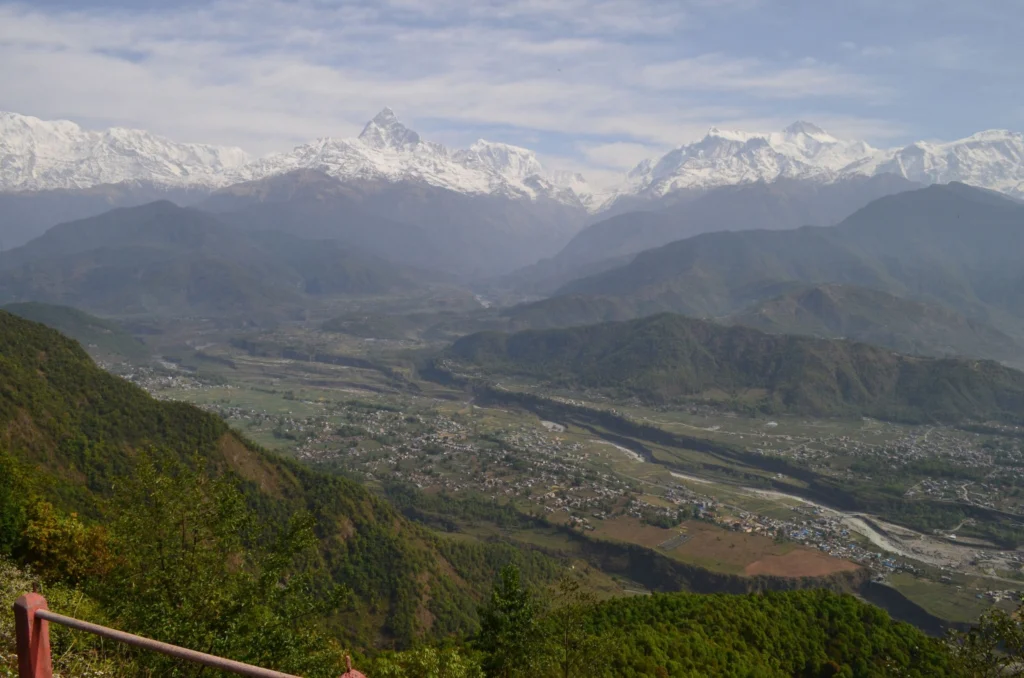
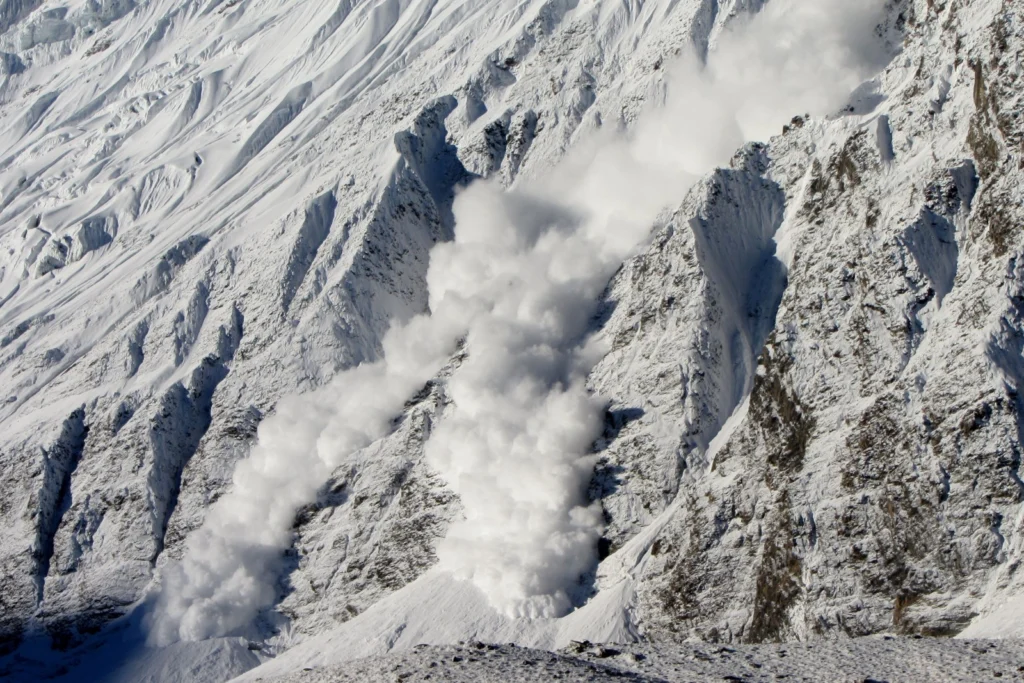
The Annapurna massif is located in an imposing 55 km long collection of peaks in the Himalayas, which behave as a single structural block. Composed of one peak (Annapurna I Main) in excess of 8000 m, a further thirteen peaks over 7000 m and sixteen more of over 6000 m, the massif forms a striking structure within the Himalayas. Annapurna I Main, the tenth highest peak in the world, is towering at ...[Read More]