GeoLog

Natural Hazards

Geosciences Column: Earthquakes and depleted gas reservoirs; what comes first?

Geosciences Column: Earthquakes and depleted gas reservoirs; what comes first?

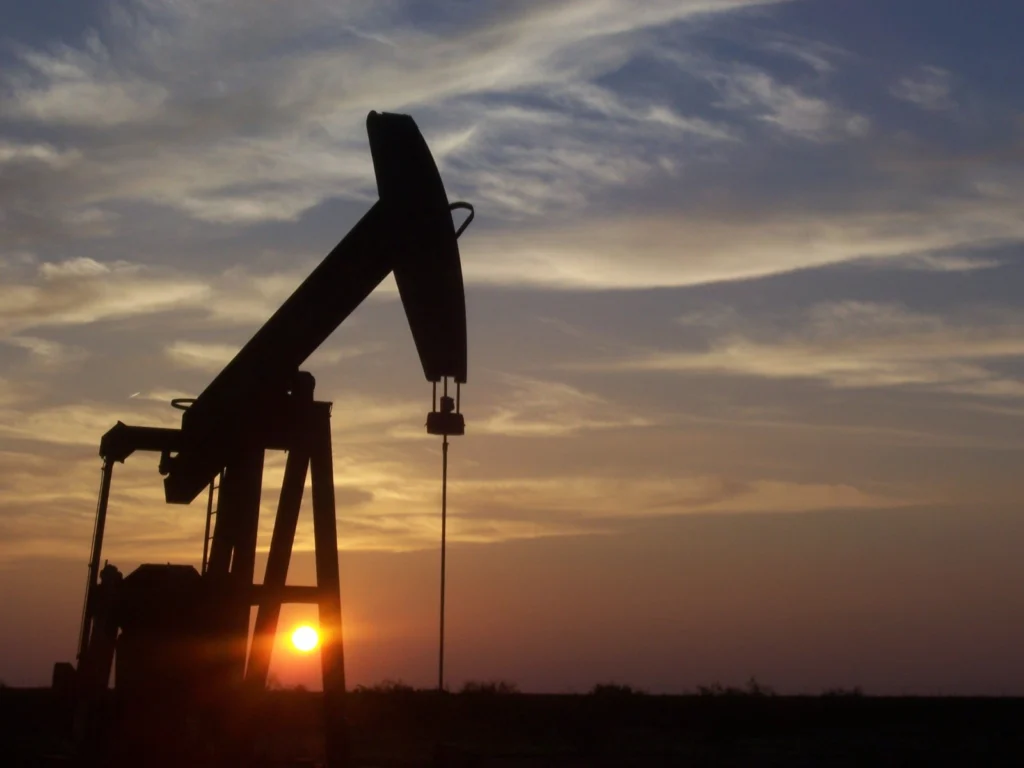
An ever growing population means the requirement for resources to fuel our modern lifestyles grows too. Be it in mining, oil/gas extraction or the improvement of renewable technologies, the boundaries of where and how we access resources are constantly being pushed. Previously inaccessible resources become viable prospects as demand increases and our technological know-how advances. Hand in hand w ...[Read More]

Imaggeo on Mondays: Drilling a landslide

Imaggeo on Mondays: Drilling a landslide

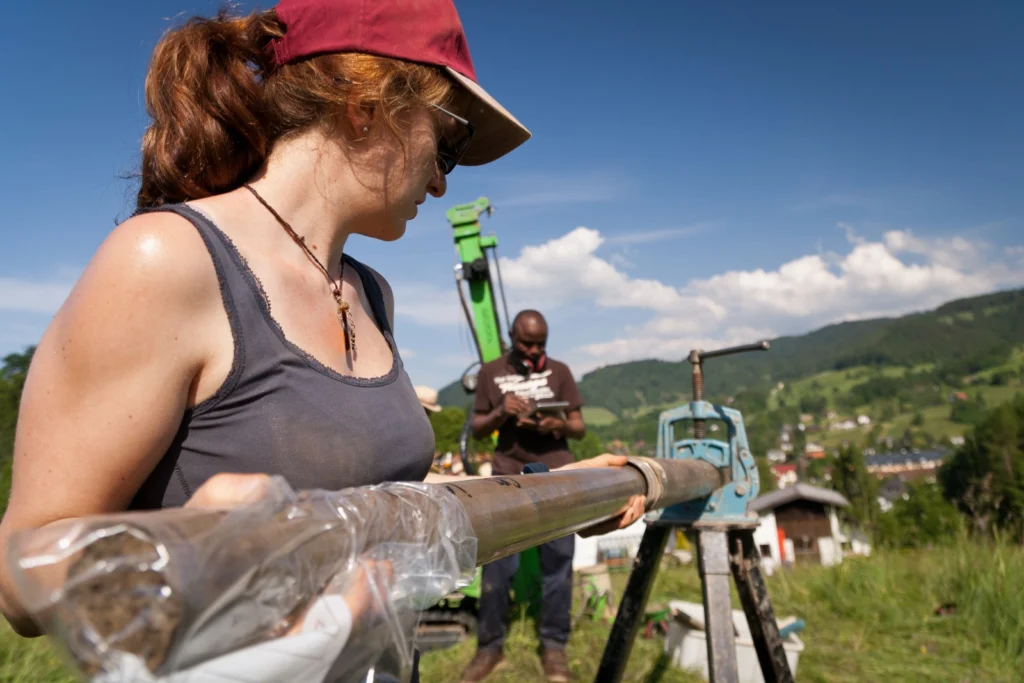
That landslides are hazardous goes without saying; the risk posed by them will largely depend on where they occur and their exact characteristics, which makes understanding the mechanisms which trigger them, as well as predicting when they might happen, extremely difficult. Today’s Imaggeo on Mondays image, brought to you by Ekrem Canli, a PhD student at the University of Vienna, is an example of ...[Read More]

A journey into the Cordon Caulle volcano

A journey into the Cordon Caulle volcano

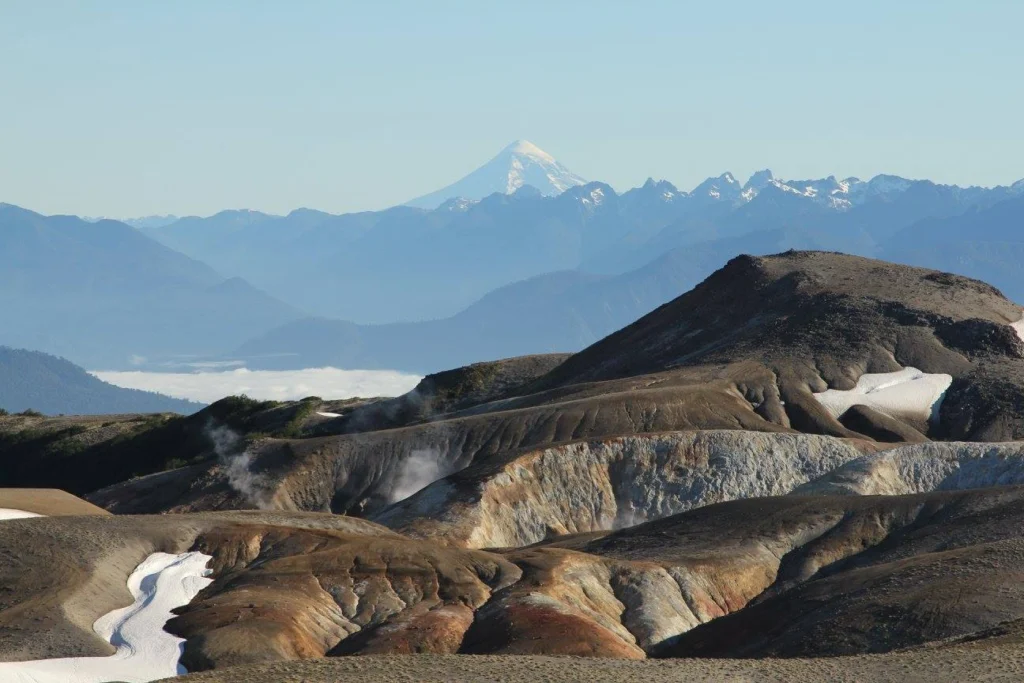
There is no escaping the fact that one of the perks of being an Earth scientist is the opportunity to visit incredible places while on field work. There is also no doubt that, geologist or not, walking on an active volcano is awe inspiring. Maybe you’ve had the experience of doing so yourself (if so, share your story with us in the comments section, we’d love to hear from you!), but if ...[Read More]

Geosciences Column: The calamity of eruptions, or an eruption of benefits?

Geosciences Column: The calamity of eruptions, or an eruption of benefits?

So here is a question: why would anyone want to live in the vicinity of an active volcano? The risks are well known, with hazards arising from lava flows, lahars, ash falls, debris avalanches, and pyroclastic density currents, with many often having deadly consequences. But despite the danger, more than half a billion people live in the direct vicinity of volcanoes. Could it be that communities pr ...[Read More]

Imaggeo on Mondays: Strombolian eruption

Imaggeo on Mondays: Strombolian eruption

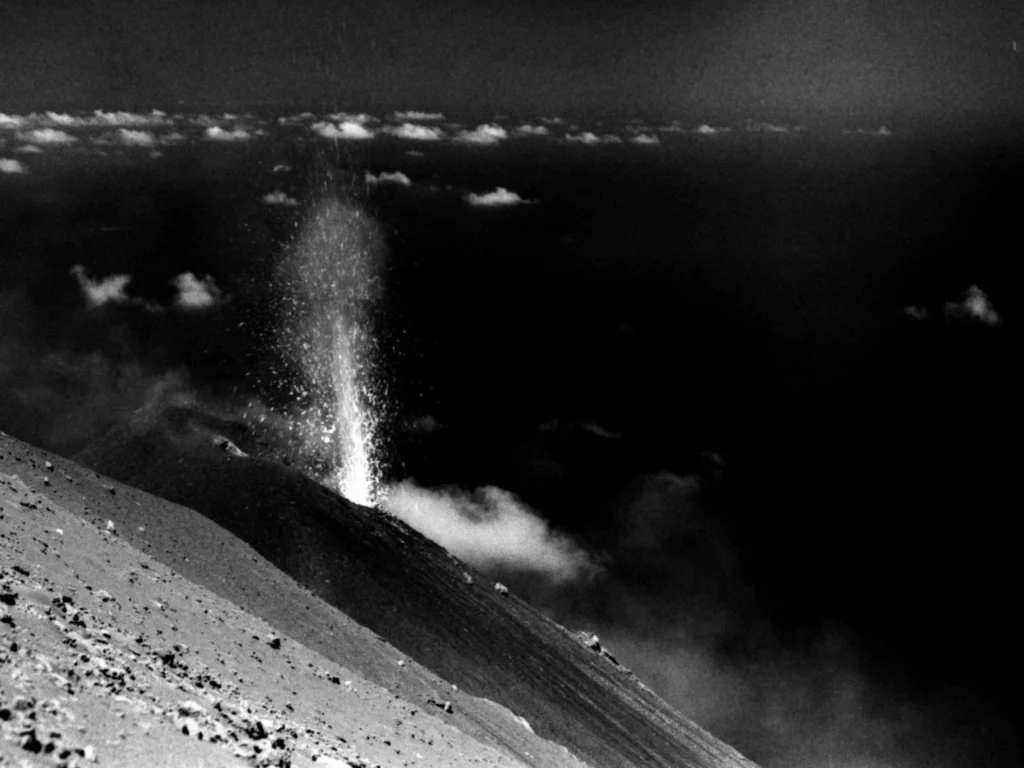
Jonas Kuhn, a researcher at Heidelberg University , took the photograph during a field campaign at Stromboli volcano in Italy. The objective of this campaign was to gather data from different gaseous compounds of the volcanic plume. Via emission fluxes of volcanic gases (e.g. SO2, CO2, halogen compounds…) or the ratio of emitted gases, one can retrieve information about the interior of the v ...[Read More]

Film review: Revolution

Film review: Revolution

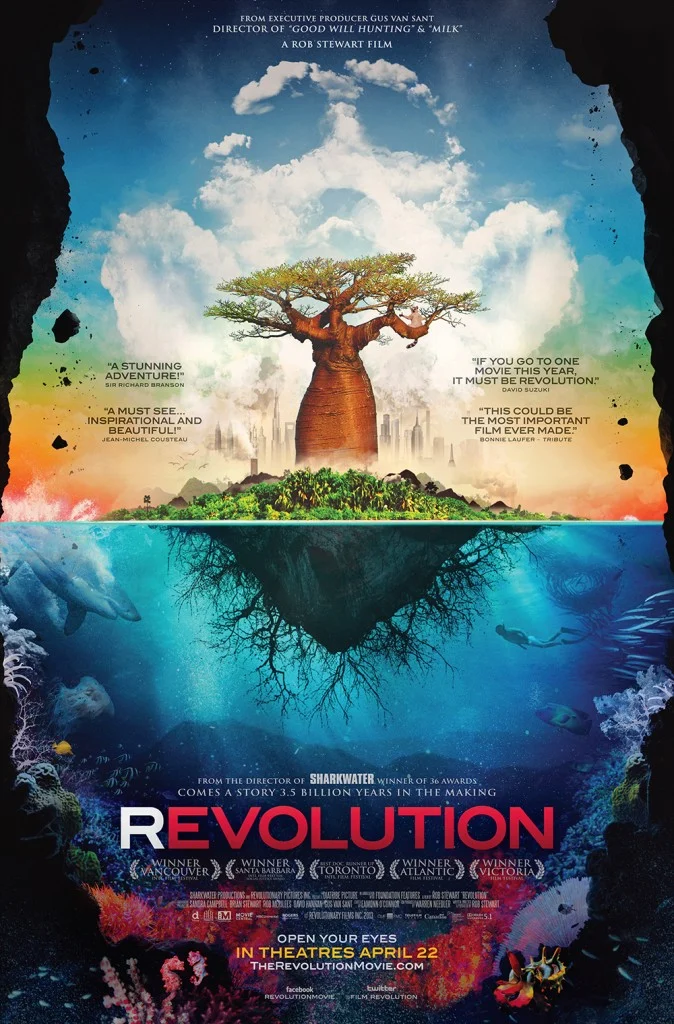
It’s not every day you are asked to review a film, and since it’s a documentary that encompasses a few of EGU’s sciences (such as climate sciences, biogeosciences, and energy, resources and the environment), I couldn’t say no. I’ll start by giving it a rating, 3.5/5 stars, though I would probably give it more if I were part of the film’s main target audience. Revolution, by biologist-photographer ...[Read More]

Studying an active volcano – in pictures

Studying an active volcano – in pictures

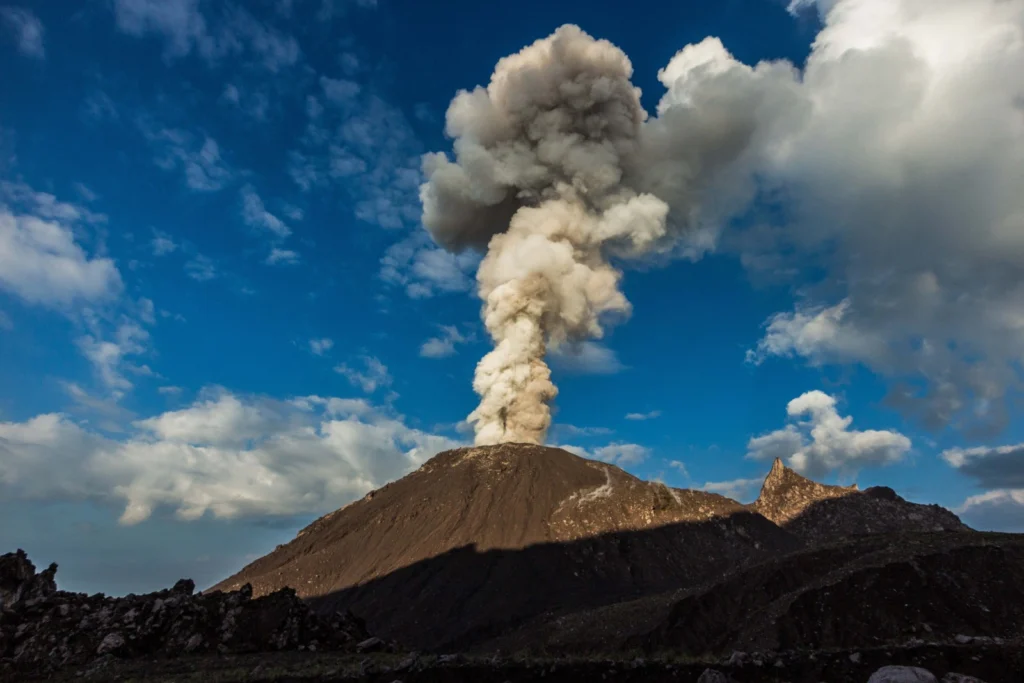
Santiaguito volcano in Guatemala is one of the most active volcanoes in Central America: currently erupting every 45-90 mintues, from its active lava dome Caliente, while at the same time sending a lava flow down its flanks. This makes it an ideal study object for volcanology. A group of volcanologists from the University of Liverpool, in the UK, installed a network of geophysical stations around ...[Read More]

The day the Earth trembled: A first-hand account of the 25 April Nepal earthquake

The day the Earth trembled: A first-hand account of the 25 April Nepal earthquake

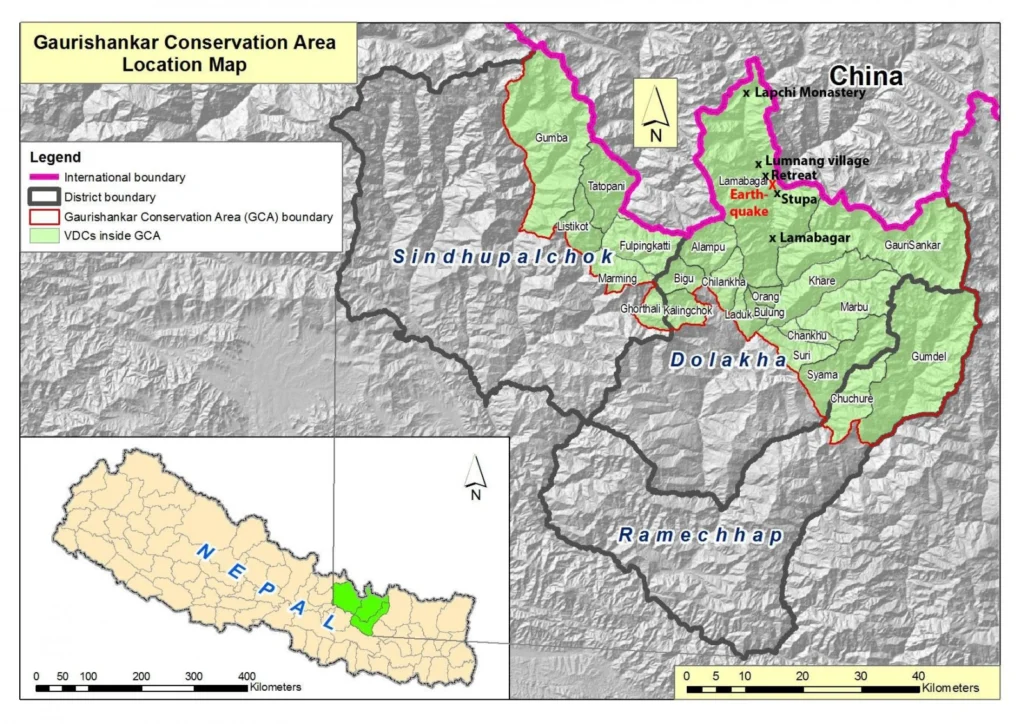
On the 25th April 2015, Viktor Bruckman, a researcher at the Austrian Academy of Sciences, and a team of his colleagues were a few hours into a hike between the settlements of Lamabagar, in a remote area of northeastern Nepal, and the Lapchi Monastery when a magnitude 7.8 earthquake struck Nepal. Their journey cut short by the trembling Earth, stranded in the heights of the Himalayas, this is thei ...[Read More]

Iceland’s Bárðarbunga-Holuhraun: a remarkable volcanic eruption

Iceland’s Bárðarbunga-Holuhraun: a remarkable volcanic eruption

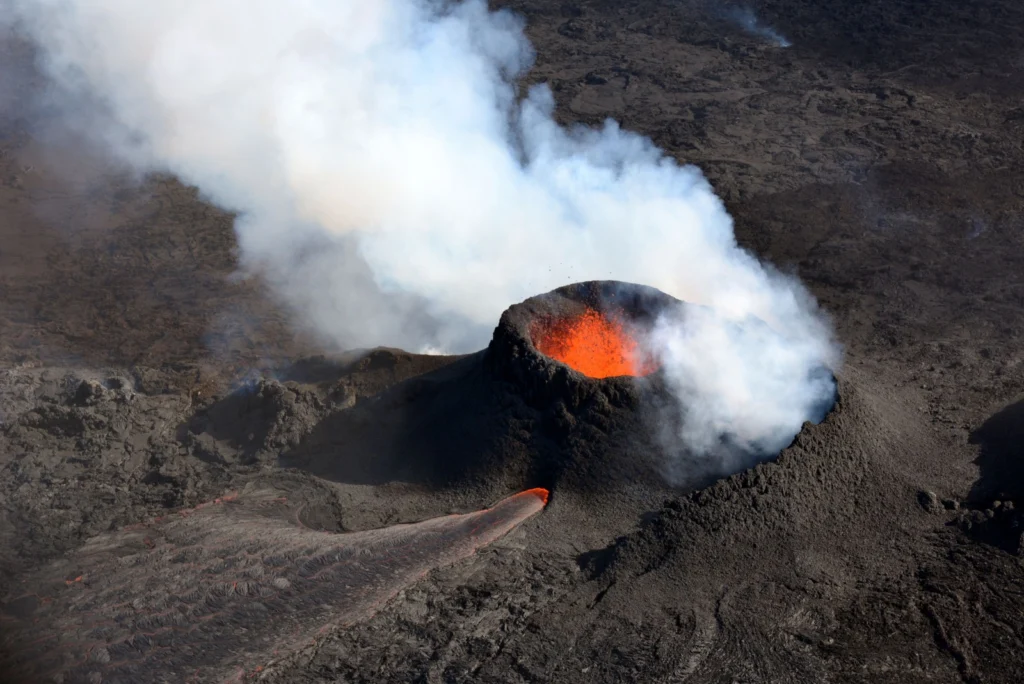
A six month long eruption accompanied by caldera subsidence and huge amounts of emitted gasses and extruded lavas; there is no doubt that the eruption of the Icelandic volcano in late 2014 and early 2015 was truly remarkable. In a press conference, (you can live stream it here), which took place during the recent EGU General Assembly, scientists reported on the latest from the volcano. Seismic act ...[Read More]