GeoLog

Earth Magnetism and Rock Physics

Celebrating Earth Science Week!
Celebrating Earth Science Week!
For those not so familiar with the Earth sciences, geosciences and all its subdisciplines might be shrouded in mystery:  boring, unfathomable, out of reach and with little relevance to everyday life. Nothing could be further from the truth! Earth Science Week, an international annual celebration founded by the American Geosciences Institute in 1998, aims to change the public’s perception of the ge ...[Read More]

Going deeper underground – why do we want to know how rocks behave?

Going deeper underground – why do we want to know how rocks behave?

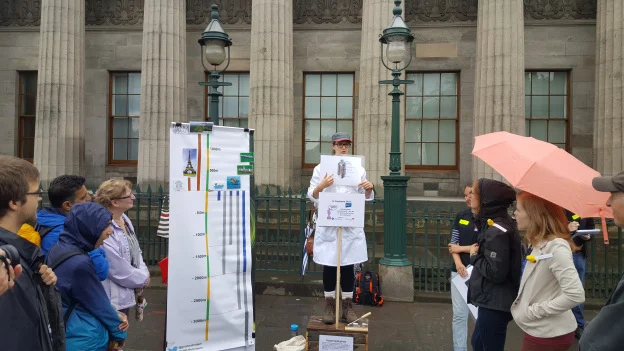
Imagine you find yourself standing atop a wooden box in the middle of your home town, on a rainy weekend day, with the sole aim of talking to passersby about your research work. It can be a rather daunting prospect! How do you decide what the take-home message of your work is: which single nugget of information do you want members of the public to take away after having spoken to you? Even more im ...[Read More]

Who do you think most deserves the title of the Mother of Geology?

Who do you think most deserves the title of the Mother of Geology?

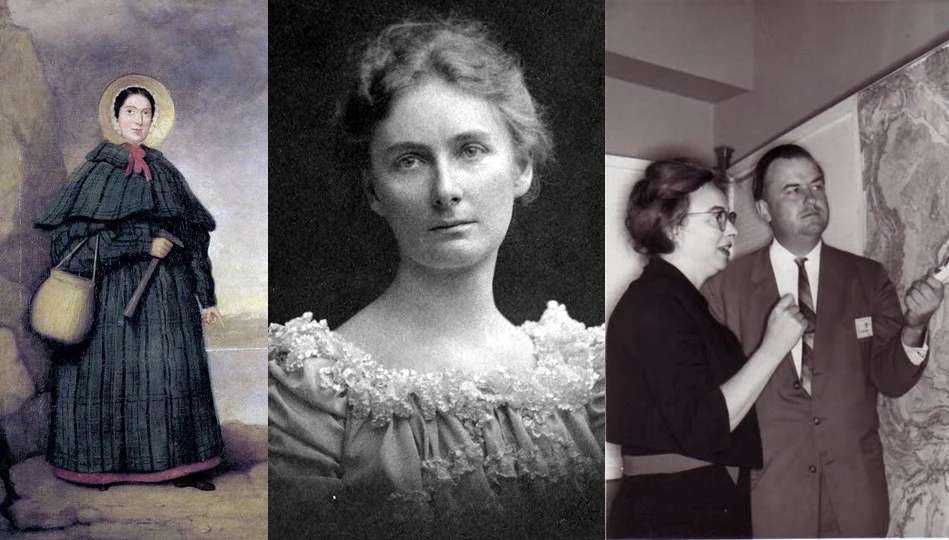
Much ink is spilled hailing the work of the early fathers of geology – and rightly so! James Hutton is the mind behind the theory of uniformitarianism, which underpins almost every aspect of geology and argues that processes operating at present operated in the same manner over geological time, while Sir Charles Lyell furthered the idea of geological time. William Smith, the coal miner and canal b ...[Read More]

Imaggeo on Mondays: Using geophysical techniques to unlock the secrets of the past

Imaggeo on Mondays: Using geophysical techniques to unlock the secrets of the past

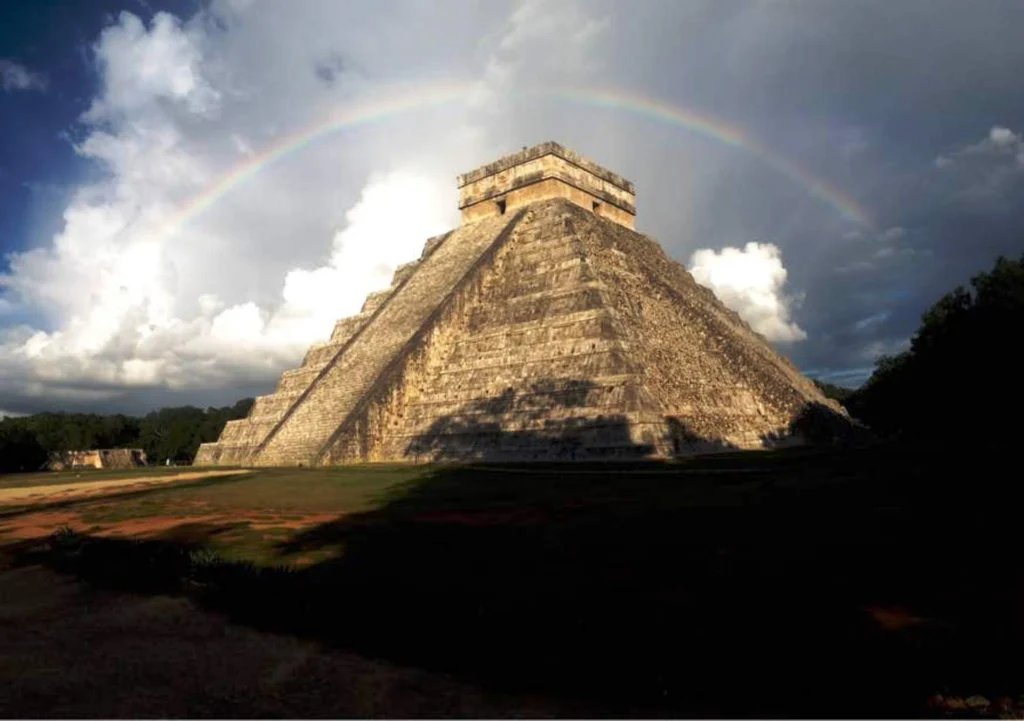
Unravelling the secrets of past civilisations is tricky at the best of times. More so if many of the records which hold clues about how communities lived, built their homes and temples, as well as how they fed themselves, were destroyed by subsequent invaders. In these instances, as Felix Rodriguez Cardozo explains in today’s post, geophysical techniques (such as Lidar, which very recently hit the ...[Read More]

Great walls of fire – Vitrification and thermal engineering in the British Iron Age

Great walls of fire – Vitrification and thermal engineering in the British Iron Age

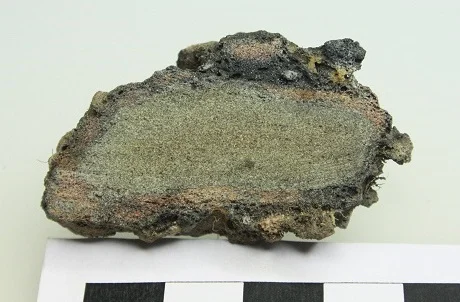
It’s long been recognised the peoples of European prehistory occasionally, and quite deliberately, melted the rocks from which their hilltop enclosures were made. But why did they do it? In today’s blog post Fabian Wadsworth and Rebecca Hearne explore this question. Burning questions Throughout the European Bronze and Iron Ages (spanning 2600 years from 3200 BC to 600 BC), people constructed stone ...[Read More]

Imaggeo on Mondays: Half dome at sunset

Imaggeo on Mondays: Half dome at sunset

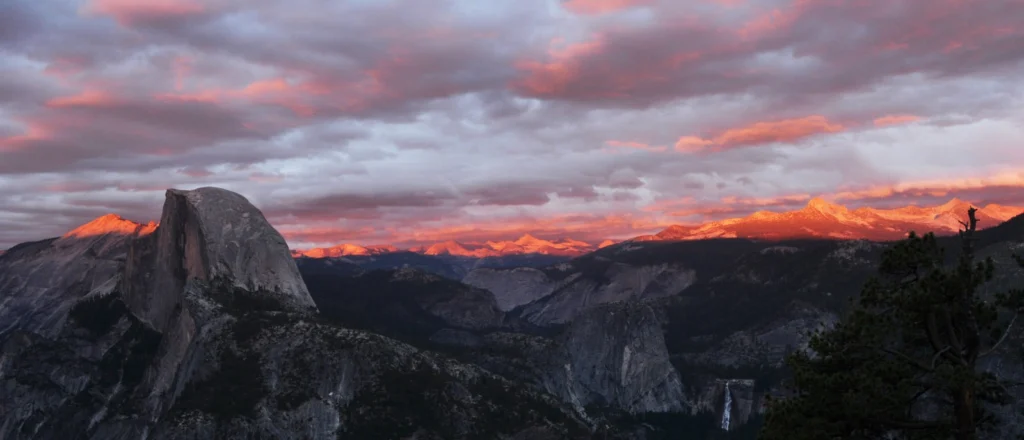
Yosemite’s Half Dome stands, majestic, over a granite dominated terrain in the Yosemite Valley area;  one of the most beautiful landscapes in northern America, and arguably, the world – it is also an Earth scientist’ playground. Stamped into the west slope of the Sierra Nevada range, the Yosemite Valley is a collection of lush forests, deep valleys, meandering rivers and streams, all punctua ...[Read More]

Photo Contest finalists 2016 – who will you vote for?

Photo Contest finalists 2016 – who will you vote for?

The selection committee received over 400 photos for this year’s EGU Photo Contest, covering fields across the geosciences. The fantastic finalist photos are below and they are being exhibited in Hall X2 (basement, Brown Level) of the Austria Center Vienna – see for yourself! Do you have a favourite? Vote for it! There is a voting terminal (also in Hall X2), just next to the exhibit. The results w ...[Read More]

GeoEd: GIFT Workshops at the General Assembly – What the 2016 participants can expect

GeoEd: GIFT Workshops at the General Assembly – What the 2016 participants can expect

The General Assembly (GA) is not only for researchers but for teachers and educators with an interest in the geosciences also. Every year the Geosciences Information For Teachers (GIFT) is organised by the EGU Committee on Education to bring first class science closer to primary and high school teachers. If you are an educator attending this year’s edition of the GIFT workshop –the topic of which ...[Read More]

GeoTalk: Friction in volcanic environments by Jackie Kendrick

GeoTalk: Friction in volcanic environments by Jackie Kendrick

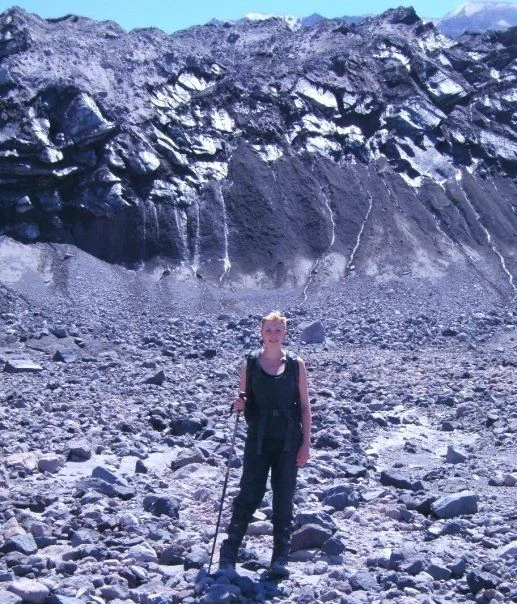
Geotalk is a regular feature highlighting early career researchers and their work. In this interview we speak to Jackie Kendrick, a volcanologist at the University of Liverpool, and winner of the 2016 GMPV Outstanding Young Scientist Award. The occasion will be marked during the upcoming General Assembly, where you’ll be able to listen to Jackie speak in session GMPV 1.1 on the topic of friction i ...[Read More]

Imaggeo on Mondays: Snow and ash in Iceland

Imaggeo on Mondays: Snow and ash in Iceland

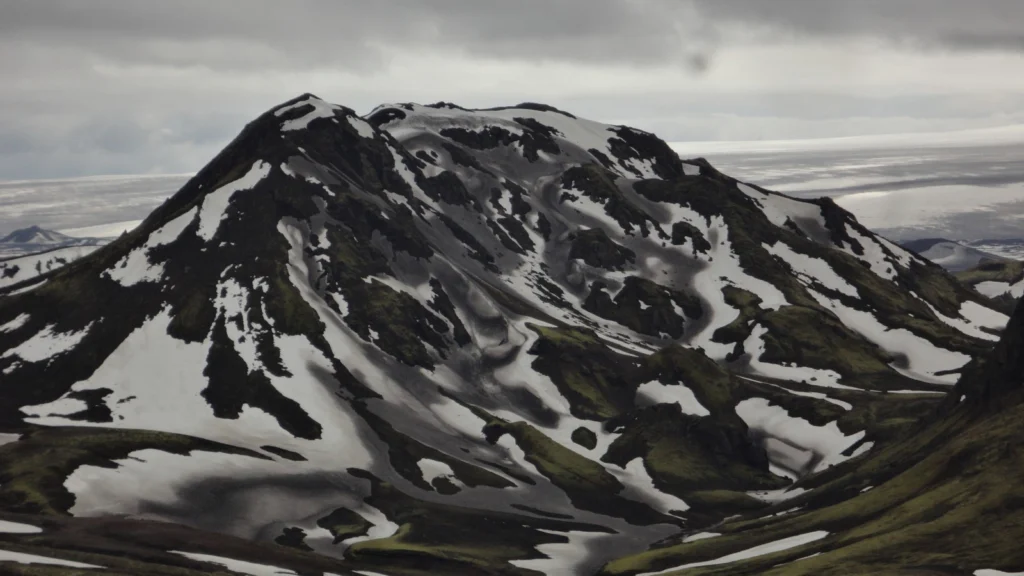
Featuring today on the blog is the land of ice and fire: Iceland. That title was never better suited to (and exemplified), than it is in this photograph taken by Daniel Garcia Castellanos in June 2013. Snow capped peaks are also sprinkled by a light dusting of volcanic ash. Dive into this post to find out the source of the ash and more detail about the striking peak. The picture is dominated by a ...[Read More]