Did you know that yesterday, Sunday, January 4, 2026, marked 65 years since Erwin Schrödinger passed away? While the internet loves him for his cat in a box thought experiment, Geoscientists love him for something much more practical: the equation. Many of us have spent decades debating the health of a hypothetical feline in a box (I remember watching this episode of the Bing Bang Theory and think ...[Read More]
Earth Magnetism and Rock Physics
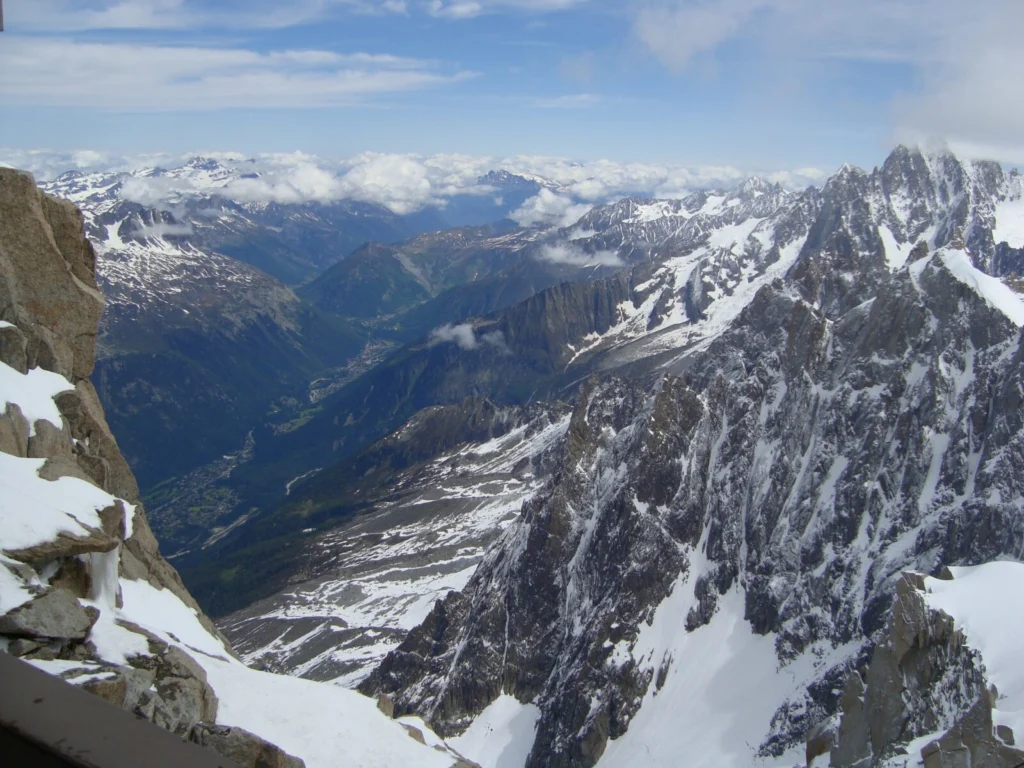
Sixty years under the mountain: A geoscientific odyssey through the Mont Blanc tunnel
On July 16, 1965, the Mont Blanc Tunnel, 11.611 km of tunnel piercing the heart of the Alps, opened to traffic, marking a triumph of engineering, geology, and international cooperation. Sixty years later, this civilian artery connecting Chamonix (France) and Courmayeur (Italy) stands not just as a testament to human inventiveness but as an ongoing marvel if viewed through a geoscientific lens. On ...[Read More]
Geo-magicians: The mysterious work of understanding our magnetic Earth
There is a force all around us—unseen, unfelt, and yet profoundly influential. It guides the migration of birds across continents, whispers secrets to ancient rocks, and shields us from cosmic storms. This force is as mysterious as it is essential, shaping our world in ways that most of us never think about. Imagine a sailor centuries ago, staring at a compass that always points north. What guides ...[Read More]
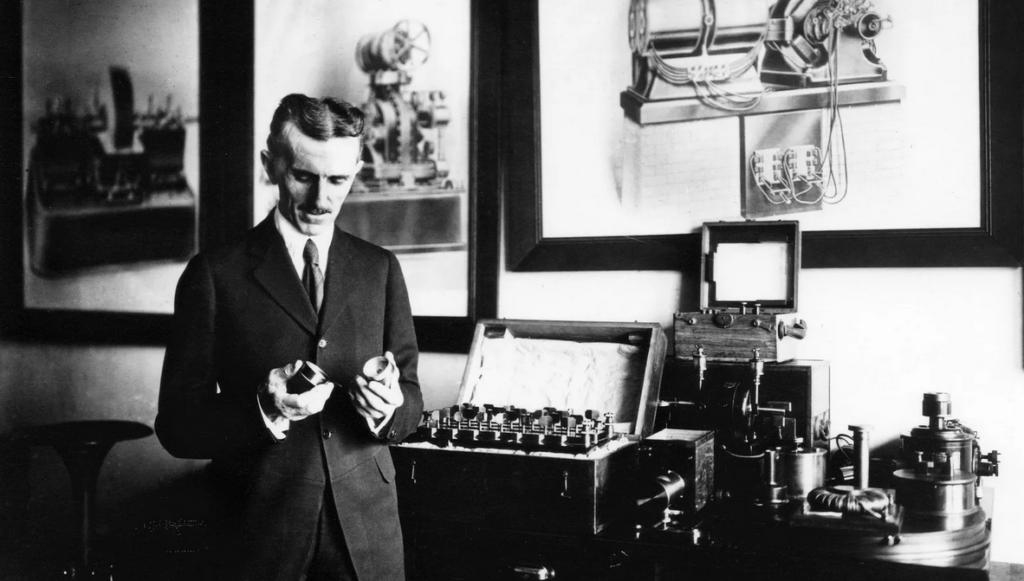
Two centuries later, the world is yet to fully understand Nikola Tesla
Most people associate Tesla with the multi-billion American automotive and clean energy company, and by that extension, with Elon Musk. But with today (July 10th) being Nikola Tesla Day, it gives us a rare opportunity to discover the man behind the name – the Serbian American scientist who contributed to scientific progress and advances in technology that we still heavily rely on today. Tesla is c ...[Read More]
Winners announced: Here are the best EGU Blog Posts of 2022!
As future-focused as we like to be at EGU, we sometimes pause to look back at the year gone by – just a brief glimpse to appreciate all the good work of 2022! As always, we had so many inspiring and thought-provoking blog posts published this year across the EGU’s official blog GeoLog and division blogs. Thank you to each of you for your writing contribution! To continue our annual appreciation fo ...[Read More]
The theory of continental drift and how it changed the geosciences forever
German scientist Alfred Wegener spent most of his life defending a shocking theory: that all the world’s continents were once part of the same land mass before they drifted away. For many years after he passed, his theory continued to be shunned, ridiculed, and labelled as pseudoscience. And then, several decades later, geologists began to find more and more proof to support his continental drift ...[Read More]
Congratulations to the winners of the EGU Best Blog Posts of 2021
At EGU, we like to believe that a new year is more meaningful when we pause to look back at the year gone by – just a brief glimpse to appreciate all our good work and progress! 2021 was certainly an excellent year for our blogging network at EGU. Across the EGU’s official blog, GeoLog and division blogs we had so many inspiring, thought-provoking and even entertaining posts this year. Thank you t ...[Read More]
What if a tsunami’s magnetic field could predict the height of the wave?
It’s been well established that tsunamis generate magnetic fields as they move seawater (which is conductive unlike freshwater) through the Earth’s magnetic field. Although researchers previously predicted that the tsunami’s magnetic field would arrive before a change in sea level, they lacked the means to simultaneously measure magnetics and sea level to confirm this phenomenon. Now, a new study ...[Read More]
Imaggeo On Monday: Artificial peridotite takes its gold coat off
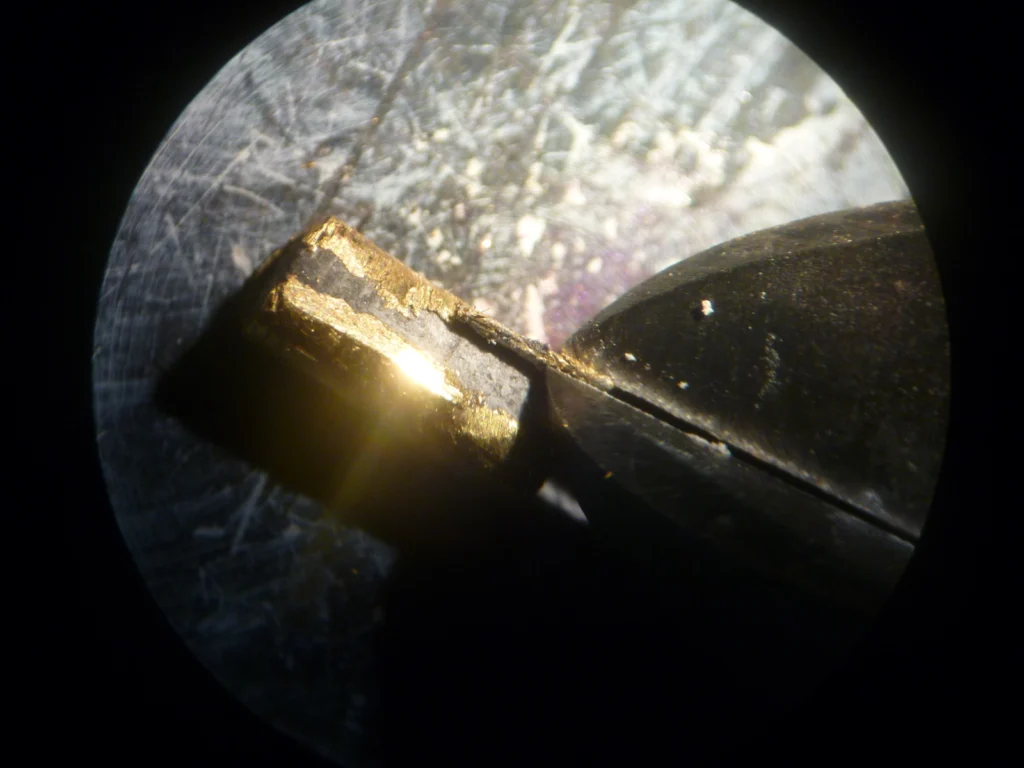
Sometimes in order to test a theory about how processes work below the surface of the Earth, scientists need to recreate minerals found in very specific circumstances. This photograph was taken through a binocular microscope during a critical step of the creation of artificial peridotite: extraction of the artificial peridotite from its gold capsule. The sample is a little cylinder, 3 mm long with ...[Read More]
Imaggeo on Mondays: Magnetic interaction
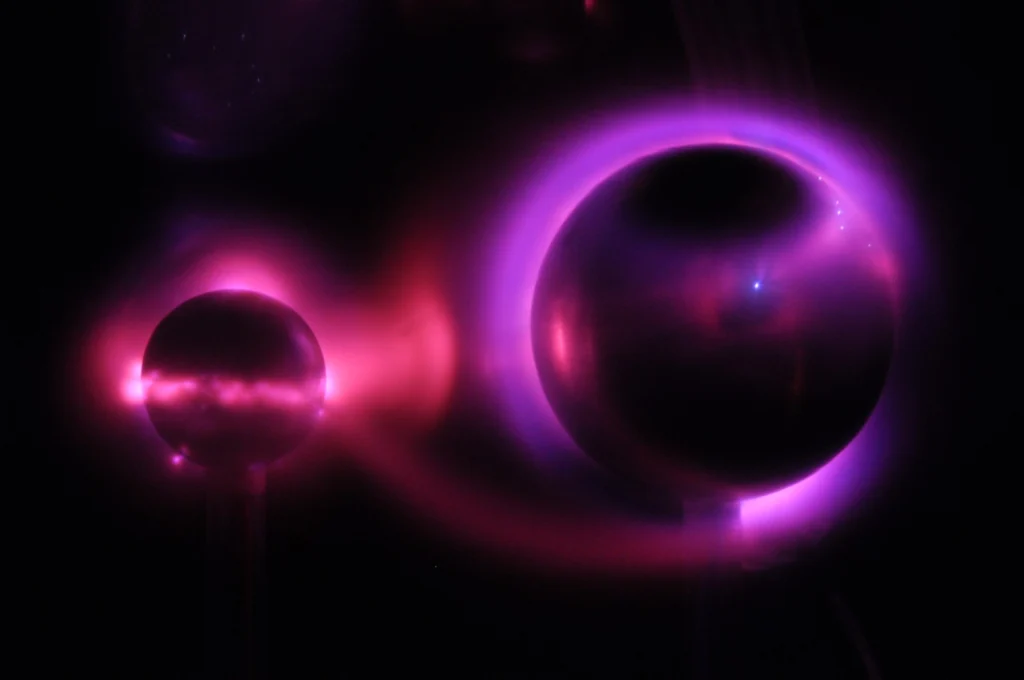
Space weather is a ubiquitous, but little known, natural hazard. Though not as tangible as a volcanic eruption, storm or tsunami wave, space weather has the potenital to cause huge economic losses across the globe. In Europe alone, the interaction of solar wind with our planet’s magnetosphere, ionosphere and thermosphere, could lead to disrutions to space-based telecommunications, broadcasti ...[Read More]