GeoLog

Earth Magnetism and Rock Physics

GeoTalk: The anomaly in the Earth’s magnetic field which has geophysicists abuzz
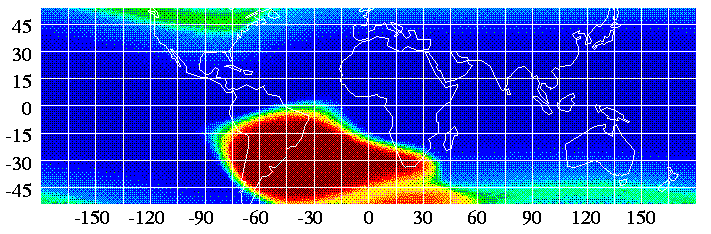
GeoTalk: The anomaly in the Earth’s magnetic field which has geophysicists abuzz
Geotalk is a regular feature highlighting early career researchers and their work. In this interview we speak to Jay Shah, a PhD student at Imperial College London, who is investigating the South Atlantic Anomaly, a patch over the South Atlantic where the Earth’s magnetic field is weaker than elsewhere on the globe. He presented some of his recent findings at the 2017 General Assembly. First, coul ...[Read More]

May GeoRoundUp: the best of the Earth sciences from around the web

May GeoRoundUp: the best of the Earth sciences from around the web

Drawing inspiration from popular stories on our social media channels, as well as  unique and quirky research news, this monthly column aims to bring you the best of the Earth and planetary sciences from around the web. Major Story In the last couple of weeks of May, the news world was abuzz with the possibility of Donald Trump withdrawing from the Paris Agreement. Though the announcement actually ...[Read More]

Imaggeo on Mondays: A lava layer cake

Imaggeo on Mondays: A lava layer cake

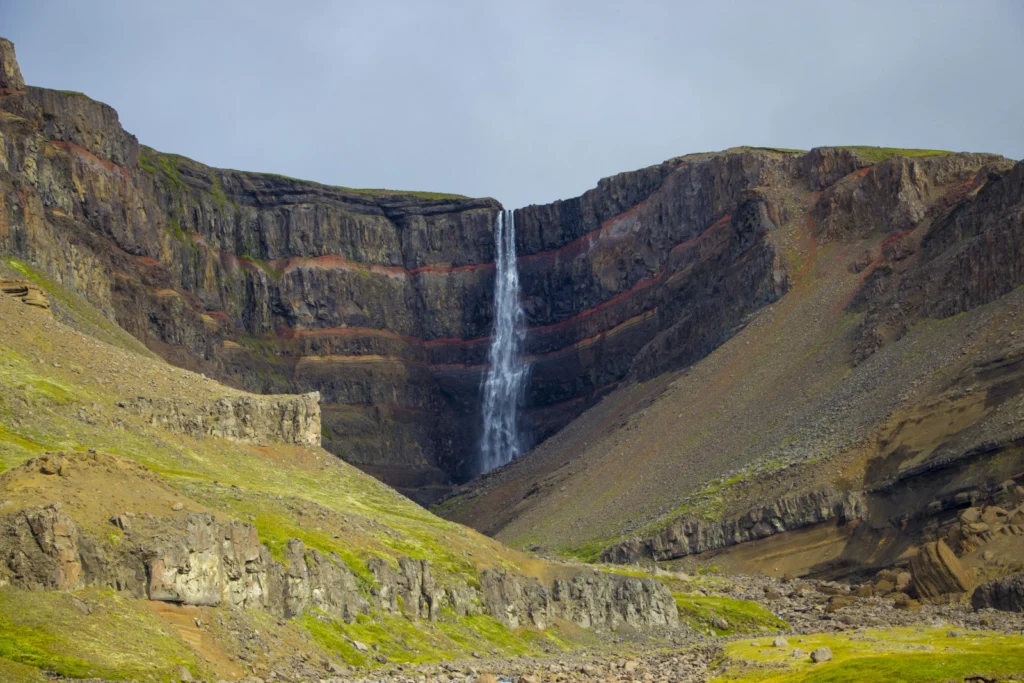
Brekkuselslækur, a small river, carves its way across Iceland’s ancient volcanic landscape. At Hengifoss, Iceland’s third-highest waterfall, it tumbles fiercely down thick, dark layers of lavas erupted from volcanoes some 18 to 2.58 million years ago, during a period of geological time known as the Tertiary. Eruptions are rarely continuous; during hiatuses in the extrusion of lavas, ash is able to ...[Read More]

Imaggeo on Mondays: In the belly of the beast

Imaggeo on Mondays: In the belly of the beast

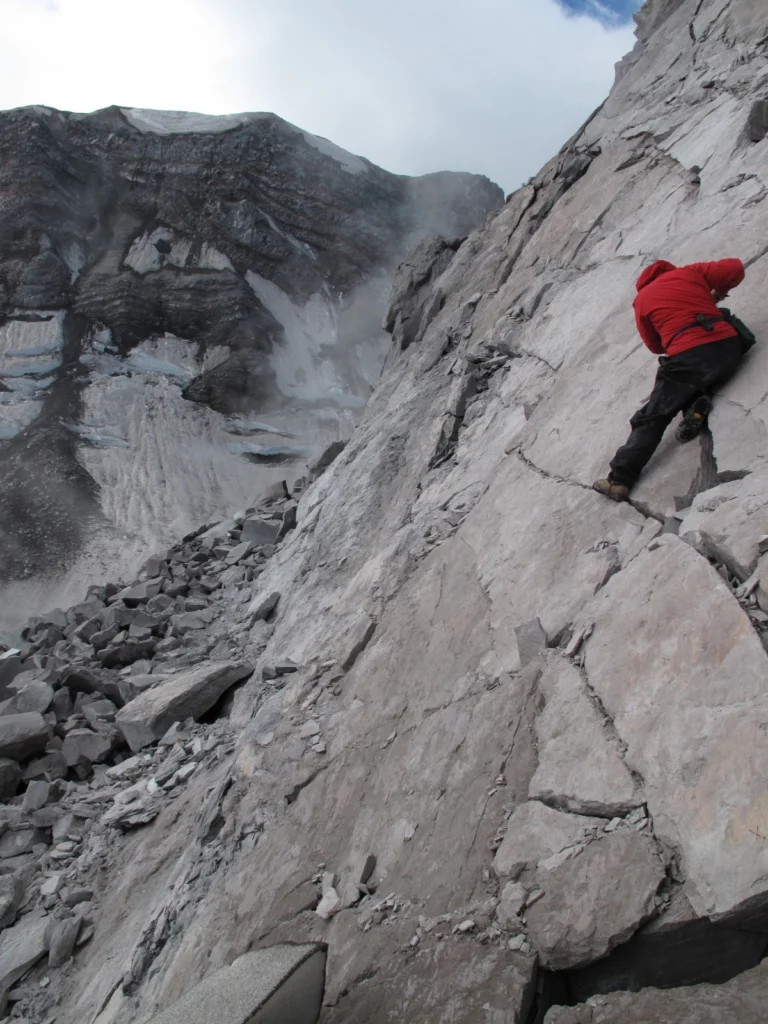
Conducting research inside a volcanic crater is a pretty amazing scientific opportunity, but calling that crater home for a week might just be a volcanologist’s dream come true, as Alexandra postdoctoral researcher at the Institut de Physique du Globe de Strasbourg, describes in this week’s Imaggeo on Mondays. This picture was taken from inside the crater of Mount St Helens, a stratovolcano ...[Read More]

Imaggeo on Mondays: Lava highway in Kanaga Island

Imaggeo on Mondays: Lava highway in Kanaga Island

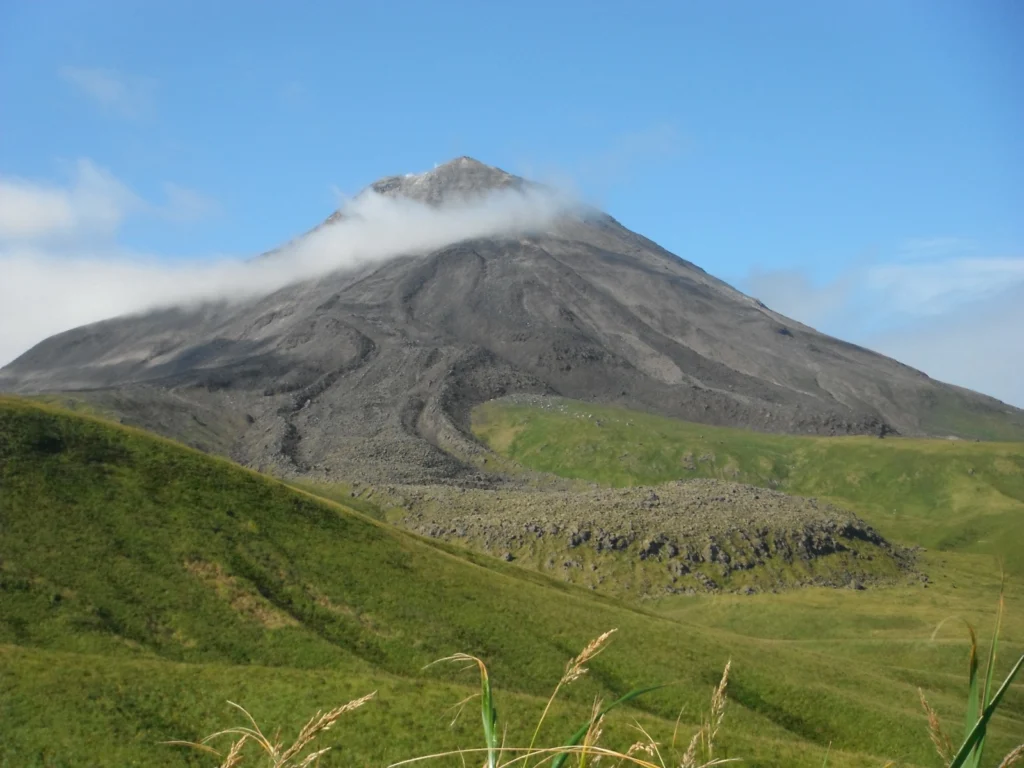
On a rare sunny day, Mattia Pistone (a researcher at the Smithsonian Institution in Washington DC) was able to capture this spectacular shot of Kanaga, a stratovolcano in the remote Western Aleutians, which is usually veiled by thick cloud. The Western Aleutians form a chain of 14 large and 55 small volcanic islands, belonging to one of the most extended volcanic archipelagos on Earth (1900 km), s ...[Read More]

Looking back at the EGU Blogs in 2016: a competition

Looking back at the EGU Blogs in 2016: a competition

The past 12 months has seen an impressive 360 posts published across the EGU’s official blog, GeoLog, as well as the network and division blogs. From a lighthearted Aprils Fools’ Day post featuring an extreme chromatic phenomenon (otherwise known as FIB); through to how climate change is affecting mountain plant’s sex ratios; features on natural hazard events throughout the year and children’s dis ...[Read More]

GeoTalk: Peter Lippert, understanding continental tectonics through palaeomagnetic studies

GeoTalk: Peter Lippert, understanding continental tectonics through palaeomagnetic studies

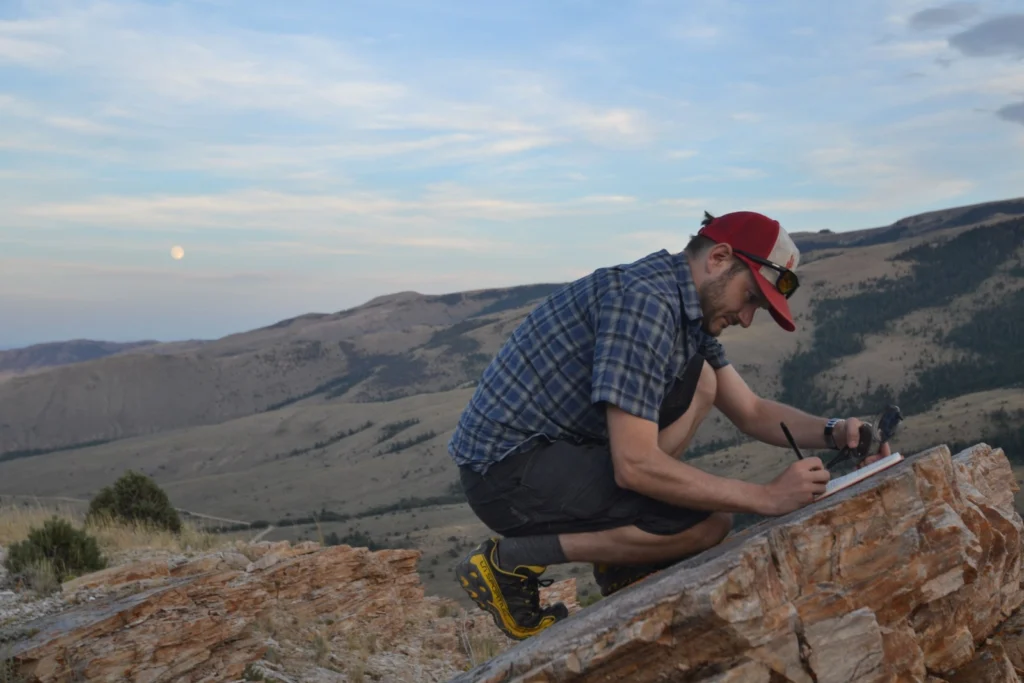
Geotalk is a regular feature highlighting early career researchers and their work. In this interview we speak to Peter Lippert, a palaeomagnetist at the University of Utah, and winner of the 2016 EMRP Outstanding Young Scientist Award. He was granted the award for his contributions to insights into palaeoceanography and continental tectonics through palaeomagnetic studies. Crucially, his work usin ...[Read More]

Imaggeo on Mondays: Gole dell‘ Alcantara

Imaggeo on Mondays: Gole dell‘ Alcantara

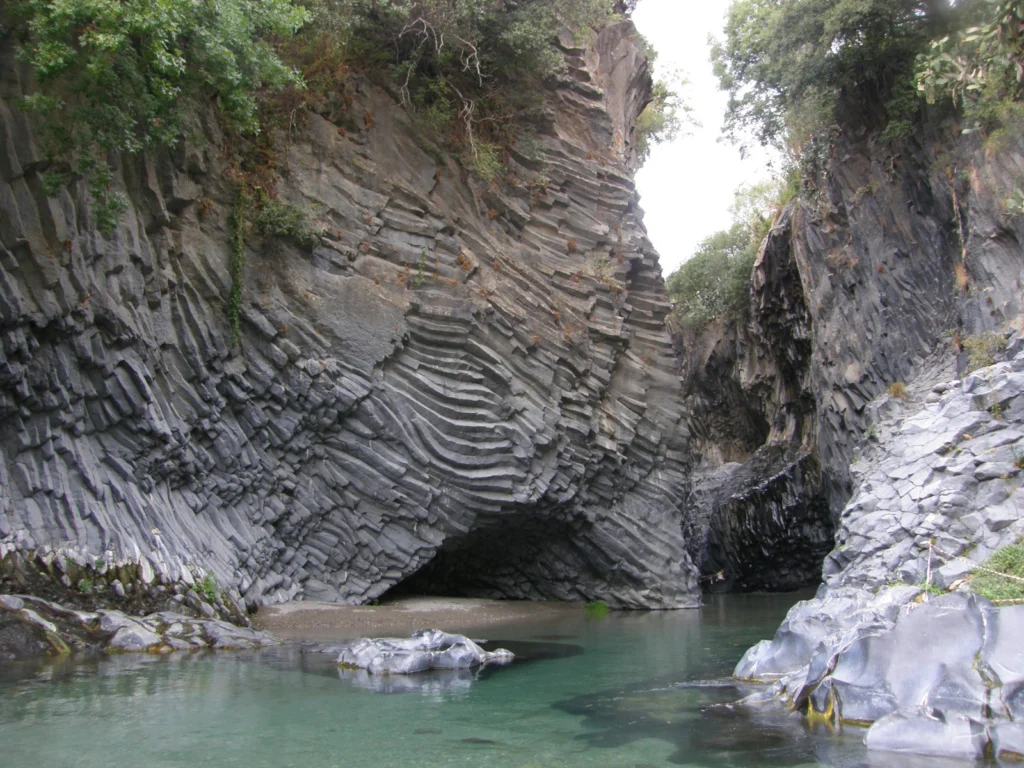
On account of Mount Etna (Europe’s largest volcano), the island of Sicily is peppered with geological wonders. Starting with the summit craters of the volcano itself, right through to over 200 caves formed within lava tubes, the island is packed with volcanic sights.Chief among them is Gole dell ‘Alcantara, a system of gorges formed 8,000 years ago in the course of the river Alcantara ...[Read More]

GeoTalk: Drilling into the crater which contributed to the demise of dinosaurs

GeoTalk: Drilling into the crater which contributed to the demise of dinosaurs

Six months ago, somewhere in the tropical waters off the coast of Mexico, scientists began drilling into one of the most iconic geological features on Earth: the Chicxulub crater; the 66 million year old remnants of a deadly asteroid impact, thought to have contributed to the demise of dinosaurs and most other forms of life which inhabited the Earth at the time. Today we speak to Sonia Tikoo, Assi ...[Read More]

Imaggeo on Mondays: recording the Earth’s magnetic field one grain at a time

Imaggeo on Mondays: recording the Earth’s magnetic field one grain at a time

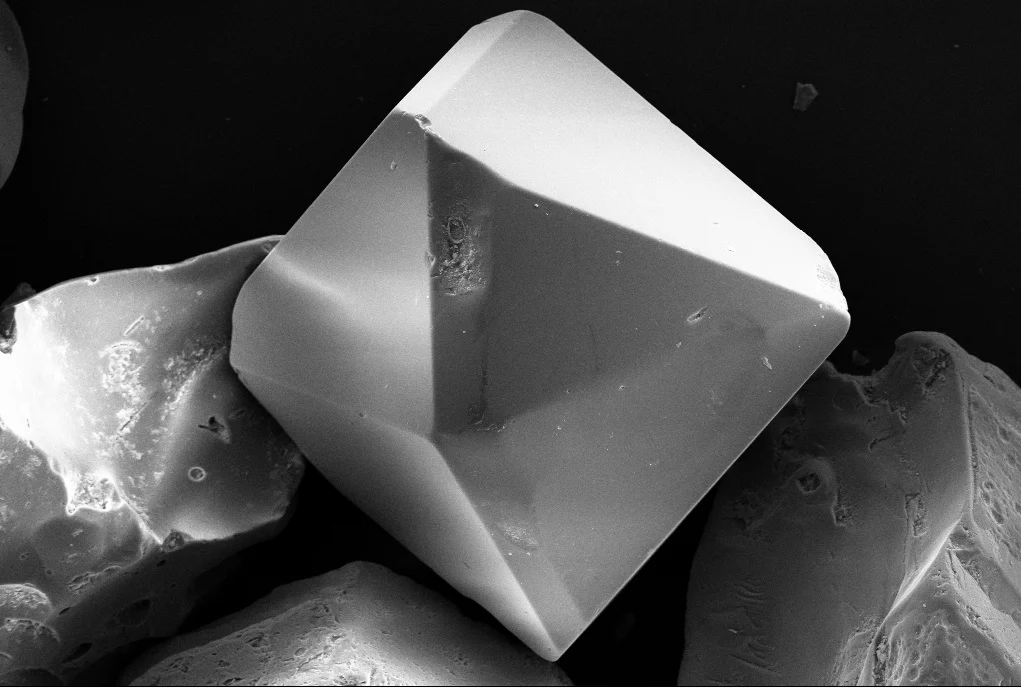
The Earth’s magnetic field extends from the core of the planet, right out to space. It is an invisible, butterfly-like, shield which protects us against the harmful particles ejected by solar flares. In addition, it guards us from atmospheric erosion and water loss caused by solar wind. But how do scientists study the Earth’s magnetic field when it can’t be see? Much of what is known results from ...[Read More]