GeoLog

Climate: Past, Present & Future

Geosciences Column: How climate change put a damper on the Maya civilisation
Geosciences Column: How climate change put a damper on the Maya civilisation
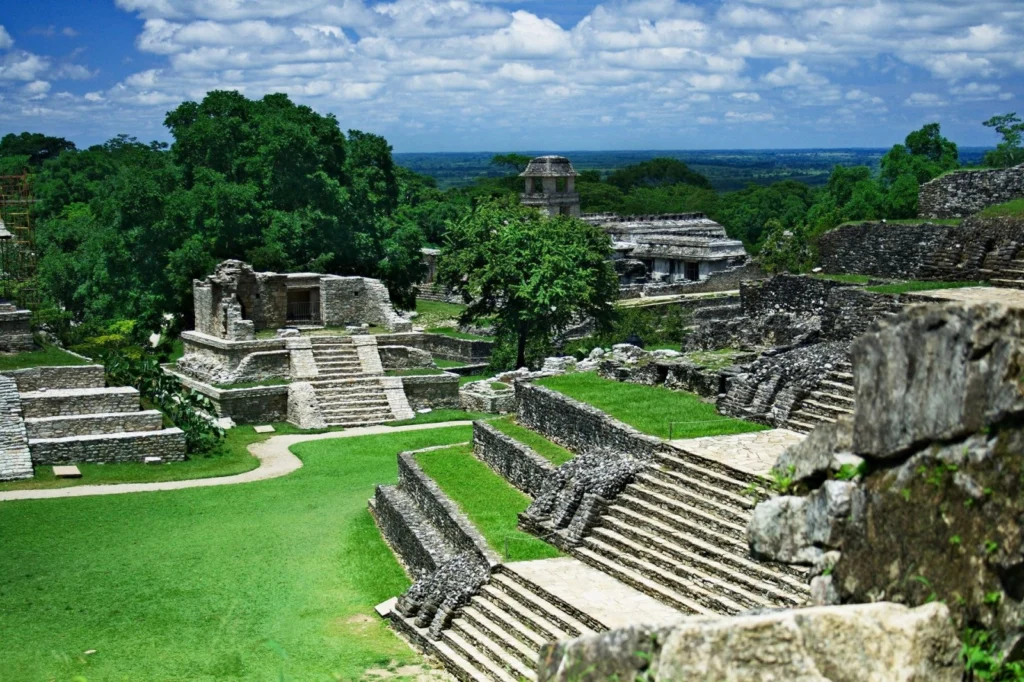
More than 4,000 years ago, when the Great Pyramid of Giza and Stonehenge were being built, the Maya civilisation emerged in Central America. The indigenous group prospered for thousands of years until its fall in the 13th century (potentially due to severe drought). However, thousands of years before this collapse, severely soggy conditions lasting for many centuries likely inhibited the civilisat ...[Read More]

Imaggeo on Mondays: A modern cliff hides ancient dunes

Imaggeo on Mondays: A modern cliff hides ancient dunes

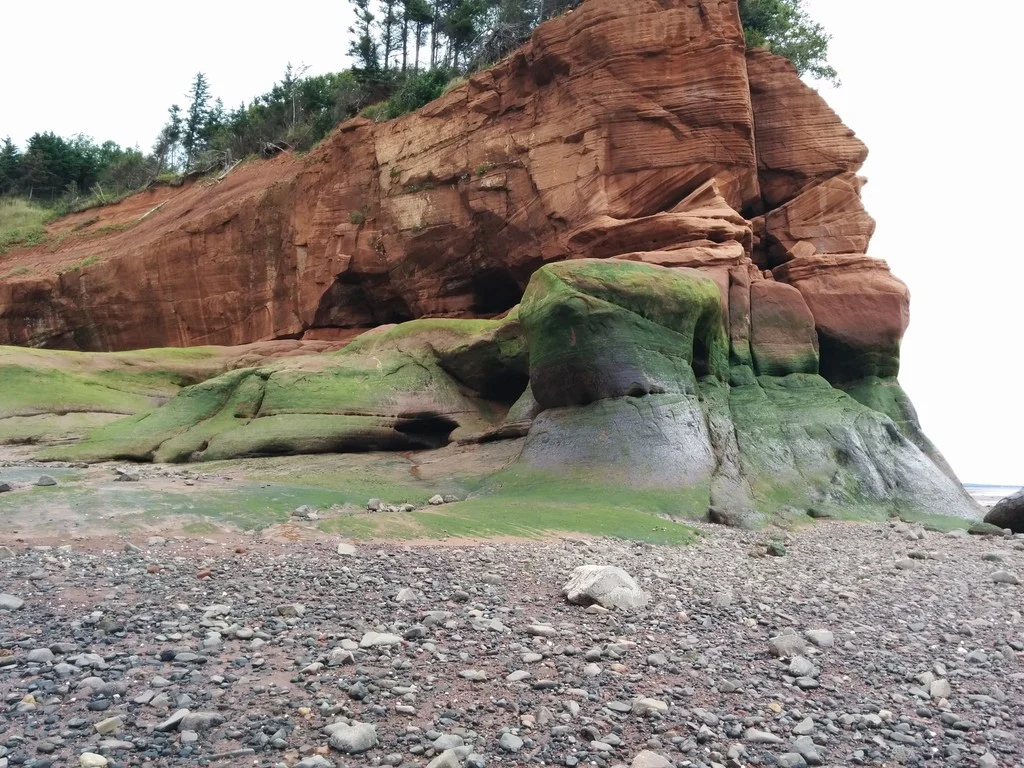
Ancient sand dunes exposed off a cliff face on the shoreline of Nova Scotia at the Islands Provincial Park. The juxtaposition of the high angled strata and flat lying layers above revels the drastic change in climate in Nova Scotia’s history; from vast sand dunes to a calm lake system, and presently the western coastline of the Atlantic Ocean. Description by Robert Wu, as it first appeared o ...[Read More]

September GeoRoundUp: the best of the Earth sciences from around the web

September GeoRoundUp: the best of the Earth sciences from around the web

Drawing inspiration from popular stories on our social media channels, major geoscience headlines, as well as unique and quirky research, this monthly column aims to bring you the latest Earth and planetary science news from around the web. Major stories This month has been a whirlwind of Earth and space science news; the majority focusing on natural hazards. Powerful cyclones, earthquakes, and ts ...[Read More]

How to forecast the future with climate models

How to forecast the future with climate models

Our climate is constantly changing, and with the help of simulation modelling, scientists are working hard to better understand just how these conditions will change and how it will affect society. Science journalist Conor Paul Purcell has worked on Earth System Models during his time as a PhD student and postdoctoral researcher; today he explains how scientists use these models as tools to foreca ...[Read More]

Living in a new Age

Living in a new Age

If you were suddenly told you were living in a different time period, what would your immediate reaction be? Changes in the calendar – even if it’s just terminology – have proven emotive in the past. In 1752, when England shifted from the Julian to Gregorian calendars, and 11 days were cut from 1752 to catch up, there are suggestions that civil unrest ensued. Once again, the name of the period in ...[Read More]

Imaggeo on Mondays: The ancient guard of Altai

Imaggeo on Mondays: The ancient guard of Altai

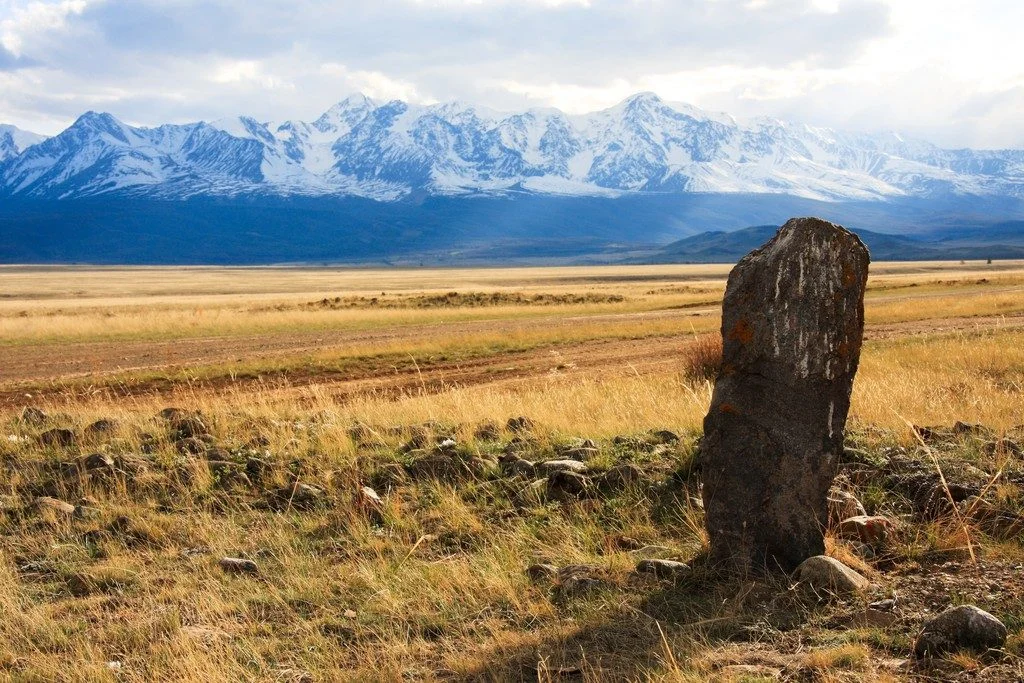
In the heart of Eurasia, an ancient stone statue overlooks the expanse of the Kurai Valley and the Altai Mountains in Russia. This relic was crafted more than a thousand years ago, sometime during the 6th or 7th century. A Turkish clan that inhabited the region, known as the First Turkic Khaganat, would often erect stones as monuments of funeral rituals. Natalia Rudaya, who took this photograph, i ...[Read More]

August GeoRoundUp: the best of the Earth sciences from around the web

August GeoRoundUp: the best of the Earth sciences from around the web

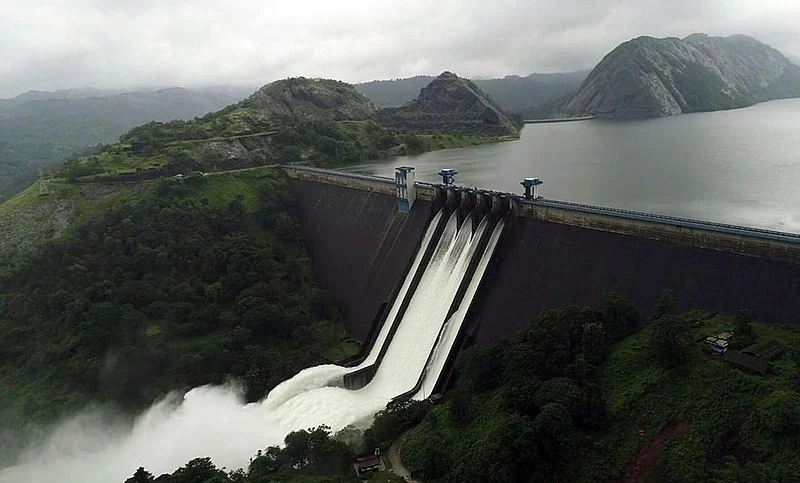
Drawing inspiration from popular stories on our social media channels, major geoscience headlines, as well as unique and quirky research, this monthly column aims to bring you the latest Earth and planetary science news from around the web. Major story The south Indian state of Kerala has suffered unusually heavy monsoon rainfall this month, triggering the worst flooding the state has seen in more ...[Read More]

Imaggeo on Mondays: Bristlecone pines, some of Earth’s oldest living life forms

Imaggeo on Mondays: Bristlecone pines, some of Earth’s oldest living life forms

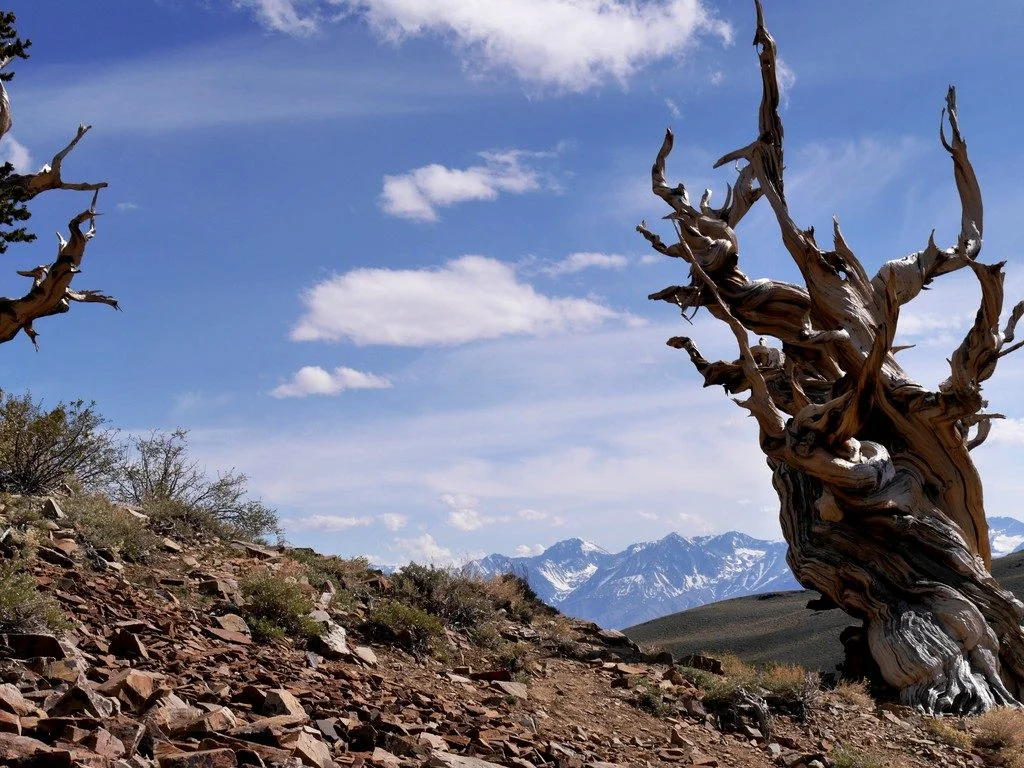
About 5,000 years ago, the ancient city Troy was founded, Stonehenge was under construction, and in the rugged Sierra Nevada mountain range, groves of bristlecone pine seedlings began to take root. Many of these pines are still alive today, making them the world’s oldest known living non-clonal life forms. Raphael Knevels, a PhD student from the Friedrich-Schiller-University’s Department of Geogra ...[Read More]

Imaggeo on Mondays: Antarctic winds make honeycomb ice

Imaggeo on Mondays: Antarctic winds make honeycomb ice

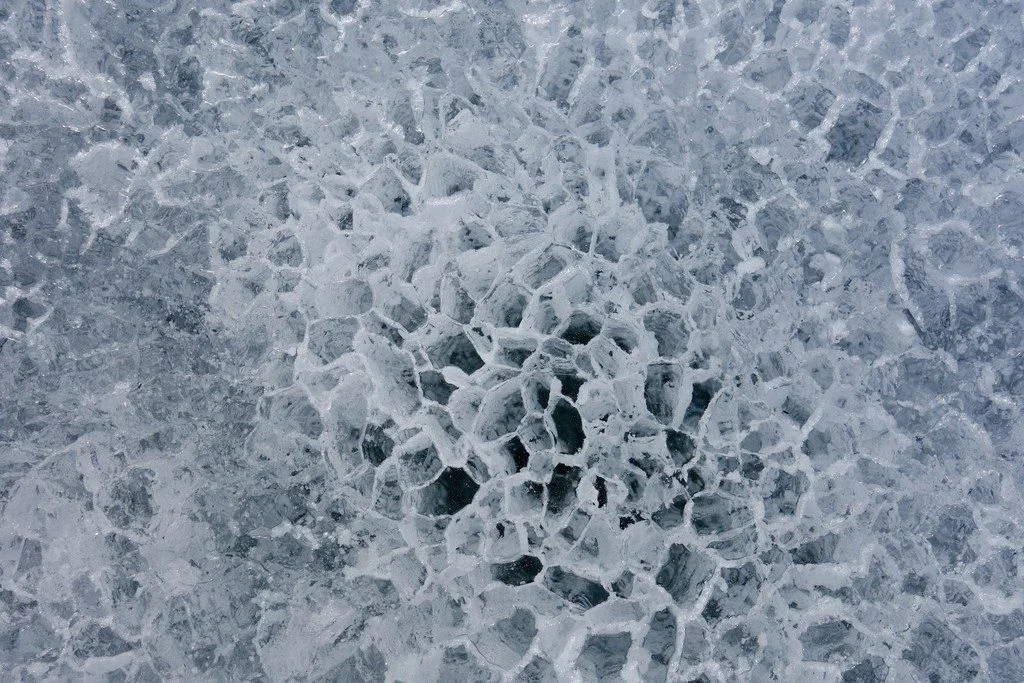
These delicate ice structures may look like frozen honeycombs from another world, but the crystalline patterns can be found 80 degrees south, in Antarctica, where they are shaped by the white continent’s windy conditions. In Western Antarctica is a 9-kilometre line of rocky ridges, called Patriot Hills. Often cold wind furiously descends from the hills across Horseshoe Valley glacier, sculpting do ...[Read More]

An overnight train view of China’s Anthropocene – Part 2

An overnight train view of China’s Anthropocene – Part 2

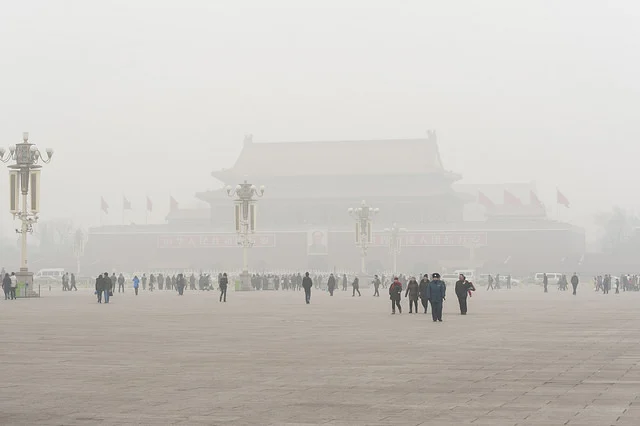
Science fiction is no match for industrial non-stop China. Electric bikes zip across the cities of Shanghai and Beijing, and soundtrack the neon nights with their passing whirr. Here, some kind of two-wheeled revolution has taken place which are we completely unaware of in the West. It’s Blade Runner meets Total Recall in a future which has already come to pass. The very existence of our ele ...[Read More]