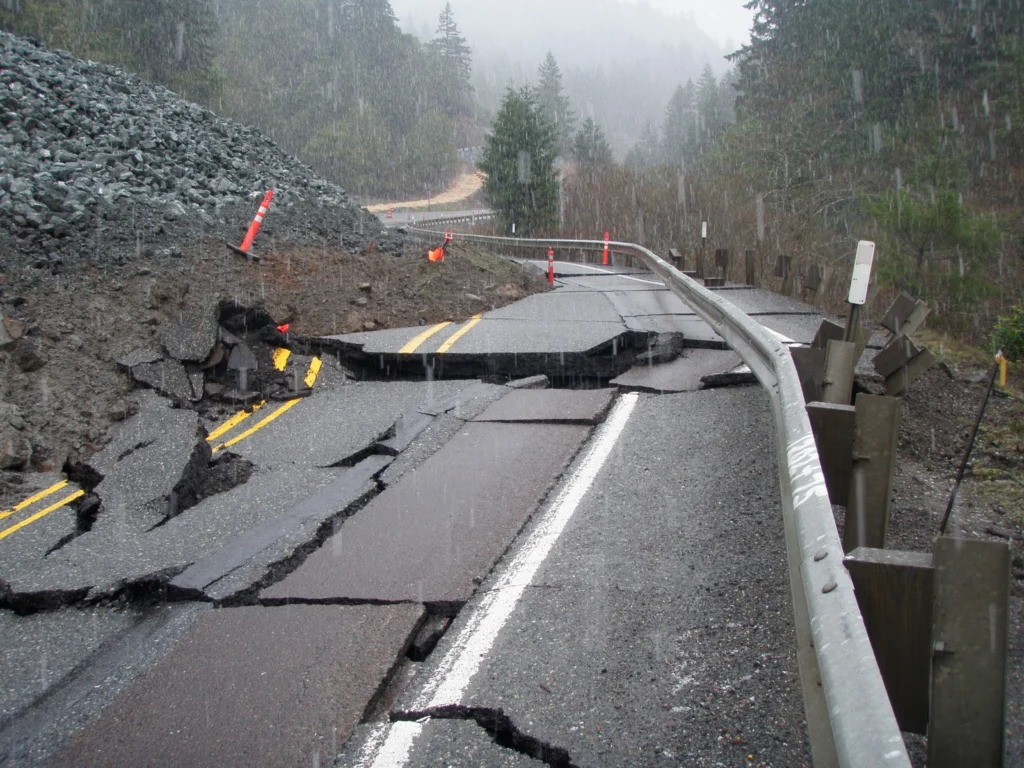
If your morning commute is already frustrating, get ready to buckle up. Our climate is changing, and that may increasingly affect some of central Europe’s major roads and railways, according to new research published in the EGU’s open access journal Natural Hazards and Earth System Sciences. The study found that, in the face of climate change, landslide-inducing rainfall events will increase in fr ...[Read More]
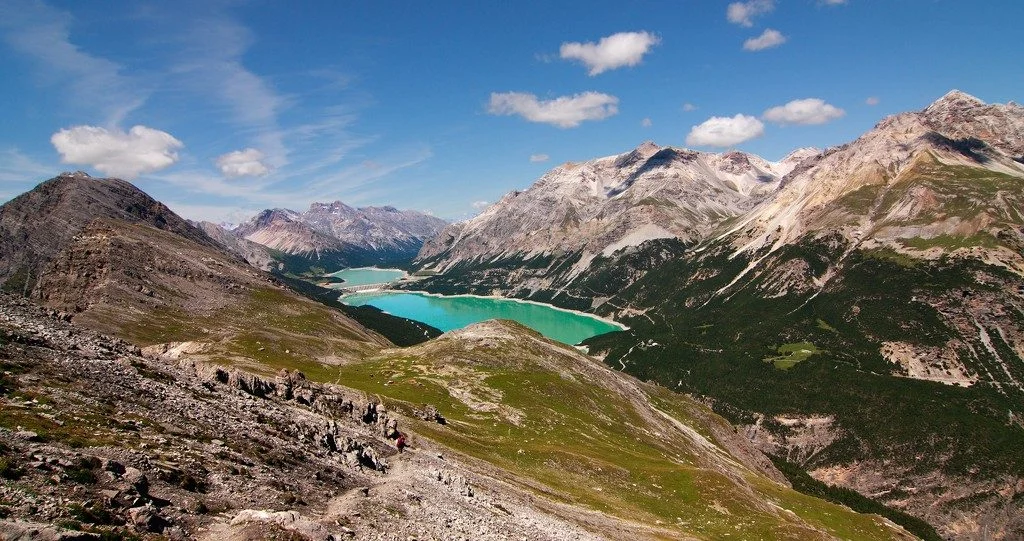
Imaggeo On Mondays: Reservoir in the Italian Alps
Mountain natural streams and reservoirs have a relevant hydrological and ecological importance since they represent reliable sources of freshwater supply to lowland regions and high-quality habitats for fish and cold-water communities. Moreover, streams in mountain environments are of significant importance for users in several socio-economic sectors, such as agriculture, tourism and hydropower. G ...[Read More]
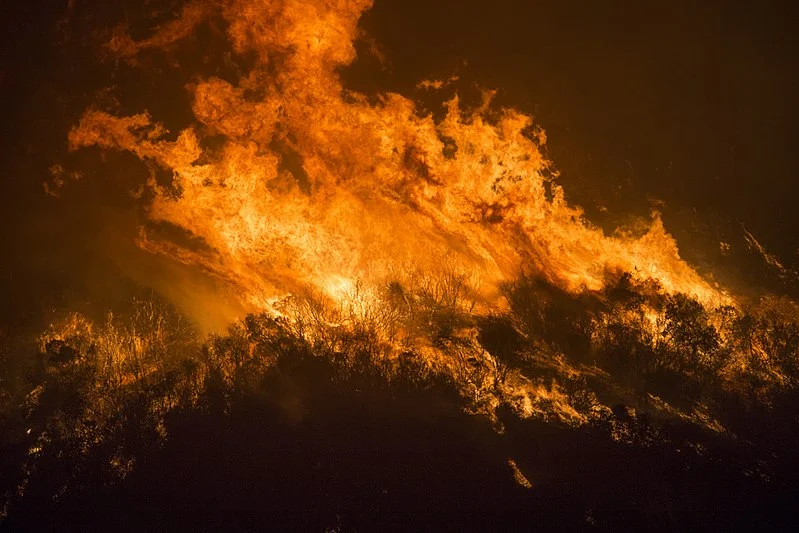
Wildfires in the wake of climate change
Last year saw some of the biggest blazes in history, and may be a sign of things to come. 2017 was a record year for wildfires. California and neighboring western states saw the most destructive fire in US history, with an estimated 18 billion dollars worth of damage over the season. In central Portugal, fires caused 115 deaths over the same period. Researchers presenting at a press conference at ...[Read More]
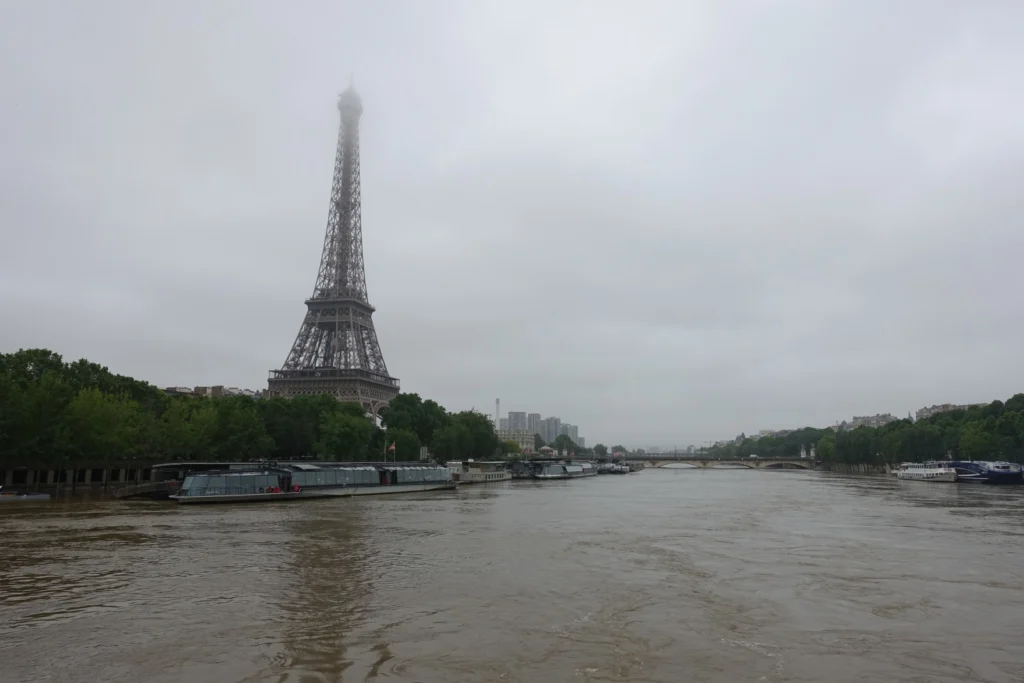
A flood of attention: extreme weather and digital media
In June 2016, Paris was transformed. The River Seine burst its banks, submerging some of the nearby roads; floodwater lapped at the tops of street lamps and traffic lights. The event marked the the worst flooding in Paris for more than 30 years. When a flood event hits a major city, numerous researchers are keen to collect data for their work. However, Rosa Vicari, a PhD student at the the École d ...[Read More]
Geosciences Column: The science behind snow farming
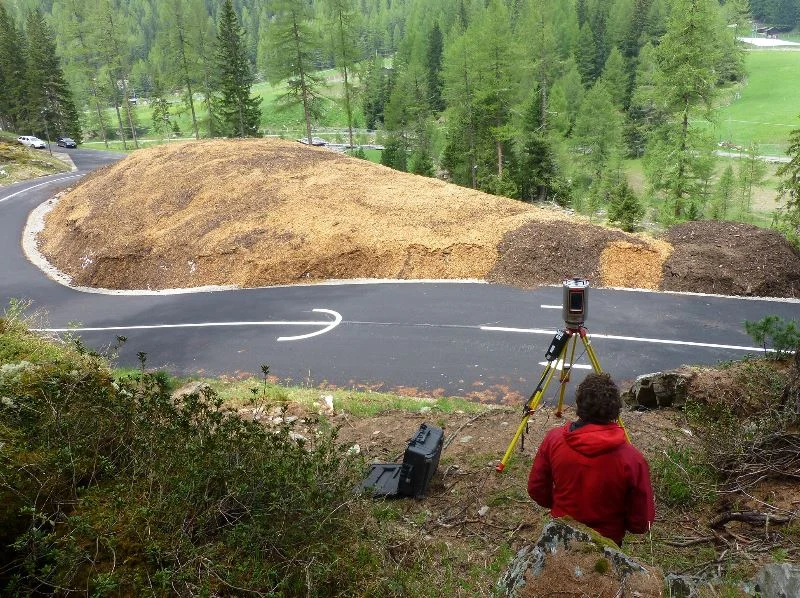
For roughly the last decade, some ski resorts and other winter sport facilities have been using a pretty unusual method to ensure white slopes in winter. It’s called snow farming. The practice involves collecting natural or artificially made snow towards the end of winter, then storing the frozen mass in bulk over the summer under a thick layer of sawdust, woodchips, mulch, or other insulating mat ...[Read More]
February GeoRoundUp: the best of the Earth sciences from across the web
Drawing inspiration from popular stories on our social media channels, as well as unique and quirky research news, this monthly column aims to bring you the best of the Earth and planetary sciences from around the web. Major stories The biggest story in Europe right now is the bone-chilling cold snap sweeping across the continent. This so-called ‘Beast from the East’ sharply contrasts with the Arc ...[Read More]
Geosciences Column: How fast are Greenland’s glaciers melting into the sea?
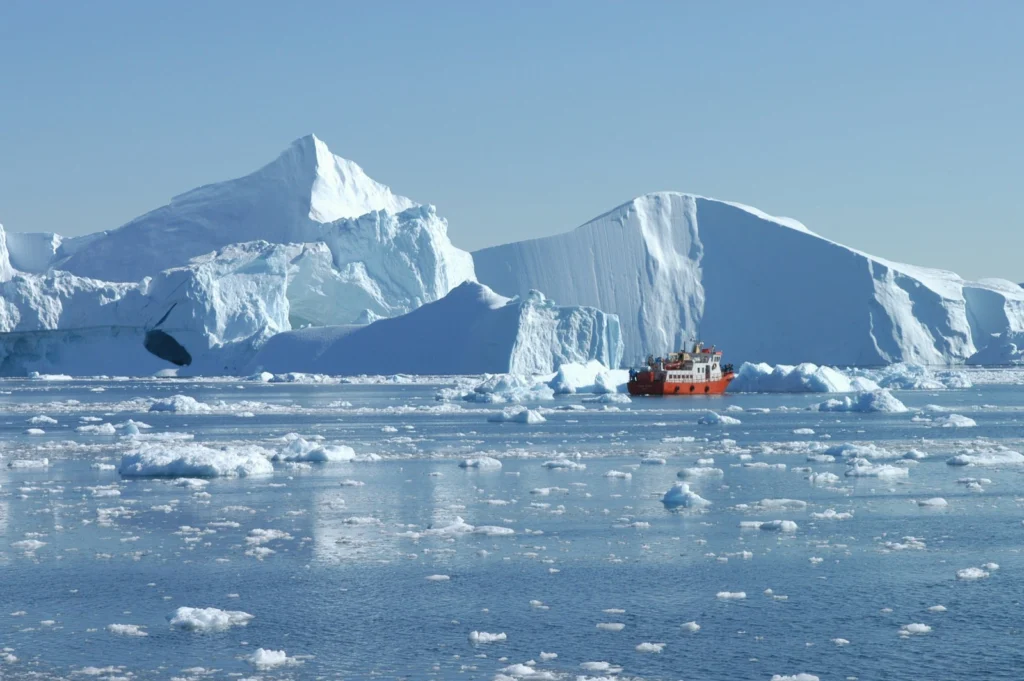
The Greenland ice sheet is undergoing rapid change, and nowhere more so than at its margins, where large outlet glaciers reach sea level. Because these glaciers are fed by very large reservoirs of ice, they don’t just flow to the coast, but can extend many kilometres out into the ocean. Here, the ice – being lighter than water – will float, but remain connected to the ice on the mainland. This phe ...[Read More]
Geosciences Column: The hunt for Antarctica’s oldest time capsule
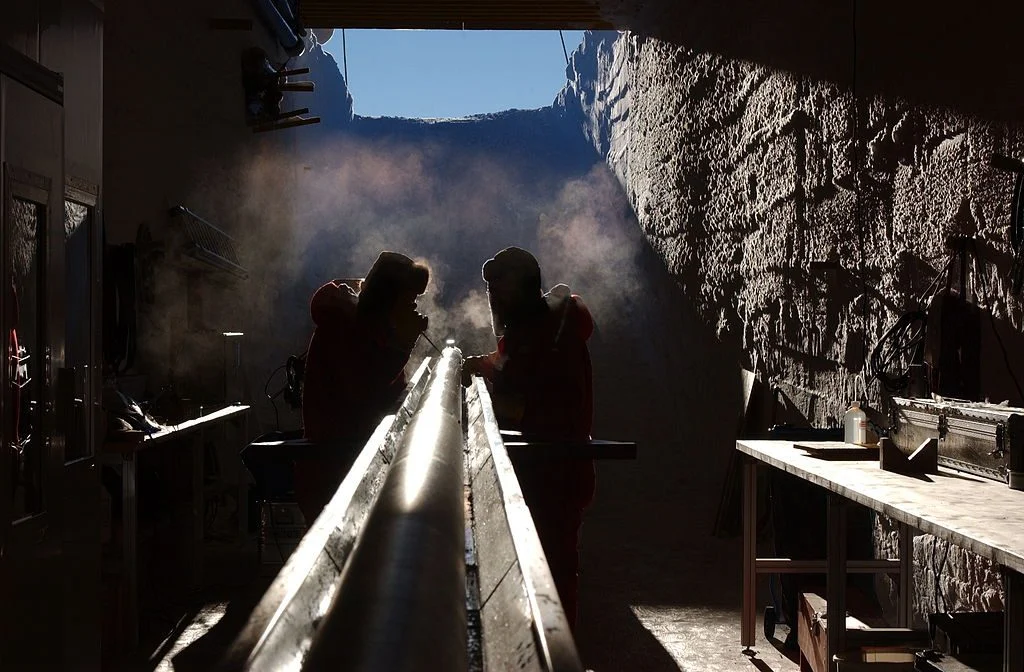
The thick packs of ice that pepper high peak of the world’s mountains and stretch far across the poles make an unusual time capsule. As it forms, air bubbles are trapped in the ice, allowing scientists to peer into the composition of the Earth’s atmosphere long ago. Today’s Geosciences Column is brought to you by PhD researcher Ruth Amey, who writes about recently published resea ...[Read More]
Communicating Antarctic science…in the Antarctic
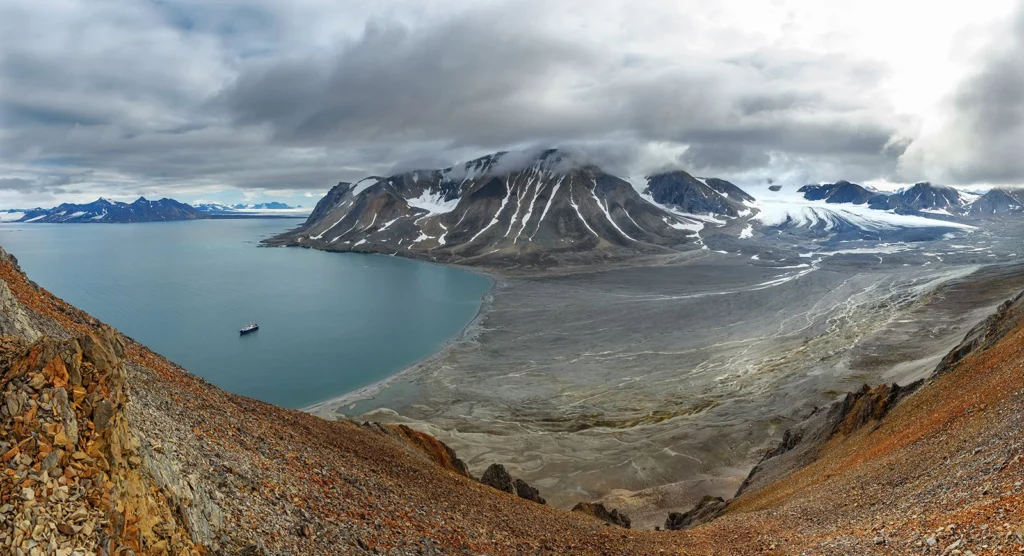
Communicating the fragility of one of Earth’s remotest environments is hugely difficult, precisely due to the location of the poles. Jon Fuhrmann, a freelance science writer and guide on Antarctic cruises, discusses the potential benefits of taking tourists to these once inaccessible locations, especially when it comes to making members of the public aware of the challenges faced by the Eart ...[Read More]
Imaggeo on Mondays: The best of imaggeo in 2017
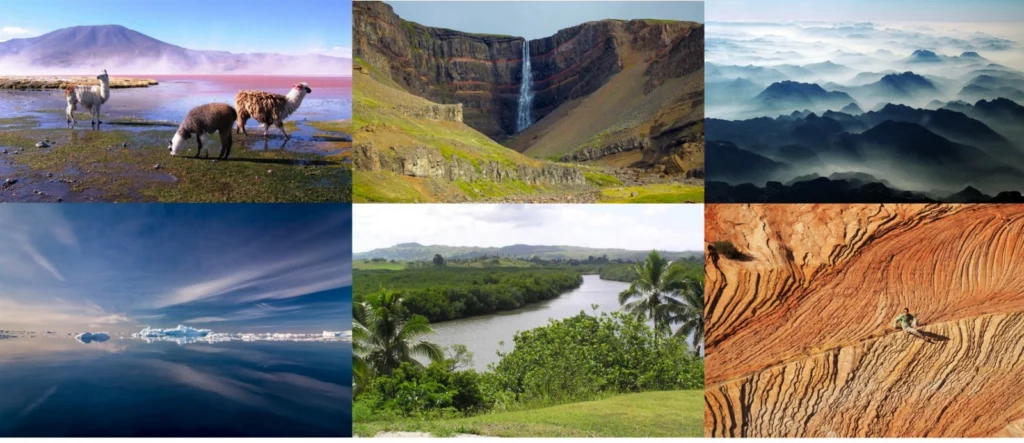
Imaggeo, our open access image repository, is packed with beautiful images showcasing the best of the Earth, space and planetary sciences. Throughout the year we use the photographs submitted to the repository to illustrate our social media and blog posts. For the past few years we’ve celebrated the end of the year by rounding-up some of the best Imaggeo images. But it’s no easy task to pick which ...[Read More]