GeoLog

Climate: Past, Present & Future

July GeoRoundUp: the best of the Earth sciences from around the web
July GeoRoundUp: the best of the Earth sciences from around the web
Drawing inspiration from popular stories on our social media channels, major geoscience headlines, as well as unique and quirky research, this monthly column aims to bring you the latest Earth and planetary science news from around the web. Major story The world soaks up the sun This summer our planet experienced the hottest June in recorded history, with the average global temperature reaching 16 ...[Read More]

Imaggeo on Mondays: Our QUEST for innovative tools to understand changing environments and climates

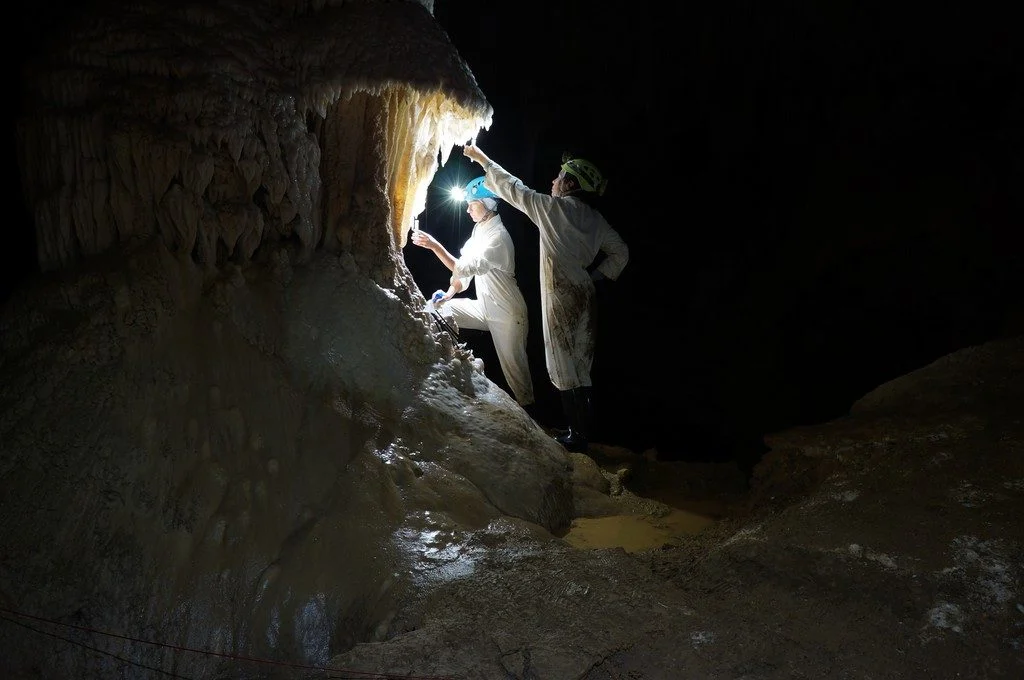
Imaggeo on Mondays: Our QUEST for innovative tools to understand changing environments and climates

The photo shown here shows typical sampling work underground. You can see Ola Kwiecien and Cinthya Nava Fernandez, researchers at Ruhr University Bochum in Germany, collecting dripwater in New Zealand’s Waipuna Cave as part of a four-year EU-funded monitoring programme. Our research aims at developing innovative geochemical indicators that we can use to quantify changes in the hydrological system ...[Read More]

Imaggeo on Mondays: Sand and snow on the Tibetan Plateau

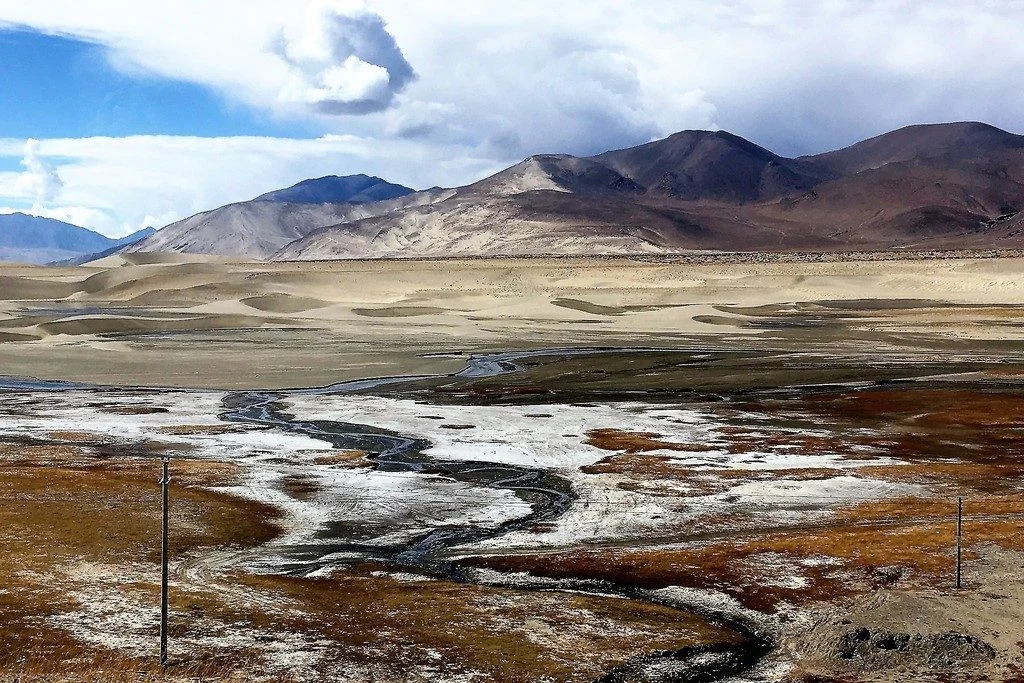
Imaggeo on Mondays: Sand and snow on the Tibetan Plateau

Roughly 50 million years ago, the Eurasian and Indian continental plates began to crash into each other, dramatically changing the landscape of modern-day Asia. The force of the collision caused the Earth to scrunch together at the zone of impact, subsequently forming the Himalayan mountain range. However, to the north of the crash, a stretch of the Earth uplifted without bunching up or wrinkling; ...[Read More]

Geosciences Column: climate modelling the world of Game of Thrones

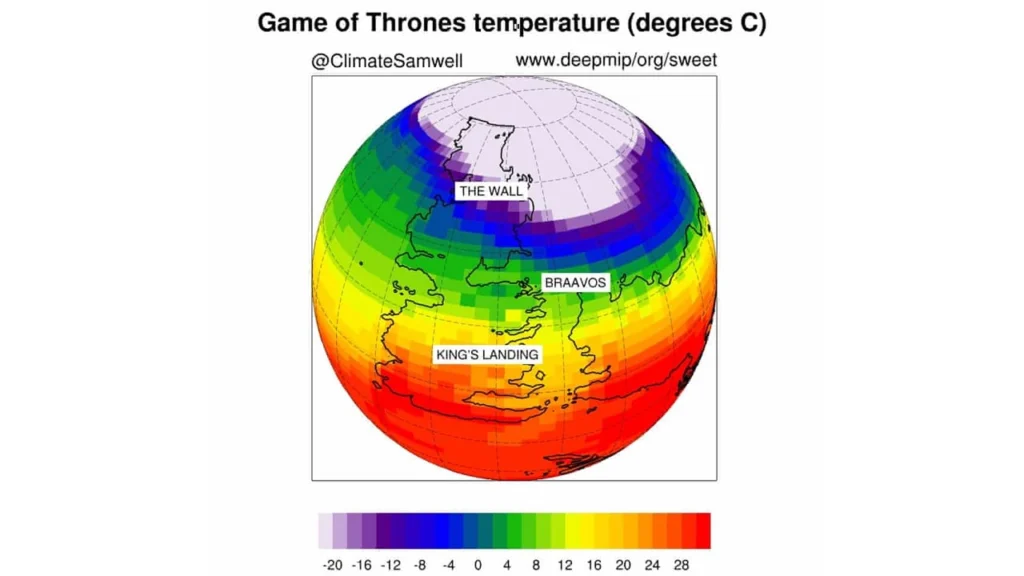
Geosciences Column: climate modelling the world of Game of Thrones

Disclaimer: This article contains minor spoilers for Season 8 of “Game of Thrones.” A basic understanding of the world of Game of Thrones is assumed in this post. The Game of Thrones world of ice and fire is an unpredictable place both politically and environmentally. While the fate of the Iron Throne is yet to be confirmed, a humble steward has been working diligently to make some sense of the pl ...[Read More]

April GeoRoundUp: the best of the Earth sciences from the 2019 General Assembly

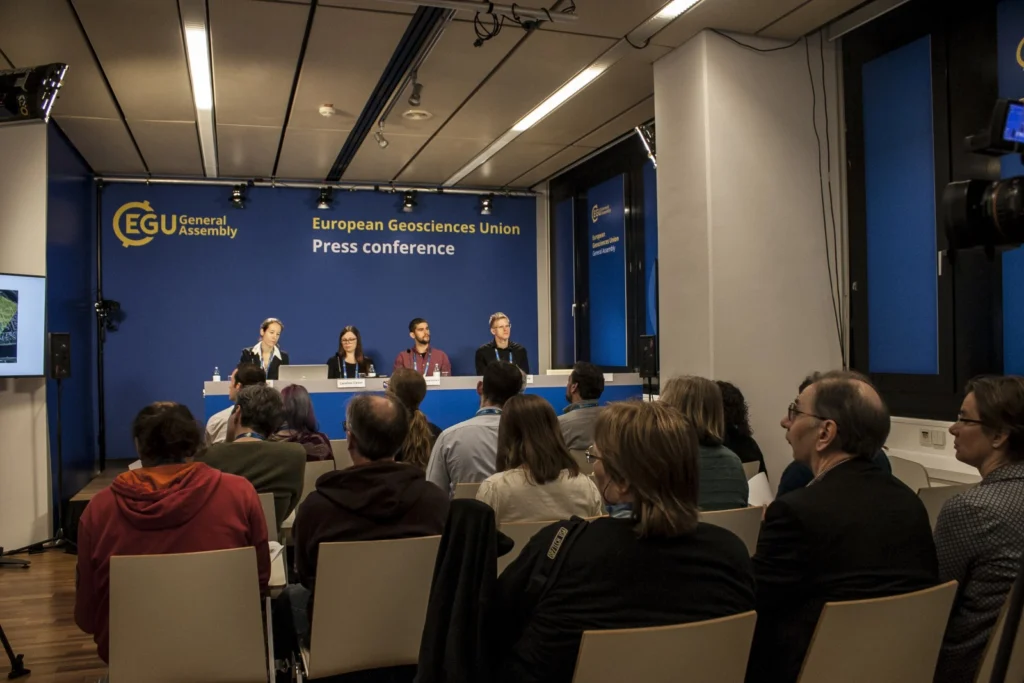
April GeoRoundUp: the best of the Earth sciences from the 2019 General Assembly

The EGU General Assembly 2019 took place in Vienna last month, drawing more than 16,000 participants from 113 countries. This month’s GeoRoundUp will focus on some of the unique and interesting stories that came out of research presented at the Assembly! Major Stories Glacial disappearing act in the European Alps New research from a team of scientists estimated the future of all glaciers within th ...[Read More]

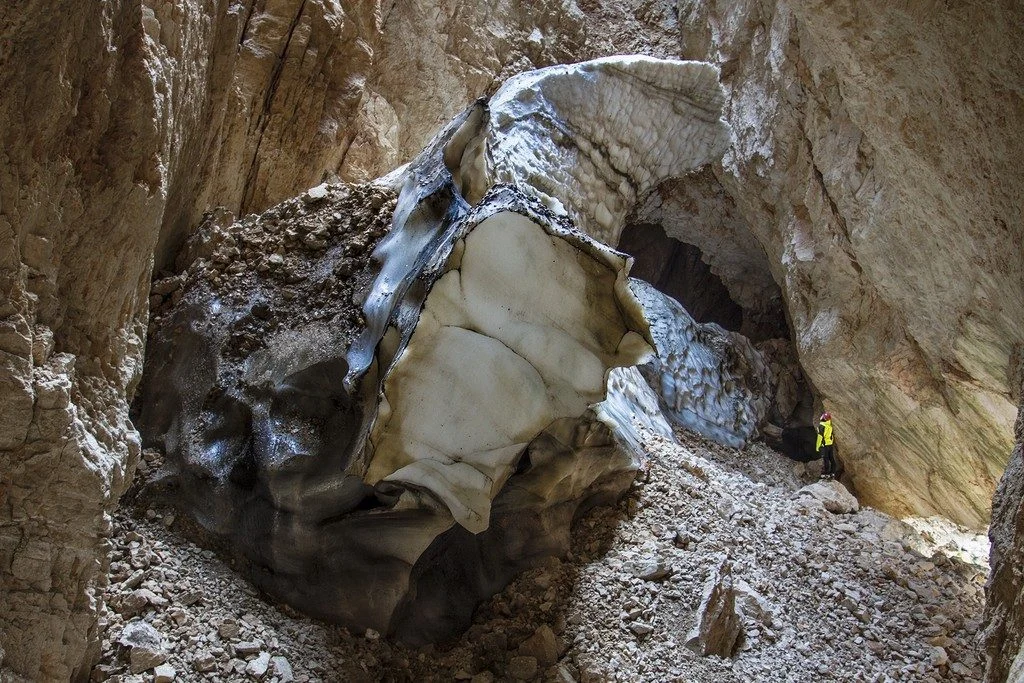
Imaggeo on Mondays: Exploring the underground cryosphere

Imaggeo on Mondays: Exploring the underground cryosphere

The winter season is a good time to take advantage of cold weather activities, whether that’s hitting the ski slopes or warming up by a fire, but for Renato R. Colucci, it’s also one of the best time’s to study the Earth’s underground cryosphere. Colucci, who took this featured photograph, is a researcher at Italian Institute for Marine Sciences (ISMAR) of the National Research Council (CNR) and i ...[Read More]

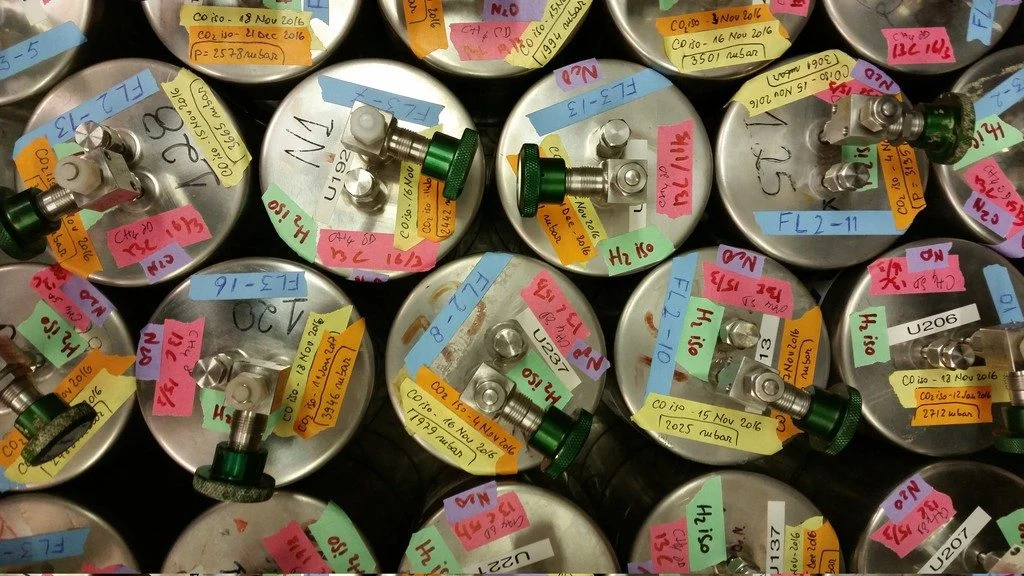
Imaggeo on Mondays: Air samples from afar

Imaggeo on Mondays: Air samples from afar

I’ve taken many photos on fieldwork, everywhere from Malaysia to Antarctica but this particular photo was taken in my ‘home’ lab at the University of East Anglia (UEA) in Norwich, UK. Atmospheric scientists collect air samples canisters such as these from around the world: from high altitude research aircraft (such as the Geophysica), long-term measurement time series (such as Ca ...[Read More]

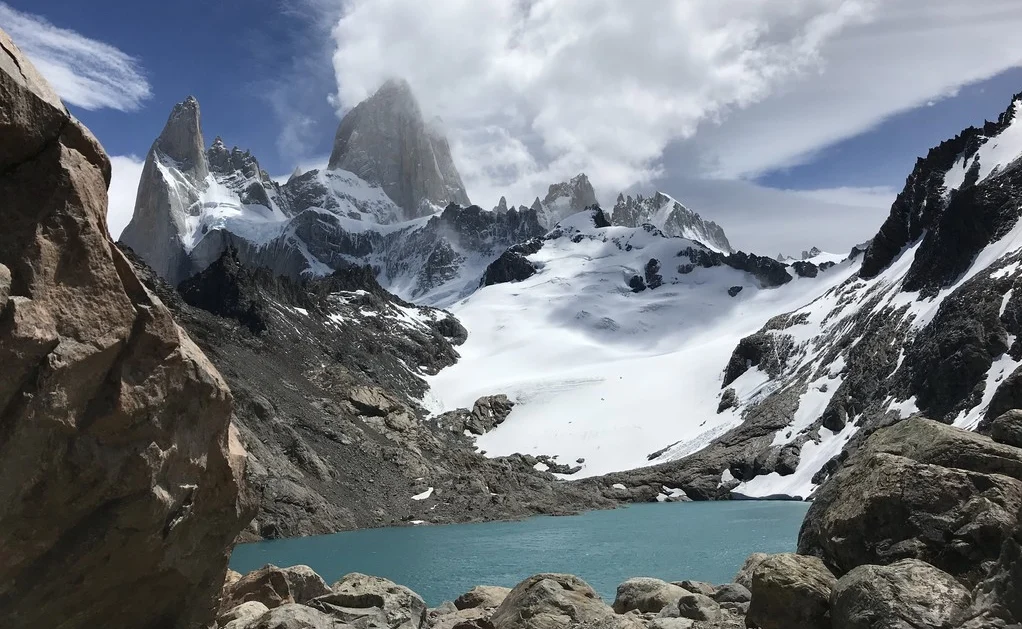
Imaggeo on Mondays: The changing landscape of Patagonia

Imaggeo on Mondays: The changing landscape of Patagonia

Pictured here is a snapshot of an environment in transition. Today’s featured photo was taken at the foot of Monte Fitz Roy, a jagged Patagonia mountain located in Los Glaciares National Park on the border between Argentina and Chile. The Patagonia region in South America is the second biggest source of glaciers in the southern hemisphere, behind Antarctica, but the region is losing ice at a rapid ...[Read More]

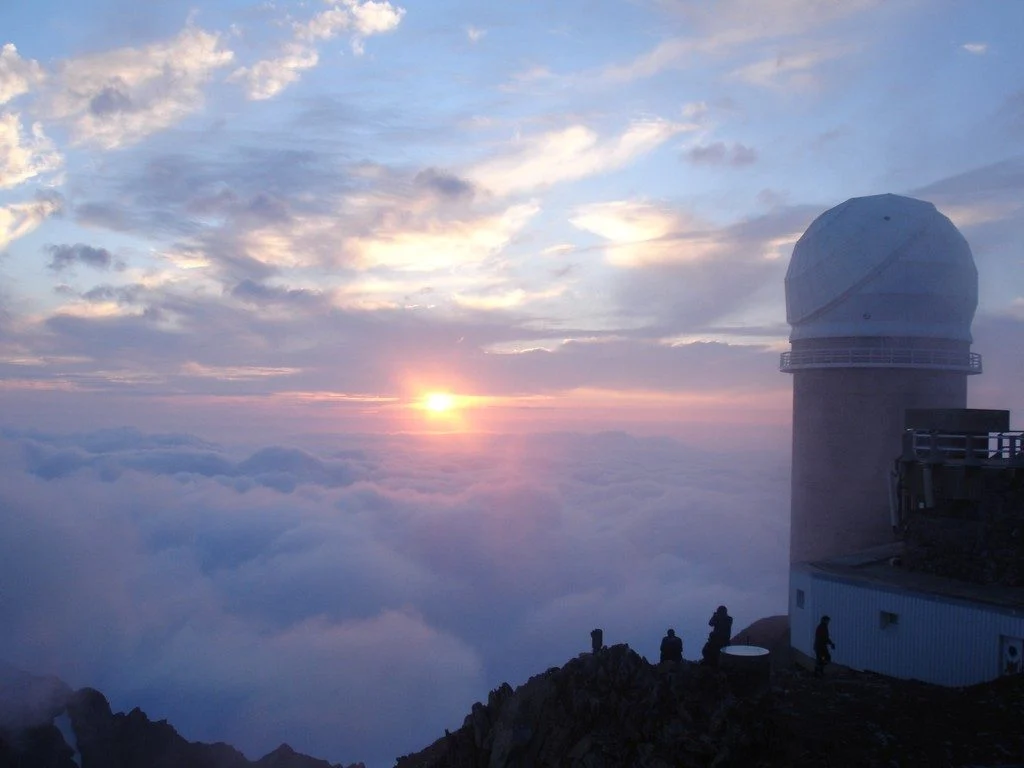
Imaggeo on Mondays: A pink and blue evening

Imaggeo on Mondays: A pink and blue evening

At sunset, the light travels a longer path in the atmosphere to reach our eyes than when the sun is high in the sky. At this time of the day, the light is more subject to scattering, as it interacts with more air (molecules and particles) before reaching our eyes, which explains why the sun is much less luminous and can be observed directly without being dazzled. The sun appears redder because amo ...[Read More]