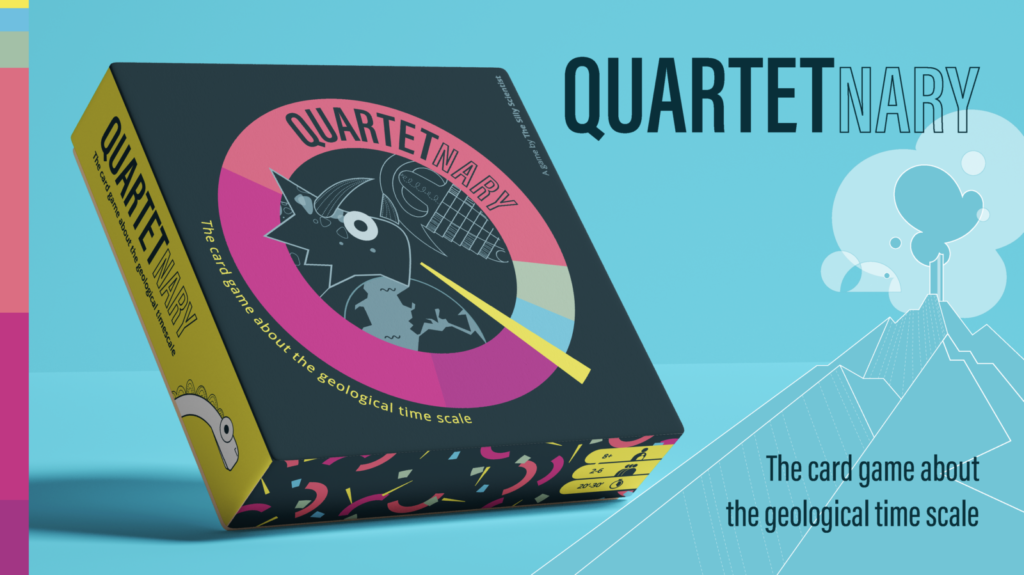
QUARTETnary is an educational card game about the geological time scale. Consisting of 60 beautifully illustrated cards, QUARTETnary explores the events in Earth’s history: from dinosaurs to humans and from the formation of the Alps to the formation of the Himalayas. It was designed by Iris van Zelst (me! Your fabulous former Editor-in-Chief), and illustrated …[Read More]
Geodynamics
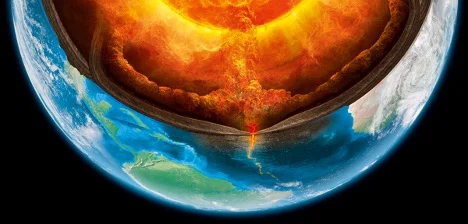
Regional viscosity variations in Earth’s mantle
For understanding the dynamics and evolution of the Earth’s mantle, knowledge of mantle’s viscosity structure is very important. In this week’s blog, Kenneth Gourley from University of Arizona discusses the variation of viscosity structure in Earth’s mantle in regional scale. In order to understand the dynamics and evolution of the Earth’s mantle, geodynamicists model mantle …[Read More]
The Sassy Scientist – Funding the Abyss
Has the ocean temperature risen again? Are you tired of dressing like an onion to adapt to 15 degrees of change in a day? Here we have a cooling question. Peter asks: If you had infinite funding, what would you do? Dear Peter, If I had infinite funding, you’d find me setting up my new …[Read More]
Geotandem: The Red Planet, often recognized as a dead planet, is not quite dead after all, at least geodynamically speaking
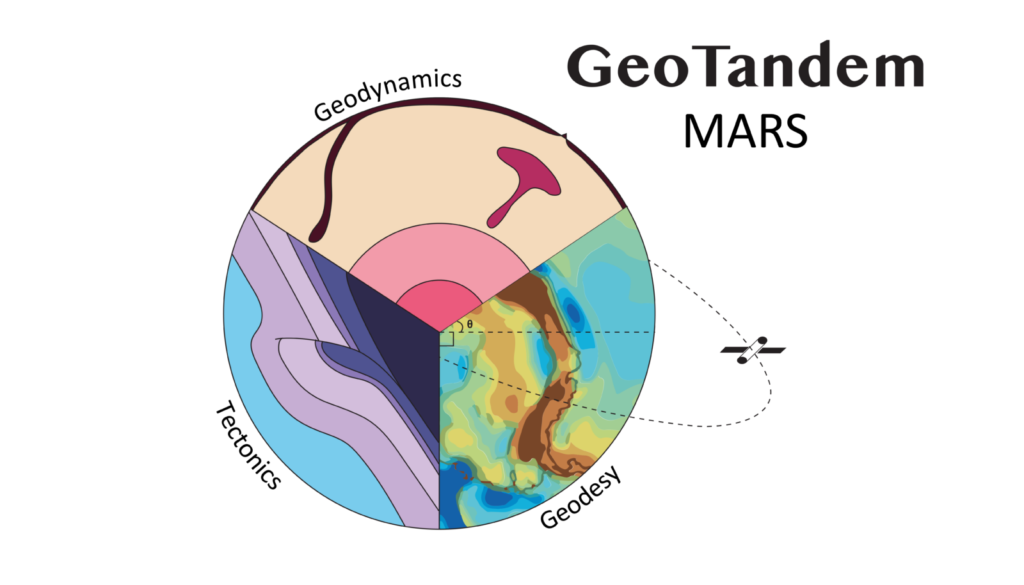
Welcome to the first of its kind, the Geotandem 01! A collaborative series between EGU divisions. Interdisciplinarity is intrinsic to Geosciences, so we want to showcase how researchers approach the same topics from different but also complementing perspectives. In each edition, we will bring you a high-interest topic for the community seen from the eyes …[Read More]
H2 production associated with mantle wedge hydration in subduction zones
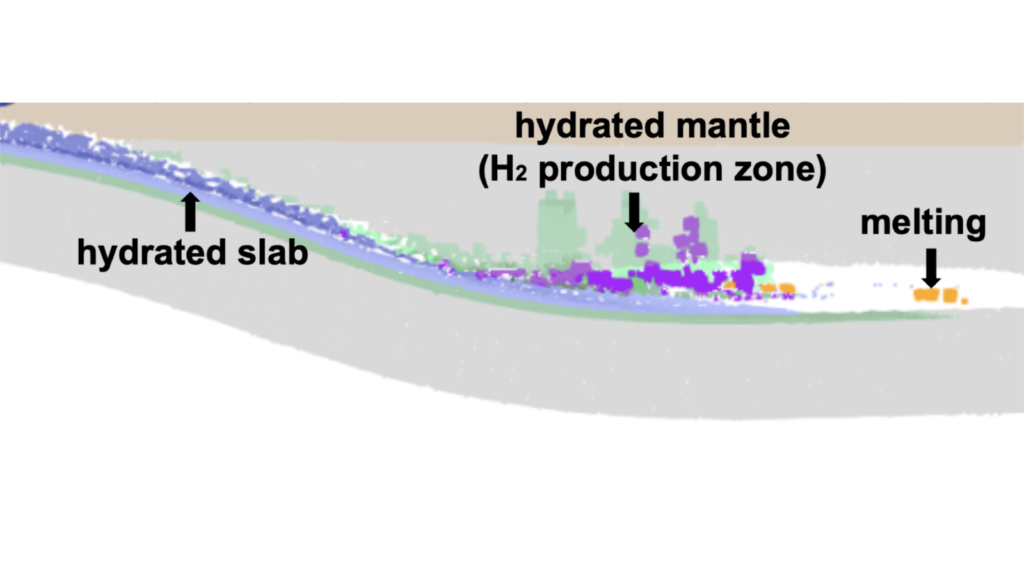
Dihydrogen (H2) is a promising source of energy that may allow reducing carbon emissions in industry and transportation. Artificial production methods have been explored, natural sources of H2 (also called white dihydrogen) offer a more eco-friendly and cost-effective production process. In this week’s blog post, Alexis Gauthier, a PhD student from ISTeP, France, is discussing …[Read More]
Animating the past using numerical modeling
The human lifespan is too short compared to the geological time. To comprehend long-term phenomena, numerical modeling emerges as an imperative approach. But, there are several ways for visualizing the output of these models. Among these, animations stand out as a powerful tool, allowing us to watch the dynamic evolution of our planet over geological …[Read More]
Science Sisters Season 2 is out now!
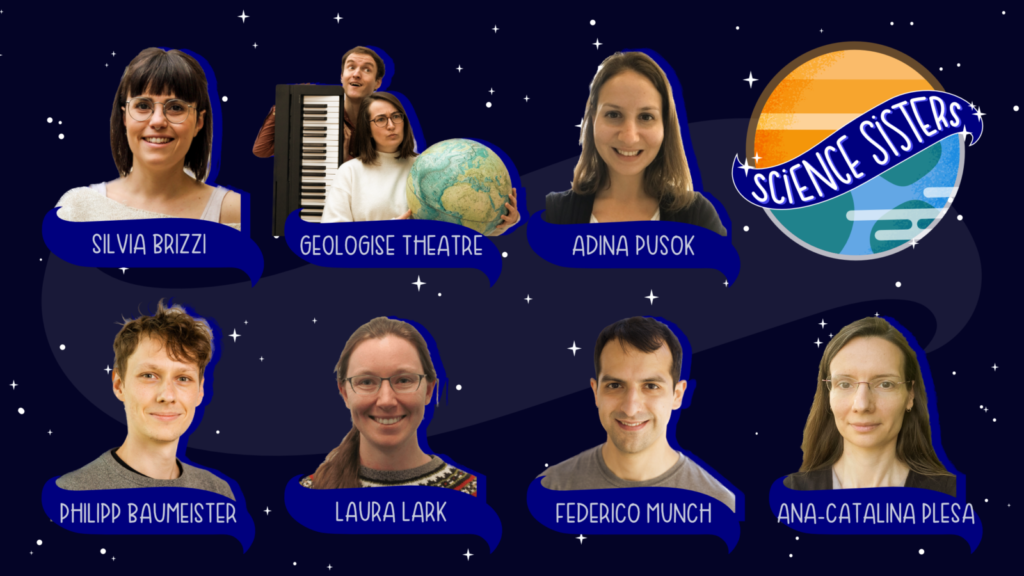
Science Sisters is a lighthearted interview series where Iris van Zelst (postdoc at the German Aerospace Center) chats with lots of different people (with a focus on – but not limited to – women in science) to make some sense of the academic world. Filled with laughter and silliness, it explores different career paths, academic life, …[Read More]
The Sassy Scientist – Where the wild grids are
In the labyrinth of scientific research, one often finds themselves at the crossroads of data accessibility and the desire to reuse and build upon other people’s work. All too frequently, results are presented in a format that cannot be read by the computer. Does your favourite Geochemistry paper come with a PDF table, but no …[Read More]
Unveiling the Secrets of the Deepest Inland Trough: The Denman Terrestrial Campaign
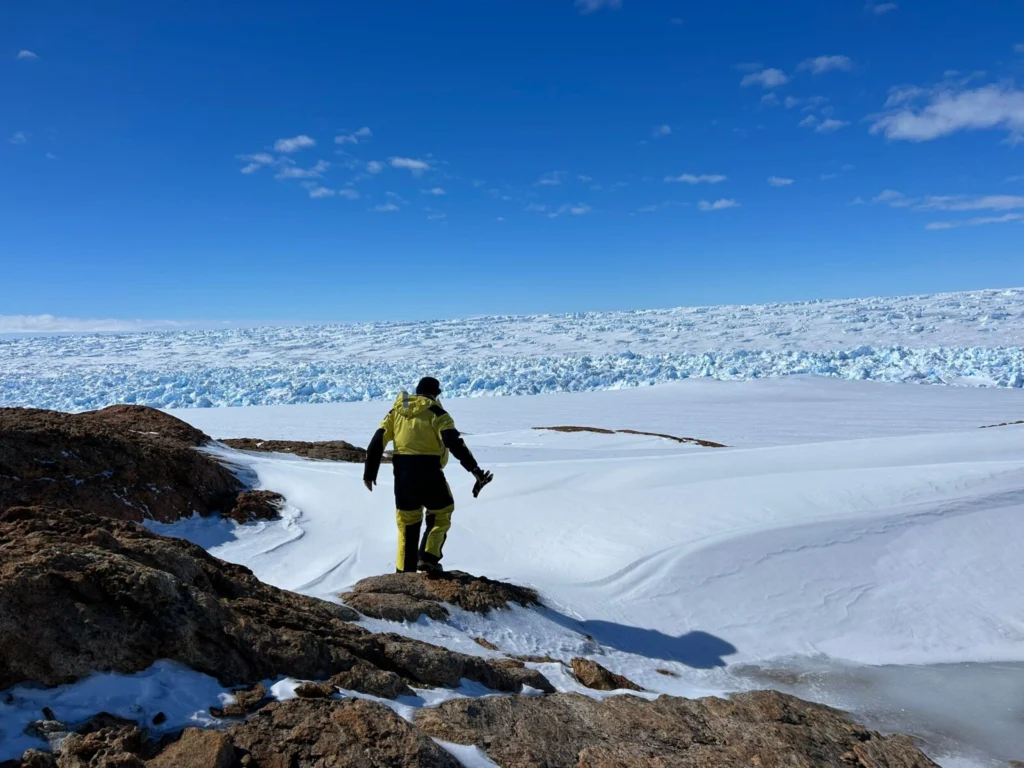
Greetings from the heart of Antarctica! This week on the EGU Geodynamics blog, we are thrilled to share an exclusive insight into the groundbreaking Denman Terrestrial Campaign. Live from the icy expanse of the white continent, a team of geophysicists—Shyla Kupis, Dr. Lu Li, Dr. Mareen Lösing, Dr. Coti Manassero, Dr. Tobias Stål, and Dr. …[Read More]
Multiengine-driving Tethyan evolution
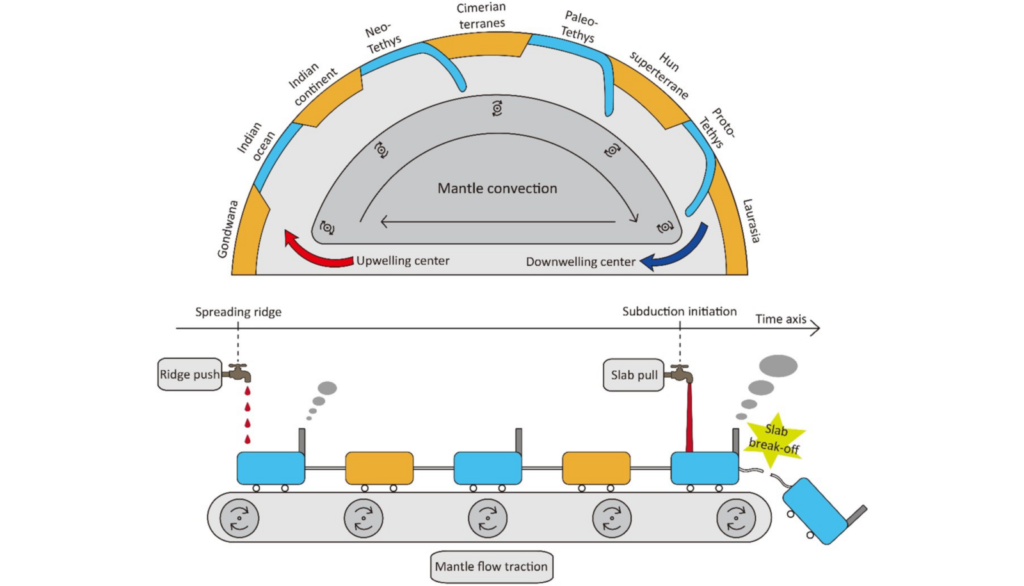
The highest mountain range in the Alps in the Western Europe, the towering peaks of the Himalayas in Asia, and ~1/3 world crude oil production in the middle east – what brings these remarkable nature gift together? The answer is Tethyan orogenic belt, which spans across the entire Eurasian continent. This week, we are privileged …[Read More]