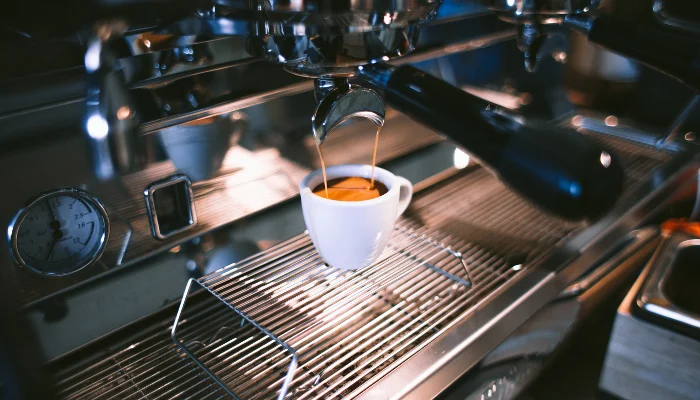

This week, Jac van Driel, PhD student at UCL shares with us his deepest thoughts on how to write the manuscript of his PhD thesis. Hoping you will enjoy: “An Ode to the Coffee House”. Like many cordial expressions of civilised society, Covid-19 has plunged café culture to into stasis with the permanence of its condition not yet known. Pre-crisis, my hedonistic consumption of coffee use ...[Read More]
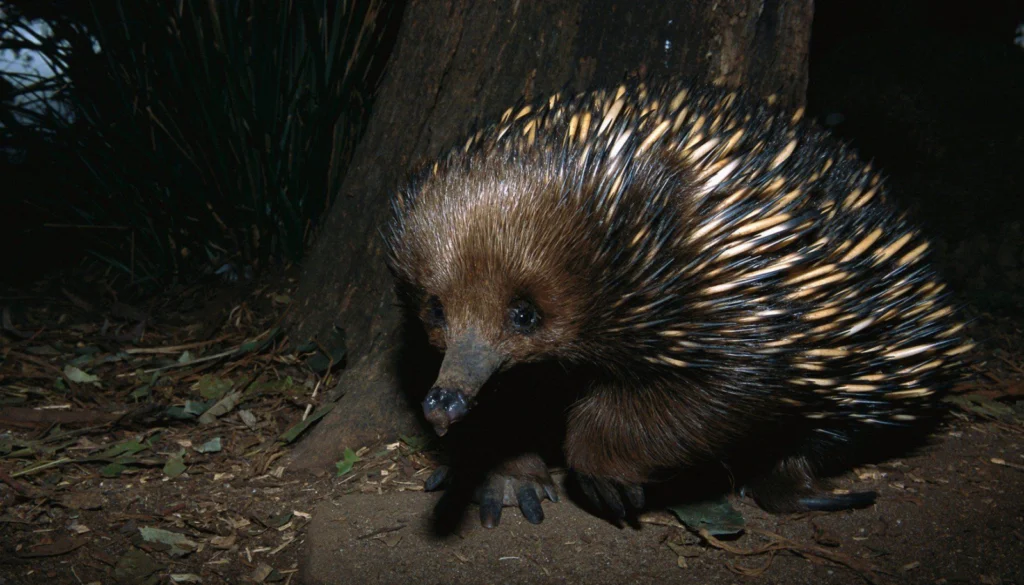
The spikey end of geodynamics: The story of the echidna and plate tectonics
This week, Craig O’Neill, Associate Professor and director of the Planetary Research Center at MacQuarie University shows that not only humans are suffering from the consequences of global warming. The recent Australian bushfire season has precipitated a shift in the Australian – and the world’s – perception of the urgency of addressing climate change. With most of the east ...[Read More]
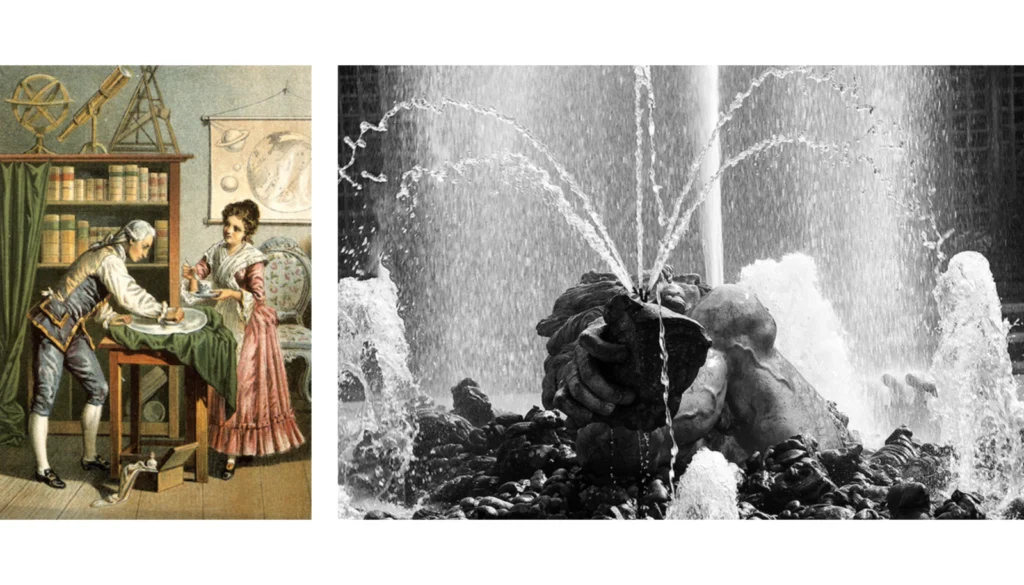
The geodynamics of Enceladus: exotic and familiar
This week, Gael Choblet, CNRS research associate in the Laboratoire de Planétologie et Géodynamique (University of Nantes and Angers), tells us everything about the interior of Enceladus, an interesting icy moon of Saturn! This is my first contribution in these pages. The choice of Saturn’s small moon Enceladus as a topic mostly results from my acquaintance with this planetary body. Yet, the reade ...[Read More]
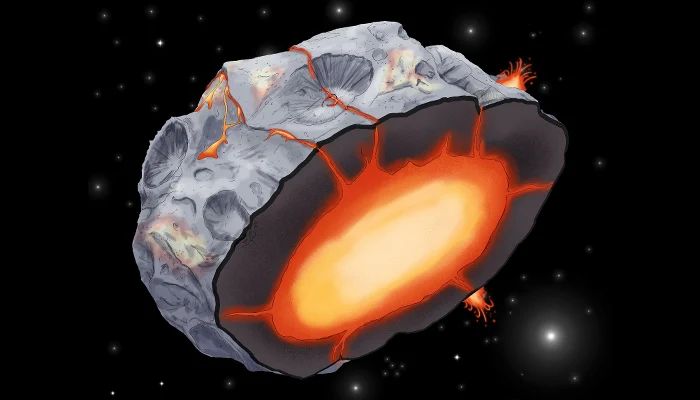
Iron volcanism on metallic asteroids?
This week, Francis Nimmo, professor in the Department of Earth and Planetary Sciences (University of California Santa Cruz), tells us about volcanism on metallic asteroids! Around and after the formation of the solar system (4.5 billion years ago onwards), volcanoes on some of the gigantic bodies of the asteroid belt might have erupted … iron. Explanations. One way in which we can learn abou ...[Read More]
On the resolution of seismic tomography models and the connection to geodynamic modelling (Is blue/red the new cold/hot?) (How many pixels in an Earth??)
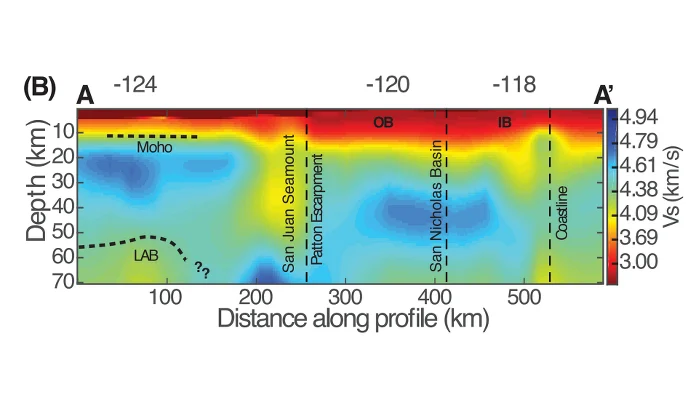
Seismologists work hard to provide the best snapshots of the Earth’s mantle. Yet tomographic models based on different approaches or using different data sets sometimes obtain quite different details. It is hard to know for a non specialist if small scale anomalies can be trusted and why. This week Maria Koroni and Daniel Bowden, both postdocs in the Seismology and Wave Physics group in ETH ...[Read More]