As scientists, it can sometimes be difficult to see the real-world implications of some of our research. Concepts can often seem abstract and remote when sitting in a lab or taking field measurements. But researching the Earth sciences can have profound effects on global society. Understanding how the natural world works can help protect and …[Read More]
Latest posts
Image of The Week – Ballooning on the Ice
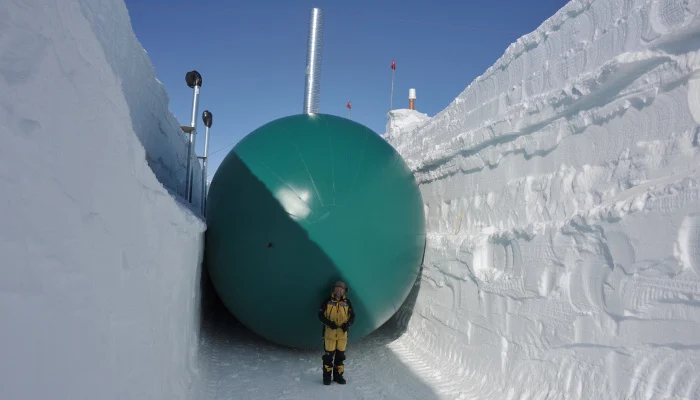
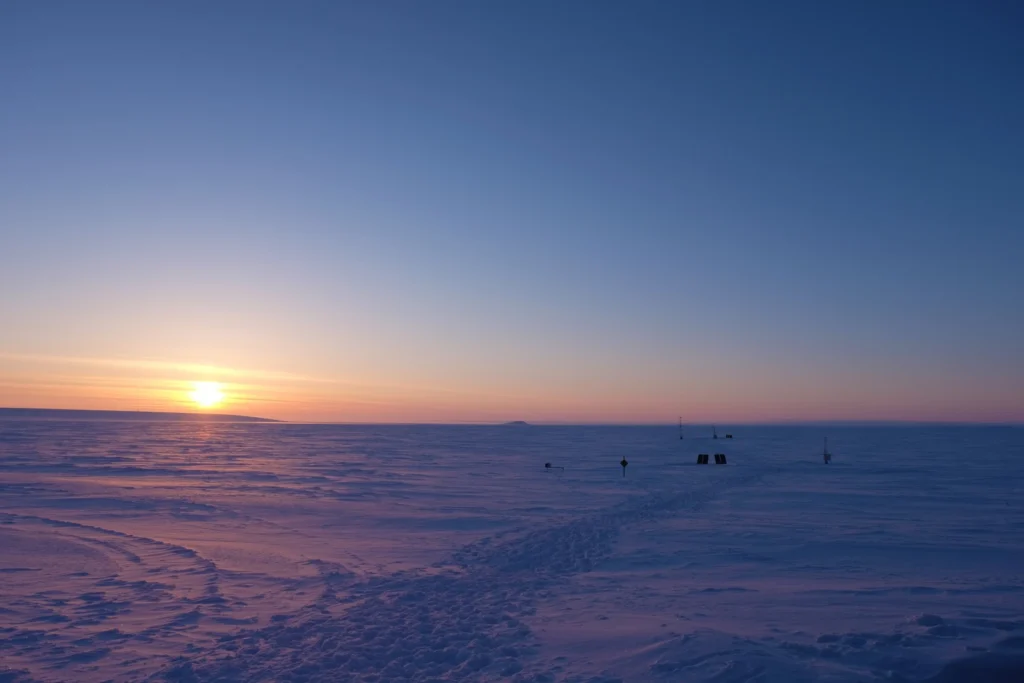
A curious experiment is taking place in Greenland. An experiment involving very large balloons and – of course – a lot of snow. Read on to discover why balloons are an environmentally friendly tool when constructing an ice core drill camp. Last year, a small team traversed 400km from northwest Greenland to the EastGRIP site …[Read More]
Protecting springs from groundwater extraction: is a ‘drawdown trigger’ a sensible strategy?
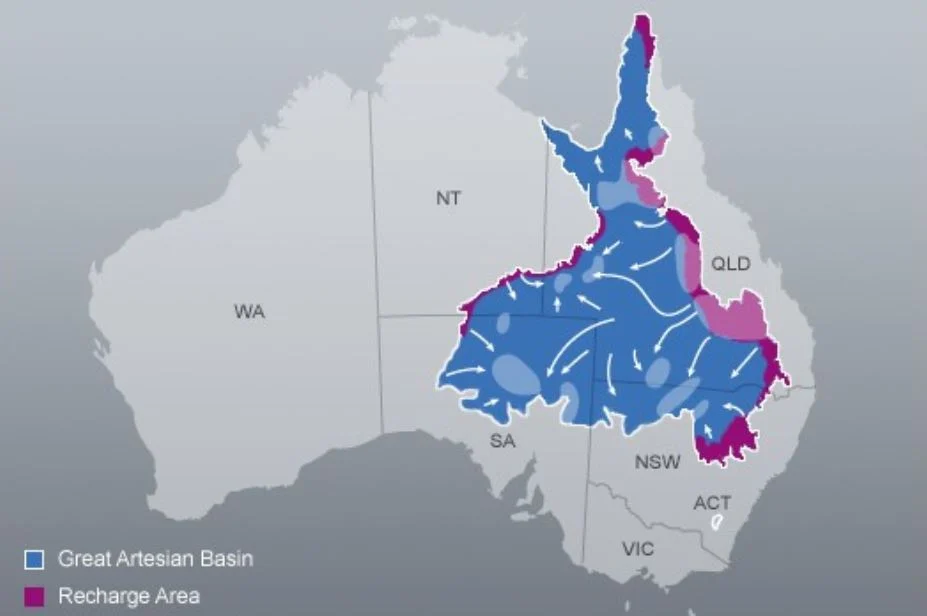
By Matthew Currell – Senior Lecturer at RMIT University Springs, some of which have been flowing for hundreds of thousands of years, have been disappearing in Australia due to human water use over the past century. Following a hotly contested court case, Australia’s Environment Minister imposed a 20cm ‘drawdown limit’ at a set of springs, to protect …[Read More]
Volcanic darkness marked the dawn of the Dark Ages
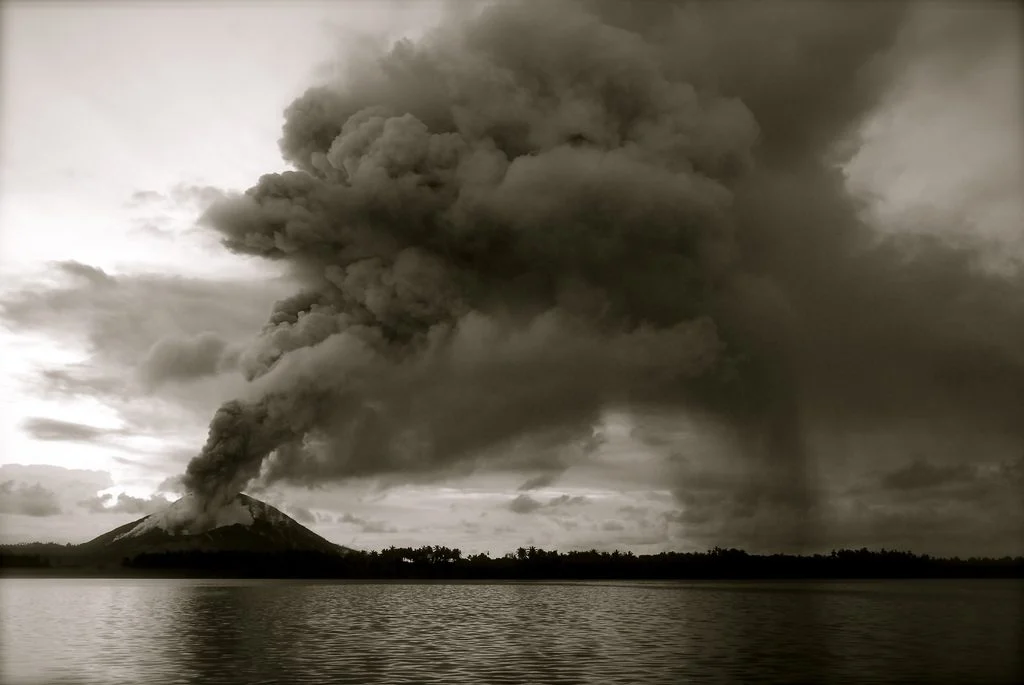
The dawn of the Dark Ages coincided with a volcanic double event – two large eruptions in quick succession. Combined, they had a stronger impact on the Earth’s climate than any other volcanic event – or sequence of events – in the last 1200 years. Historical reports reveal that a mysterious dust cloud dimmed the …[Read More]
Imaggeo on Mondays: Using geophysical techniques to unlock the secrets of the past
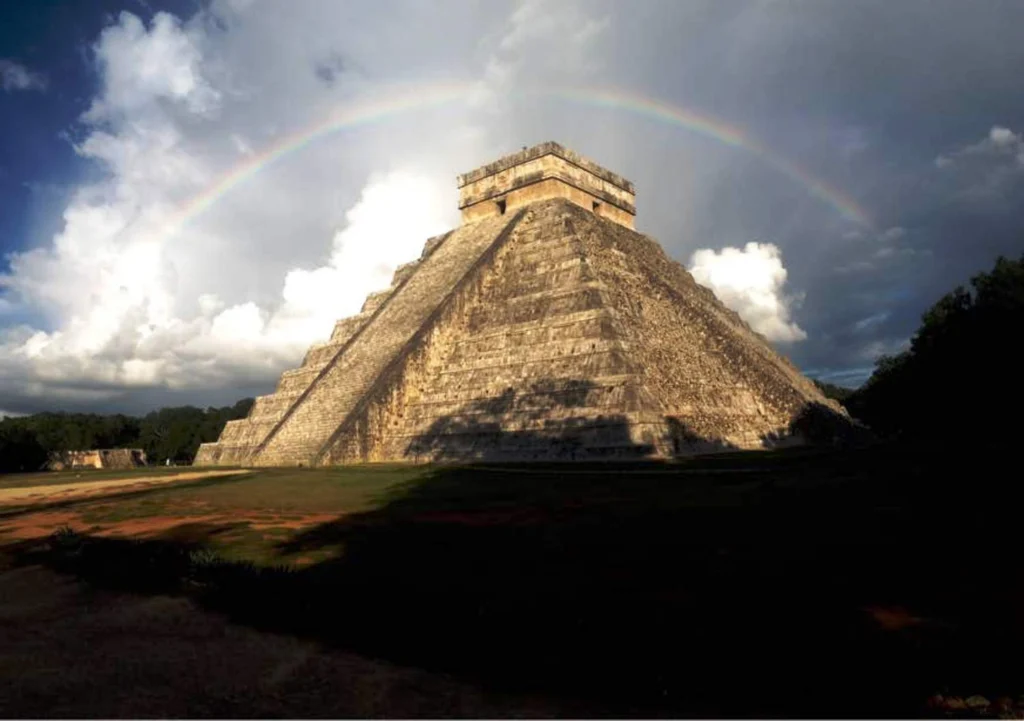
Unravelling the secrets of past civilisations is tricky at the best of times. More so if many of the records which hold clues about how communities lived, built their homes and temples, as well as how they fed themselves, were destroyed by subsequent invaders. In these instances, as Felix Rodriguez Cardozo explains in today’s post, …[Read More]
Keeping a lookout at the edge of the world
Few places in the world conjure up images of remoteness and harshness like Far Eastern Siberia. Yet, it’s places like these where our science is needed most. Arctic soils hold vast amount of carbon, protected in thick layers of permafrost, but these stores are becoming more and more vulnerable as temperatures in the Arctic …[Read More]
GeoEd: Planet Press – geoscience news for children
Inspiring children to be interested in the geosciences isn’t always an easy task. While dinosaurs, volcanoes and earthquakes are a sure hook (rightly so!), there is also much more to the Earth, ocean and planetary sciences! Not only that, but new developments happen much more quickly than the lifetime of a textbook, meaning that breaking …[Read More]
Image of the week — The warming effect of the decline of Arctic Sea Ice
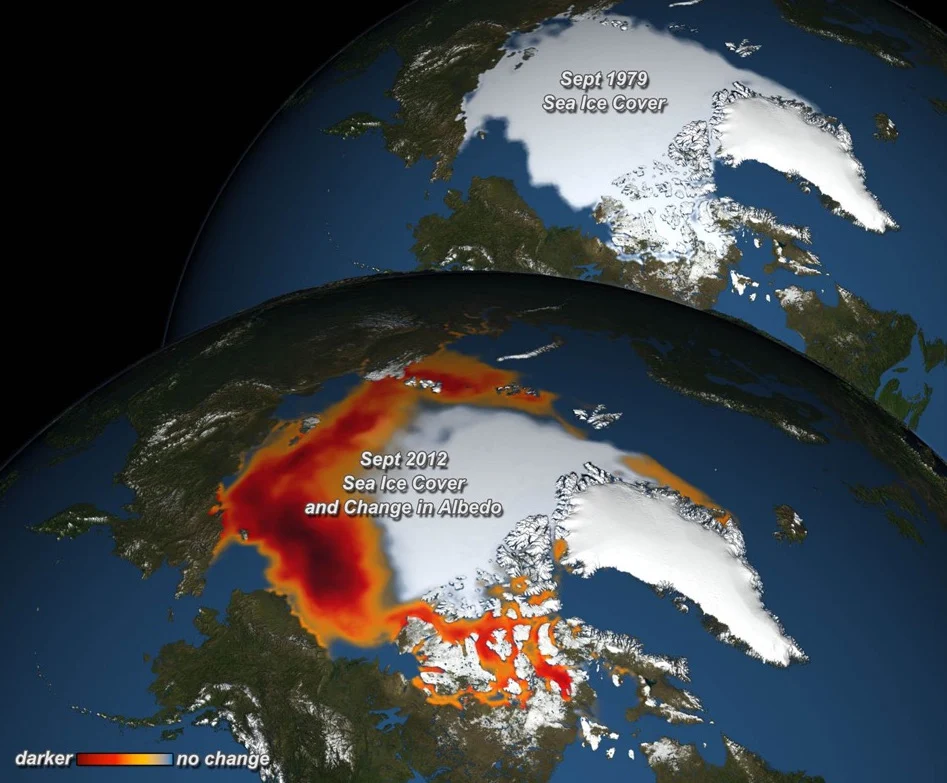
One of the most dramatic signals of Earth’s recent warming has been the precipitous decline of the Arctic sea ice. While the sea-ice decline is in response to warming ocean and atmosphere, it also has an important feed-back on the climate itself. Solar radiation and albedo Earth’s main energy source is solar radiation. This solar …[Read More]
Human Drought?
By Anne Van Loon – a water science lecturer at the University of Birmingham Recently I published a commentary in Nature Geoscience with the title ‘Drought in the Anthropocene’. In that commentary, my co-authors and I argued that in the current human-dominated world, we cannot study and manage natural drought processes separately from human influences on the water …[Read More]
Soil is not dirt cheap: Soils, Sustainable Development Goals, and Geomorphologists.
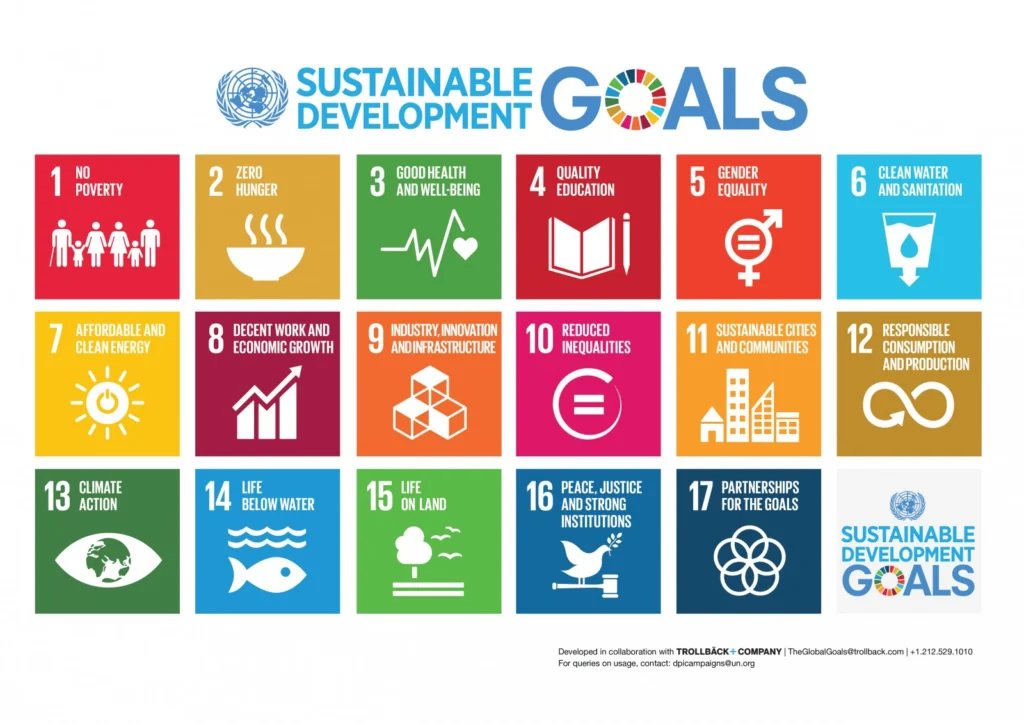
– written by Solmaz Mohadjer – Does contaminated soil make your bones go soft? What if you are told to stop growing vegetables in your garden because the soil is too toxic? What if farmers refuse to produce nutritionally valuable crops because of risk of massive floods? What would you do if you are forced …[Read More]