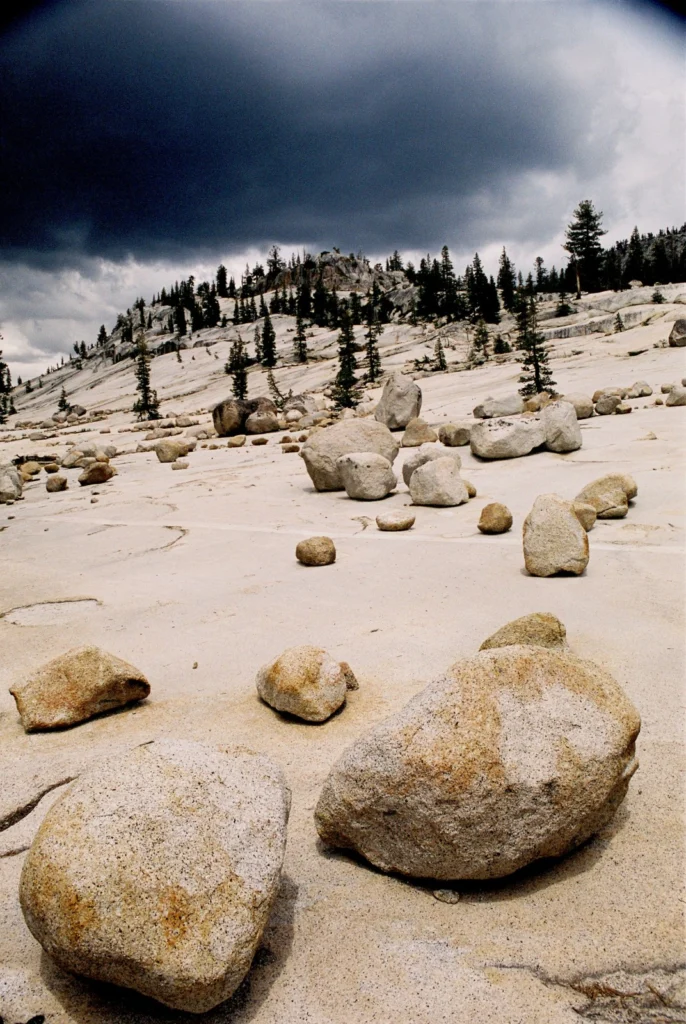
Yosemite National Park, in California, is renowned for its beautiful and striking landscapes. So much so, this is the second time it has feature on the blog this summer. While our last post on the park focused on the ancient volcanic history of its landscape, in this post we fast forward to the Plesitocene (some …[Read More]
Latest posts
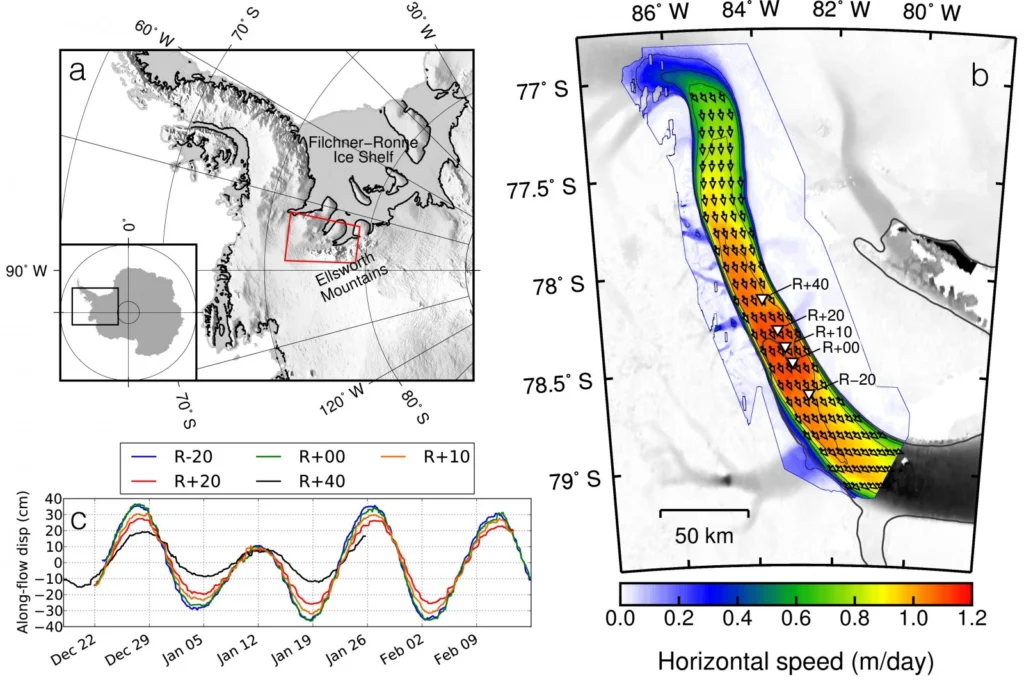
Image of the Week – How ocean tides affect ice flow
Ice streams discharge approximately 90% of the Antarctic ice onto ice shelves , and ultimately into the sea into the sea (Bamber et al., 2000; Rignot et al., 2011). Whilst flow-speed changes on annual timescales are frequently discussed, we consider here what happens on much shorter timescales! Previous studies have shown that ice streams can respond …[Read More]
Shape the EGU 2017 scientific programme: Call-for-sessions is open!
Do you enjoy the EGU’s annual General Assembly but wish you could play a more active role in shaping the scientific programme? Now is your chance! From today, until 9 Sep 2016, you can suggest: sessions (with conveners and description), or; modifications to the existing skeleton programme sessions Explore the EGU2017 Programme groups (PGs) to …[Read More]
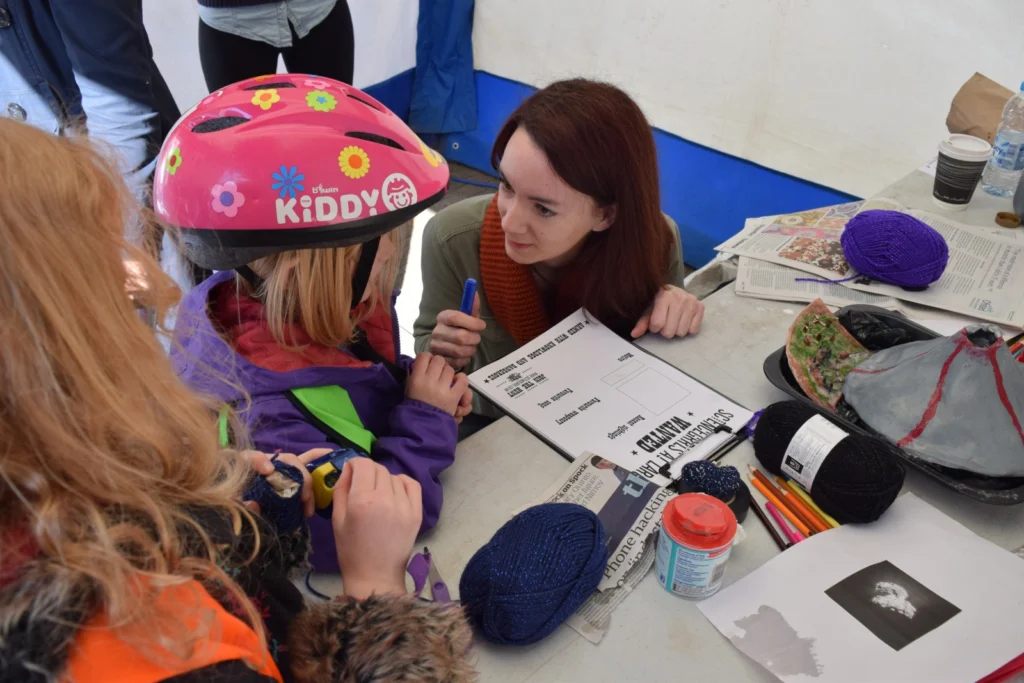
Geoscience outreach- why it matters and how to get involved
This post is brought to you by Natasha Dowey, a dear friend and a volcanologist turned petroleum geologist. Just like us, Natasha has a passion for outreach. In this post she explains why it matters and a number of ways you can get involved. The importance of communication in geoscience is becoming ever more widely …[Read More]
Ice on fire at the Royal Society Summer Science Exhibition
The Royal Society Summer Science Exhibition (RSSSE) is a free public event 4-10th July 2016 in London. This is a yearly event that is made up of 22 exhibits, selected in a competitive process, featuring cutting edge science and research undertaken right now across the UK. The scientists will be on their stands ready to …[Read More]
What caves can teach us about climate, past and present
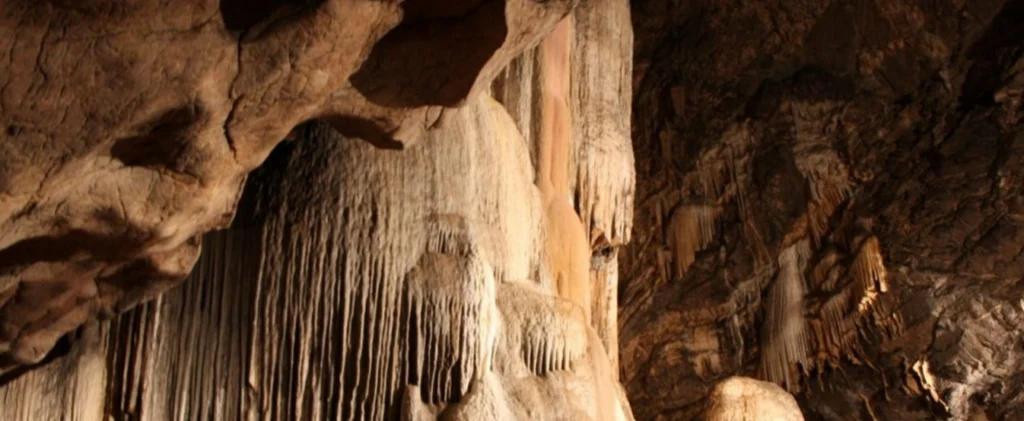
Authored by: Gabriel C Rau, Associate Lecturer in Groundwater Hydrology at UNSW, Australia Andy Baker, Director of the Connected Waters Initiative Research Centre at UNSW, Australia Mark Cuthbert, Research Fellow in Hydrogeology at the University of Birmingham, UK Martin Sogaard Andersen, Senior Lecturer at UNSW, Australia Have you ever enjoyed the cool refuge that an …[Read More]
Imaggeo on Mondays: Why is groundwater so important?
Groundwater is an often underestimated natural resource, but it is vital to the functioning of both natural and urban environments. Indeed, it is a large source of drinking water for communities world-wide, as well as being heavily used for irrigation of crops and crucial for many industrial processes. The water locked in the pores and …[Read More]
Geosciences Column: Pollen tells a 7300 year old story of Malta’s climate and vegetation
Figuring out what the climate was like, and how it changed, throughout Earth’s history is like trying to complete a 1000 piece puzzle. Except that scientists usually don’t have all the nuggets and building a comprehensive picture relies on a multidisciplinary approach in order to fill in the blanks. This is particularly true during the …[Read More]
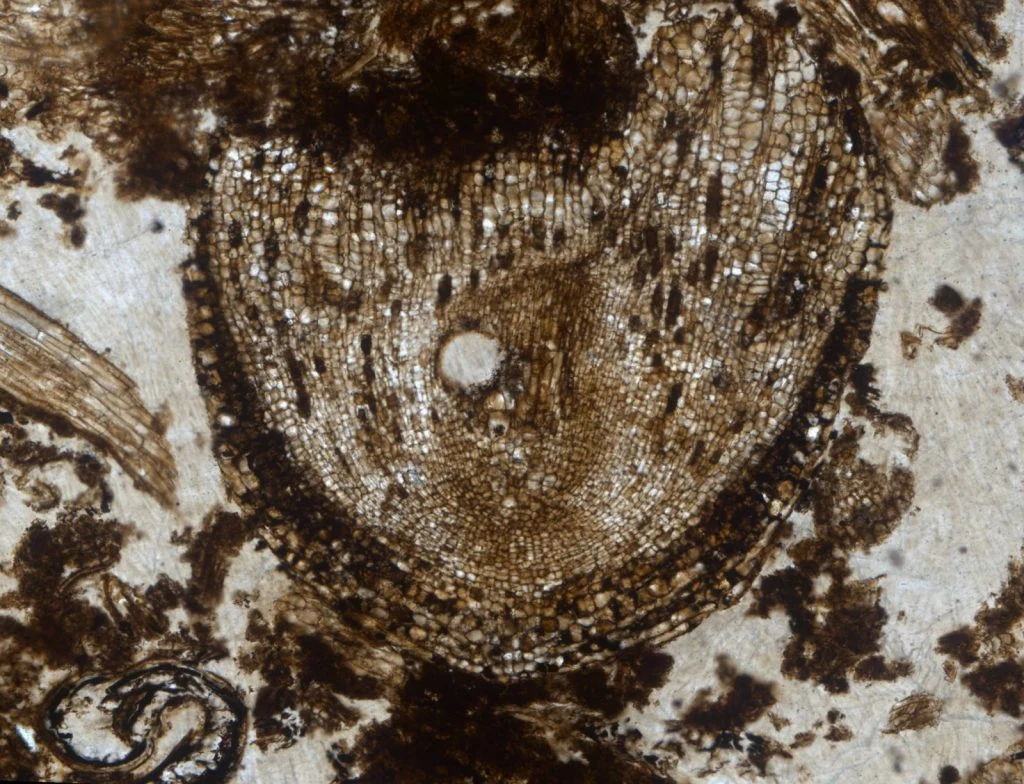
Coffee break biogeosciences–The oldest known fossilized active root meristem
Meristems are groups of undifferentiated cells found in growth zones of plants. Active meristem zones have a different cellular organization than inactive zones, and up until recently no fossilized active root meristem had been found. A team of scientists recently found and described the fossilized remains of an actively growing root meristem dating from the …[Read More]
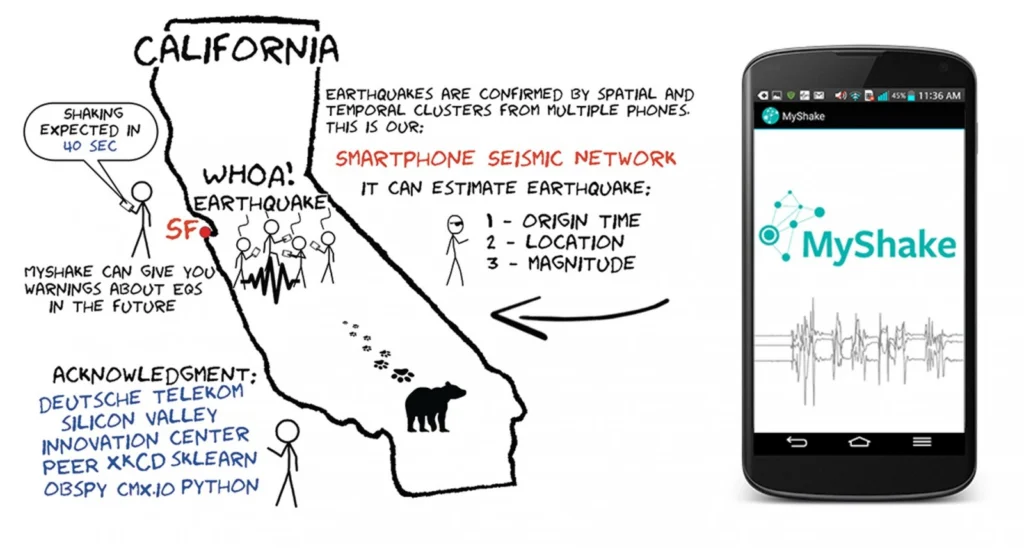
MyShake – your phone as a seismic station
Are you on Facebook or Twitter? Do you use Whatsapp regularly to communicate with friends and loved ones scattered across the globe or even just across the city? I’d be surprised if you answer ‘no’ to all of these questions. In fact, why not admit that you are just as addicted to that smartphone of …[Read More]