When it comes to supercharging your scientific skills, broadening your base science communication, or picking up tips on how to boost your career, short courses can be one of the highlights of the General Assembly programme. But, did you know that any EGU member (you!) can propose a short course? You’ve got until 6 September 2018 to …[Read More]
Latest posts
Groundwater and Education – Part two
Post by Viviana Re, postdoctoral researcher at the University of Pavia (Università di Pavia), in Italy. You can follow Viviana on Twitter at @biralnas. Part two of a two-part series on groundwater and education by Viviana. __________________________________________________ In my last post (“Drawing out groundwater (from the well)”) I wrote about the reasons why, as groundwater scientists, we should …[Read More]
July GeoRoundUp: the best of the Earth sciences from around the web
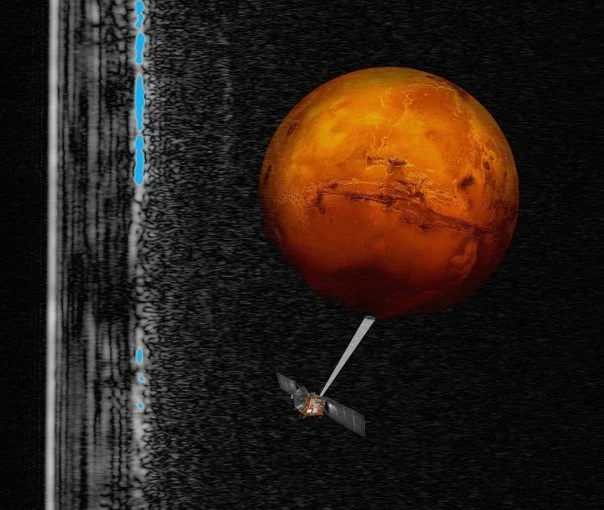
Drawing inspiration from popular stories on our social media channels, as well as unique and quirky research news, this monthly column aims to bring you the best of the Earth and planetary sciences from around the web. Major stories Signs of water 55 million kilometres away Last week scientists announced that they have found …[Read More]
Holiday recommendations – blog break summer 2018
Even dedicated workaholics such as the editors of your EGU GD Blog Team sometimes deserve a break! Let me clarify that by saying ‘an intentional break’ (because uploading every Wednesday is hard!). We will be ‘on holiday’ during August, so there won’t be any new blog posts then. But don’t worry: we will be back …[Read More]
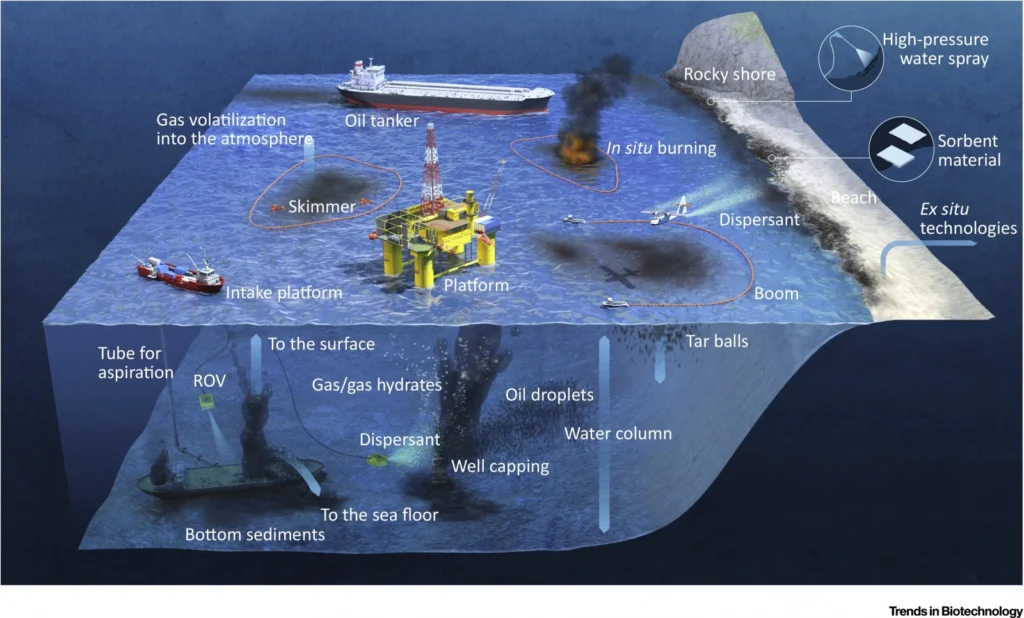
Hazard chains: from anthropic oil spills to ecosystem pollution. Can tiny organisms be the solution?
Hello to everyone. Today I have the personal pleasure to interview Dr. Grégoire Michoud. He is a friend and a brilliant scientist working on ecosystem microbial ecology. In the interview, Grégoire will talk to us about oil spills in the marine system, a specific anthropic hazard that can evolve into a natural hazard with terrible environmental consequences. …[Read More]
Imaggeo on Mondays: Digging out a glacier’s story
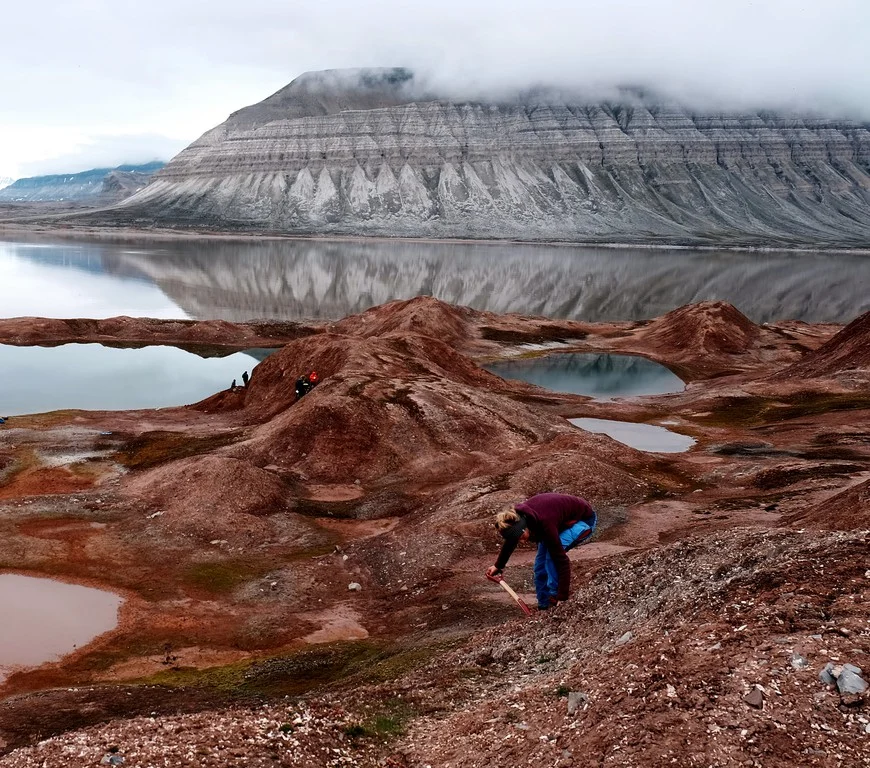
This photograph shows landforms on Coraholmen Island in Ekmanfjorden, one of the fjords found in the Norwegian archipelago, Svalbard. These geomorphic features were formed by Sefströmbreen, a tidewater glacier, when it surged in the 1880s. Although all glaciers flow, some glaciers undergo cyclic changes in their flow. This is called surging, and glaciers that surge are called …[Read More]
Mind Your Head #4: Job uncertainty in academia – know your strengths and possibilities!
Mind Your Head is a blog series dedicated towards addressing mental health in the academic environment and highlighting solutions relieving stress in daily academic life. In the three previous blog post of this ‘Mind your head’ series, we discussed the importance of communication with fellow ECS, time management, and a healthy relationship with your advisors. However, there is one …[Read More]
GeoPolicy: ESOF – putting scientists & policymakers in the same room!
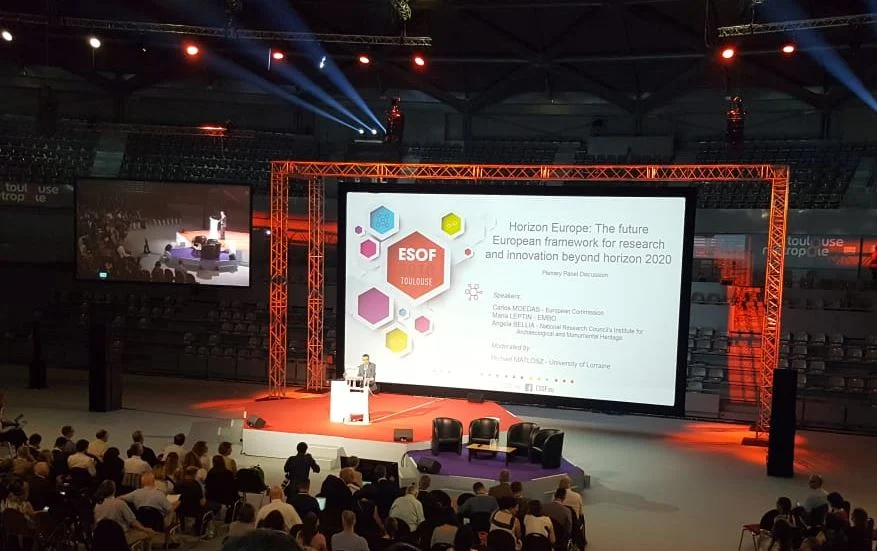
The EuroScience Open Forum (ESOF), the largest interdisciplinary science meeting in Europe, was held earlier this month in Toulouse, France and attracted scientists and policymakers from across the globe. Held every second year, ESOF provides an interface between science, policy and society. This year was my first ESOF. I attended as the EGU Policy Officer …[Read More]
Image of the Week – Stuck in the ice: could it have been predicted?
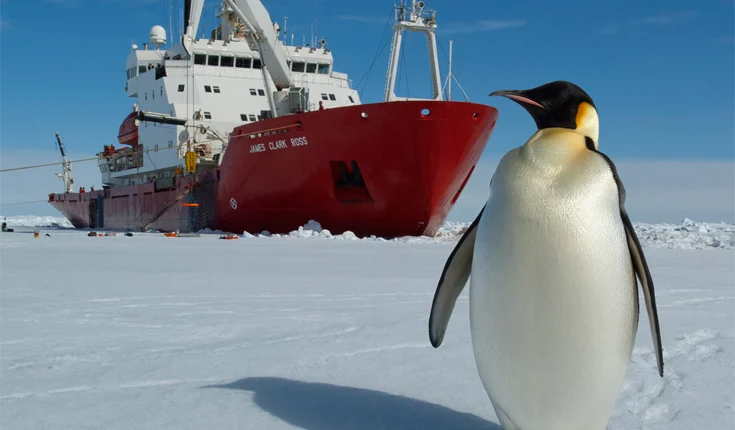
Expeditions in the Southern Ocean are invaluable opportunities to learn more about this fascinating but remote region of the world. However, sending vessels to navigate the hostile Antarctic waters is an expensive endeavor, not only financially but also from a human perspective. When vessels are forced to turn back due to hazardous conditions or, even …[Read More]
You wouldn’t go in the early basement during the upper afternoon, don’t you?
I remember it perfectly. It was 13 years ago, while writing my first manuscript, I was first confronted with that thing that challenges a lot of junior stratigraphers, especially when they are not a native English: Geochronology vs. Chronostratigraphy! Or to simplify, how to properly distinguish time and time-rock units in your writings. Several papers …[Read More]