Introduction For many years now we know that our star the Sun influences the Earth in many different ways, via the total solar irradiance, solar energetic particles and coronal mass ejections. Understanding the influence of the Sun on the Earth requires many different types of measurements. For example, NASA’s Solar Dynamics Observatory (SDO) spacecraft, produces …[Read More]
Latest posts
Slimy Landscapes
When we think about how our landscapes evolve and change we probably tend to go straight for the big stuff, things like the climate, tectonics or geology, and in my previous blog I looked at how rainfall contributes to changing the planet’s surface. However, it is not just the big stuff which controls these changes, …[Read More]
An overnight train view of China’s Anthropocene – Part 1
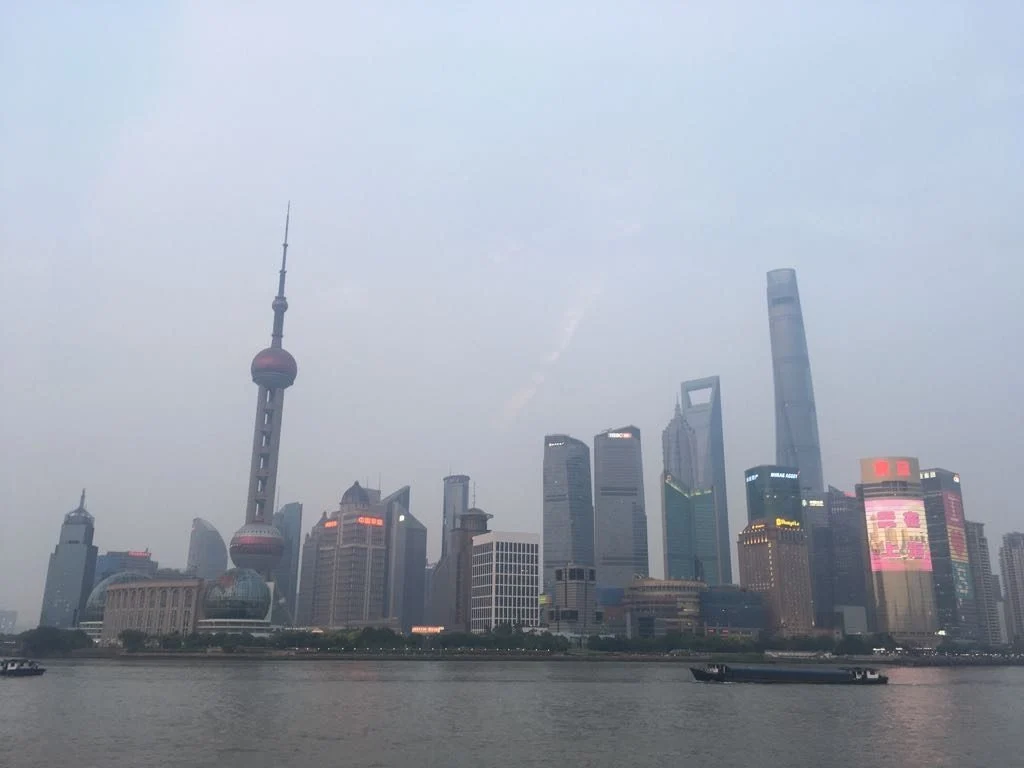
The nighttrain from Shanghai to Beijing is a comfortable affair. The train is new and clean. My travel partner and I can charge our phones and relax on soft beds. The railway is almost frictionless, and overall the experience is similar to any ride in the West. But outside, as the vehicle roars through the …[Read More]
Imaggeo on Mondays: Getting involved with EGU!
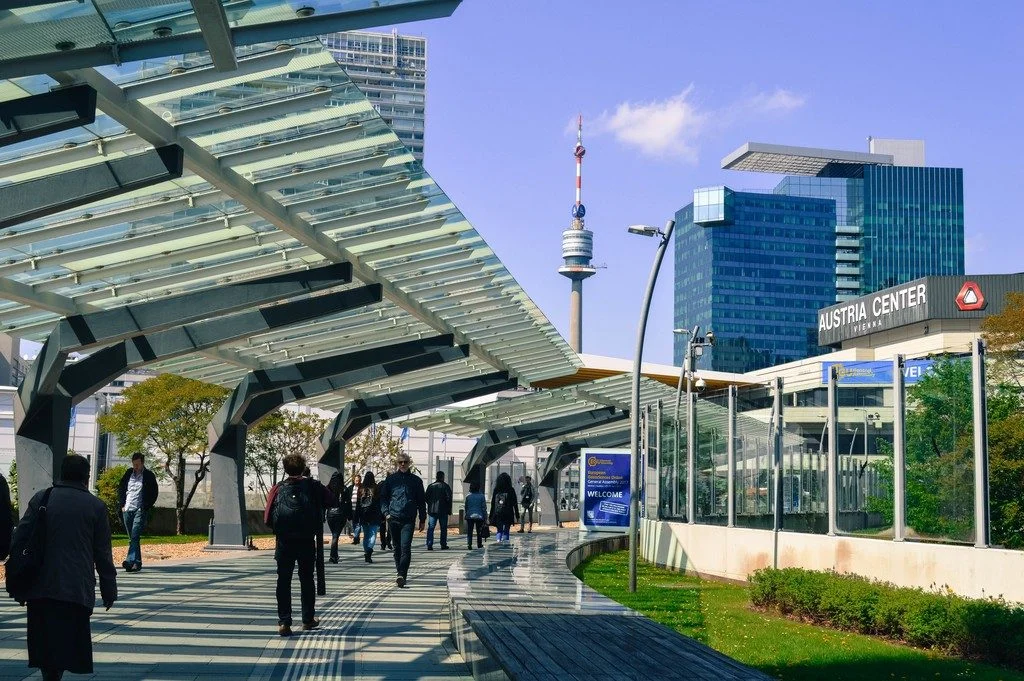
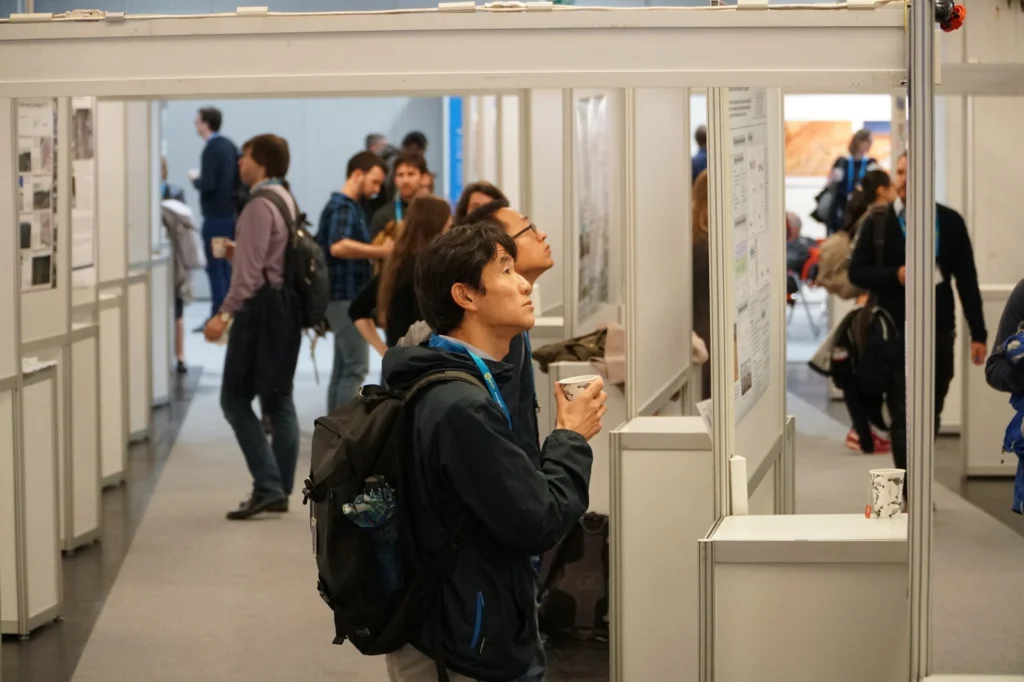
Today’s featured photo comes from the 2017 General Assembly. Did you enjoy this year’s 666 unique scientific sessions, 68 short courses and 294 side events? Did you know that EGU members and conference attendees can play an active role in shaping the scientific programme of the conference? It’s super easy! You can suggest a session (with …[Read More]
Seismo @ school
Being a seismologist is not just doing research, it is also sharing experience and teaching the next generation. As early career scientists, we are used to share ‘our science’ during open days and career days at university. Another peculiar moment for Science outreach is the National Science week, where researchers can set up experiments and …[Read More]
Heavy metals in industrial wastewater: hazardous waste or secondary resource?
Not long ago on the blog, we have talked about natural groundwater quality triggered by geogenic factors and related hazards such as a high concentration of heavy metals. Today’s topic concerns the anthropogenic input of heavy metals into the water and how to tackle its effects efficiently. Industrial processes can lead to heavy metal-bearing …[Read More]
4th TIDES Advanced Training School
The 4th TIDES Advanced Training School was held in Prague, Czech Republic, from the 2nd to the 6th of July 2018. If you missed it, take a look at Michaela and Eric’s short report: It’s the first Sunday of July. It could have been a calm sunny noon in Vienna, but that’s not my …[Read More]
Help shape the conference programme: Inter- and Transdisciplinary Sessions at the 2019 General Assembly
Do you enjoy the EGU’s annual General Assembly but wish you could play a more active role in shaping the scientific programme? Now is your chance! But hurry, the session submission deadline is fast approaching. You’ve got until September 6th to propose changes. As well as the standard scientific sessions, subdivided by Programme Groups, EGU coordinates Inter- and …[Read More]
Into the mist of studying the mystery of Arctic low level clouds
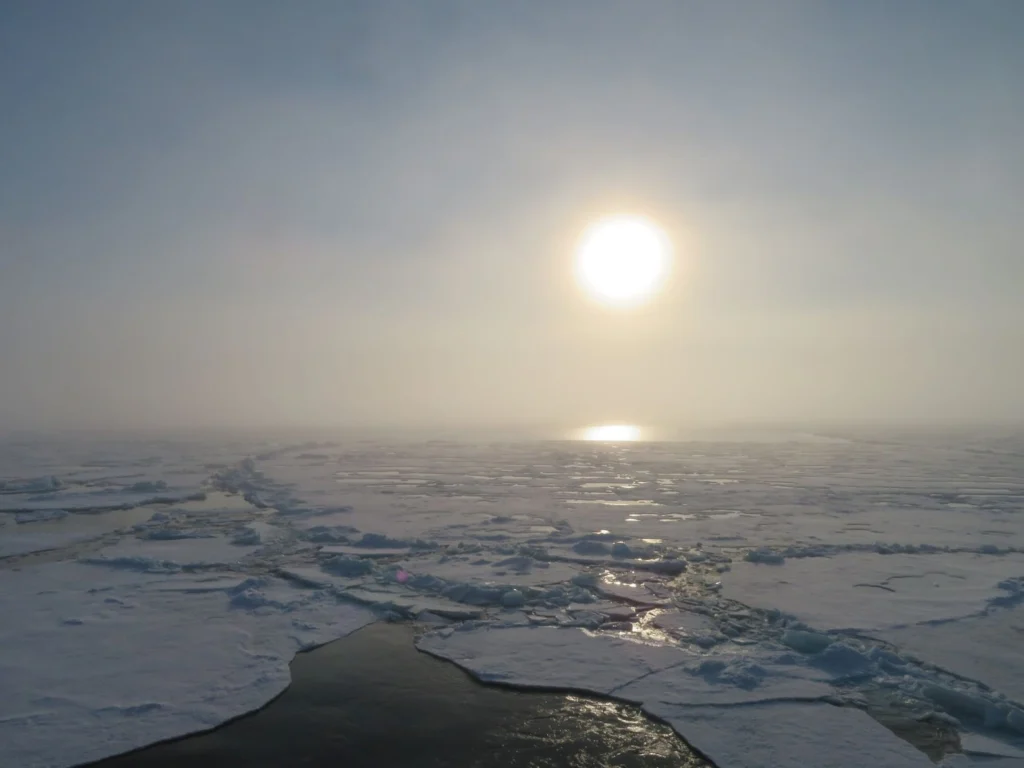
This post is the first of a “live-series of blog post” that will be written by Julia Schmale while she is participating in the Arctic Ocean 2018 expedition. Low level Arctic clouds are still a mystery to the atmospheric science community. To understand their role the present and future Arctic climate, the Arctic Ocean 2018 …[Read More]
Imaggeo on Mondays: The Gower Peninsula, a coast marked by time
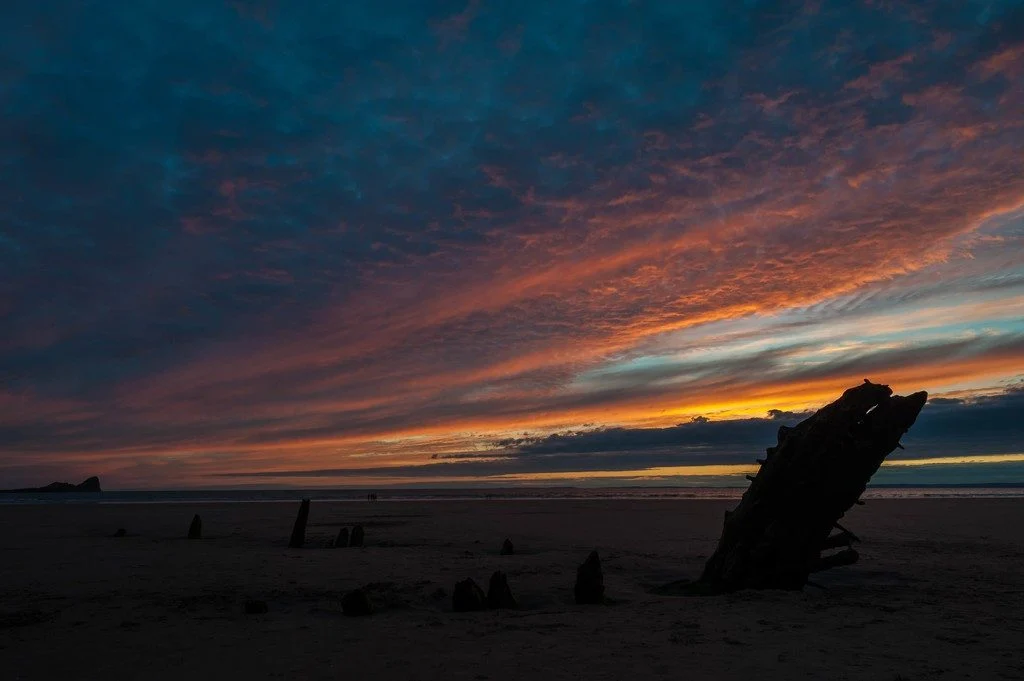
The Gower Peninsula in South Wales, United Kingdom, is a spectacular site to view a sunset. However, to geologists, the shore is also a prime spot to find artifacts from Earth’s ancient and recent past. “The limestone coastline is dotted with caves that are rich in Quaternary flora and fauna,” said Mike Smith a visiting …[Read More]