By Penny Wieser (PhD student at the University of Cambridge) Clues into the inner workings of volcanoes can be gleamed from material which is erupted at the surface, or that which solidified at depth in the crust. Just before eruption, three main phases are present: a gas phase (containing water, carbon dioxide, sulphur, chlorine etc), …[Read More]
Latest posts
The seven frames of climate discussion in the media. How climate liability pushes for corporate action. Are we already unwittingly geoengineering the oceans? Jesse Zondervan’s August 2019 #GfGDpicks #SciComm
Each month, Jesse Zondervan picks his favourite posts from geoscience and development blogs/news which cover the geology for global development interest. Here’s a round-up of Jesse’s selections for the last month: As Greta Thunberg hits the news with her zero-carbon crossing of the Atlantic, this month discussion on adaptation to climate change is voluminous. Coverage …[Read More]
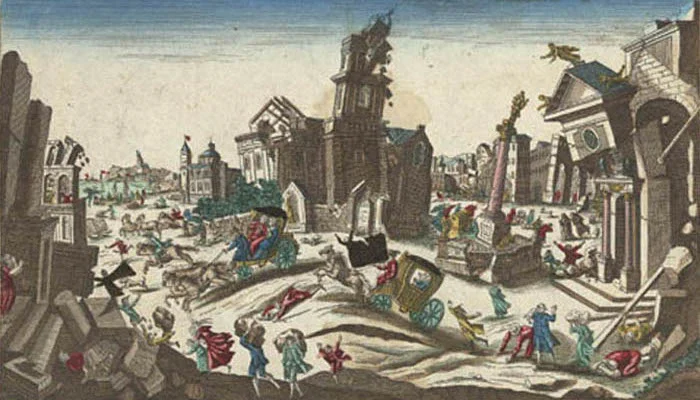
Beyond Tectonics: How the tectonic events of 1783 were perceived by the population of Europe
This edition of “Beyond Tectonics” is brought to you by Katrin Kleemann. Katrin is a doctoral candidate at the Rachel Carson Center/LMU Munich in Germany, she studies environmental history and geology. Her doctoral project investigates the Icelandic Laki fissure eruption of 1783 and its impacts on the northern hemisphere. “A Violent Revolution of Planet Earth” …[Read More]
EGU GA 2020 call-for-sessions deadline
The deadline for session (and short course!) proposals for EGU 2020 is tomorrow on September 5, 2019! So, if you have a great idea for a session or a short course you still have a little bit of time to write a smashing proposal, find a nice co-convener and submit it to ensure that you …[Read More]
Call for new EGU network blogs!
Here is your chance to join the EGU blog network! Since 2013, the Union’s network blogs have enjoyed thought-provoking and engaging contributions on a range of topics: from the workings of the inner Earth and palaeontology, through to geomorphology and air quality. The network aims to foster a diverse community of geoscience bloggers, sharing accurate information about geoscientific …[Read More]
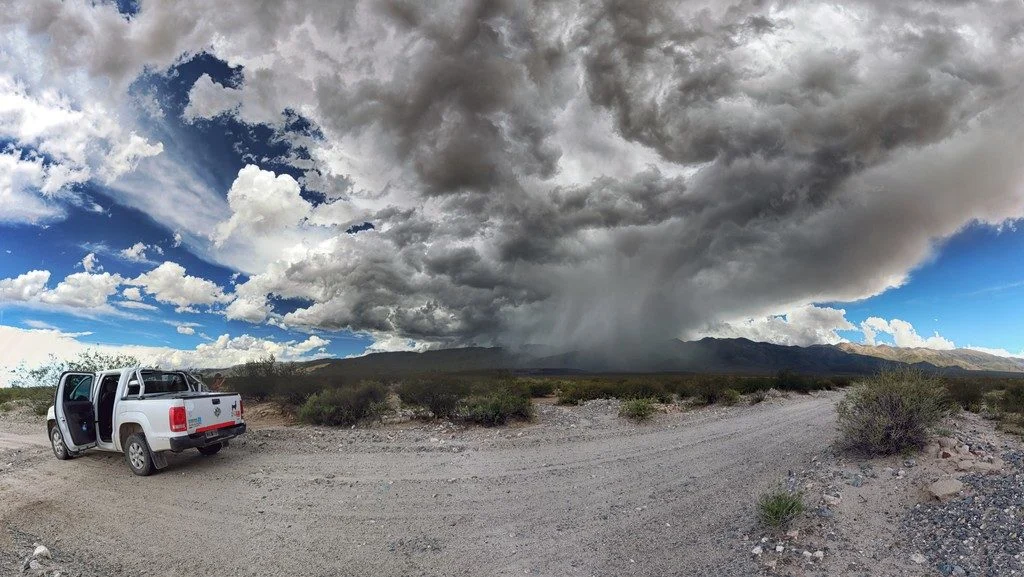
Imaggeo on Mondays: how short-term storms can impact our landscapes
In the Sierra de Aconquija, a mountain range in the southern Central Andes of Argentina, strong storms often come and go at a moment’s notice, but they can have a long-lasting impact on the Earth’s surface. The thunderstorm cell featured in this photo formed in less than half an hour, giving all those nearby only …[Read More]
Where science and communication meet: the editorial world of scientific journals.
The ultimate scope of scientists is to publish their research advancement and share it with the scientific community and civil society. Researchers, whether coming from academia or research institutes, publish their results in peer-reviewed journals, that are usually highly technical and often incomprehensible to anyone except the major experts in the field. In some subjects …[Read More]
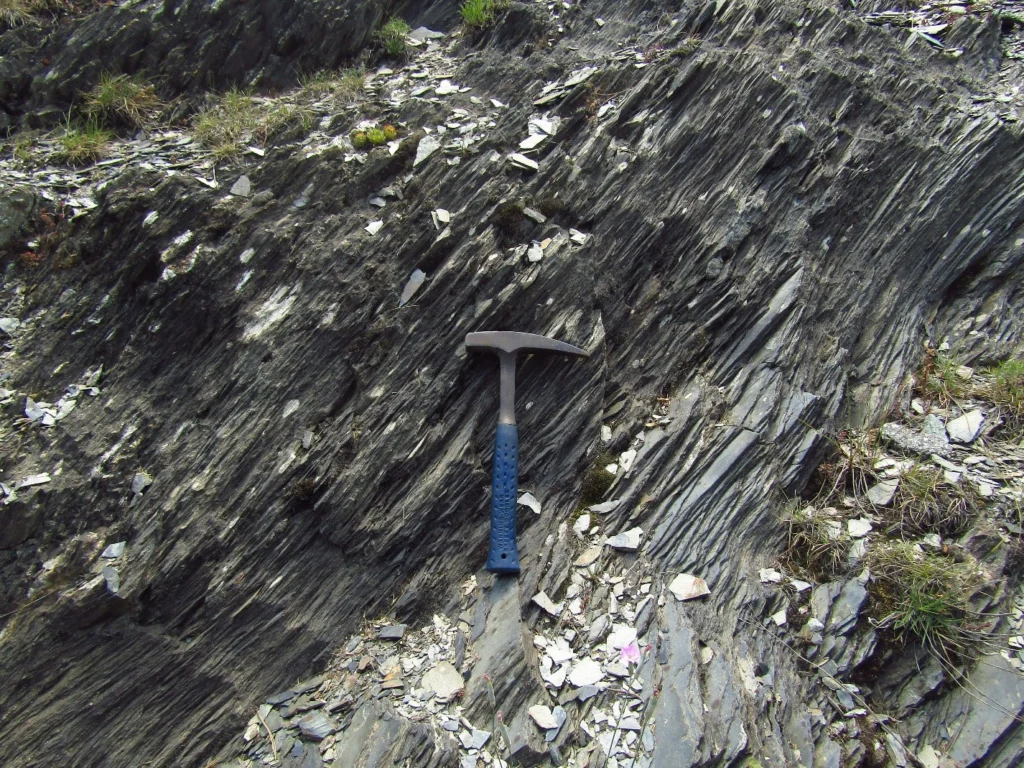
Features from the field: Foliation
Have you ever walked on a mountain trail, passing past outcrops of rocks and noticed that many rocks appear to be split along a well-defined orientation? If you have, you might have seen one of the most important structures in metamorphic rocks – called foliation. The term ‘foliation’ derives from the Latin folium, meaning ‘leaf’. …[Read More]
The Sassy Scientist – Science Sweethearts I
Every week, The Sassy Scientist answers a question on geodynamics, related topics, academic life, the universe or anything in between with a healthy dose of sarcasm. Do you have a question for The Sassy Scientist? Submit your question here. Apollo and Artemis ask: What is your opinion on workplace romances? This week’s question just gives me …[Read More]
Conversations on a century of geoscience in Europe: Part 1
When you think about the last century of geoscience, what comes to mind? Perhaps Alfred Wegener’s theory of continental drift? Or Inge Lehmann’s discovery of Earth’s solid inner core? Over the last 100 years, geoscientists have made incredible contributions to our understanding of the Earth, the solar system, and beyond. The science community has explored …[Read More]