
If you are experiencing burnout and you’re having difficulty finding your way out, ask for help and seek professional treatment.
A way out of burnout
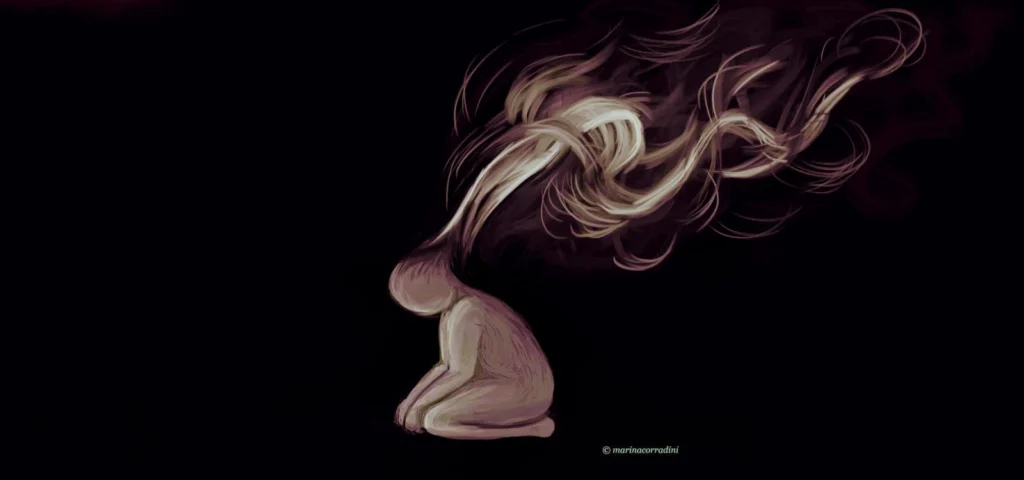
If you are experiencing burnout and you’re having difficulty finding your way out, ask for help and seek professional treatment.

Every week, The Sassy Scientist answers a question on geodynamics, related topics, academic life, the universe or anything in between with a healthy dose of sarcasm. Do you have a question for The Sassy Scientist? Submit your question here. Georgia asks: One of my friends recently left the PhD program with some severe emotional and motivational …[Read More]
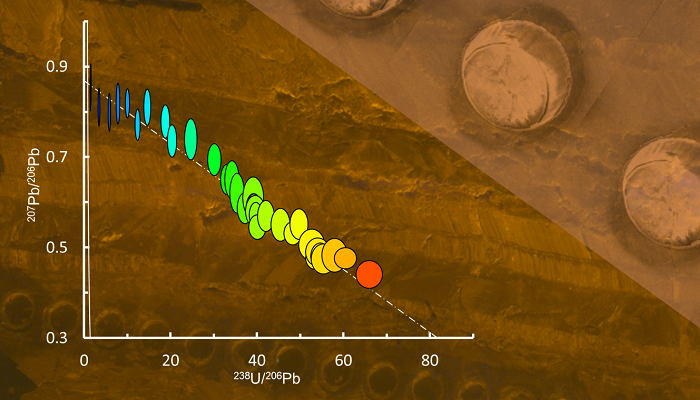
For this edition of Minds over Methods, we have invited Nick Roberts, a research scientist at the British Geological Survey, working within the Geochronology and Tracers Facility (GTF) running a LA-ICP-MS laboratory. Nick has a background in ‘hard-rock’ geology, incorporating geochemistry, geochronology, and magmatic and metamorphic petrology across a wide range of tectonic settings, and …[Read More]
Over the last century, geoscientists have made incredible contributions to our understanding of the Earth, the solar system, and beyond. Inspired by the American Geophysical Union (AGU) and the International Union of Geodesy and Geophysics (IUGG) centennials, which are celebrated in 2019, we would like to highlight Europe’s role in shaping the geosciences and the great achievements of European …[Read More]
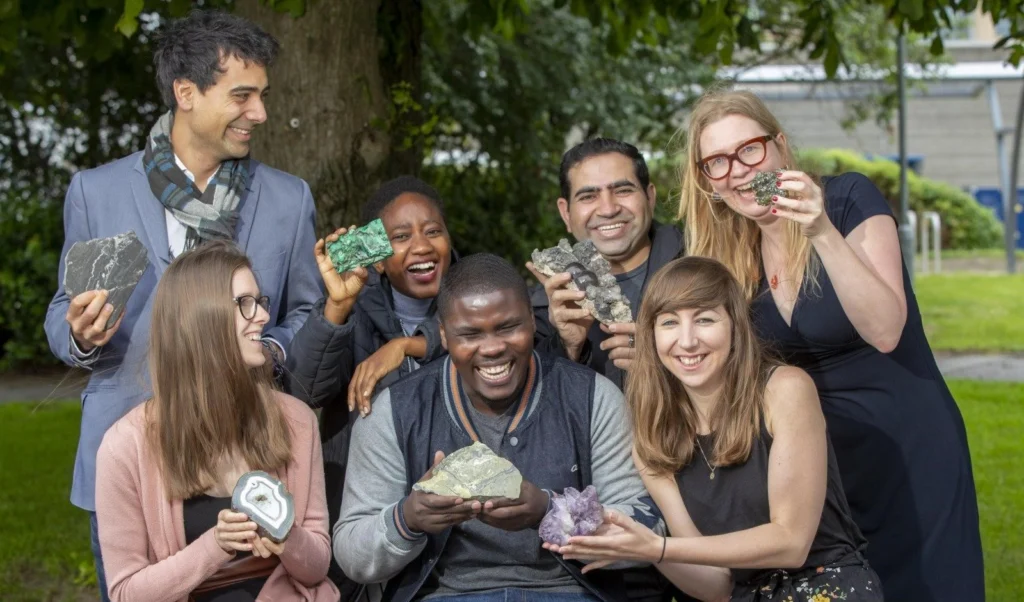
How can we source and use Earth resources in an ethical and responsible way? And how can we bring different actors and communities together to achieve sustainable resource development? These are just some of the questions that early career researchers from around the world came together to discuss during the inaugural Researching Social Theories, Resources, …[Read More]
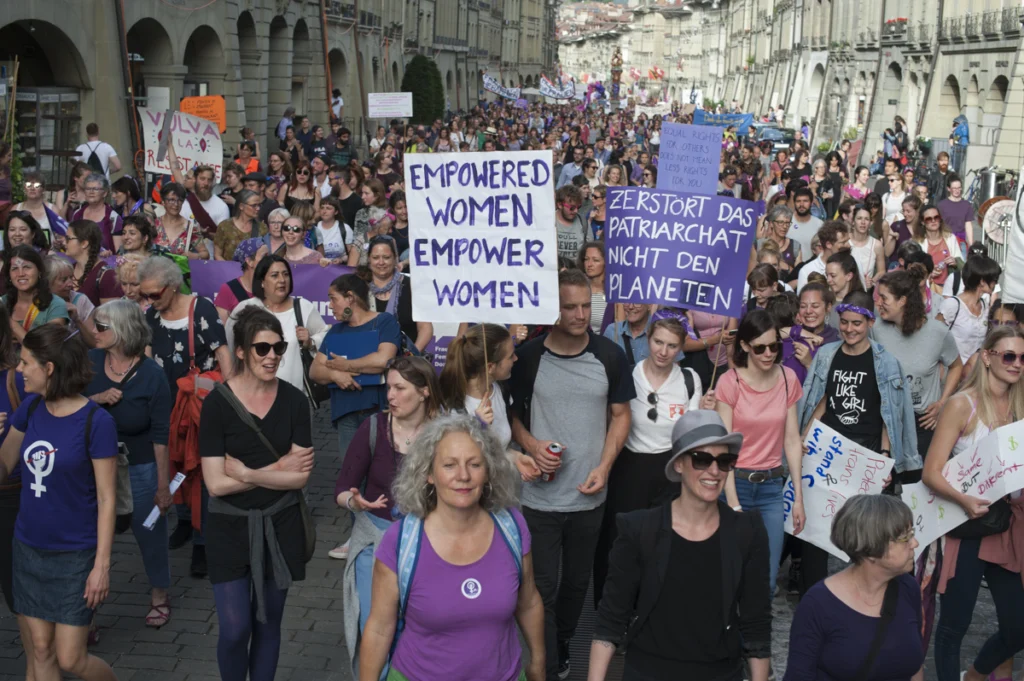
Gender balance in the HS division- some personal thoughts On 14 June 2019, there was the Swiss nationwide women strike day, with the main topic of equal pay for equal work (see e.g. here). A good opportunity to share some thoughts about gender balance in the HS division. If you have a look on the …[Read More]
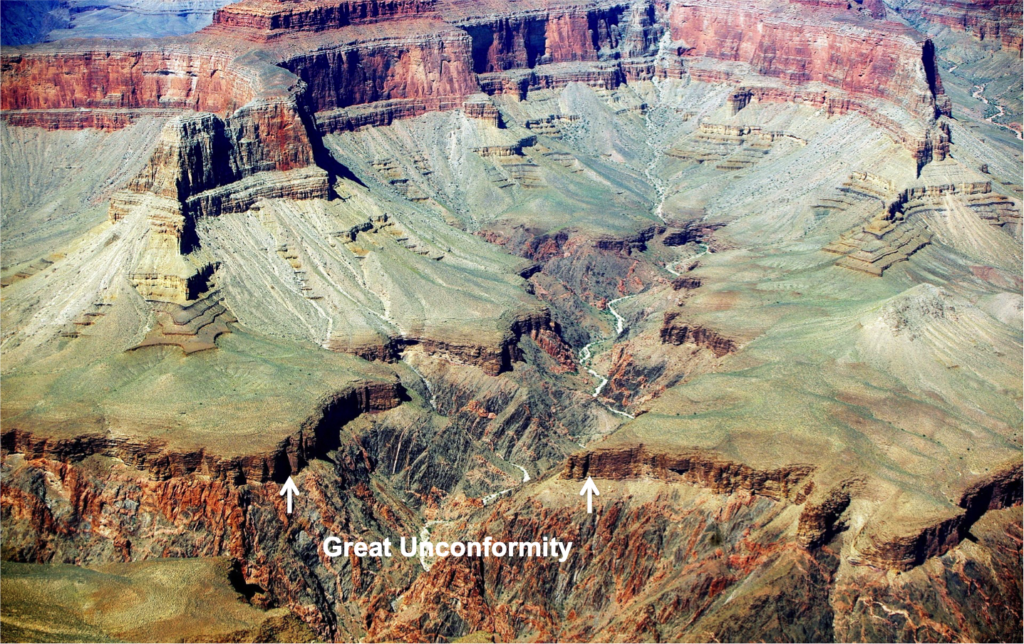
Plate tectonics is a key geological process on Earth, shaping its surface, and making it unique among the planets in the Solar System. Yet, how plate tectonics emerged and which factors controlled its evolution remain controversial. The recently published paper in Nature by Sobolev and Brown suggests new ideas to solve this problem…. What makes …[Read More]
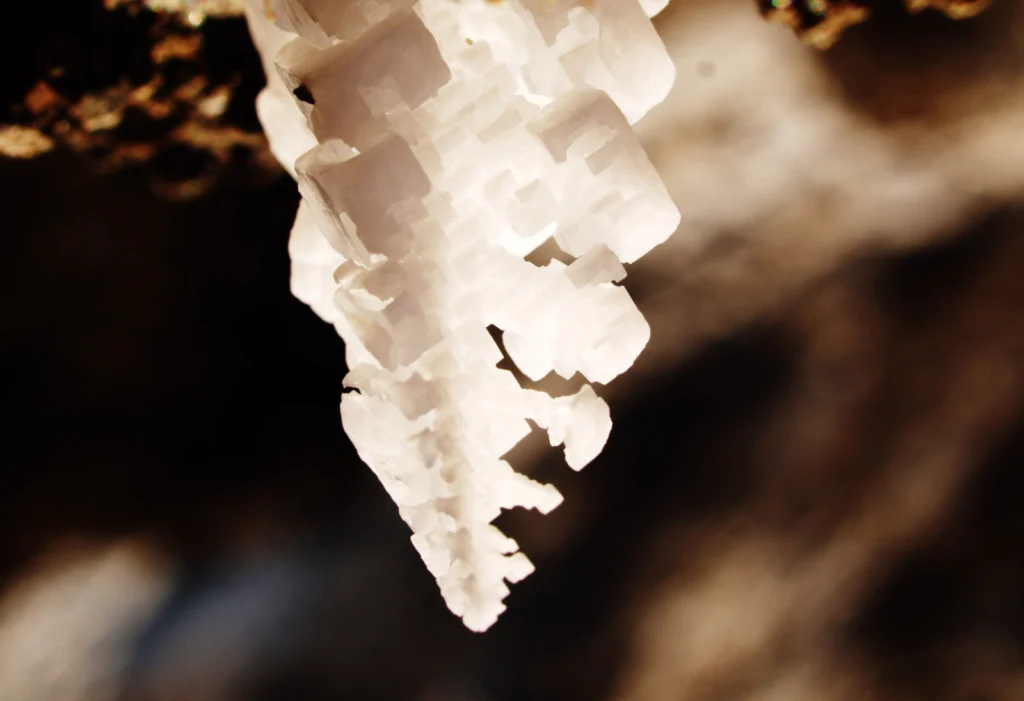
Rock salt stalactites (Speleothems) are the indicators of entrance in a salt cave. These crystal stalactites precipitate from brine only at the entrance in the salt caves, as that is the only place where the physical and chemical properties of the air and the brine dripping from the ceiling allow these crystals to grow and …[Read More]
On this page we regularly update open positions in Seismology. Do you have a job on offer? Contact us at ecs-sm@egu.eu
Each month, Jesse Zondervan picks his favourite posts from geoscience and development blogs/news which cover the geology for global development interest. Here’s a round-up of Jesse’s selections for the last month: Earthquake preparedness in the US Last month has seen two strong earthquakes in California, and in an interview with CNN seismologist Dr Lucy Jones …[Read More]