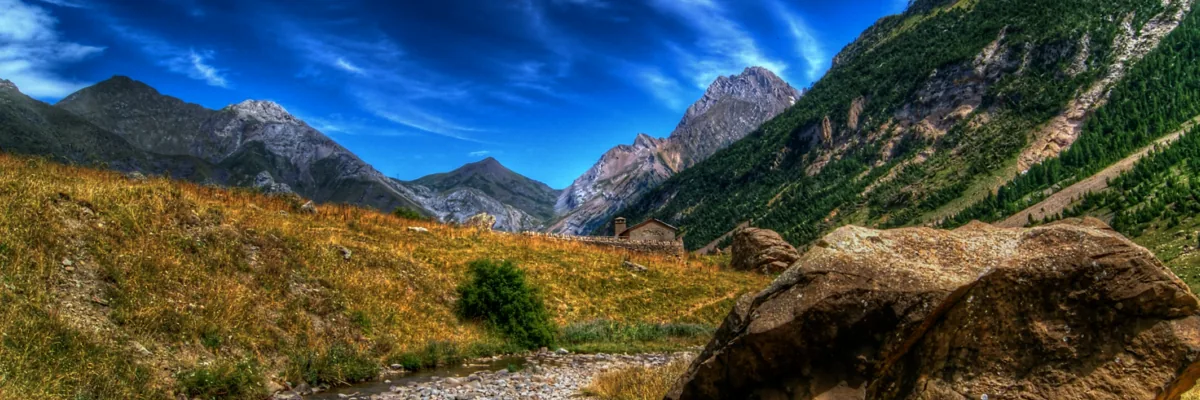
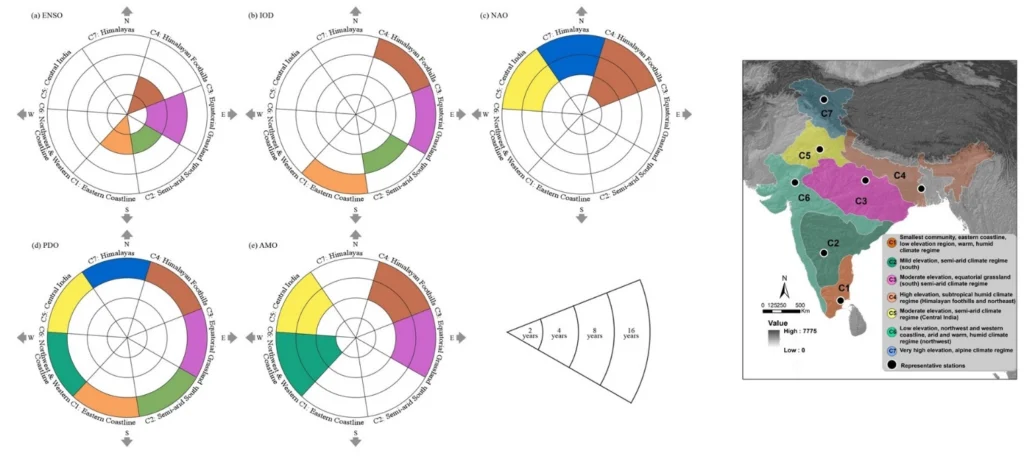
Today’s we launch one of our promised activities: the NPG Paper of the Month. This month the award is achieved by Jürgen Kurths and co-authors for their paper “Unravelling the spatial diversity of Indian precipitation teleconnections via a non-linear multi-scale approach” (https://www.nonlin-processes-geophys.net/26/251/2019/). Ankit Agarwal, one of the authors of the manuscript, tells us about the …[Read More]
Latest posts
Writing the Methods Section
An important part of science is to share your results in the form of papers. Perhaps, even more important is to make those results understandable and reproducible in the Methods section. This week, Adina E. Pusok, Postdoctoral Researcher at the Department of Earth Sciences, University of Oxford, shares some very helpful tips for writing the …[Read More]
Gender equality and equal opportunities – keep the discussion going!
Why do I feel uncomfortable as the only woman in a meeting? Why do they gossip about the male postdoc who is supervising three female MSc students? Have I really been asked to give this presentation just because I am a woman? It was thanks to all the work and reading I was doing for …[Read More]
Stromboli: The Lighthouse of the Mediterranean
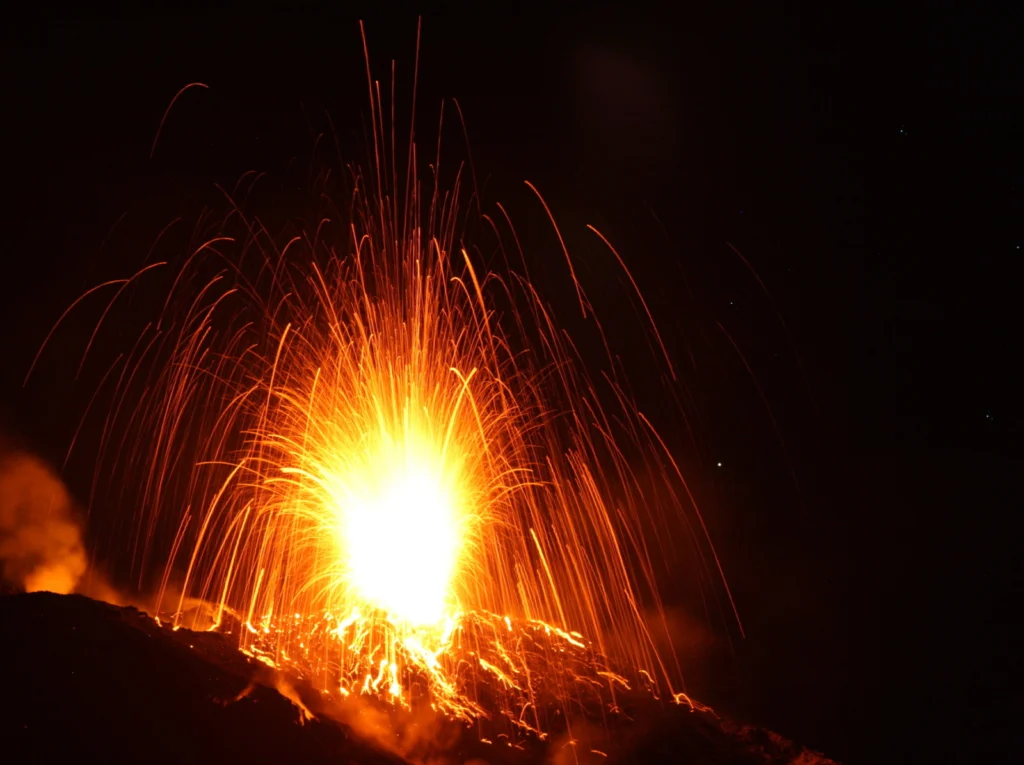
In the last months two paroxysmal explosive eruptions took place at Stromboli volcano: the first one, totally unexpected, on 3rd July (Video 1) that sadly cost the life of a person and the second and, currently, last one about three weeks ago, on the 28th August (Video 2). Today we try to answer a couple …[Read More]
New Paper: Interconnected Geoscience for International Development
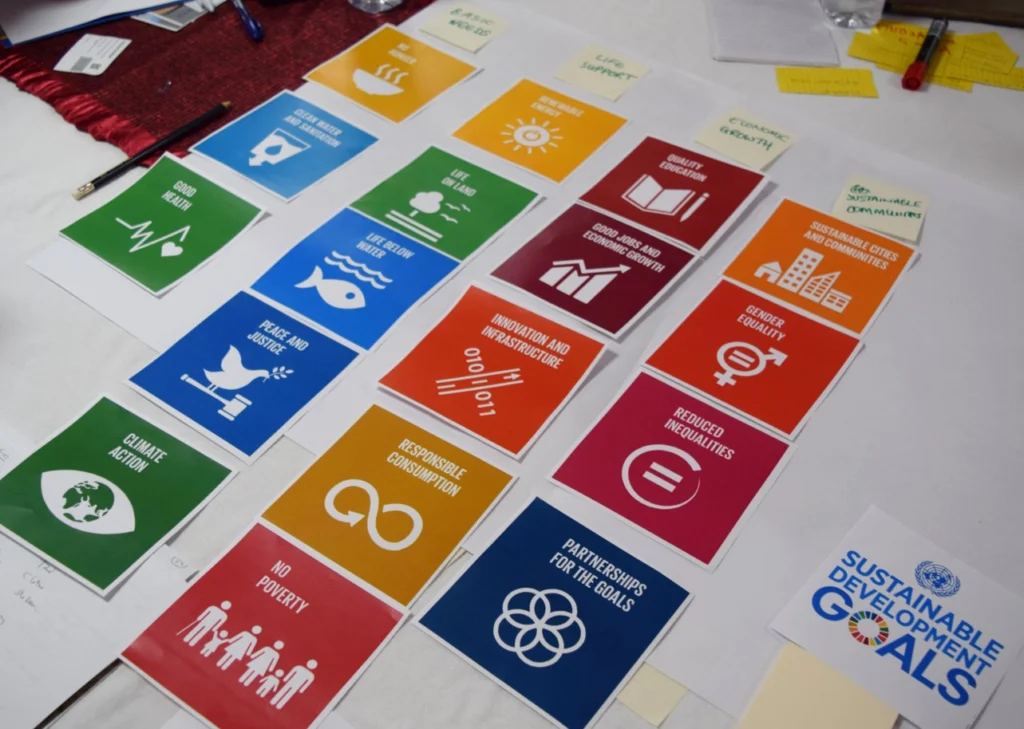
A new paper published in Episodes: The Journal of International Geoscience highlights the importance of geoscience in tackling complex development challenges, and the need for new approaches to overcome barriers preventing greater application of geoscience within development. ‘Interconnected geoscience for international development‘, written by Professor Michael Petterson of Auckland University of Technology (New Zealand) sets …[Read More]
#mineralmonday: tiptopite
#mineralmonday: your weekly* dose of obscure mineralogy, every Monday** [*not guaranteed; **or possibly Tuesday-Sunday] What is it? Tiptopite: K2Na1.5Ca0.5Li3Be6(PO4)6(OH)2•(H2O) What’s it made of? Take a deep breath and recite after me: potassium, sodium, calcium, lithium, beryllium, phosphorus, oxygen and water (H2O). Is it pretty? Yes, it’s a beautiful fibrous mineral. You wouldn’t put it on …[Read More]
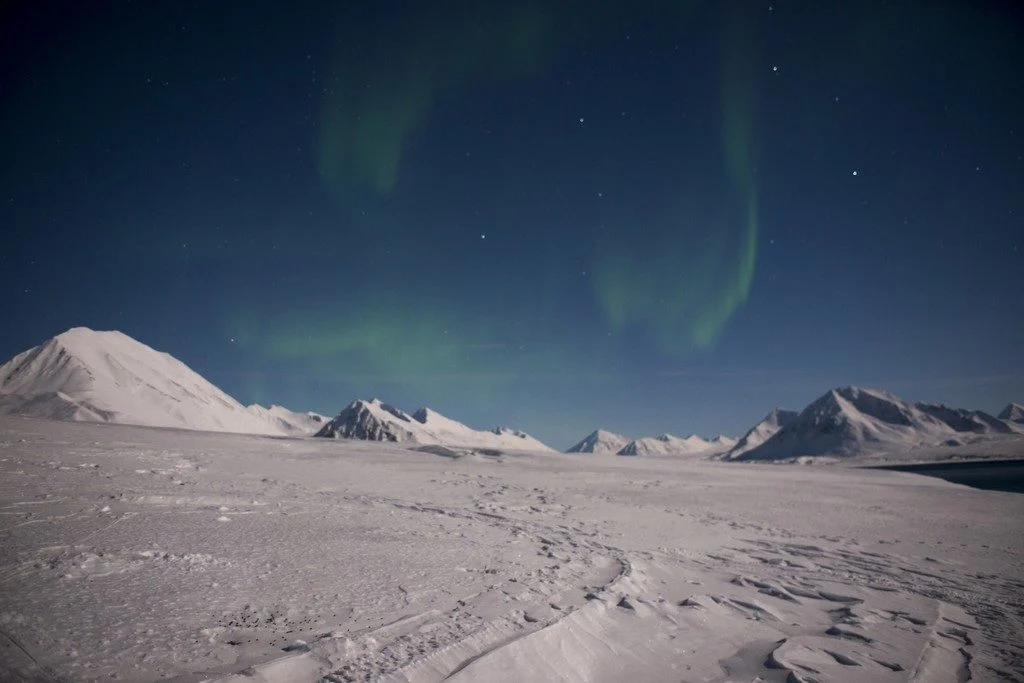
Imaggeo on Mondays: How do Earth’s Northern Lights form?
Aurora Borealis, which means Northern Lights are caused by electrically charged particles from the sun, which enter the Earth’s atmosphere and collide with gases such as oxygen and nitrogen. When the charged particles are blown towards the Earth by the solar wind, they are largely deflected by the Earth’s magnetic field. However, the Earth’s magnetic …[Read More]
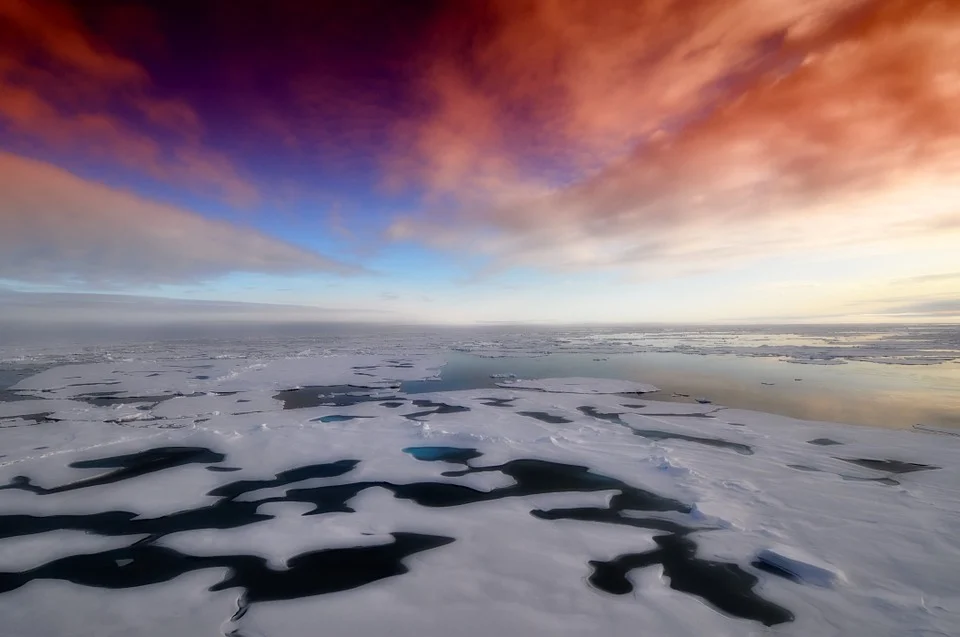
Climate Change & Cryosphere – Why is the Arctic sea-ice cover retreating?
The Arctic Ocean surface is darkening as its sea-ice cover is shrinking. The exact processes driving the ongoing sea-ice loss are far from being totally understood. In this post, we will investigate the different causes of the recent retreat of the Arctic sea-ice cover, using the most updated literature… Arctic sea ice is disappearing Due …[Read More]
The Sassy Scientist – Pluto Panic
Every week, The Sassy Scientist answers a question on geodynamics, related topics, academic life, the universe or anything in between with a healthy dose of sarcasm. Do you have a question for The Sassy Scientist? Submit your question here or leave a comment below. After a distraught period (of more than a decade!) since the news …[Read More]
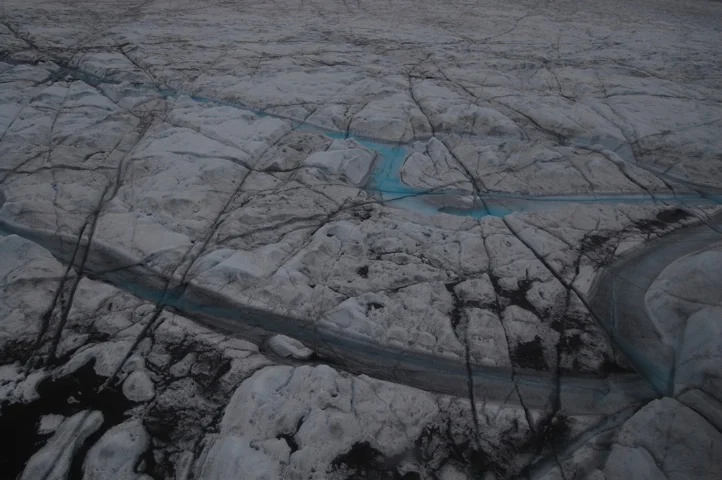
A brighter future for the Arctic
This is a follow-up from a previous publication. Recently, a new analysis of the impact of Black Carbon in the Arctic was conducted within a European Union Action. “Difficulty in evaluating, or even discerning, a particular landscape is related to the distance a culture has traveled from its own ancestral landscape. As temperate-zone people, we …[Read More]