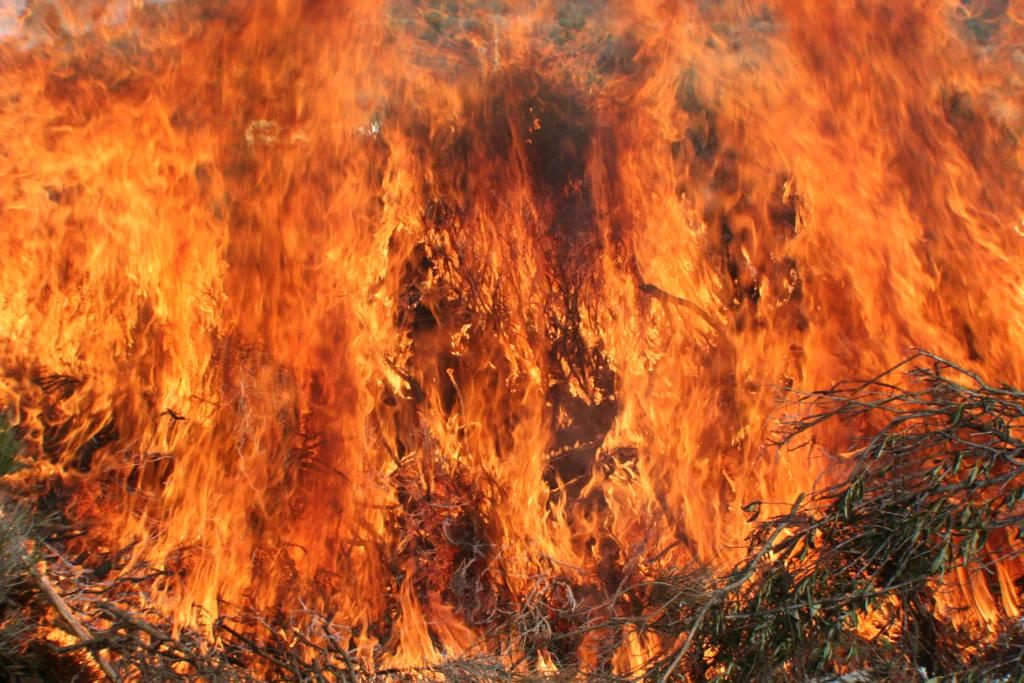
Dr. Marta López-Saavedra (Natural Risks Assessment and Management Service (NRAMS)) represented EGU’s Science for Policy Climate Hazard and Risk External Advisory Group at the CCEC Symposium on European and Global Wildfires, Budapest, September 2026. This blog represents Marta’s reflections of the event, of Europe’s current landscape of wildfire risk, and how research can be integrated …[Read More]
Latest posts
Walking on ice: a multi-perspective view on lake ice
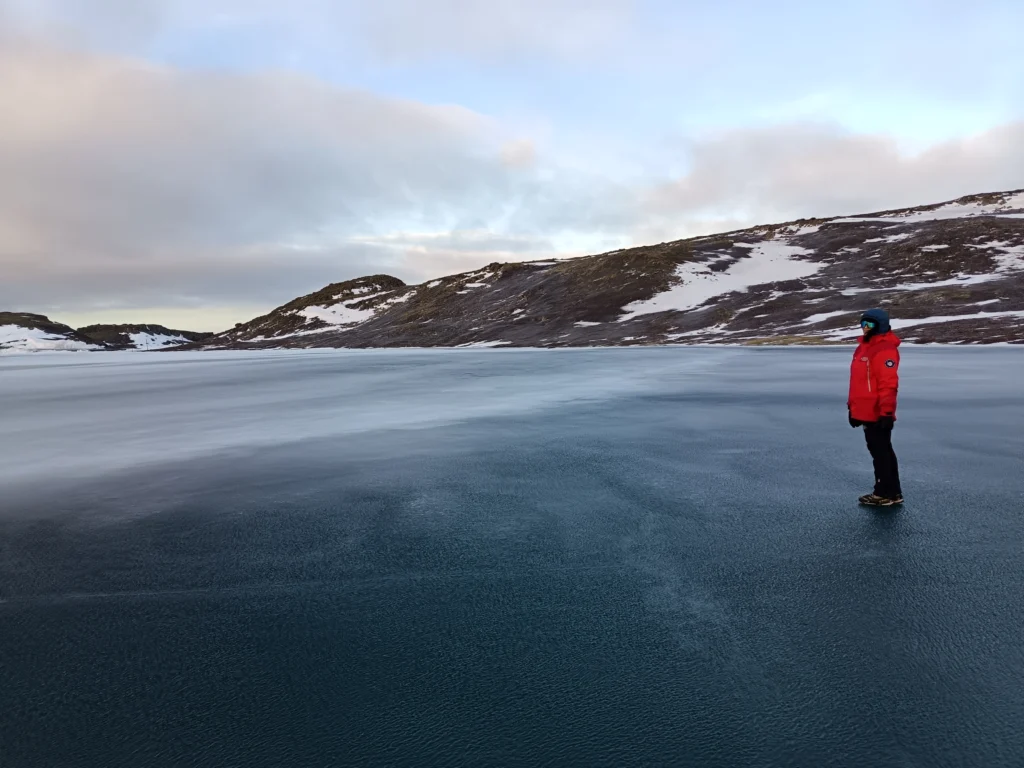
A frozen lake can be more than a layer of ice. It can become a road, a fishing ground, a place of spiritual significance, or a window into a changing climate. From the ice-covered waters of the Northern Hemisphere to Patagonia, lake ice shapes ecosystems and influences communities. But as temperatures rise, lake ice is …[Read More]
Twenty futures, one decision: how much water risk are you willing to take?
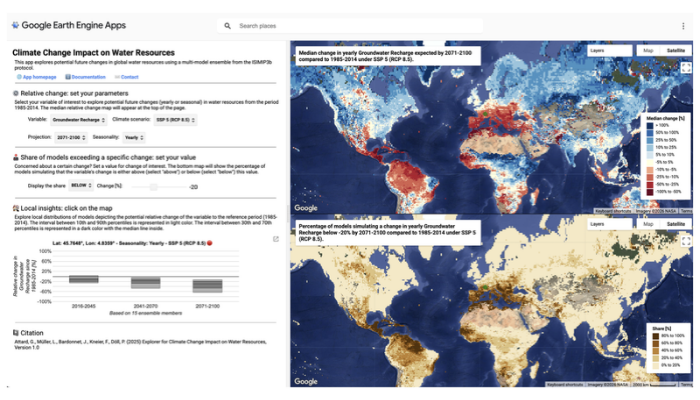
A question with no single answer Imagine you are responsible for the water supply of a small town in the hills. Your wells tap groundwater, fed by rain and snowmelt seeping slowly through soil and rock. One day the town council asks a simple question: Will there still be enough water in August, fifty years …[Read More]
“Buried Alive by the National Coal Board”: Commemorating the 60th anniversary of the Aberfan Mining Disaster
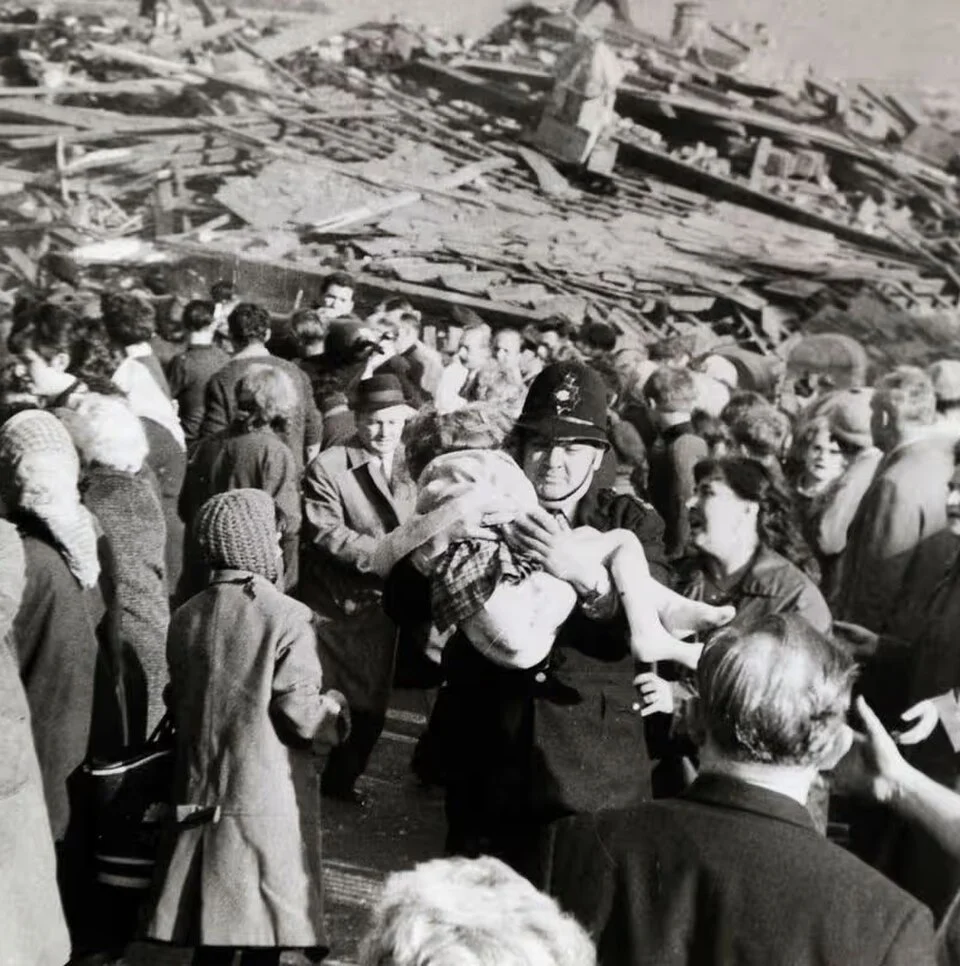
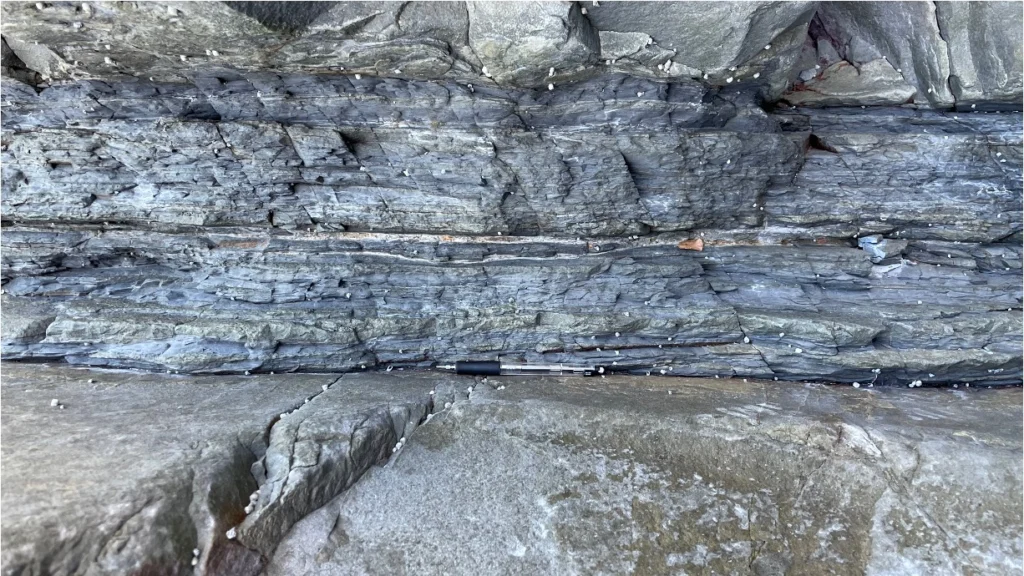
Aberfan is located in the South Wales Valleys and developed as a coal mining village during the industrial revolution in the mid-1800s. The village is much like any of the other villages scattered across the region – rows on rows of small terrace houses, nestled into the sides and bottom of steep, glacially eroded valleys. …[Read More]
Explosive Inside, Effusive Outside: What is it that makes volcanoes erupt the way that they do, and how does that relate to how all ECRs feel inside?
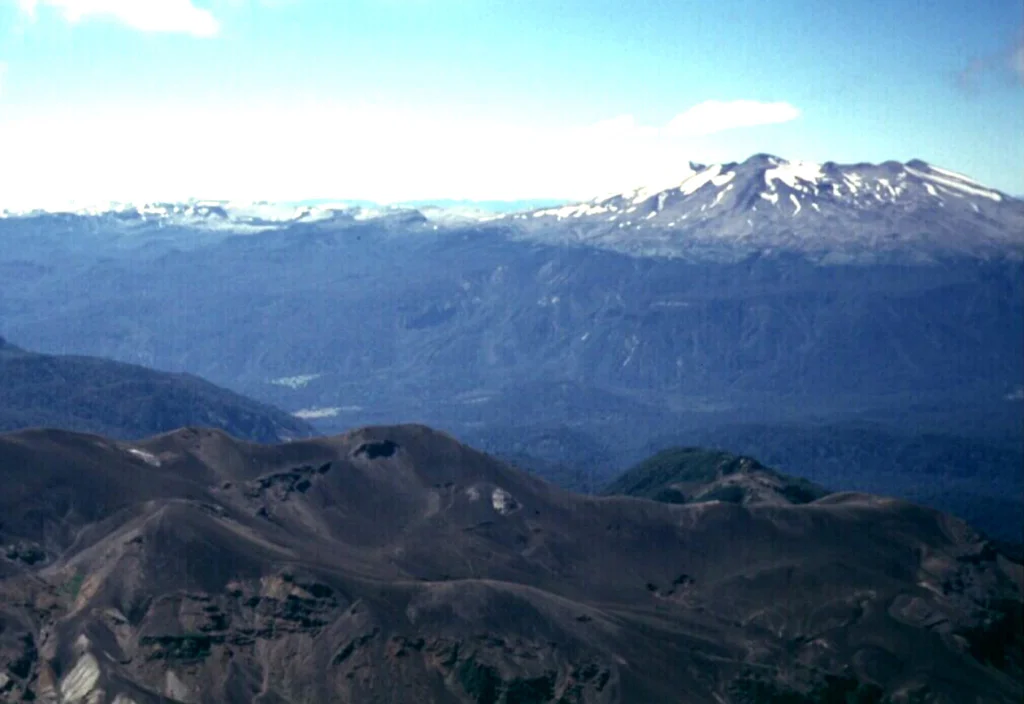
Let’s get the joke out of the way first, because I made it to myself more than once while finishing this piece: “explosive inside, effusive outside” is a fairly accurate description of the average Early Career Researcher trying to hold it together inside the current state of academia. Calm, composed, professionally cheerful on the surface; …[Read More]
The World is Your Oyster (Bed)
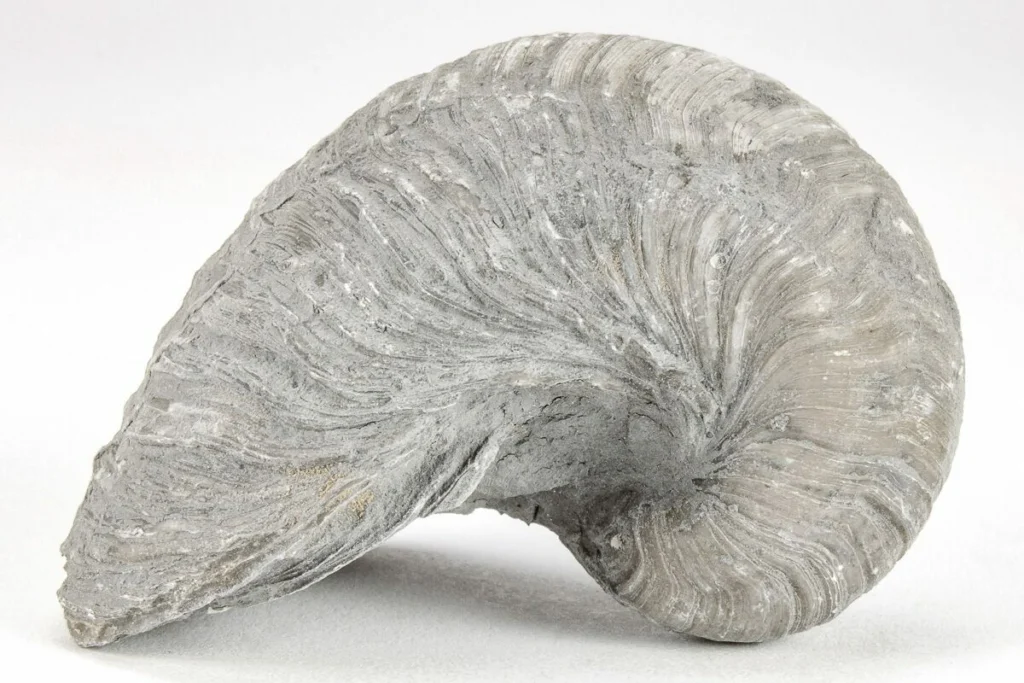
Introduction – a little Shellfish Our story starts in Springbank, where the discovery of an anomalous oyster bed, slap bang in the middle of more than a kilometre of Cretaceous terrestrial deposits, led me (as so often happens) on a fascinating voyage of discovery exploring the origins of fossil oyster beds, focusing on Alberta. This …[Read More]
Pathways of force within granular layers
Earth’s surface is covered by many kinds of granular materials, including sediments and soils. Below ground, grains are also widespread in unconsolidated deposits and fault zones; even polycrystalline rocks deep inside the Earth are made up of mineral grains. These materials deform under their own weight and external forces, but what forces act inside them? …[Read More]
In Defence of Uncertainty: Why we can’t avoid it and why we need it
Welcome to the second post in our GeoLog series on communicating uncertainty! Written by students from an interdisciplinary course at the University of Tübingen led by Dr. Solmaz Mohadjer, this series highlights how reframing the unknown as a strength can transform science communication. In this piece, Ana Isidora Ciobanu and Sarah Lind show why uncertainty …[Read More]
An Interview on the importance of simplification – modeling the weathering crust and microbial activity on ice sheets
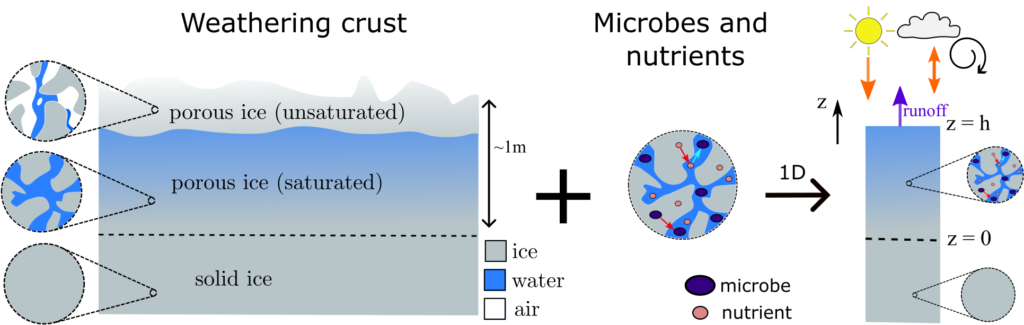
The weathering crust of ice sheets or glaciers is a layer of porous ice, bordering on impermeable ice below and influencing the meltwater storage and production. This physically complex environment harbors a wide range of microorganisms that themselves affect the weathering crust and contribute to darkening of ice surfaces. The two factors – microbial community …[Read More]
Why Did a Magnitude 6.8 Earthquake Left Malaysia Unscathed?
On 23rd February 2026, Malaysia faced one of the strongest earthquakes ever recorded in its history. A magnitude 6.8 event struck offshore Sabah, the most seismically active state in Malaysia. The event was reported as magnitude 6.8 by MetMalaysia, while the USGS recorded it as magnitude 7.1, with the difference reflecting variations in magnitude estimates …[Read More]