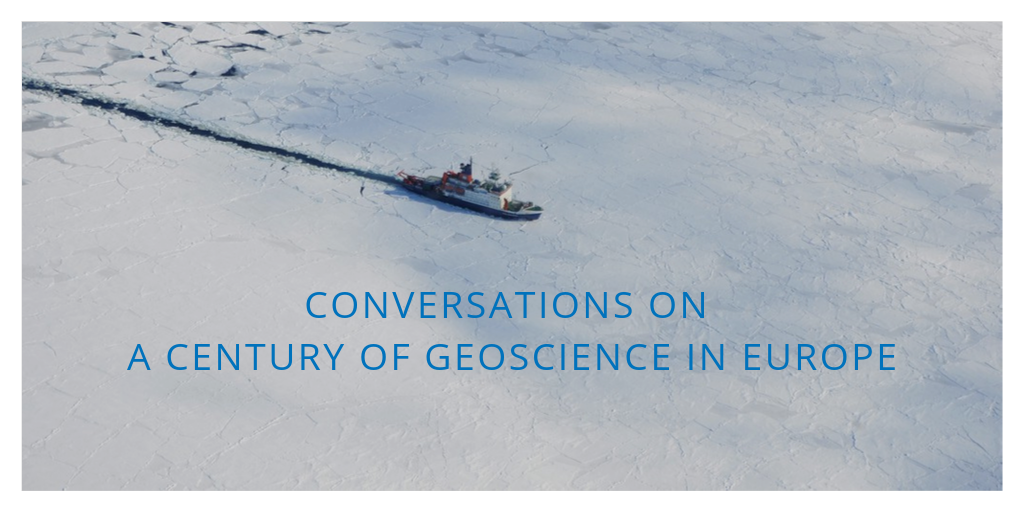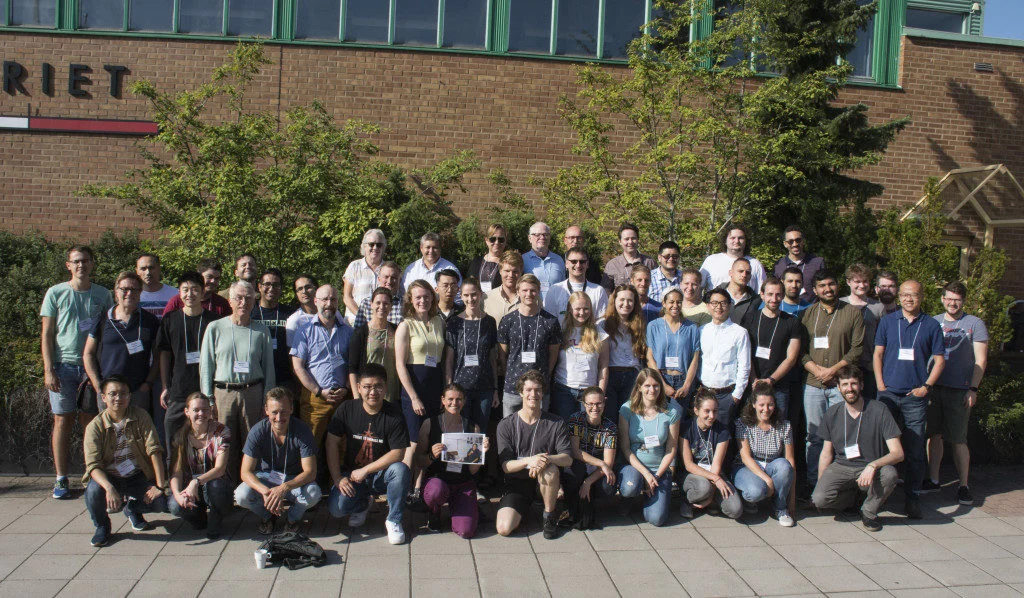
When you think about the last century of geoscience, what comes to mind? Perhaps Alfred Wegener’s theory of continental drift? Or Inge Lehmann’s discovery of Earth’s solid inner core? Over the last 100 years, geoscientists have made incredible contributions to our understanding of the Earth, the solar system, and beyond. The science community has explored …[Read More]
Latest posts
Cryo-Comm – Degrading Terrains
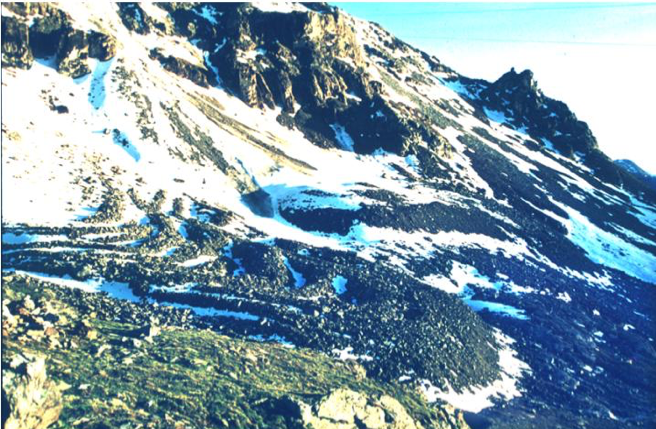
Beneath dusted peaks of mountain dew A dense and rigid backcloth skulks, Worn down and compacted with Fractured decades of aged powder; Trodden into rocky outcrops To lie barrenly against This frozen, ancient soil. Subtle shifts of these forgotten rocks Ripple across subterranean sediments, Dislodging once-stable foundations That now cascade like an ocean; Echoing …[Read More]
The Sassy Scientist – Earthquake Exoteries Nr. IV
Every week, The Sassy Scientist answers a question on geodynamics, related topics, academic life, the universe or anything in between with a healthy dose of sarcasm. Do you have a question for The Sassy Scientist? Submit your question here or leave a comment below. In a comment on a post about the key papers in geodynamics, …[Read More]
Features from the field: Ripple Marks
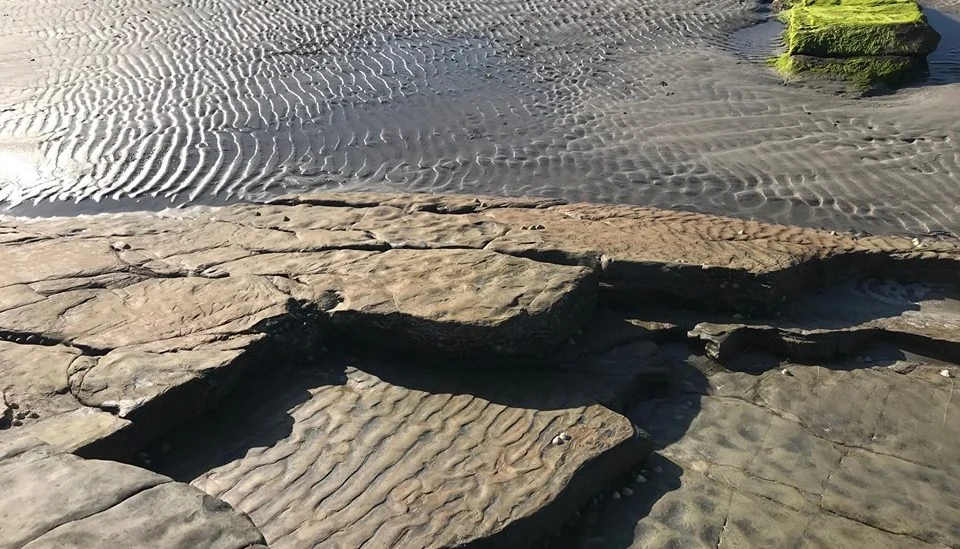
Earlier this year, Ian Kane, geologist at the University of Manchester, captured the iconic snapshot shown above. The picture reveals ripples, developed due to waves and currents in the sand of White Strand (near Killard, county Clare, Ireland) right next to Carboniferous sandstone that contains ‘petrified’ ripple marks! The image is powerful, because it shows …[Read More]
The geodynamics of planetary habitability
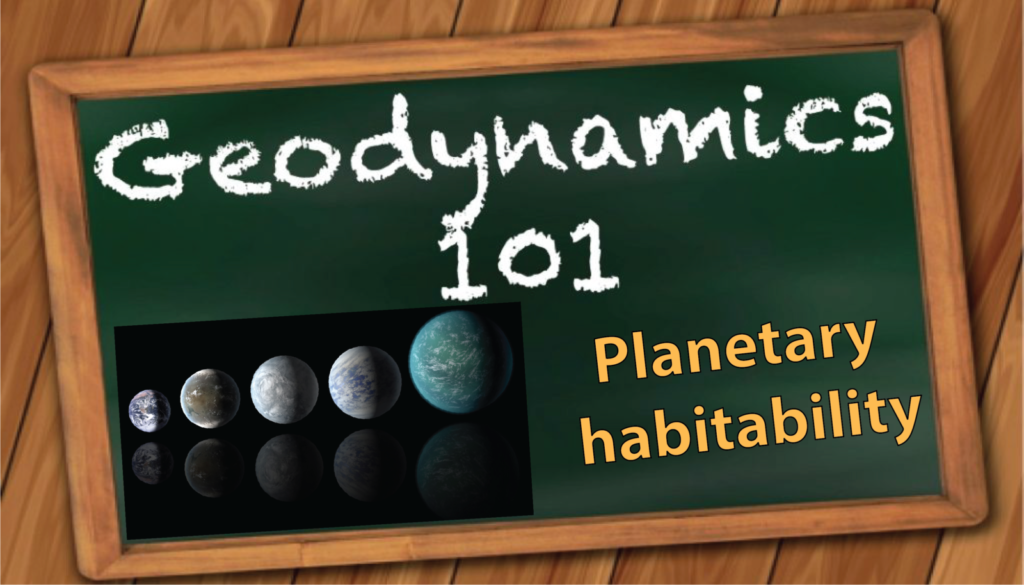
The Geodynamics 101 series serves to showcase the diversity of research topics and/or methods in the geodynamics community in an understandable manner. In this week’s Geodynamics 101 post, Brad Foley, Assistant Professor at the Department of Geosciences, Pennsylvania State University, talks about the geodynamics of planetary habitability and in particular the key role of CO2 …[Read More]
YHS interview Serena Ceola: shedding light on interrelations between human impacts and river networks
In its “Hallway Conversations” series, the Young Hydrologic Society has recently published an interview with Serena Ceola, who is a senior assistant professor at University of Bologna, Department of Civil, Chemical, Environmental, and Materials Engineering. The interview was conducted by Sina Khatami, a PhD student at the University of Melbourne. With their agreement, we reproduce the …[Read More]
Imaggeo on Mondays: An expedition to better understand Antarctic soils
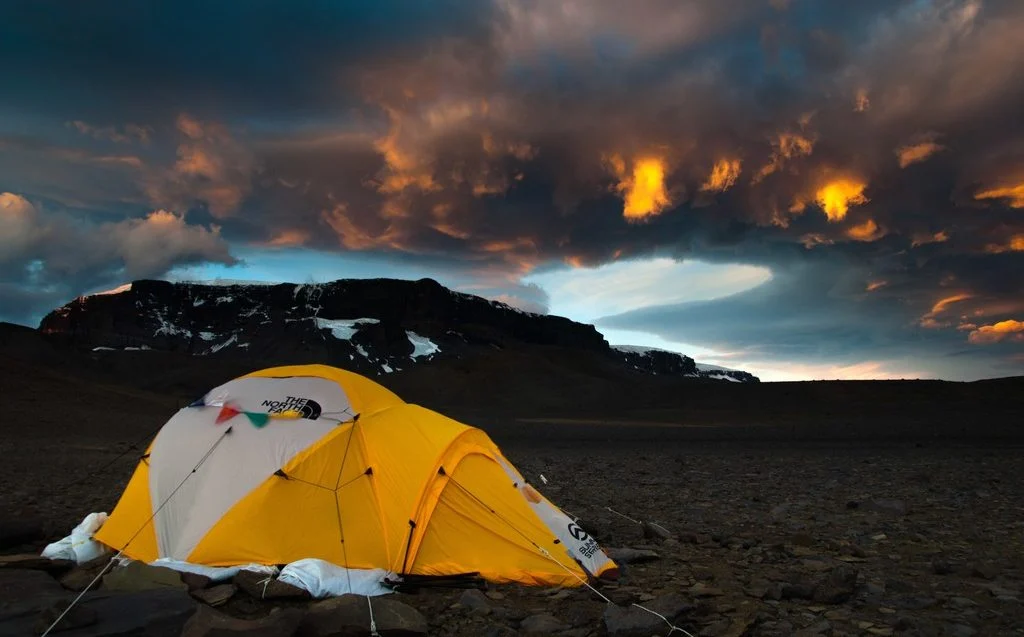
A dramatic evening sky puts the frame to a photo taken during the Brazilian Antarctic expedition to James Ross Island in 2016. Brazilian palaeontologists and soil scientists together with German soil scientists spent over 40 days on the island to search for fossils and sample soils at various locations of the northern part of the …[Read More]
Cryo-Adventures – The Glacial Isostatic Adjustment (GIA) Training School: Personal and Virtual Attendance
The 2019 Glacial Isostatic Adjustment (GIA) Training School was hosted by Lantmäteriet (the Swedish Mapping, Cadastral, and Land Registration Authority) in Gävle, Sweden from 26 – 30 August. GIA is the response of the solid Earth to past and present-day changes of glaciers and ice sheets. Research interests in GIA span the geosciences: from regional planning …[Read More]
The Sassy Scientist – Earthquake Exoteries Nr. III
Every week, The Sassy Scientist answers a question on geodynamics, related topics, academic life, the universe or anything in between with a healthy dose of sarcasm. Do you have a question for The Sassy Scientist? Submit your question here or leave a comment below. In a comment on a post about the key papers in geodynamics, …[Read More]
Groundwater pumping poses worldwide threat to riverine ecosystems
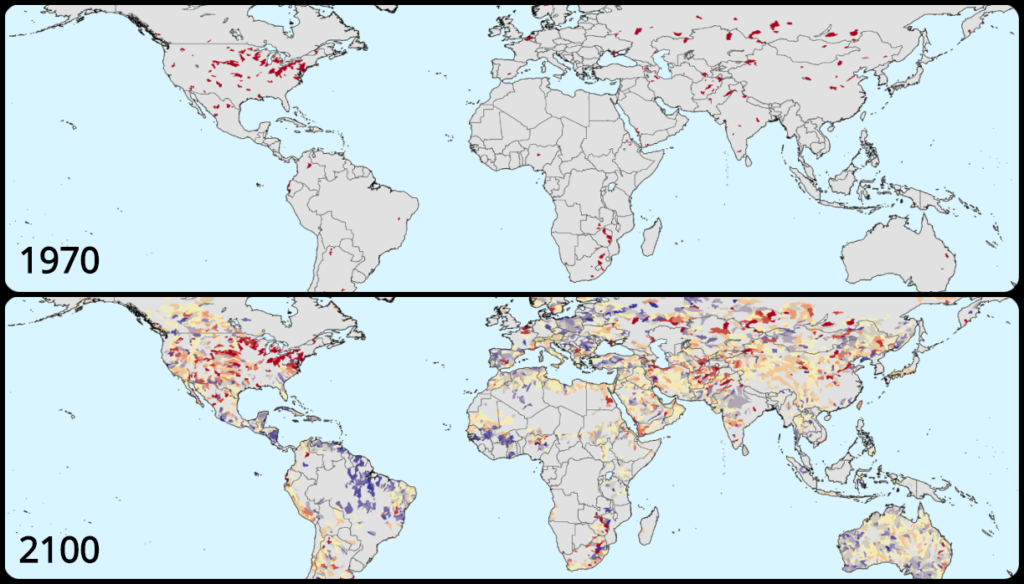
Post by Inge de Graaf, Assistant Professor of Hydrological Environmental Systems at the University of Freiburg. With the climate strikes happening all over the world, I sometimes wish I had a crystal ball that would allow me to look into the future. Or even better, a crystal ball that could show me different scenarios of …[Read More]