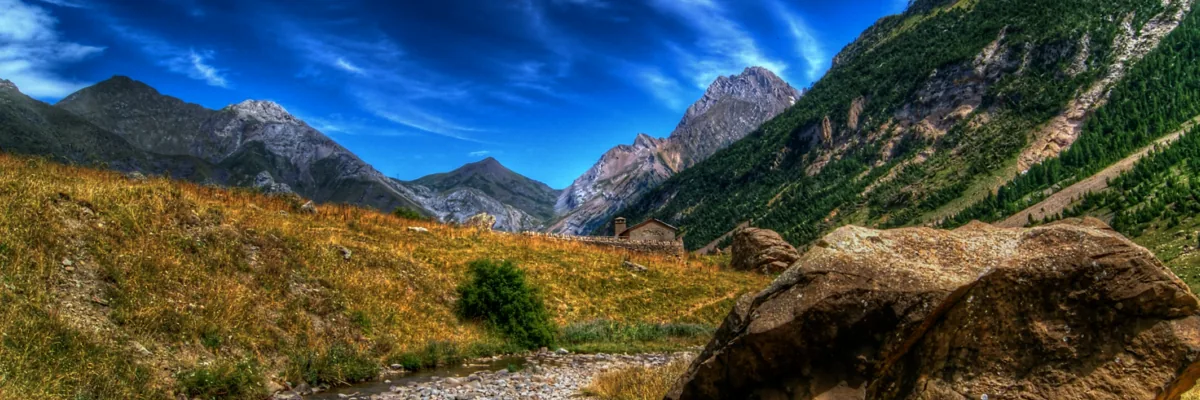
Detail of a photo: Large angular boulder beside a shallow pebbly stream in a grassy mountain valley, below steep forested slopes and rocky peaks under a dramatic blue sky, in heavily processed colours.
EGU Blogs

Latest posts

Necessary Evils in Transitioning to a Sustainable Future

Necessary Evils in Transitioning to a Sustainable Future

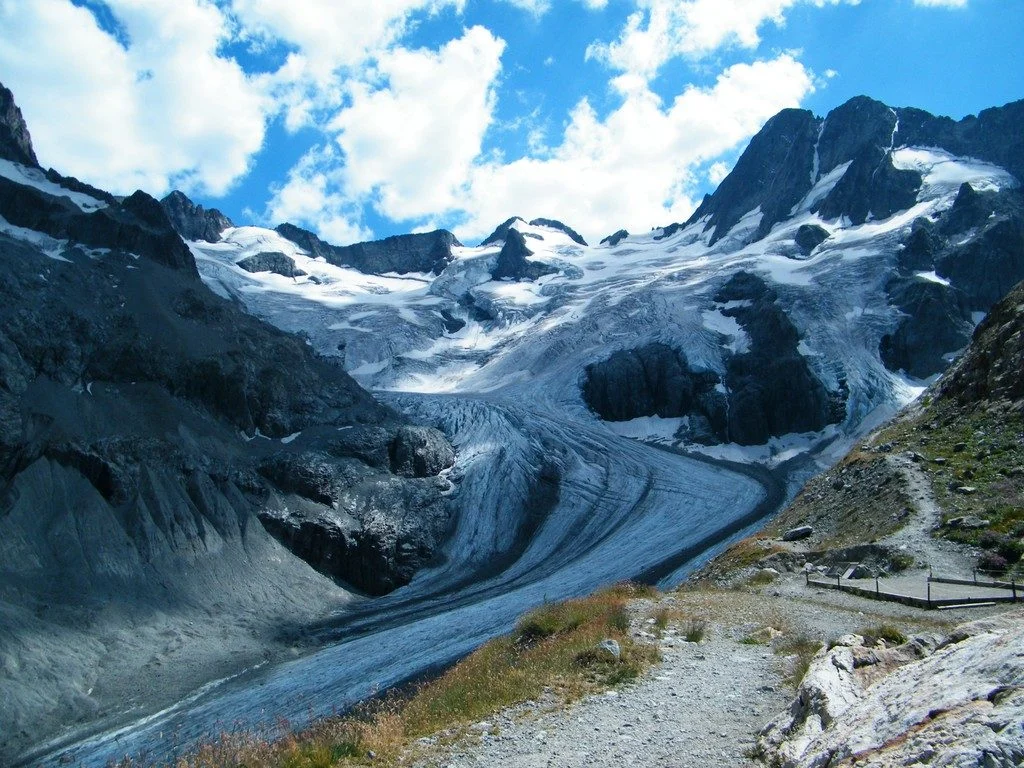
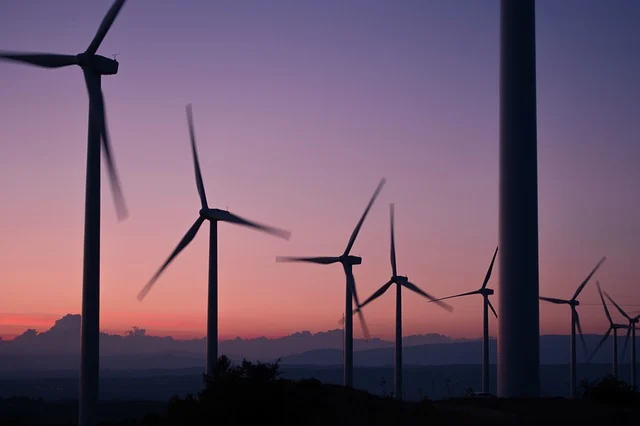
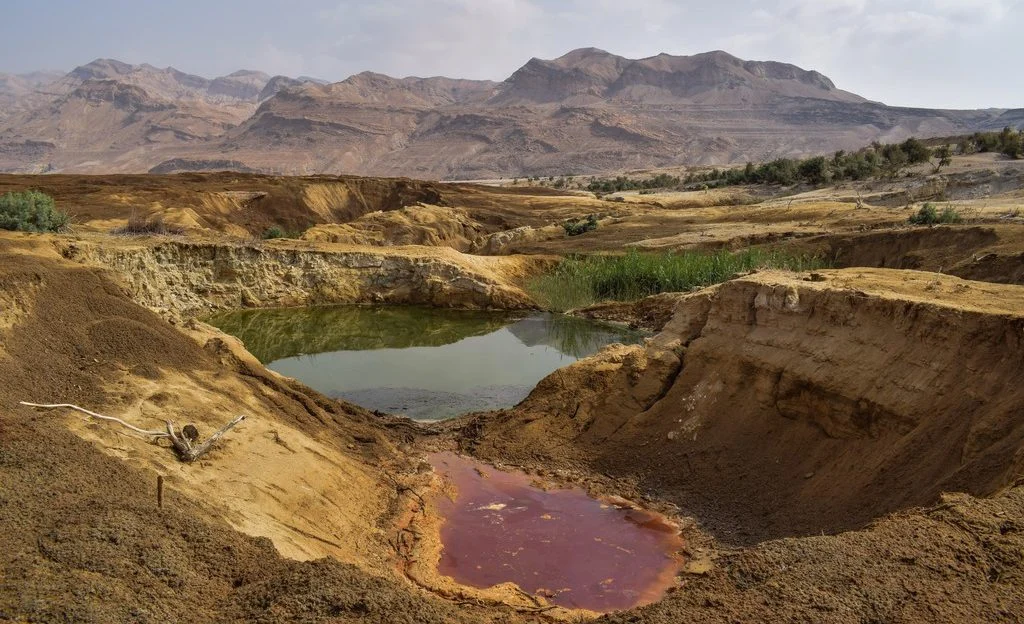
Robert Emberson can’t help but wondering how geoscience, whilst having great potential for helping sustainable development, has been fueling polluting industries for centuries. Should geoscientists shy away completely from engaging with traditional industries? What are their roles and geoscientists’ roles in transitioning to a more sustainable world? [Editor’s note: This post reflects Robert’s personal opinions. …[Read More]

CL

Habits in numerical model construction

Habits in numerical model construction

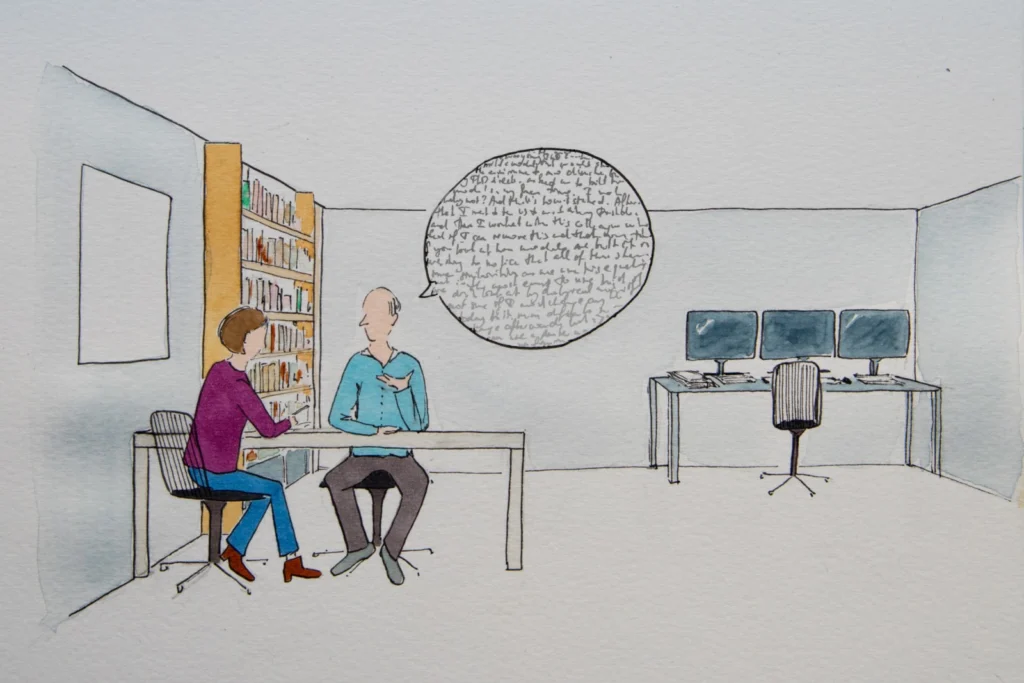
  Numerical models are omnipresent in climate research. Constructed to understand the past, to forecast future climate and to gain new knowledge on natural processes and interactions, they enable the simulation of experiments at otherwise unreachable time and spatial scales. These instruments have long been considered to be fed – let even determined – by …[Read More]

SSP

The hard part of life: the secrets of biomineralization

Biomineralization is a fascinating natural process by which living organisms produce hierarchical mineral structures with diverse functions. The “secrets” of biomineralization are explored by the scientists since decades but there are still open questions regarding its function, the regulating mechanisms and why and when biomineralization started.This process occurs through self-organization of organic and inorganic molecules …[Read More]

CR

Cryo-Comm – Capturing Ice

Cryo-Comm – Capturing Ice

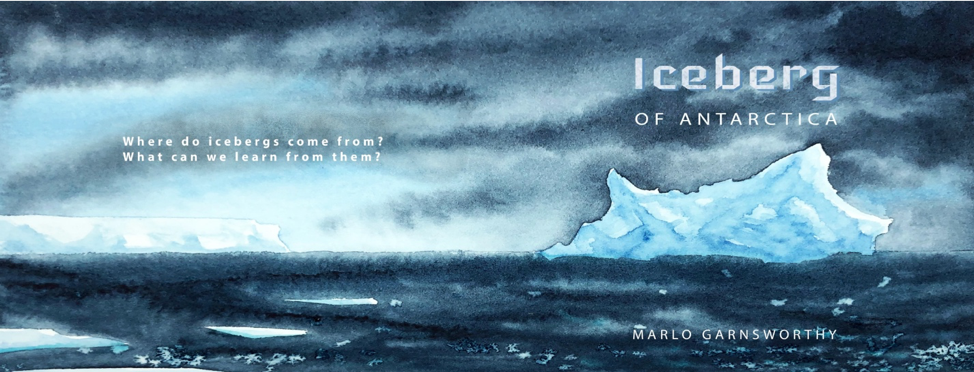
In this week’s blogpost, author, editor, artist, and outreach expert Marlo Garnsworthy gives some insights into her recent trip to Iceberg Alley, gives you some tips on how to communicate icy science, and shows us her inspirational artwork. If you’re reading this, ice may be on your mind. Ice is surely on mine. During my …[Read More]

How successful disaster risk reduction looks like. Modelling economics with climate science. How do rocks end up in your food? That and more in Jesse Zondervan’s September 2019 #GfGDpicks #SciComm

How successful disaster risk reduction looks like. Modelling economics with climate science. How do rocks end up in your food? That and more in Jesse Zondervan’s September 2019 #GfGDpicks #SciComm

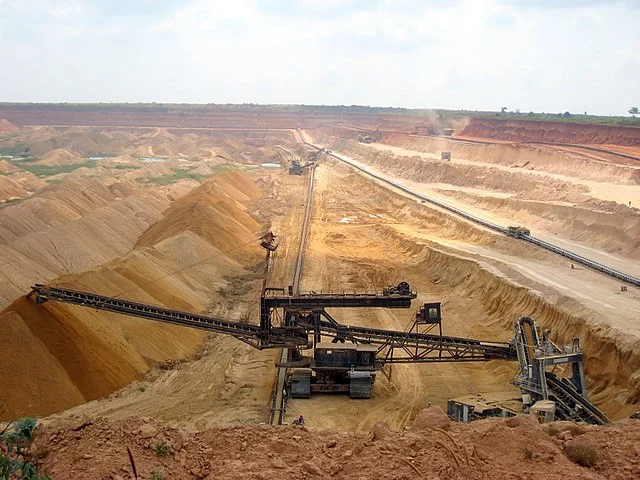
Each month, Jesse Zondervan picks his favourite posts from geoscience and development blogs/news which cover the geology for global development interest. Here’s a round-up of Jesse’s selections for the last month: Minimising disaster risk has two dimensions, understanding the hazard and targeting people’s behaviour. Therefore to prevent volcanoes killing people, researchers have studied why people …[Read More]