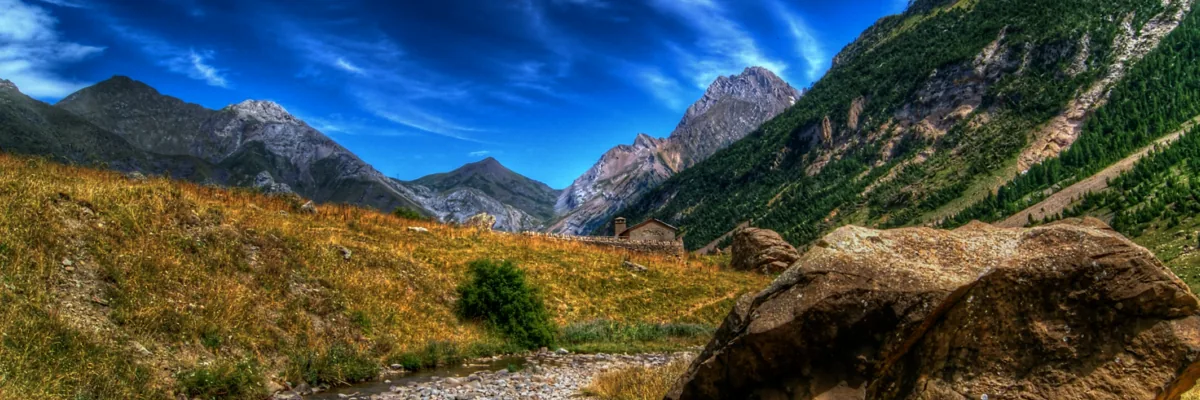
Detail of a photo: Large angular boulder beside a shallow pebbly stream in a grassy mountain valley, below steep forested slopes and rocky peaks under a dramatic blue sky, in heavily processed colours.
EGU Blogs

Latest posts

Imaggeo on Mondays: Subsurface meteorolgy in Iceland

Imaggeo on Mondays: Subsurface meteorolgy in Iceland

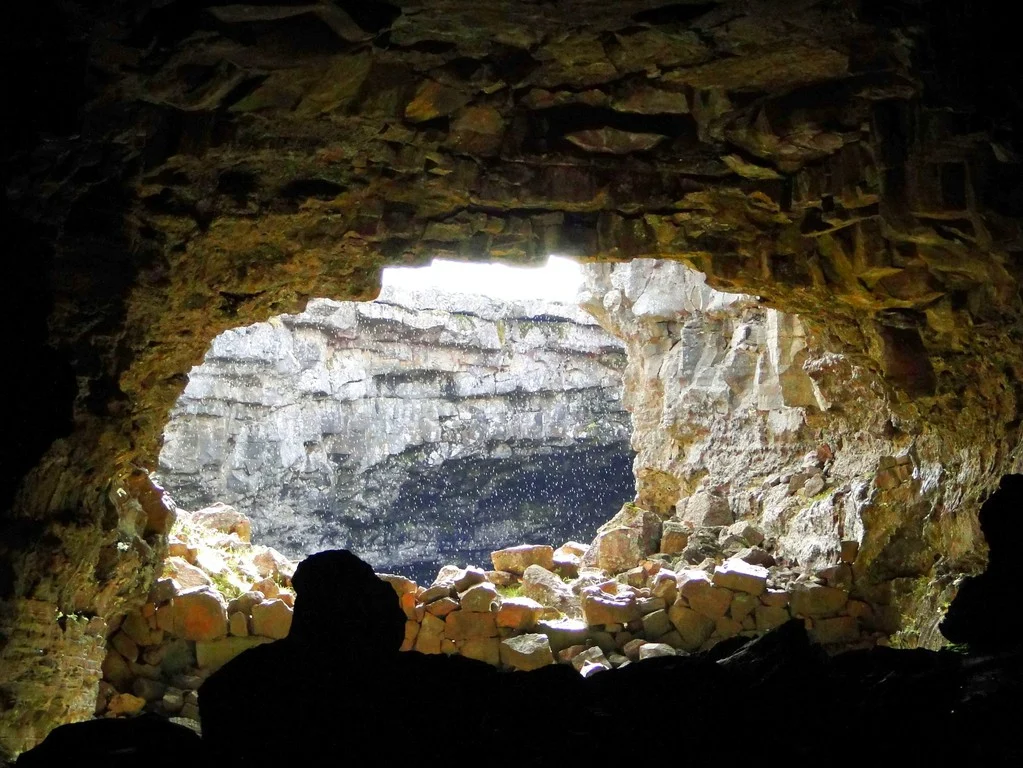
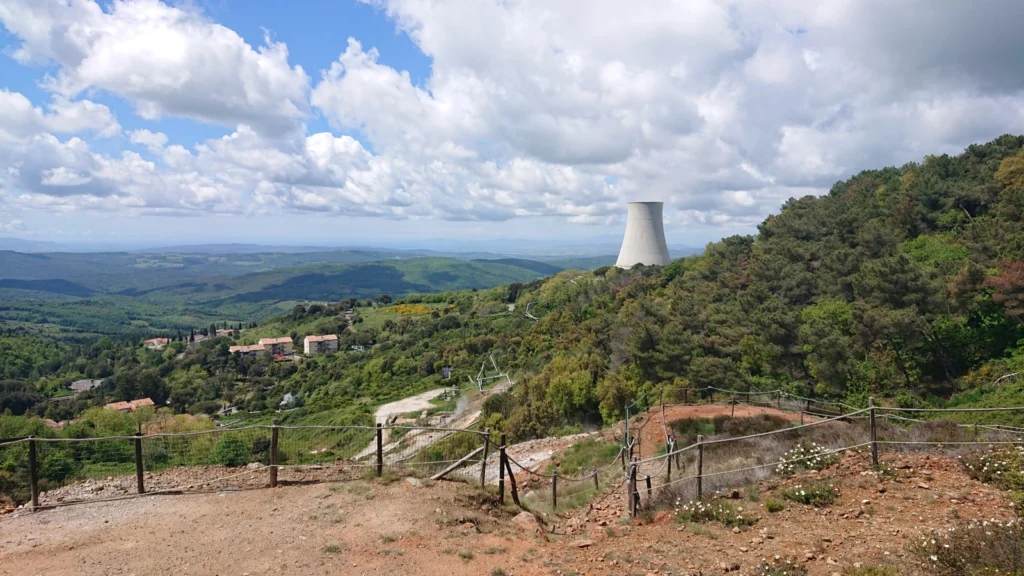
With a total length of about 2 km, the Surdsellir lava cave is part of the Hallmundarhraun lava field in western Iceland. The caves ceiling is partly broken in, forming entrances and windows towards the earths surface. On this day of typically Icelandic weather, meteorological conditions changed quickly between sun, clouds, rain and wind. While …[Read More]

Can limestone digestion by volcanoes contribute to higher atmospheric carbon dioxide levels?

Can limestone digestion by volcanoes contribute to higher atmospheric carbon dioxide levels?

By Frances Deegan and Ralf Halama Carbon – the element on everyone’s lips. Carbon is unquestionably one of the most important elements on Earth – terrestrial life is carbon-based and so are many of our energy sources. From the perspective of a human time-scale, biological and anthropogenic (caused by human activity) carbon fluxes are very …[Read More]

Geosciences Column: Taking a Breath of the Wild – are geoscientists more effective than non-geoscientists in determining whether video game world landscapes are realistic?

Geosciences Column: Taking a Breath of the Wild – are geoscientists more effective than non-geoscientists in determining whether video game world landscapes are realistic?

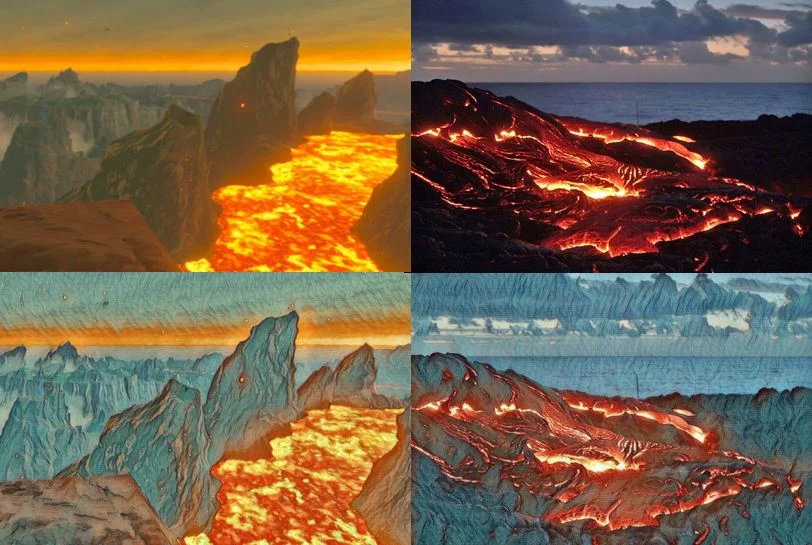
For years, geoscientists have been both fascinated and perplexed by the beautiful (yet often inaccurate) landscapes present in several video games. But are people with a geoscientific education better at telling ‘fake’ natural features from real ones? Rolf Hut, an assistant professor at Delft University of Technology in the Netherlands, and his colleagues sought to …[Read More]

HS

Featured catchment series: Disentangling the ecohydrology of a tropical hotspot!

Featured catchment series: Disentangling the ecohydrology of a tropical hotspot!

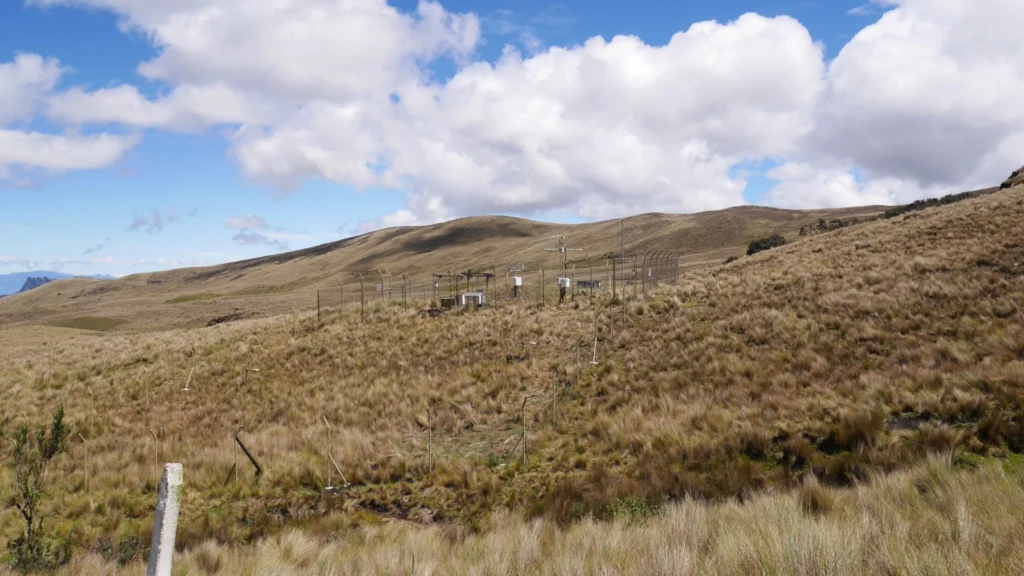
Zhurucay Ecohydrological Observatory: Critical zone observations at the top of the Andes! A natural laboratory of tropical alpine ecohydrology Tropical alpine ecosystems, known as the Páramo, extend to high elevations (3,000-5,000 m a.s.l.) mainly through the northern Andes of South America from Venezuela to northern Peru. Given their geographical location and elevation, Páramo areas are …[Read More]