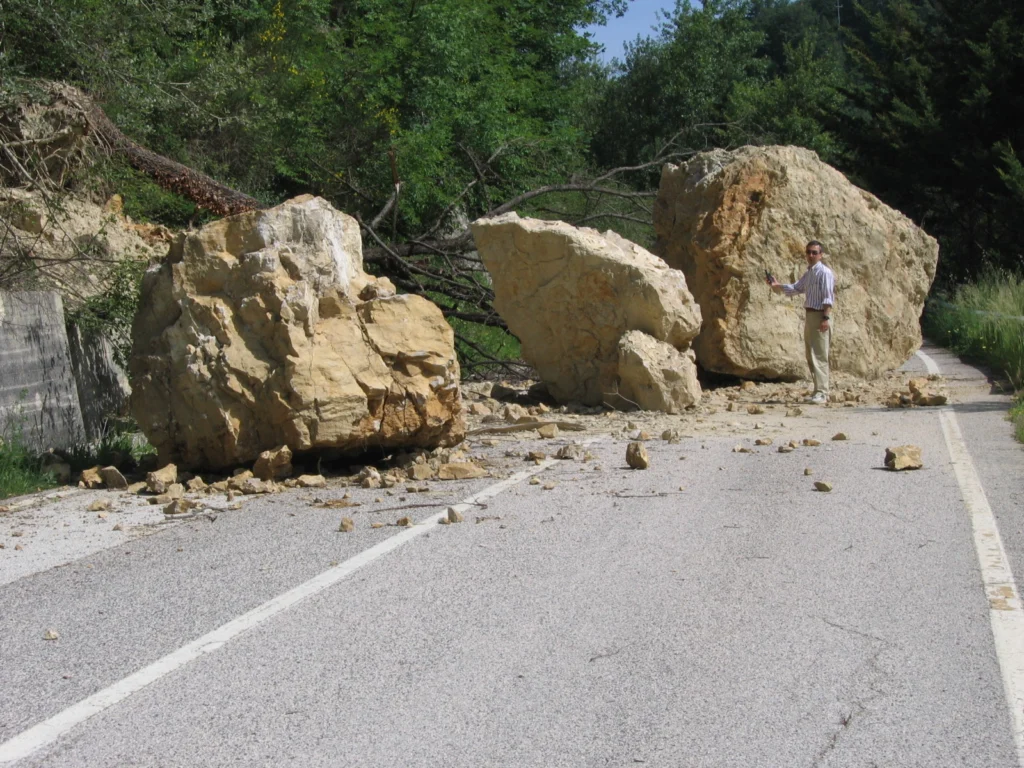
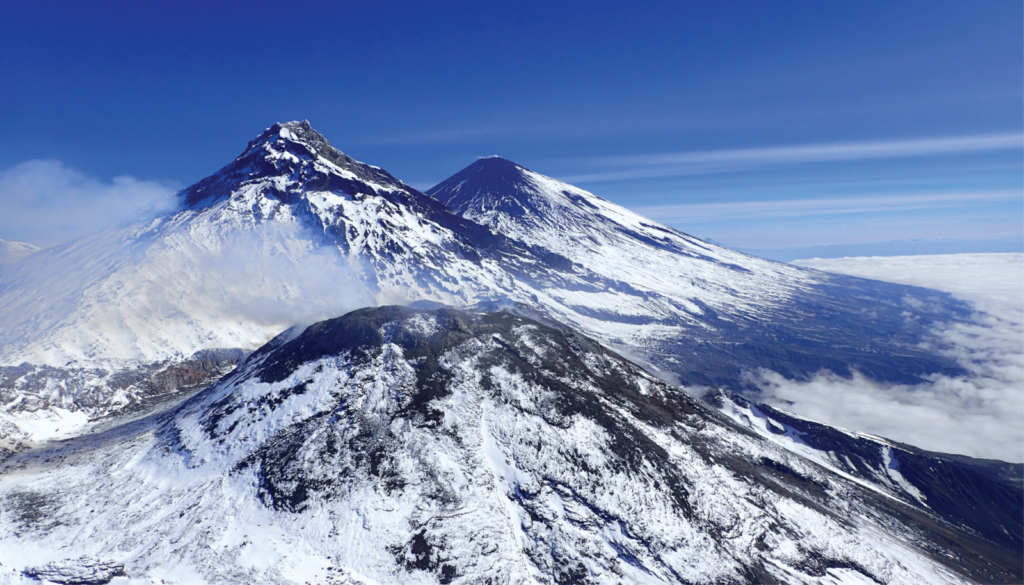
Dr Fausto Guzzetti, current Research Director of the National Research Council (CNR) in Italy, has been awarded the 2021 Sergey Soloviev Medal for “his fundamental contributions to the field of natural hazards and his remarkable efforts to link the scientific community and civil protection authorities to mitigate risk for exposed populations”. From his passion for …[Read More]
Latest posts
We are upgrading the GMPV blog!!
We are looking back to almost 4 years of GMPV blog history which covered a wide range of very interesting GMPV related topics from how experiments can help to understand volcanic eruptions to what role GMPV scientists can play in sustainable development. Within the last year, however, our blog team grew significantly (you can see …[Read More]
Gender Equity in (Soil) Science
Today, as we celebrate International Women’s Day, let’s take a moment to acknowledge our progress in the challenge of reaching gender equity in science, and soil science in particular. Despite the crucial contributions of women, and the fact that an increased gender diversity can contribute to the collective worldwide performance [1], women remain underrepresented and …[Read More]
Did you know that glacier mass loss affects water resources?
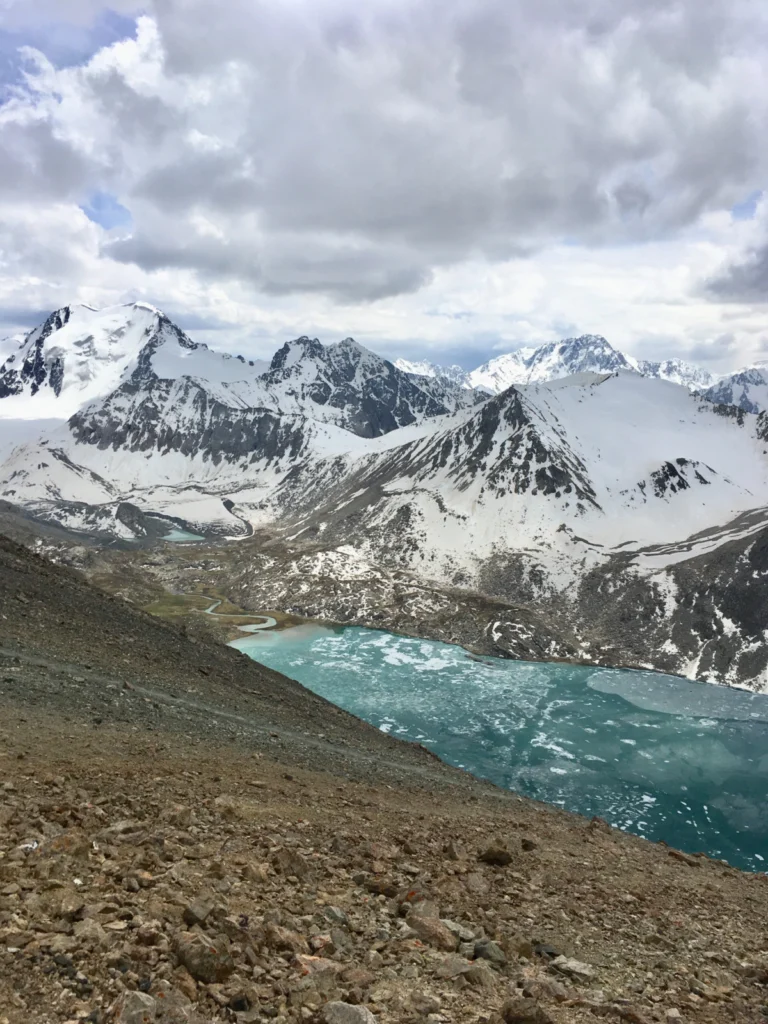
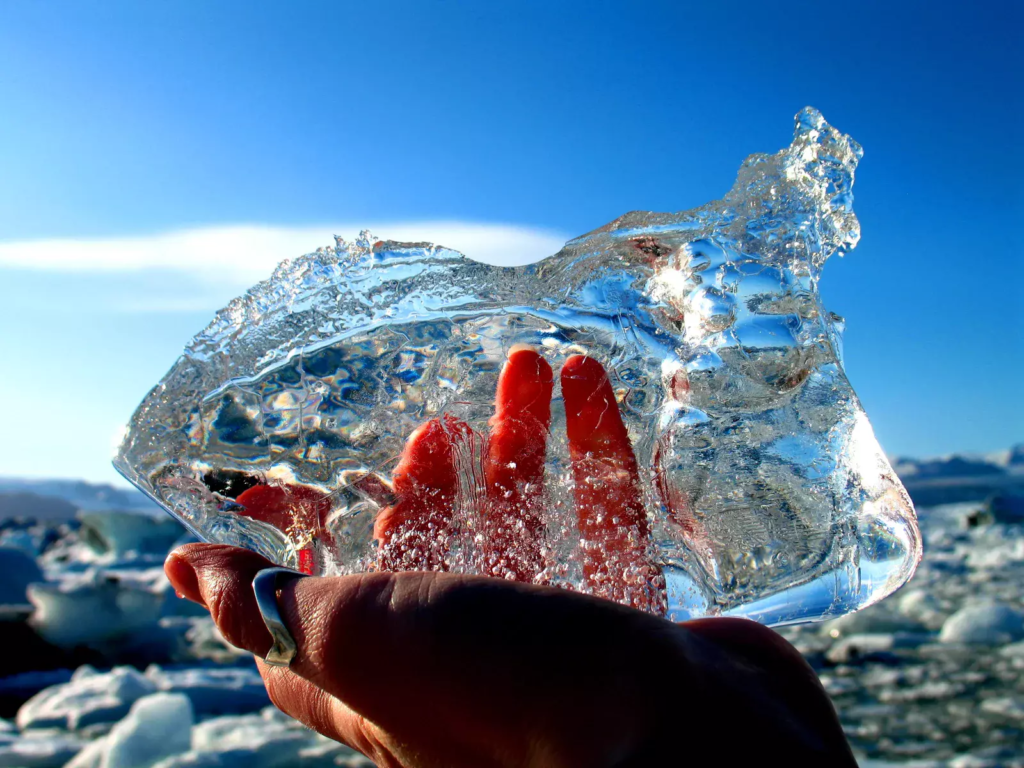
The picture above shows a typical Kyrgyz summer yurt camp, located in the valley of Altyn-Arashan, Kyrgyzstan. The stream you see flowing through comes from the glacier-fed lake of Ala-Kul, the gorgeous turquoise water featured below. The families who live there during summer have done so for generations, and travel up with their herds of …[Read More]
The Sassy Scientist – Pivoting to Business
Frank freely admits he did a PhD because he didn’t feel ready to join the corporate world. Ties strangle him and he’s only ever seen 7am from the wrong side. But as universities and funding agencies request more performance metrics and research valorisation plans, he reached out to the Sassy Scientist to ask: What can …[Read More]
Writing a research vision statement in a pandemic
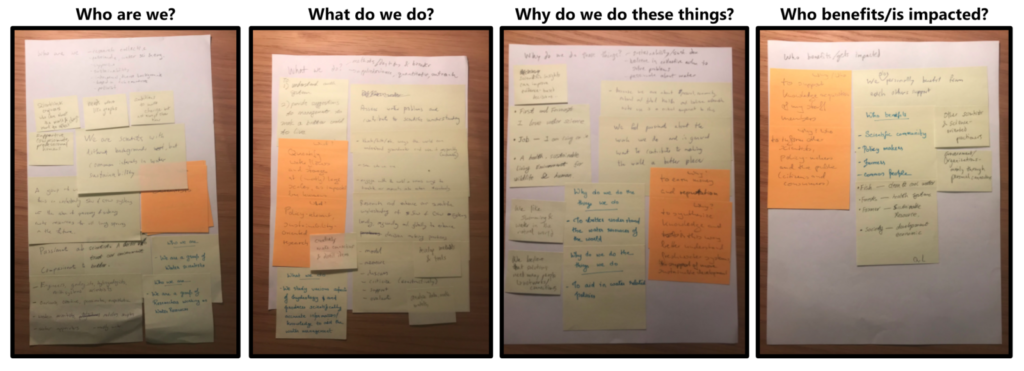
Tom Gleeson, University of Victoria with lots of input from the GSAS research collective We’ve all done weird, new things in the pandemic. We have tried Zoom parlour games and a few of us have done the pandemic tropes of giving bread baking or even giving a new fitness regime a try. Strangely, the very …[Read More]
GeoPolicy: Atmospheric Sciences and Climate: Past, Present & Future Divisions welcome the US back into the Paris Climate Agreement
As of 19 February 2021, the US officially re-joined the Paris Climate Agreement, a landmark international accord to limit global warming by 2°C (and ideally to 1.5°C) compared to pre-industrial levels. The Paris Climate Agreement aims to bring the world together to avoid catastrophic warming that will impact us all and to build resilience to …[Read More]
EGU’s Atmospheric Sciences and Climate: Past, Present & Future Divisions welcome the US back into the Paris Climate Agreement
As of 19 February 2021, the US officially re-joined the Paris Climate Agreement, a landmark international accord to limit global warming by 2°C (and ideally to 1.5°C) compared to pre-industrial levels. The Paris Climate Agreement aims to bring the world together to avoid catastrophic warming that will impact us all and to build resilience to …[Read More]
Paleogeography – A window into past mantle dynamics
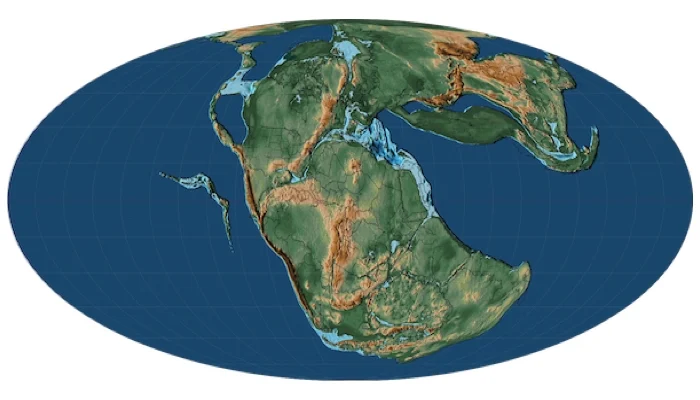
Paleogeography refers to the past distribution of landmasses and oceans and gives important insights into the state of previous tectonics. This is a useful cornerstone for many aspects of geodynamics and this week Boris Robert – previously postdoctoral fellow at the Centre for Earth Evolution and Dynamics Oslo (Norway) and currently visiting scientist at GFZ …[Read More]
EGU’s Climate: Past, Present & Future and Atmospheric Sciences Divisions welcome the US back into the Paris Climate Agreement
As of 19 February 2021, the US officially re-joined the Paris Climate Agreement, a landmark international accord to limit global warming by 2°C (and ideally to 1.5°C) compared to pre-industrial levels. The Paris Climate Agreement aims to bring the world together to avoid catastrophic warming that will impact us all and to build resilience to …[Read More]