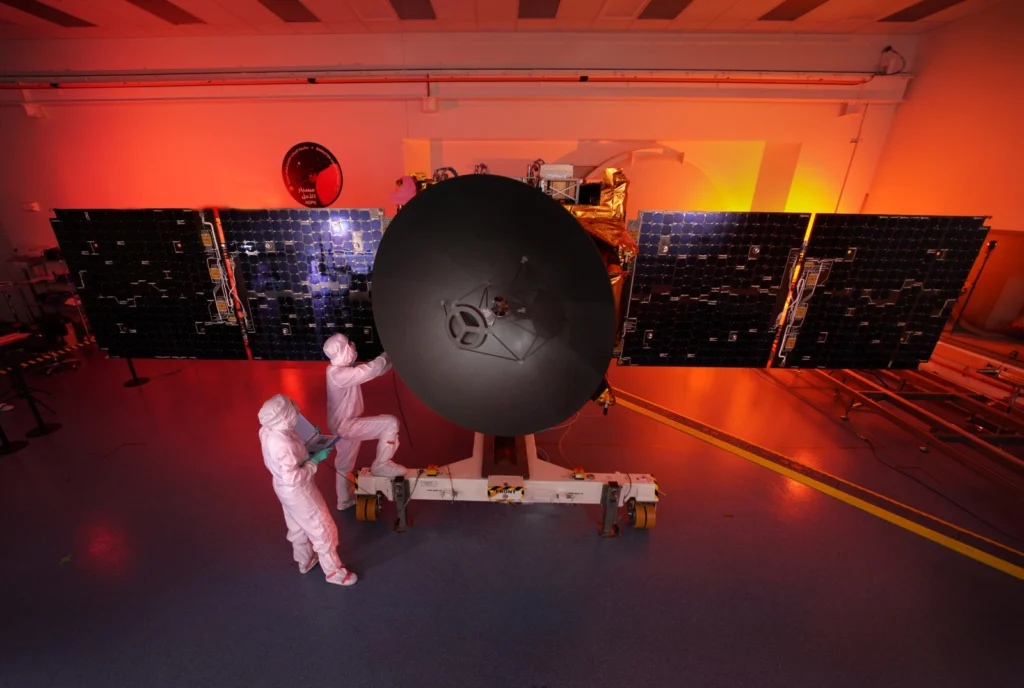
February 2021 is an important month for Martian missions, with three arriving at our planetary neighbour within 10 days. Many people have been following the USA’s NASA Perseverance mission, as they landed the new Perseverance rover, with it’s specially designed Ingenuity helicopter in the Jezero Crater in the last 24 hours. Earlier this month the …[Read More]
Latest posts
Cryospheric Sciences
Subglacial Hydrology For Dummies – Water, water everywhere…
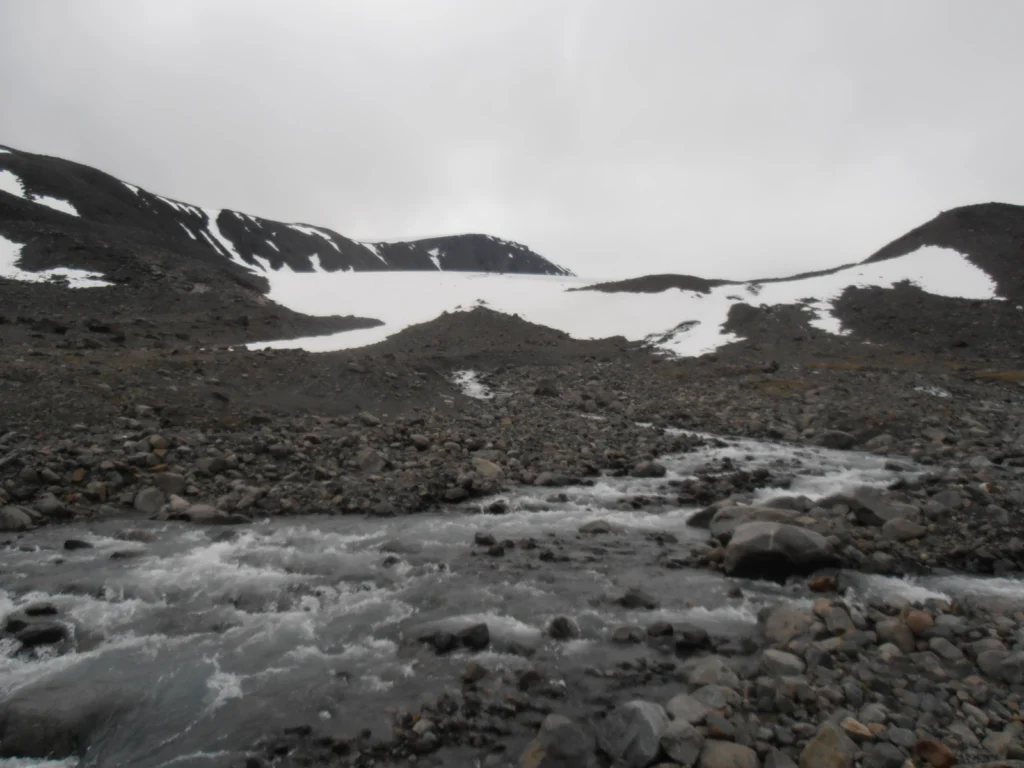
Glaciers are mostly made of water. Sometimes, perhaps more than we’d like, some of that water makes a break for it by melting, the inconstant molecule… It might pootle around on the surface of the glacier a bit and get a lot of remote sensers very excited, but it’s what it does once it gets …[Read More]
Geodynamics
The Sassy Scientist – #WriteProperly #NoMoreAcronyms
Nerea cannot get enough of writing papers, reports and proposals. However, actually reading scribbles, especially those jotted down by (under)grad students, leaves her a histrionic gasp. She thus ejaculates: LLSVP or LLVP or LL(S)VP – why must we prolong the acronym wars? Aupa Nerea, The Americans. No doubt. It has got to be them. Just …[Read More]
Nonlinear Processes in Geosciences
Four reasons for still observing cold spells despite the undeniable global climate change
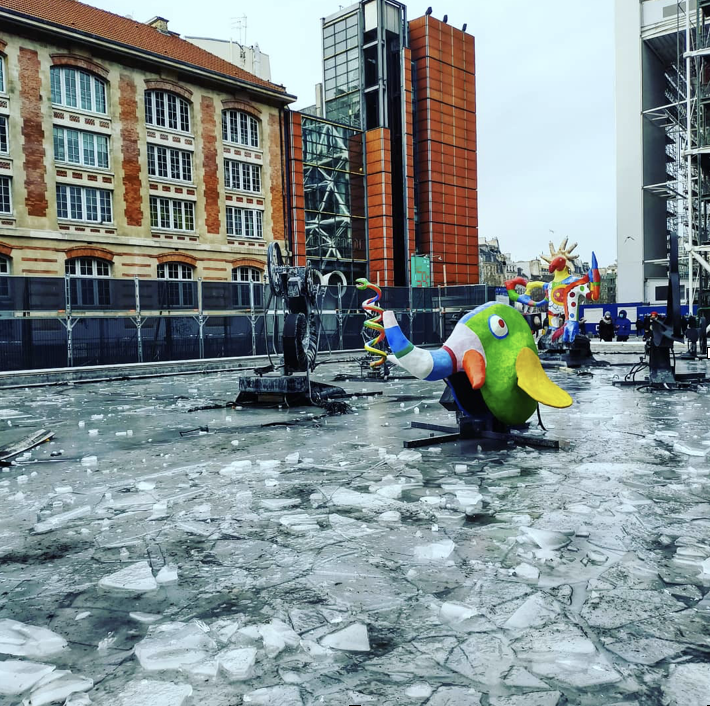
The winter of 2020-2021 has been characterized by various cold waves affecting – at different times – Western and Eastern Europe and North America. The most striking pictures show Madrid covered by up to 40 cm of fresh snow, frozen Thames near London and Canal St Martin in Paris, heavy snow in Amsterdam and even …[Read More]
GeoLog
Want to GreenEGU in 2021? Five environmentally friendly things to try whilst working from home.
Normally at this time of year we would already have shared with you several ways that you could make your EGU General Assembly experience greener, from travelling by train where possible, to using re-usable cups instead of disposable ones. Taking the General Assembly online in 2020 and again this year in 2021 changed all of …[Read More]
Soil System Sciences
The importance of our SSS (…Soil Support Staff!) #4
This month, we marked International Day of Women and Girls in Science, and to continue the celebrations we are delighted to showcase the work of Lea Piscitelli in our monthly feature, Technician of the Month! Lea Piscitelli works as a research technician in the Laboratory of Agricultural and Environmental Chemistry at CIHEAM Bari in Italy. …[Read More]
Geodynamics
Rayleigh-Taylor instability in geodynamics
Flow against gravity is a common feature in the geodynamic phenomenon. In this week’s Geodynamics 101, Dip Ghosh from Jadavpur University Geodynamics Lab will explain the fundamentals of Rayleigh-Taylor instability: A key to understanding the anti-gravity flow. It has long been realized that most of the geodynamic processes can be described in terms of slow …[Read More]
GeoLog
Imaggeo On Monday: Increasing Moon – seen from Hamburg
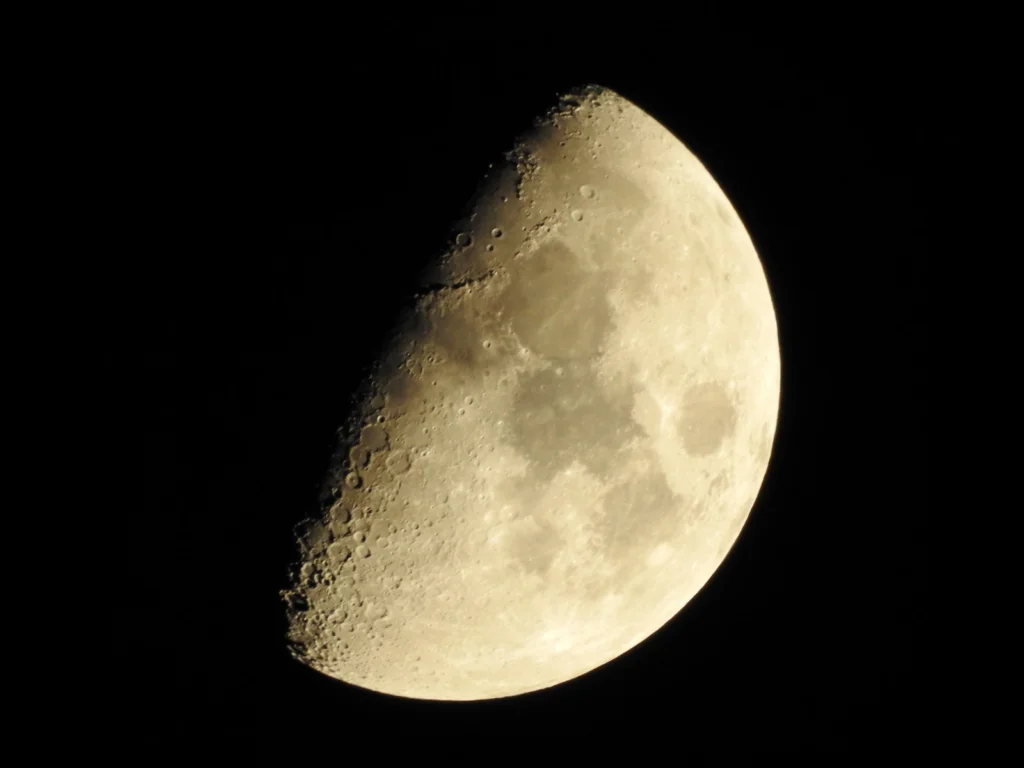
The image shows the increasing moon on March 16, 2016, seven days before the full moon. 53.3% of the lunar front are already illuminated. The moon does not glow on its own, but its surface reflects the sunlight. The sun always illuminates a complete half of the moon, which, in its orbit around the earth, …[Read More]
Natural Hazards
Education in pandemic times, a digital help
It has been a long year since the start of the COVID-19 pandemic. We all had to adjust and deal with a completely new reality, and it hasn’t always been easy. The adjustment has involved every aspect of life including the education system. When contact restrictions are in place and you cannot meet in person …[Read More]
Tectonics and Structural Geology
TS Must-Read – Tapponnier et al. (1982) Propagating extrusion tectonics in Asia: New insights from simple experiments with plasticine
In “Propagating extrusion tectonics in Asia: New insights from simple experiments with plasticine”, Tapponnier and co-authors (1982) describe one of the most famous analogue experiments in the history of Earth Sciences. The experiment was performed in the laboratories of Rennes (France), at the beginning of the ‘80s. The article aims to shed light onto the …[Read More]