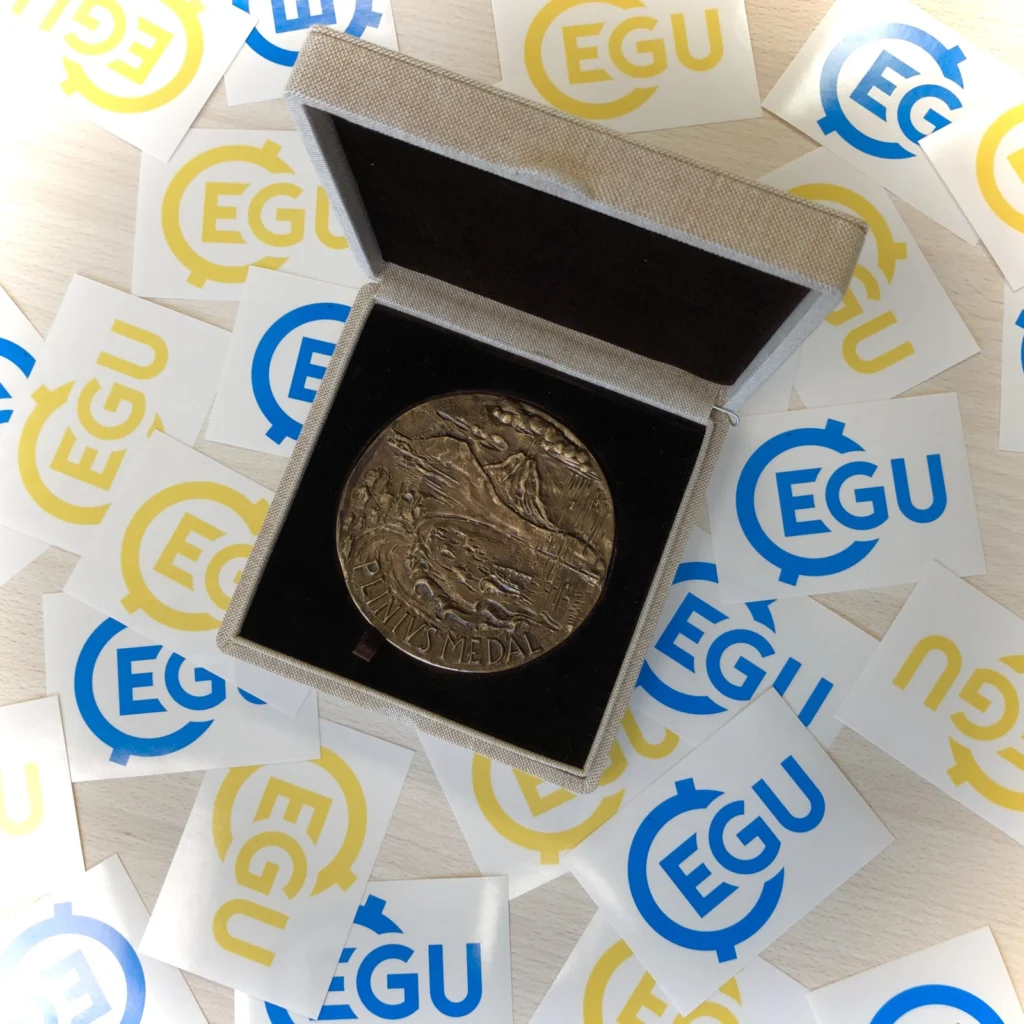
Deadline for EGU awards & medals nomination is quickly approaching 15 June 2021 The Ocean Sciences Division awards the Fridtjof Nansen Medal and the Outstanding Early Career Scientist Award. Both recognize researchers that made a remarkable contribution to the field of oceanography. Think about colleagues who contributed to the field of Ocean Sciences and deserve …[Read More]
Latest posts
EGU Campfire Geodesy – Share Your Research – First Edition
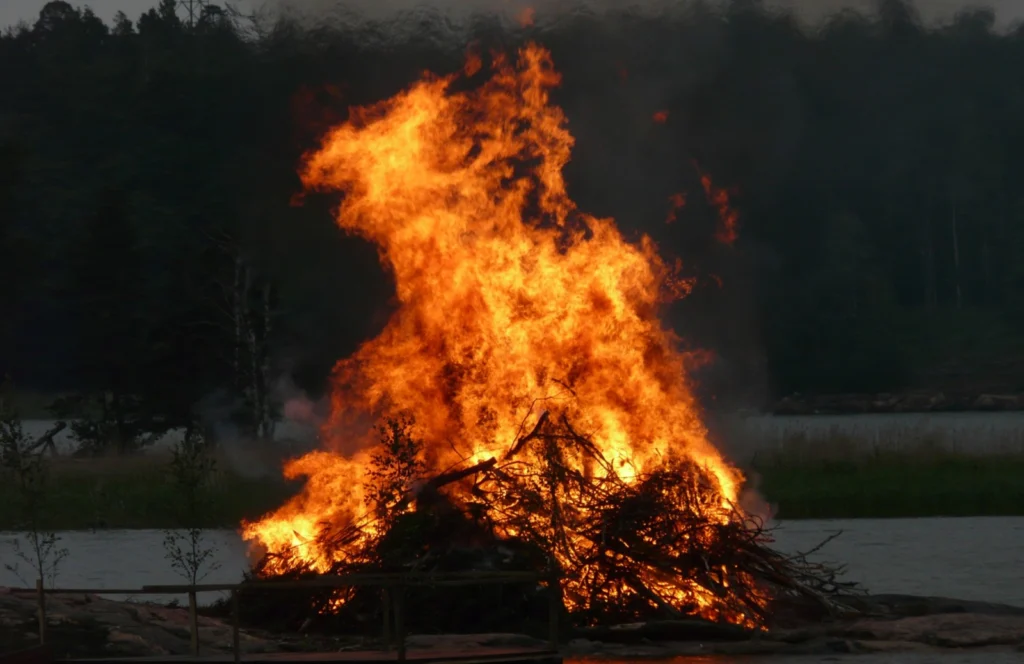
We all welcome you around our very first Geodesy Campfire to listen to three exciting talks by the early career scientists (ECSs) Öykü Koç, Bart Root and Sebastian Strasser. The new Geodesy EGU Campfire Events “Share Your Research” will give ECSs the chance to talk about their research and get feedback on their presentation. Below …[Read More]
Magnetic field generation and its reversal in dynamo models
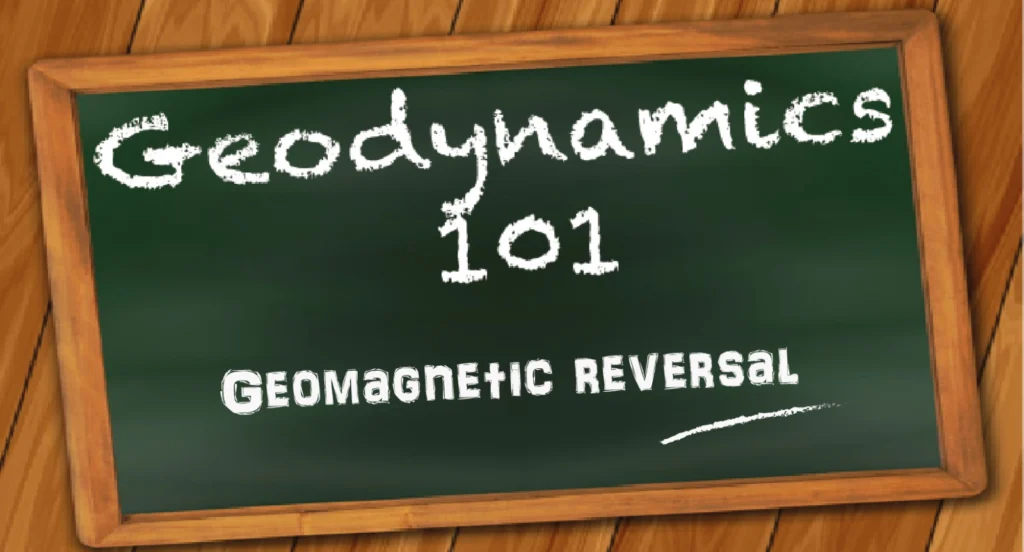
Generation and reversal of the Earth’s magnetic field have remained one of the most controversial topics. In this week’s geodynamics 101, Debarshi Majumder, a PhD student from the Indian Institute of Science, gives a brief overview of the theory of geodynamo reversal and discusses some of the preliminary results obtained from numerical modelling. A planetary …[Read More]
Slow science in times of COVID
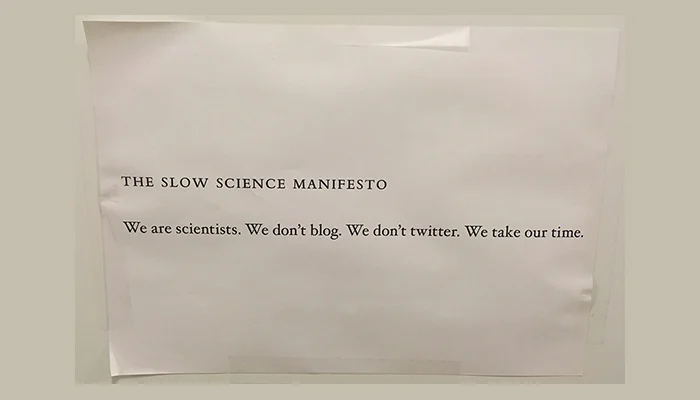
One of the earliest events of vEGU2021 was a debate on slow science organized by three early career scientists, with four invited speakers, Withney Behr, Valeria Cigala, Stuart Lane and Doerthe Tetzlaff. Before following this debate at vEGU21, I only knew the above door posting (on Stuart’s office door) and did not dig more into …[Read More]
World Ocean Day 2021!
Today (8th June) marks World Ocean Day, celebrated annually since 1992 World Ocean Day is a chance to celebrate the 71% of our planet covered by the Ocean and reflect on the actions we need to take to preserve this vital part of our Earth System. Each year, World Ocean Day has a different theme, …[Read More]
Imaggeo On Monday: Catch the wave hitting on the rocks
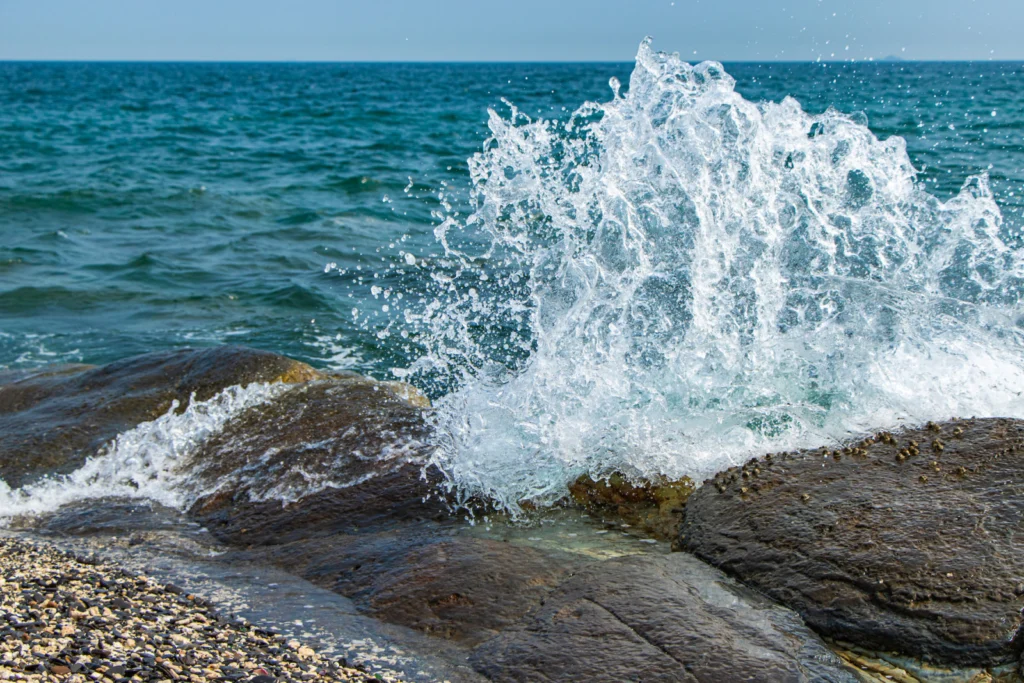
A wave is caught on camera when it hits the rocks on Tung Ping Chau, an offshore island in the northeastern corner of Hong Kong. Tung Ping Chau is unique island in Hong Kong that is mainly made up of sedimentary rock. Weathering and erosion have great impacts on forming the current landscape and geologic …[Read More]
The most important aspect of your PhD: supervisor-student relationship
There are many variables when applying for a PhD programme (country, system, length, funding, project, etc.). In regards to choosing a supervisor, I did my best to make an educated choice, and I really lucked out in terms of the people that I am working with. In the past 3.5 years, I have received …[Read More]
EGU Teacher-Scientist Pairing Scheme: supporting geoscience education in schools
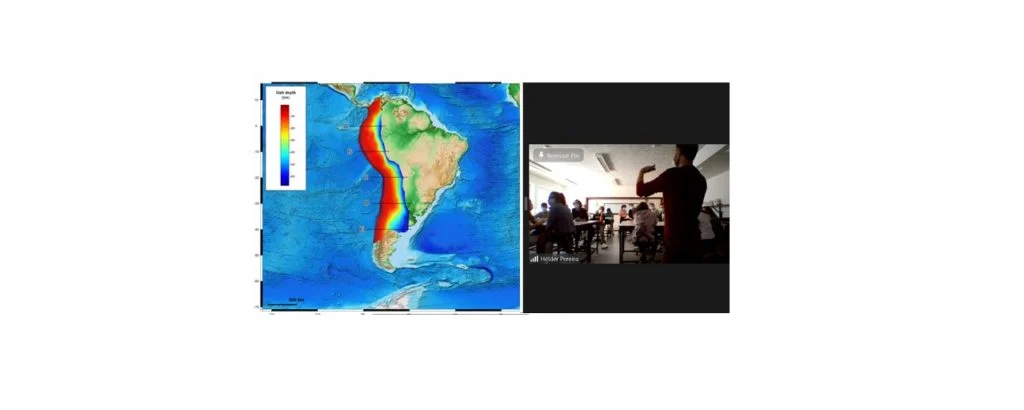
For the vEGU21 General Assembly, the EGU Education & Outreach Committees tried something new. They connected school teacher, Hélder Pereira, with seismologist, Susana Custódio, to create and teach a lesson plan on a topic relevant to Hélder’s classroom curriculum: the origin of the South American volcanic gaps. The lesson was live streamed online from Hélder’s …[Read More]
Life on the (Ice) Edge: Antarctic Seabirds and Sea Ice
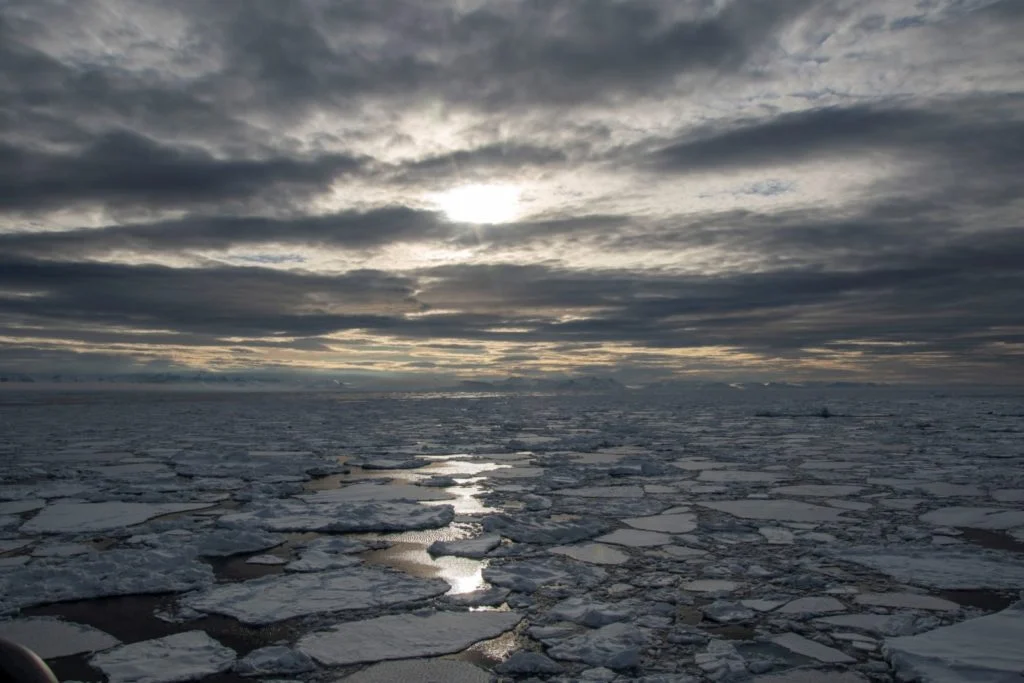
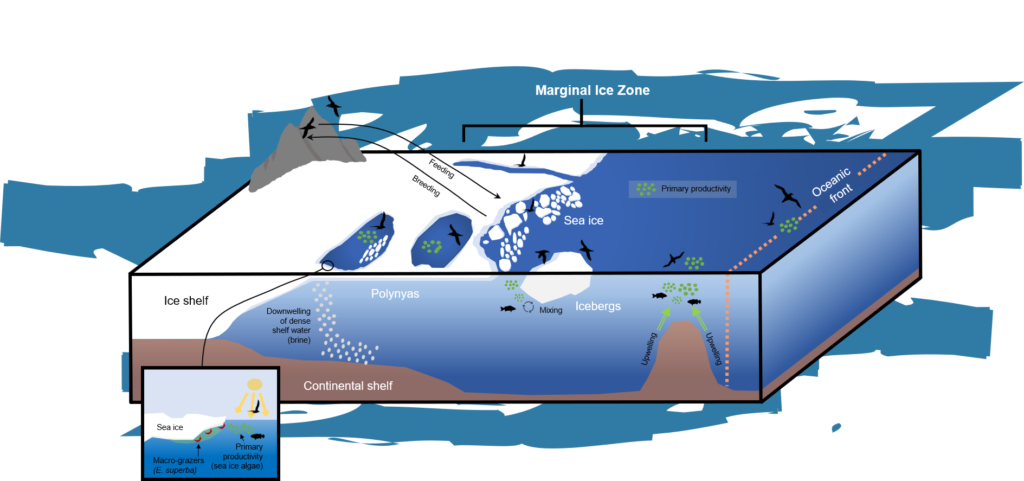
The vast expanse of Antarctic sea-ice may appear inhospitable at first, but the region supports one of the most productive ecosystems on Earth. Amongst the organisms that call Antarctica home, certain seabird species have become so well adapted to the harsh conditions that they not only survive in the region, but flourish. Like all Antarctic …[Read More]
The Sassy Scientist – Race to the Deadline
After snoozing their alarm for the 50th time, Alex gets started with their day. They should be writing their thesis first thing after breakfast, but instead they write to the Sassy Scientist: How do you manage to meet writing deadlines as a PhD student? Dear Alex, Ah! You have reached the writing stage. I assume …[Read More]