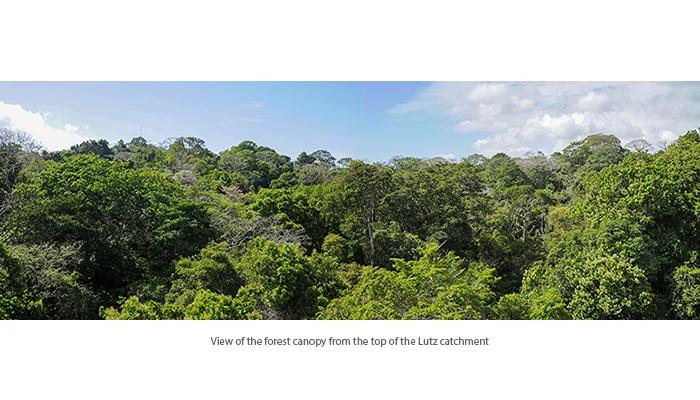
The Lutz Creek watershed, administered by the Smithsonian Tropical Research Institute (STRI) on Barro Colorado Island (BCI), is one of the longest continually monitored, micro-catchments in the neotropics. This catchment is central to the long-term climate and hydrological monitoring program that STRI has operated on BCI since 1972. The information derived from this program plays …[Read More]
Latest posts
Conferencing during a pandemic: lessons learned
Conferences are a vital part of academic life but with many conferences moving online due to the pandemic, the virtual conference hall can be a minefield! After a year of conferencing from afar, Kiran Chotalia shares the tips and tricks to make the conference experience live from your living room a breeze! It would be …[Read More]
Meet the new Geodesy Science Officer – Part 1
We hope that you have enjoyed reading about the new division president and division deputy president. But there are even more people behind the scenes that contribute to the development of the Geodesy division. Today we are going to introduce you to one of the new science officers: Anna Kłos. We asked her also …[Read More]
Imaggeo On Monday: Studying shell morphodynamics to improve climate models
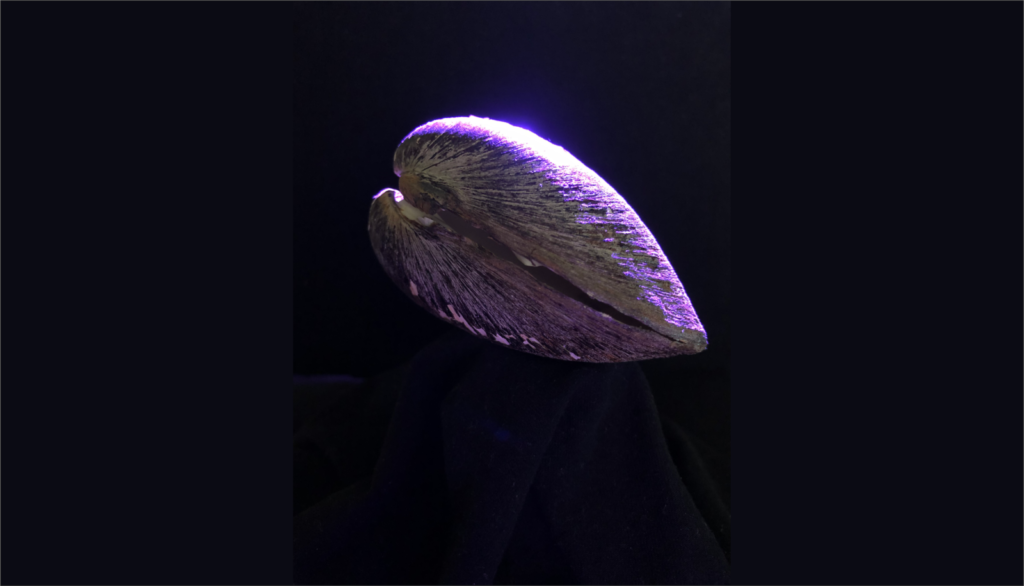
Profile of a specimen of Arctica islandica, one of the longest lived marine bivalves known, undergoing a 3D scan. Their longevity is exploited for reconstruction of climate patterns in the North Atlantic. However, mathematical models of their morphodynamics are necessary to account for bias induced by their asymmetric growth (“morphodynamics” is the study of how …[Read More]
Lessons learnt, and to be learnt from the Uttarakhand, Himalaya 2021 catastrophic event.
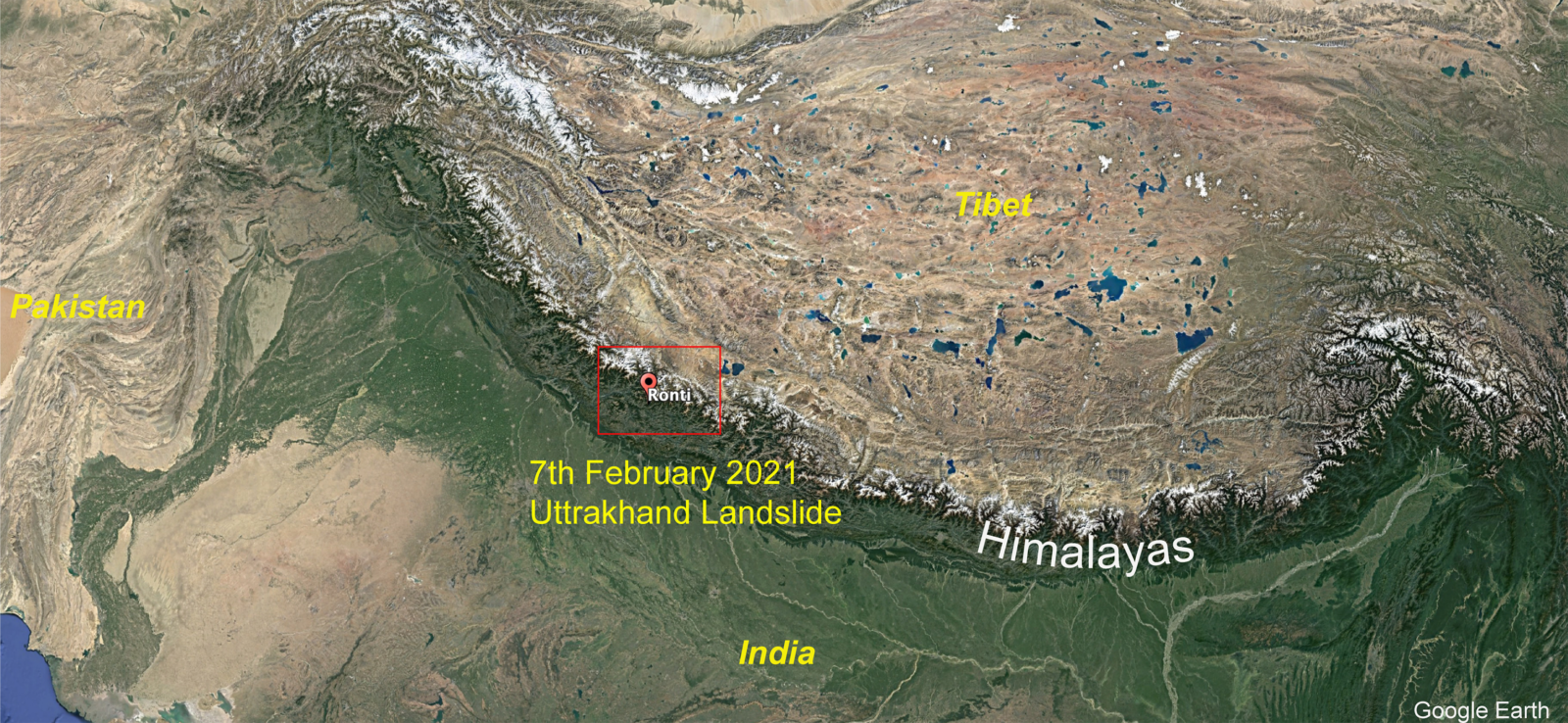
Rising global temperature and melting of glaciers in the Himalaya are changing the Himalayan cryospheric dynamics and causing a dramatic increase in the frequency and magnitude of the natural and anthropogenic hazards. One such example was the 7th February 2021 Uttarakhand landslide-induced floods, which killed almost 200 people and washed away two hydropower dams, amidst …[Read More]
A unique opportunity: volcanologists chase a spectacular volcanic eruption in Iceland
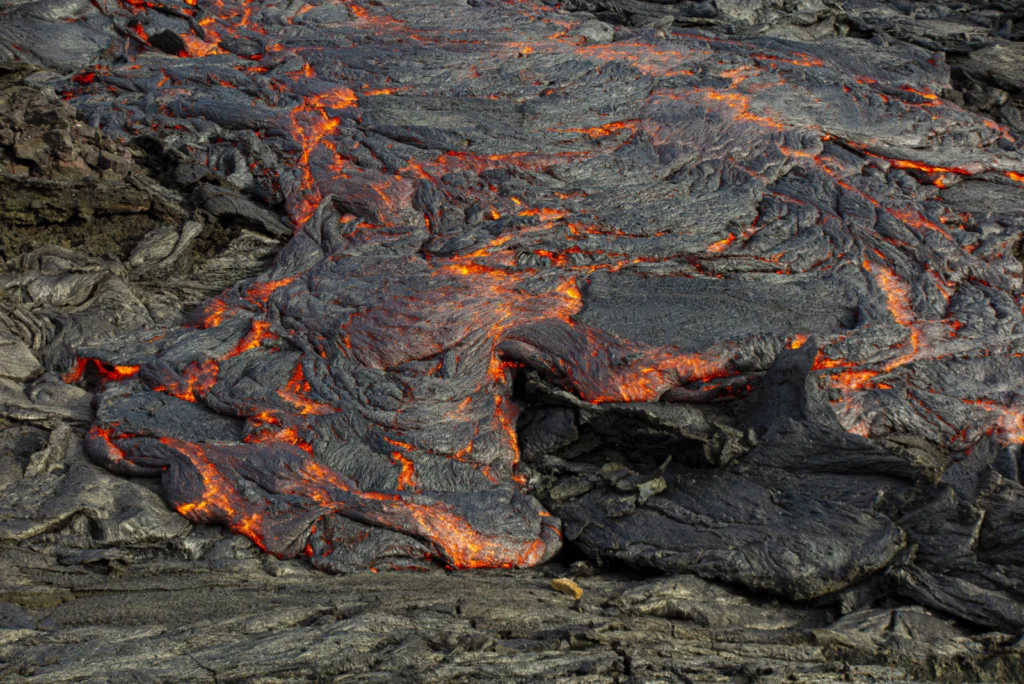
The second blog of the SENSOR series shares the experiences of three scientists from the Dublin Institute for Advanced Studies (DIAS, Ireland), Dr. Patrick Smith, Dr. Nima Nooshiri, and Dr. Ka Lok Li, who are working on the exciting ‘EUROVOLC’ project to bring the European volcanological community closer together. In March, they flew to Iceland …[Read More]
So you want to make a podcast….
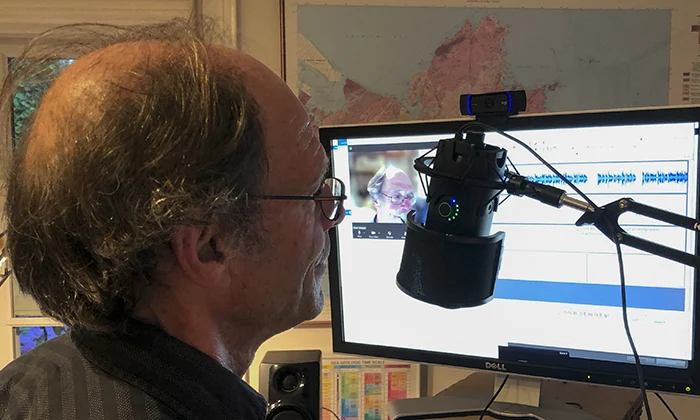
Have you ever wanted to set up your own science podcast? I have been running the Geology Bites podcast now for almost a year and I have often been asked what it takes to set up your own podcast. Here are some of my top tips on what’s involved, the challenges I faced, and how …[Read More]
Cryo Careers: Should I stay, or should I go? Non-linear career paths
Nature is chaotic and random. Non-linear processes take place in our oceans, atmosphere and ice. No two snowflakes are the same, so why would two careers be the same? In this week’s blog, we highlight a number of scientists who took non-linear routes in their careers and give you some advice if you are considering …[Read More]
The Sassy Scientist – Guest of Honour
Interdisciplinary research are the buzzwords all funding agencies want to hear these days. After reading my blog on how to write an interdisciplinary proposal researching the interior of planets, Ruby decided to approach a geochemistry group to collaborate. They have kindly invited her to present her latest research at their group meeting, which left Ruby …[Read More]
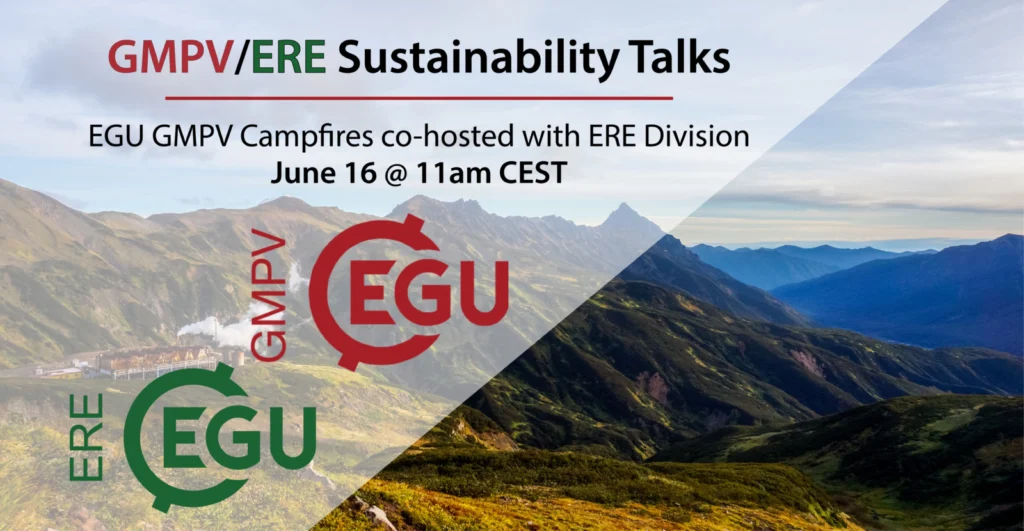
GMPV Campfires co-hosted with ERE Division: Sustainability Talks! Wednesday 16th June @ 11am CEST
Together with the Energy, Resources and the Environment (ERE) Division we organized a new special edition of Campfires focused on sustainability. The upcoming talks will be held on Wednesday 16th June @ 11am CEST over Zoom and will be divided into three main topics: 1) Carbon Capture and Storage (CCS); 2) Sustainable Mining; 3) Urban aquifer …[Read More]