GeoLog

volcano

Imaggeo on Mondays: A Bubbling Cauldron
Imaggeo on Mondays: A Bubbling Cauldron
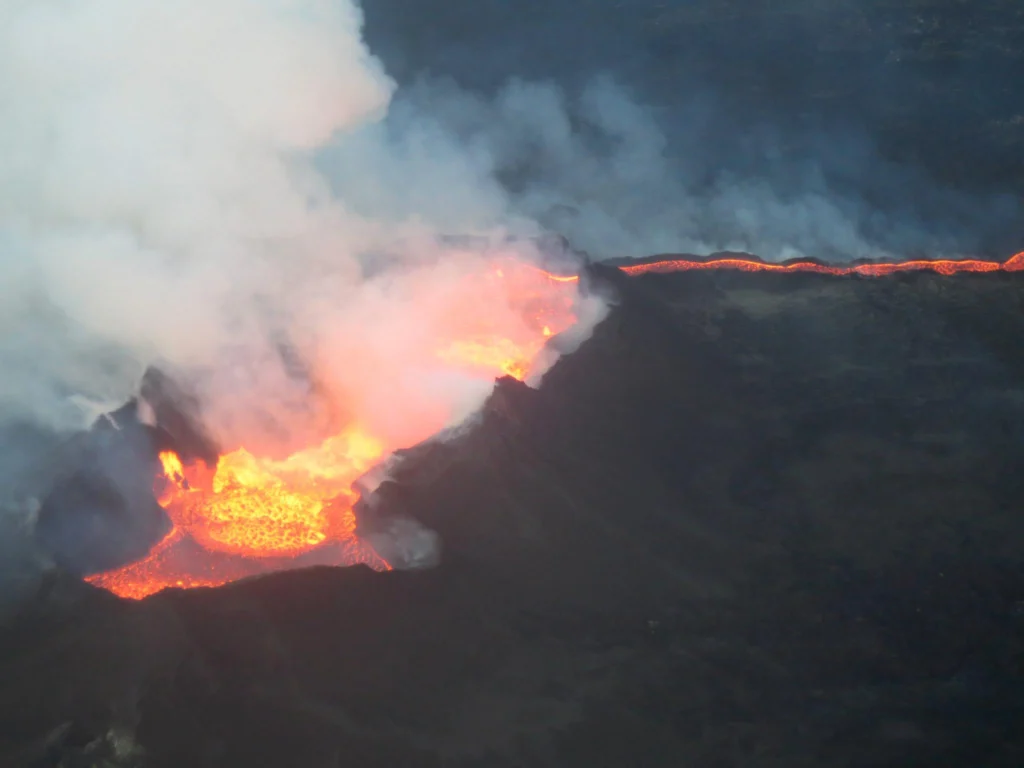
Despite being a natural hazard which requires careful management, there is no doubt that there is something awe inspiring about volcanic eruptions. To see an erupting volcano up close, even fly through the plume, is the thing of dreams. That’s exactly what Jamie  Farquharson, a researcher at Université de Strasbourg (France) managed to do during the eruption of the Icelandic volcano Bárðarbunga. R ...[Read More]

Volcanic darkness marked the dawn of the Dark Ages

Volcanic darkness marked the dawn of the Dark Ages

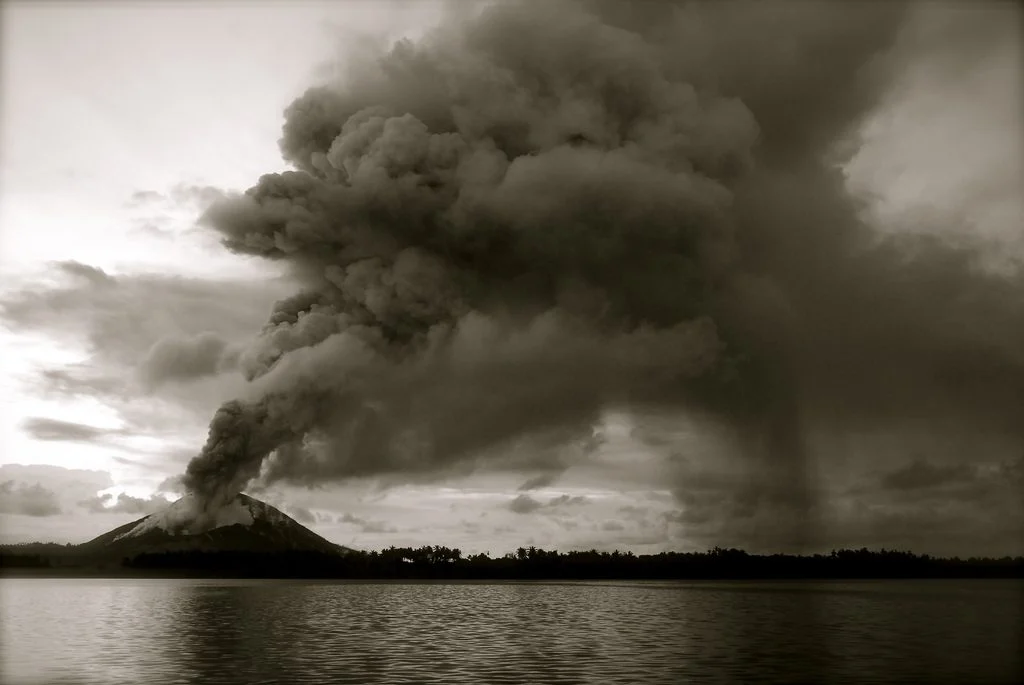
The dawn of the Dark Ages coincided with a volcanic double event – two large eruptions in quick succession. Combined, they had a stronger impact on the Earth’s climate than any other volcanic event – or sequence of events – in the last 1200 years. Historical reports reveal that a mysterious dust cloud dimmed the sun’s rays between in 536 and 537 CE, a time followed by global societal decline. Now, ...[Read More]

Imaggeo on Mondays: Mount Etna

Imaggeo on Mondays: Mount Etna

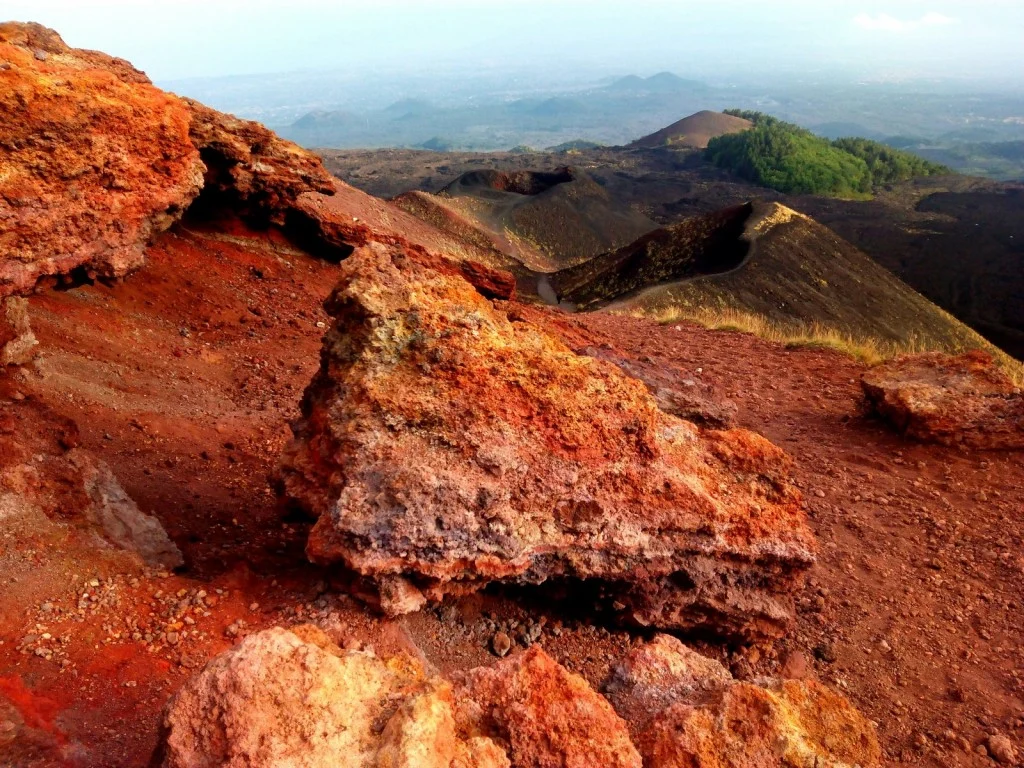
In this week’s Imaggeo on Monday’s image an almost Martian looking landscape, with ombre coloured soils, gives way to gently rolling hills, covered in luscious woods and vegetation. Were it not for the trees in the distance, you would be forgiven for thinking this image had been captured by a Mars rover. In truth, it is an entirely more earthly landscape: welcome to the slopes of Mt. Etna! Keep on ...[Read More]

Imaggeo on Mondays: A Patagonia landscape dominated by volcanoes

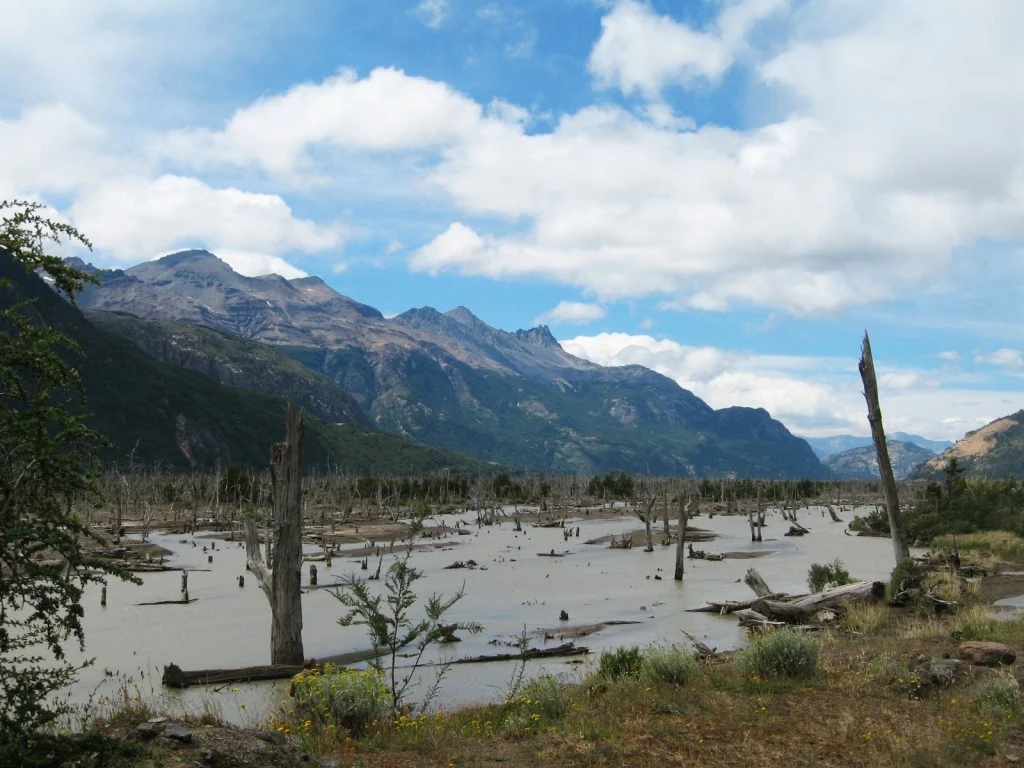
Imagine a torrent of hot and cold water, laden with rock fragments, ash and other debris hurtling down a river valley: this is a lahar. A by-product of eruptions of tall, steep-sided stratovolcanoes, lahars, are often triggered by the quick melting of snow caps and glaciers atop high volcanic peaks. The history of the Ibañes River and its valley, in southern Chile, are dominated by their proximity ...[Read More]

Imaggeo on Mondays: Spectacular splatter – the marvels of a mud volcano

Mud volcanoes, unlike many others, do not extrude lava. Instead, they release glutinous bubbling brown slurry of mineral-rich water and sediment. They range in size from several kilometres across, to less than a metre – the little ones are known as mud pots, reflecting their diminutive nature. The world’s largest, though, is Lusi: a mud volcano in East Java that released an astonishing 180,000 cub ...[Read More]

Geosciences Column: From the desolate to the diverse, a story of volcanic succession

When a volcano erupts and spews lava onto the surrounding terrain, it is merciless in its destruction. All that is green on the land is engulfed in flame, or buried by an insurmountable mass of molten rock. Whatever charred remains of what lies beneath it will not see the light of day once the lava cools, turning the landscape into a barren black mass of solid basalt. But volcanoes around the worl ...[Read More]

Imaggeo on Mondays: Villarrica Volcano

This week’s Imaggeo on Mondays highlights the vulnerability of Villarrica’s slopes and zooms in on the volcano’s spectacular crater… Villarrica, one of the largest stratovolcanoes in Chile, is also one of the country’s most active. The volcano is iced by glaciers that make the mountain a stunning scene, but also a dangerous one. The glaciers cover some 30 square-kilometres of the volcano and, duri ...[Read More]

Imaggeo on Mondays: Exploring the East African Rift

This week’s Imaggeo on Mondays is brought to you by Alexis Merlaud, an atmospheric scientist from the Belgian Institute for Space Aeronomy. While the wonders of the African atmosphere feature in his photography, the East African Rift has a much bigger tale to tell. Drawing from all aspects of geoscience Alexis shares its story… This picture shows Kilimanjaro, Africa’s highest mountain, at sunrise. ...[Read More]

Imaggeo on Mondays: White mist on White Island

White Island, also known as Whakaari, is an active stratovolcano off the coast of New Zeland’s North Island, nested in the northern end of the Taupo Volcanic Zone. Much of its activity is made up of bubbling mud pools and steamy, sulphurous clouds from fumaroles like the one below – sights that attracts many a tourist to the marine volcano. Over the last 200 or so years, a large part of White Isla ...[Read More]

Imaggeo on Mondays: Hekla’s history

Iceland is well known for its extensive volcanism. Situated amid the northernmost part of the Mid-Atlantic Ridge, the spreading centre is a hub of volcanic activity, from Krafla in the north to the young volcanic island of Surtsey in the south. Hekla is one of the country’s most active volcanoes – both in terms of erupted material and eruption frequency, and lies at the heart of a 40 kilomet ...[Read More]