GeoLog

volcano

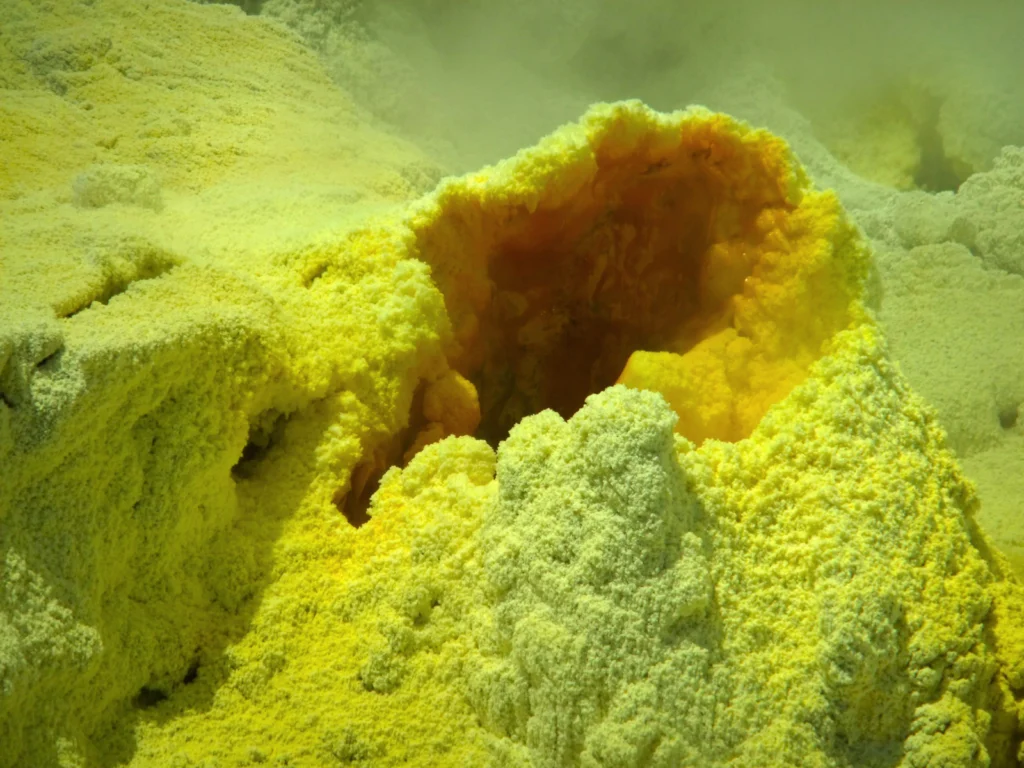
Imaggeo On Mondays: Sulphur volcano
Imaggeo On Mondays: Sulphur volcano
This photograph was taken in 2012 on a guided tour to Whakaari/White Island, an active volcano 50 km off the east coast of the North Island of New Zealand. The volcano lies on the northern end of the Taupo Volcanic zone and has possibly been active for the past 150,000 years. How dangerous this island is, was demonstrated by a number of explosive eruptions in recent history, the latest of which oc ...[Read More]

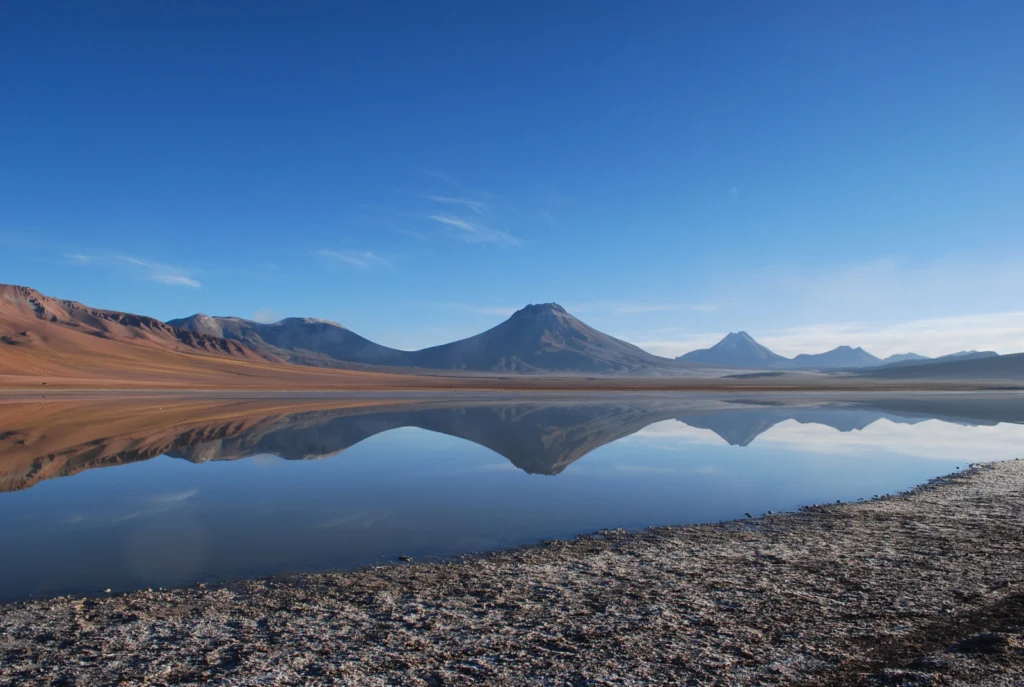
Imaggeo on Mondays: The mirror of the volcano

Imaggeo on Mondays: The mirror of the volcano

Lascar volcano is located in the Antofagasta Region of Chile. This stratovolcano (a conical volcano built up over time through successive eruptions of lava, tephra and ash) of the Central Volcanic Zone of the Andes is the most active volcano of the region, with a height of 5.592 m (18,34 ft). The last phase of eruptive activity before this photo was taken was on October 30, 2015, which produced an ...[Read More]

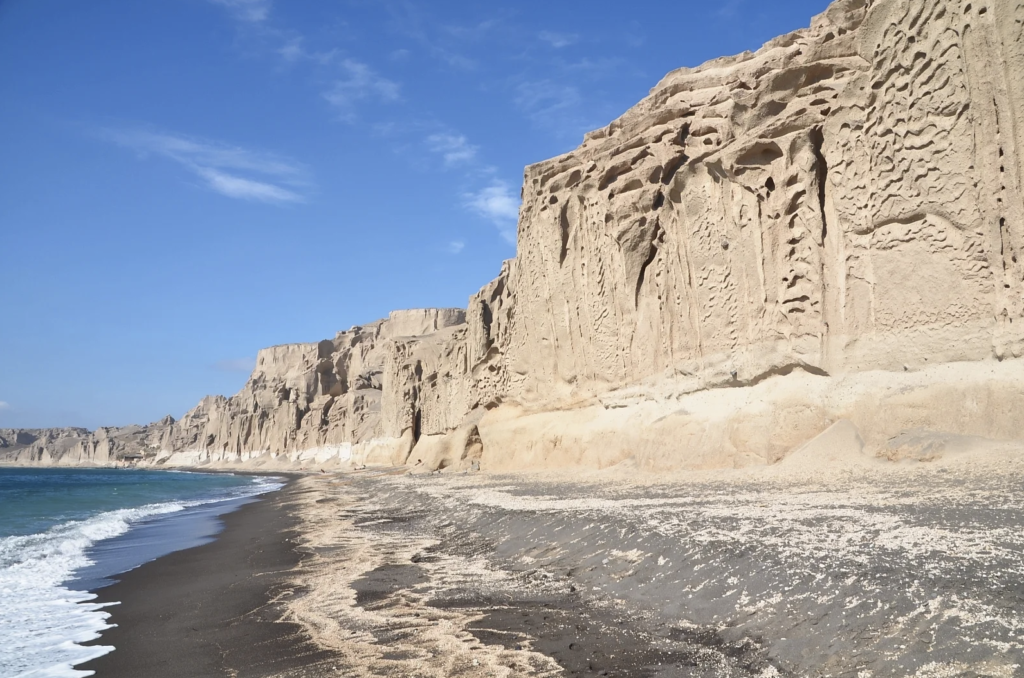
Imaggeo on Mondays: Santorini cliffs sculpted by wind and sea

Imaggeo on Mondays: Santorini cliffs sculpted by wind and sea

The cliffs look like a bas-relief sculpted by a tireless artist. Naturally carved by the wind and sea, Vlychada’s white cliffs border its black sands, on the southern shore of Thera (Santorini), Greece. Both are of volcanic origin. The material originates from the Late Bronze Age eruption around 1600 BCE, which also buried the prosperous Akrotiri settlement. This massive Plinian eruption led to th ...[Read More]

Imaggeo on Mondays: Mount Bromo – volcanic deity

Imaggeo on Mondays: Mount Bromo – volcanic deity

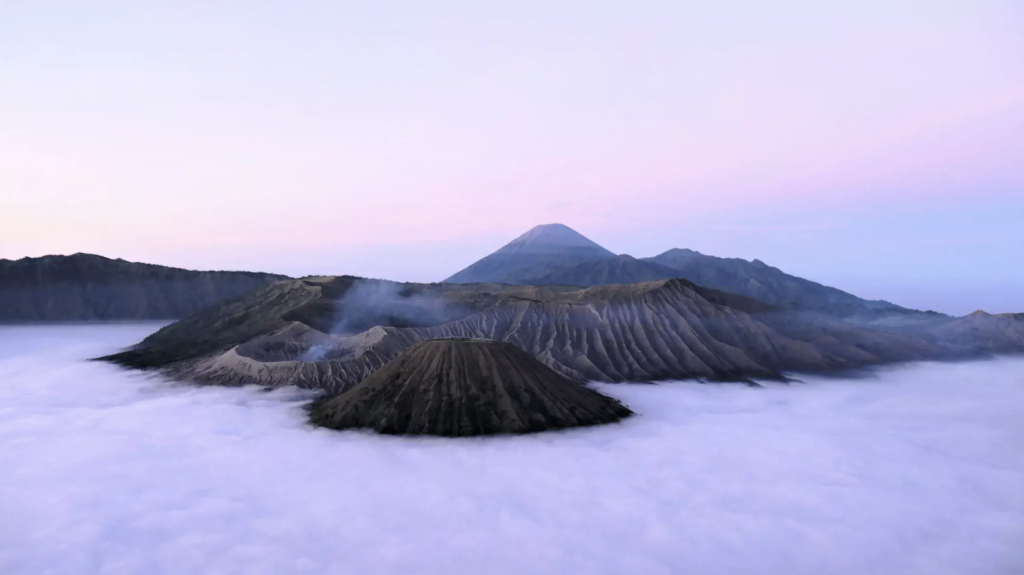
Featured in this photo, rising out from a sea of violet fog at dawn, is one of Indonesia’s most iconic volcanoes, Mount Bromo. The mountain is a large volcanic crater, also known as a caldera, which formed when an ancient cone volcano collapsed in the late Pleistocene and early Holocene epochs, between 126,000 and 8,300 years ago. The current structure stands at 2,392 metres in the eastern region ...[Read More]

Geosciences Column: How erupting African volcanoes impact the Amazon’s atmosphere

Geosciences Column: How erupting African volcanoes impact the Amazon’s atmosphere

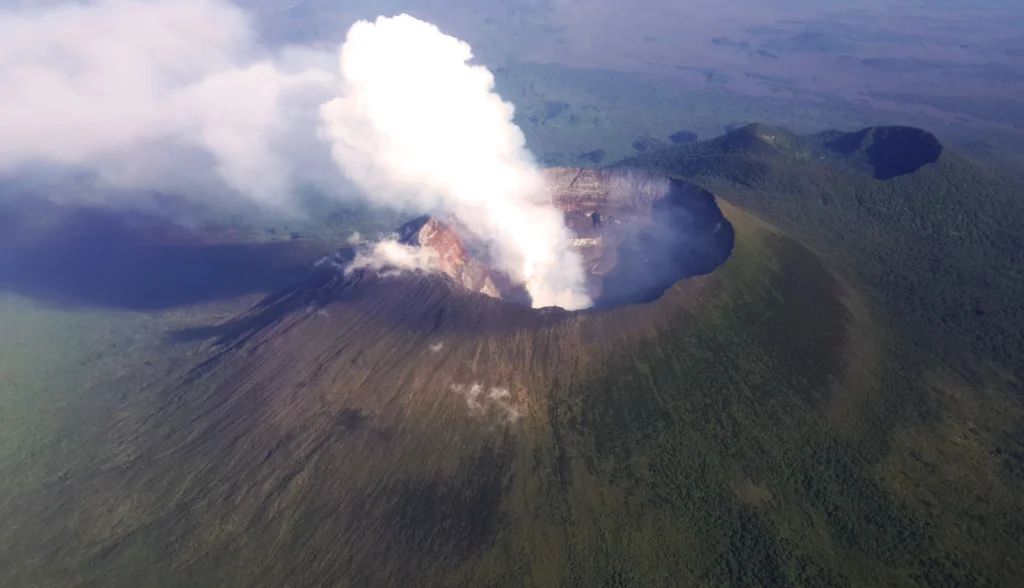
When volcanoes erupt, they can release into the atmosphere a number of different gases initially stored in their magma, such as carbon dioxide, hydrogen sulfide, and sulfur dioxide. These kinds of gases can have a big influence on Earth’s atmosphere, even at distances hundreds to thousands of kilometres away. A team of researchers have found evidence that sulfur emissions from volcanic eruptions i ...[Read More]

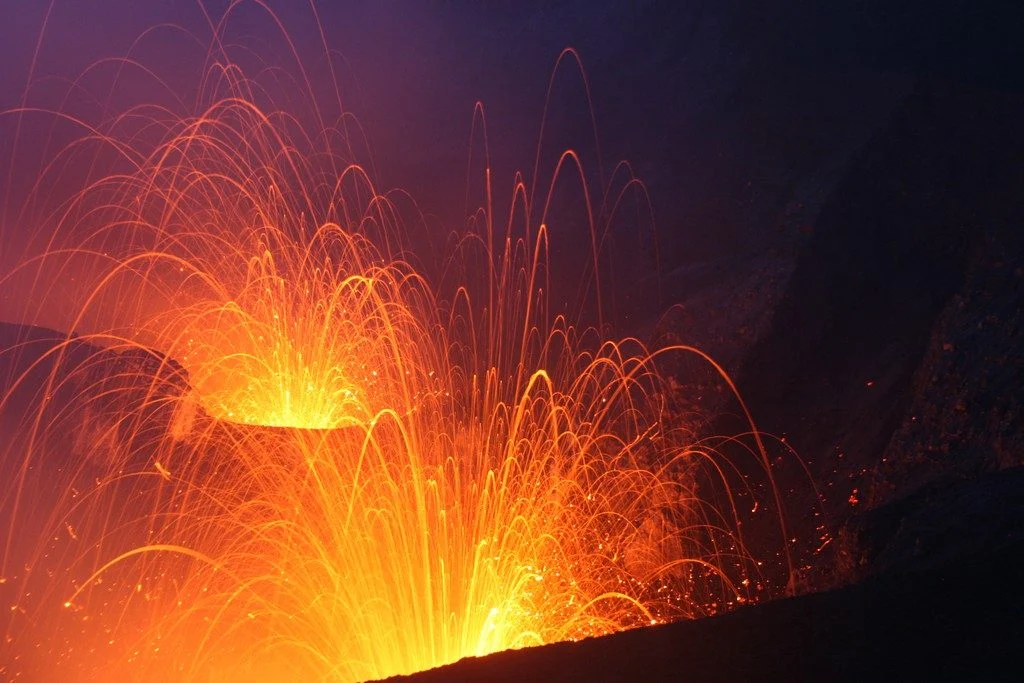
Imaggeo on Mondays: Double strombolian explosions at Mt. Yasur volcano

Imaggeo on Mondays: Double strombolian explosions at Mt. Yasur volcano

The Yasur volcano located in Vanuatu archipelago is permanently active since its discovery in 1774 by Cpt. James Cook. Its activity consists mainly in moderate regular strombolian explosions within the crater. But sometimes, more powerful explosions throw ash and bombs beyond the crater rim and may represent a hazard for tourists and people living next to the volcano. Otherwise, the Mt Yasur displ ...[Read More]

Iceland’s rootless volcanoes

Iceland’s rootless volcanoes

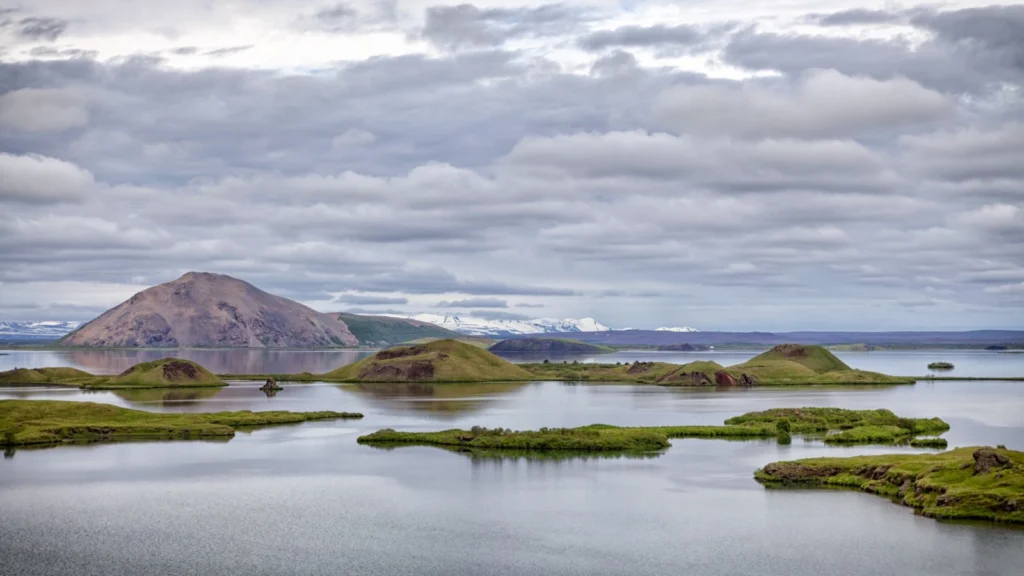
Picture a volcano, like the one you learned about in primary school. Can you see it? Is it a big rocky mountain, perhaps with a bubbling pool of lava at the top? Is it perched above a chasm of subterranean molten rock? I bet you didn’t picture this: You’d be forgiven for mistaking these small volcanoes for a scene from the Lord of the Rings, or maybe a grassy version of the surface of Mars (in fac ...[Read More]

Geosciences Column: Using volcanoes to study carbon emissions’ long-term environmental effect

Geosciences Column: Using volcanoes to study carbon emissions’ long-term environmental effect

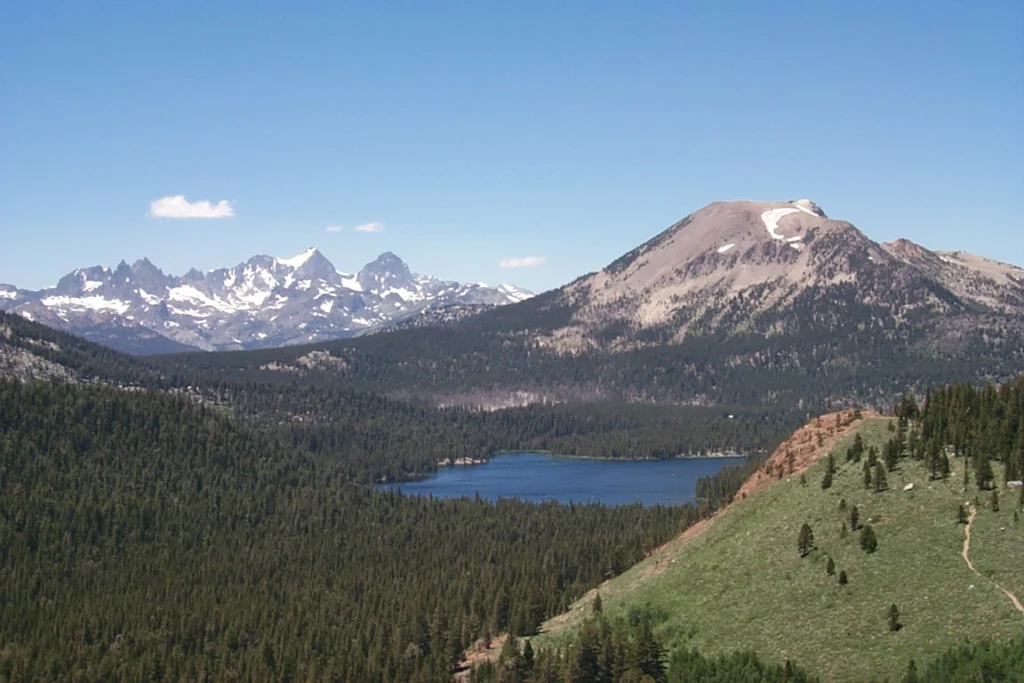
In a world where carbon dioxide levels are rapidly rising, how do you study the long-term effect of carbon emissions? To answer this question, some scientists have turned to Mammoth Mountain, a volcano in California that’s been releasing carbon dioxide for years. Recently, a team of researchers found that this volcanic ecosystem could give clues to how plants respond to elevated levels of carbon d ...[Read More]

Imaggeo on Mondays: The ash cloud of Eyjafjallajökull approaches

Imaggeo on Mondays: The ash cloud of Eyjafjallajökull approaches

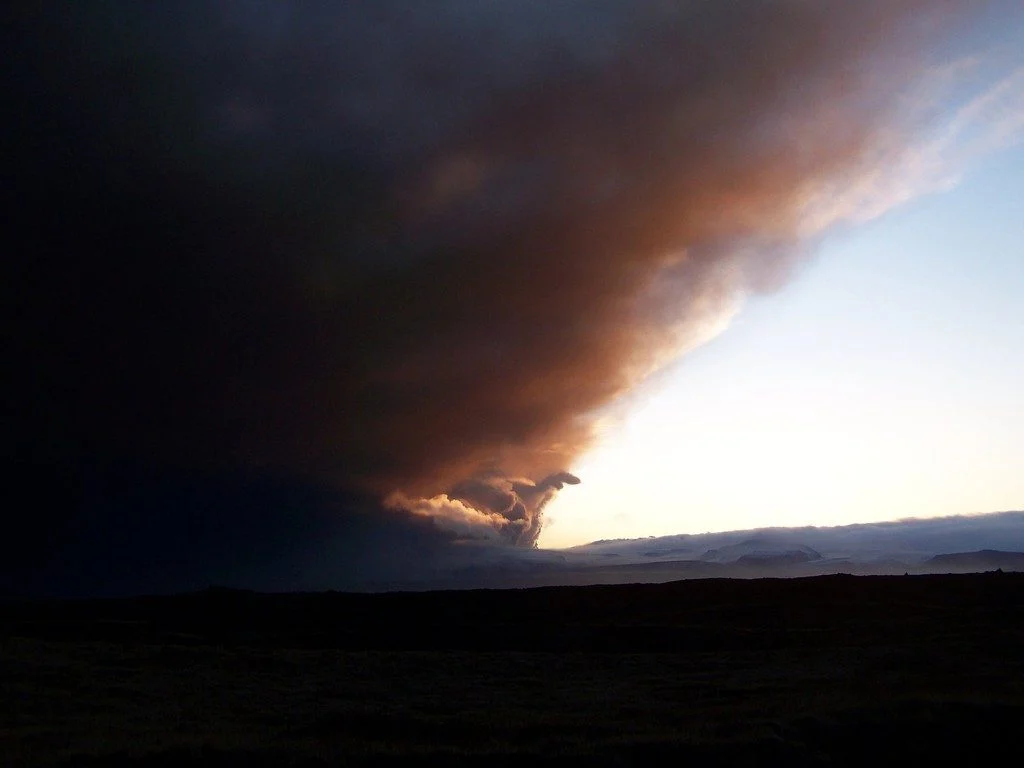
This photo depicts the famous ash cloud of the Icelandic volcano Eyjafjallajökull, which disrupted air traffic in Europe and over the North Atlantic Ocean for several days in spring 2010. The picture was taken during the initial phase of the eruption south of the town of Kirjubæjarklaustur, at the end of a long field work day. Visibility inside the ash cloud was within only a few metres. The erupt ...[Read More]

June GeoRoundUp: the best of the Earth sciences from around the web

June GeoRoundUp: the best of the Earth sciences from around the web

Drawing inspiration from popular stories on our social media channels, as well as unique and quirky research news, this monthly column aims to bring you the best of the Earth and planetary sciences from around the web.  Major story   While May’s headlines may have been dominated by the Kilauea Volcano’s recent eruption in Hawaii, the science news world directed its attention to another volcanic ev ...[Read More]