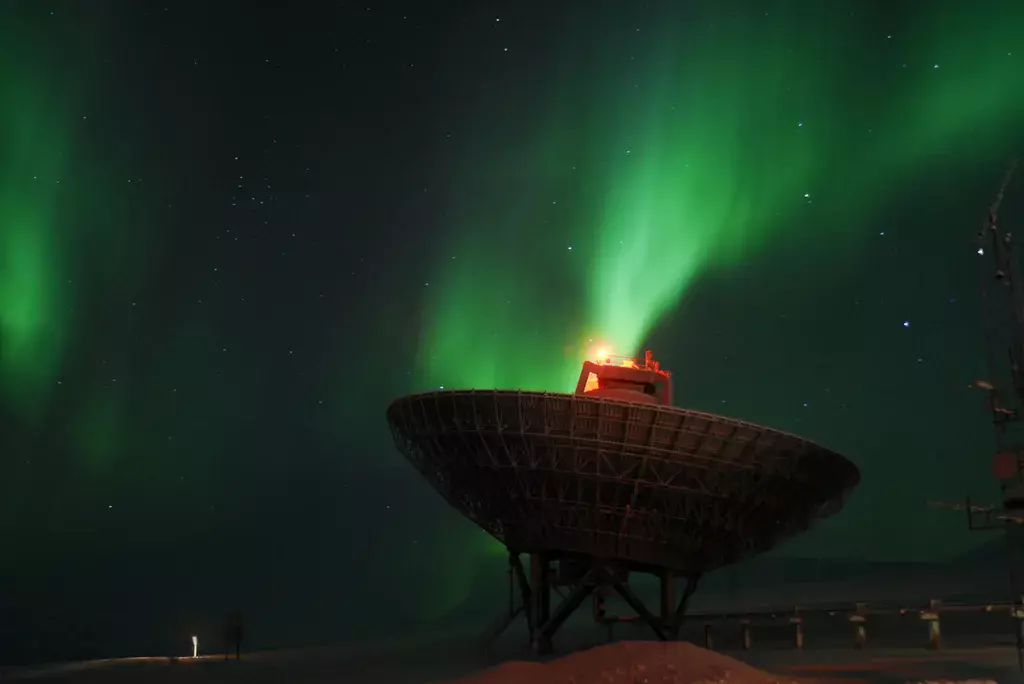
Measuring the aurora. This picture was taken while doing an optical/radar coordinated campaign in Svalbard, Norway, near the settlement of Longyearbyen. In this campaign, we were measuring for the first time the polarisation of the auroral ‘red line’ of atomic oxygen with a photopolarimeter and were running the radars in order to have a better understanding of the state of the ionosphe ...[Read More]
Imaggeo on Mondays: The sun rises also in the middle of nowhere
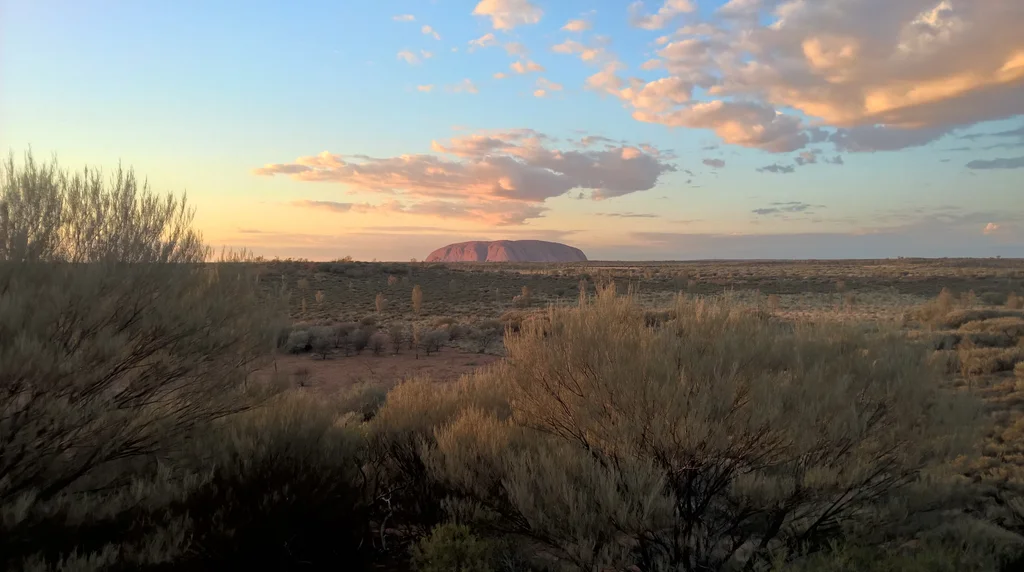
Uluru in Australia is one of the most visibly recognisable geological features in the world. This sandstone formation covers an area of 3.3 kilometres and stands 345 metres above the plains around it. According to geoscientists, the rocks that form Uluru were deposited in an inland sea during the Cambrian Period approximately 500 million years ago. The arkose sandstones were then uplifted and fold ...[Read More]
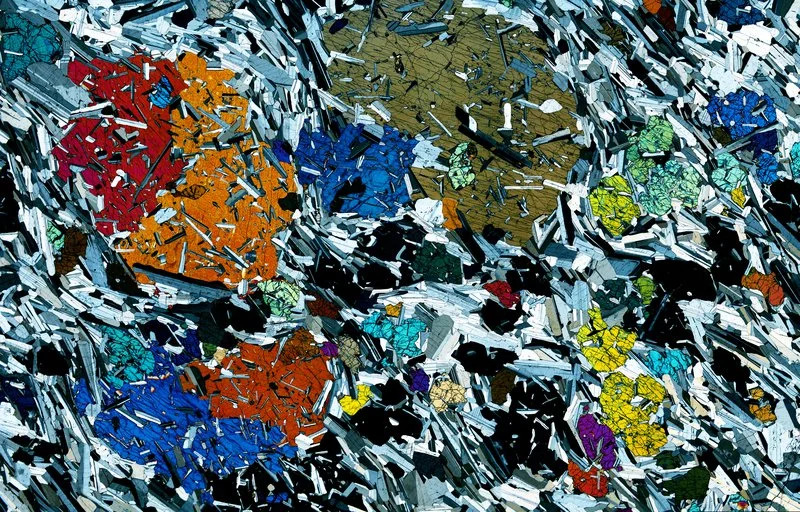
Imaggeo on Mondays: Cooking crystals in the Earth cauldron
This picture shows a 30 micrometer thick rock section of a gabbro from the Rum Layered Intrusion (Scotland). Large clinopyroxene crystals are enclosed in a foliated fine grained groundmass of plagioclase and olivine. The clinopyroxene core crystallized at an early stage, at 1160°C. They were partly molten at 1200°C during successive hot magma injections and subsequently recrystallized, enclosing h ...[Read More]
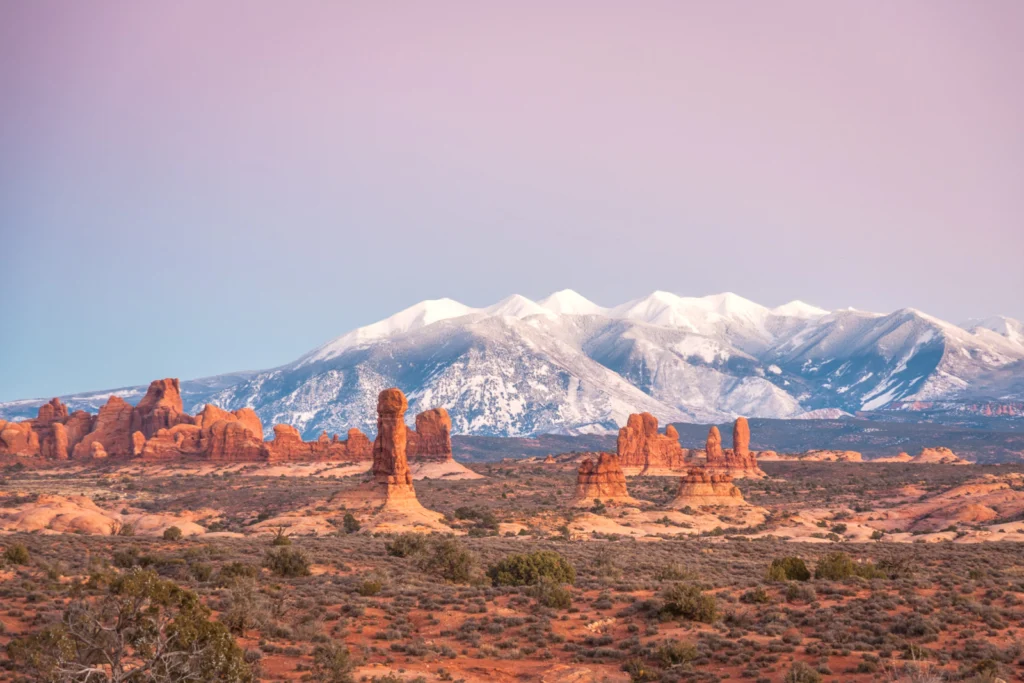
Imaggeo On Mondays: Contrasting Colors of Pinnacles and Mountains
Despite its rugged appearance of sandstone pinnacles and arches, the ecosystem of Arches National Park in Utah, U.S.A. is very fragile. Beyond the normal ‘high desert’ environment, this beautiful landscape is home to microbial communities in the soil called cryptobiotic crusts. These biological soil crusts are very vulnerable to damage and when harmed they can take years to grow back. These barren ...[Read More]
The inaugural EGU webinar: EGU journals and Open Access publishing
Last week the EGU executive office debuted something new for our members: the EGU webinar. The first of these focused on the open access journals that EGU publishes in partnership with Copernicus.The webinar discussed the interactive public peer review system, the role of the EGU Publications Committee, how researchers can effectively publish in an EGU Journal and the new EGUsphere. The web ...[Read More]
GeoPolicy: My experience with the EGU’s science-policy pairing scheme
“Thanks for coming, but no time for celebratory drinks,” I told my colleagues. I arrived in Brussels right after defending my doctoral thesis to brief the Finnish Member of the European Parliament (MEP) Miapetra Kumpula-Natri and her team about the impact of sea-level rise and climate change on the coastal communities of the Baltic Sea. Climate science? Baltic Sea? EU Parliament? I was soon bombar ...[Read More]
GeoTalk: A biogeocaching scavenger hunt for Earth science outreach
Did you know that the EGU has a public engagement grant scheme? We’ll be awarding three EGU members with 1500€ to help them develop an outreach project that aims to raise awareness of geosciences outside the scientific community. The 2020 call for applications is currently open. In this GeoTalk interview, Olivia Trani talks to Astrid Harjung, Laura Coulson, Romana Hödl and Katrin Attermeyer, resea ...[Read More]
Winners of the EGU Best Blog Posts of 2019 Competition
2019 was a brilliant year for our blogging network here at EGU. Across the EGU’s official blog, GeoLog, as well as the network and division blogs there were so many interesting, educational and just downright entertaining posts this year it was hard to get the blog editors to choose their favourites! Nevertheless in December, to celebrate the excellent display of science writing across the network ...[Read More]
The Carbon Potential of Peat
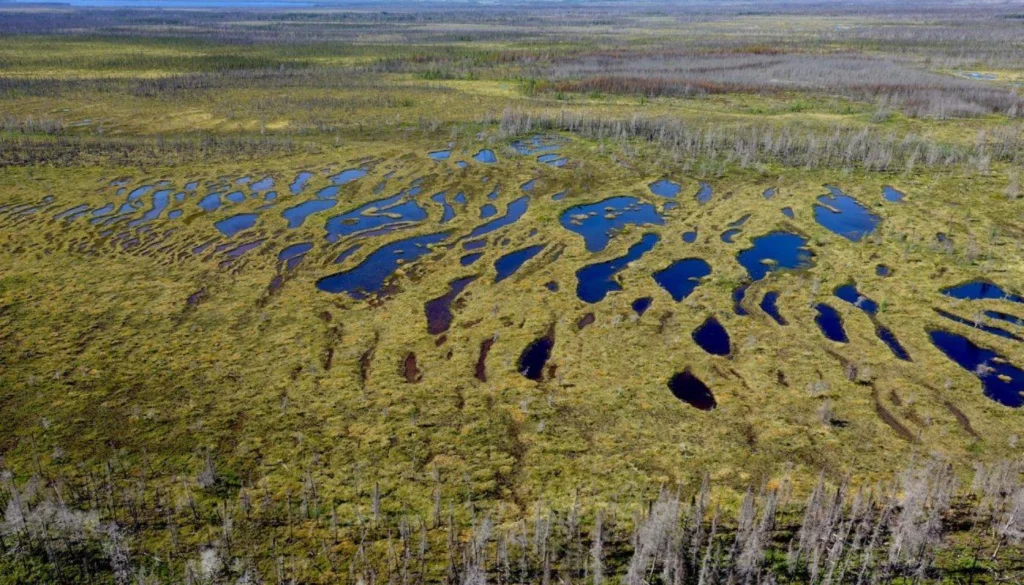
2020 is being described by many as a tipping point: the year that humanity as a species must take concrete and measurable action to prevent catastrophic climate change. But even if we do manage to slow carbon emissions from 2020 onwards, how would the planet deal with all the carbon dioxide we have produced so far? How much capacity do the planet’s natural carbon sequestration reserves actually ha ...[Read More]
December GeoRoundup: Our most read blog posts of 2019
The past 12 months have seen an impressive 160 posts published on the EGU’s official blog, GeoLog. It regularly highlights recent research in the Earth, planetary and space sciences, interviews members of our geoscience community, and brings readers information about the Union and its activities, particularly its General Assembly. This month’s GeoRoundUp will highlight some of the most popular sto ...[Read More]