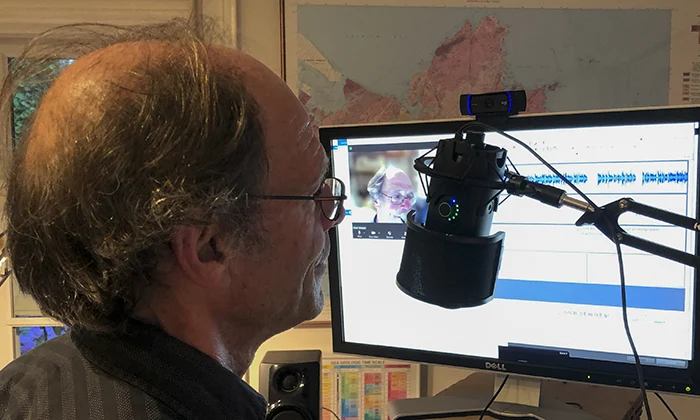
Have you ever wanted to set up your own science podcast? I have been running the Geology Bites podcast now for almost a year and I have often been asked what it takes to set up your own podcast. Here are some of my top tips on what’s involved, the challenges I faced, and how I overcame them. Choose your podcast topic. If there’s one essential step, it’s that you choose a topic you’re fascinated b ...[Read More]
Winners of the EGU Best Blog Posts of 2020 Competition
2020 was a brilliant year for our blogging network here at EGU. Across the EGU’s official blog, GeoLog, as well as the network and division blogs there were so many interesting, educational and just downright entertaining posts this year it was hard to get the blog editors to choose their favourites! Nevertheless at the beginning of January, to celebrate the excellent display of science writing ac ...[Read More]
Accessibility at EGU: Promoting inclusive language, an incomplete guide – VERSION 2!
Like all people, geoscientists can sometimes forget the importance of language. How scientists use language is important because it not only allows us to communicate effectively with different groups, from policymakers to concerned citizens and other researchers, but it can also influence how people respond on an emotional or personal level. The way we use language can even influence how much som ...[Read More]
What was the best Division blog post in 2020: vote for your favourite!
The past 12 months have seen an impressive 540 posts published across the EGU’s official blog, GeoLog, as well as the network and division blogs. The EGU Division bloggers in particular have been hard at work producing new informative, fun and interesting blog posts for our members both inside their Division, but also across EGU as a whole! Ocean Sciences Division joined the EGU blogging family &# ...[Read More]
GeoPolicy: Communicating A Global Climate Crisis – your questions answered!
A wide variety of webinar sessions were streamed during EGU 2020’s Sharing Geoscience Online, including all of the Great Debates and Union Symposia. The sessions were very well attended, with some sessions having over 700 participants. An extremely high level of engagement meant that in many cases not all of the participants’ questions could be answered in the available time. Union Symposium ...[Read More]
GeoPolicy: How to use webinars to share your science with a wider audience!
Since the explosive spread of COVID19, the way most academics work has changed and it can sometimes feel like we’re all living on conference calls, Skype and online events. While this may not suit everyone’s preferred working style, it’s difficult to deny that people are now more willing to engage online and it’s worth thinking about how we can take full advantage of this new method of working! Ha ...[Read More]
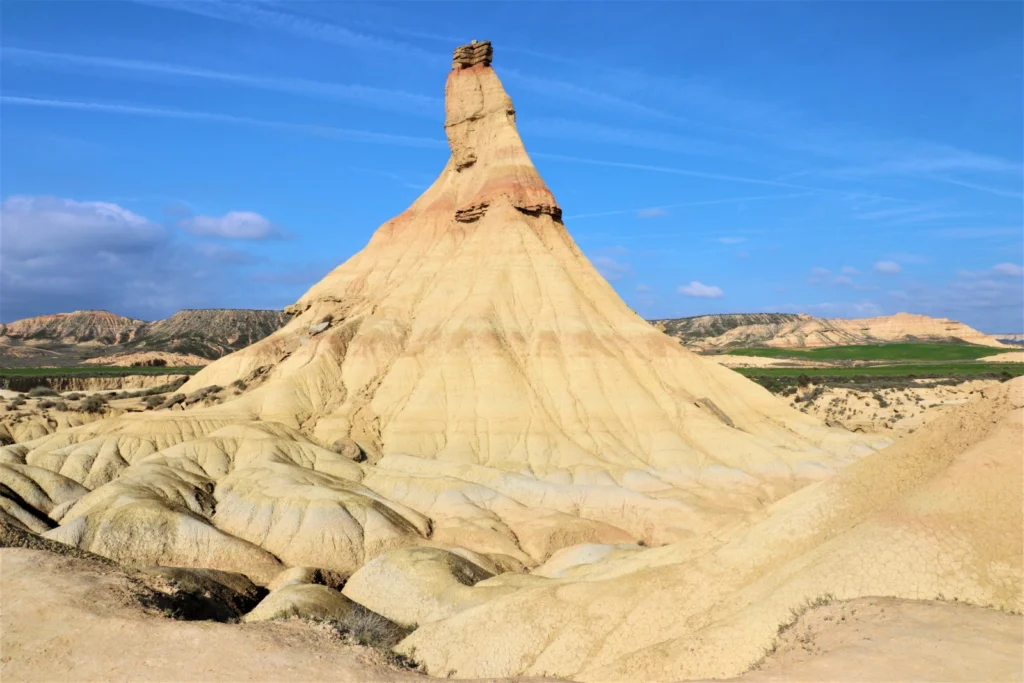
Imaggeo on Mondays: Striking erosion in the Bardenas Reales
The Castil de Tierra has become the symbol of the Bardenas Reales region which is geographically located in the south-eastern margin of the Navarra Province in northern Spain. The Bardenas Reales is a semi-desert natural region situated in the middle-western sector of the Ebro depression. The geology is made up of Tertiary and Quaternary sediments. Rainfall events, wind and high temperatures enhan ...[Read More]
GeoPolicy: Getting involved with science for policy during #shareEGU20!
This year, EGU’s science-policy related sessions will be run a little bit differently! In case you haven’t already heard, EGU will be hosting EGU2020: Sharing Geoscience Online (#shareEGU20) from 4-8 May 2020 in place of the physical General Assembly. While this fully online event is in response to the COVID-19 crisis, it is also an opportunity to experiment with online networking and ...[Read More]
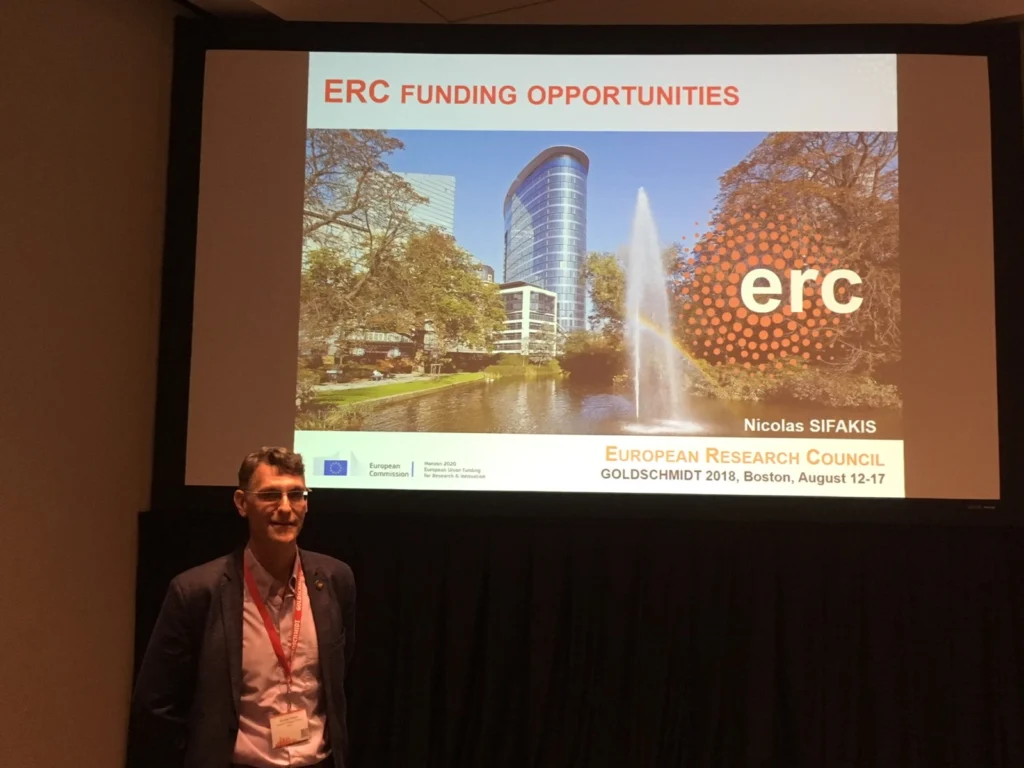
GeoPolicy: How to become a Seconded National Expert for the European Commission
The European Seconded National Expert programme is a fantastic opportunity for scientists who are currently working in a national, regional or local public administration of an EU member state or an intergovernmental organisation to gain experience working within a European policy institution. In most cases, secondments are between six months and four years during which time the Seconded National ...[Read More]
Accessibility at EGU: Promoting inclusive language, an incomplete guide
Like all people, geoscientists can sometimes forget the importance of language. How scientists use language is important because it not only allows us to communicate effectively with different groups, from policymakers to concerned citizens and other researchers, but it can also influence how people respond on an emotional or personal level. The way we use language can even influence how much som ...[Read More]