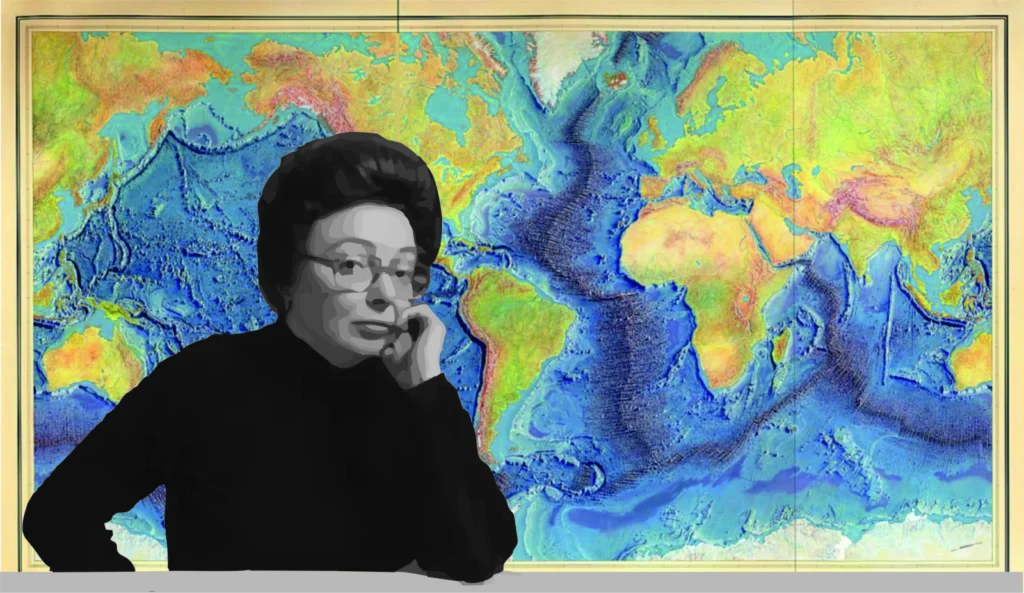
Today marks the centennial of the birth of Marie Tharp, the person responsible for creating the first map of our planet’s ocean floors. Though her work was underappreciated at the time of its publication – mainly because she faced many significant barriers due to her gender – her maps ended up being instrumental evidence in support of the theory of plate tectonics. Marie herself ...[Read More]
ocean sciences
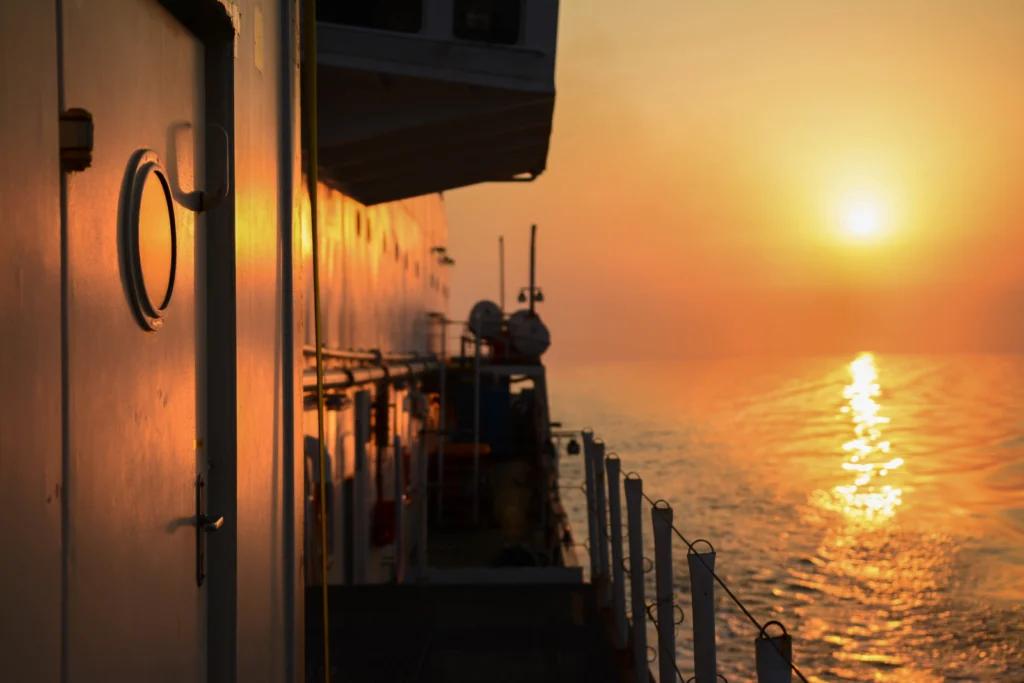
Imaggeo On Monday: Sunset in the Arabian basin
We know the topography of the moon better than the Earth’s seafloor, so we need to keep studying the ocean, and, for me, going to sea is the best way. Only twenty percent of the seafloor is already mapped (see the Seabed 2030 Project), leaving eighty percent of our ocean unmapped, unobserved, and unexplored. This is why ocean going research is fundamental, not only for seabed mapping, ...[Read More]
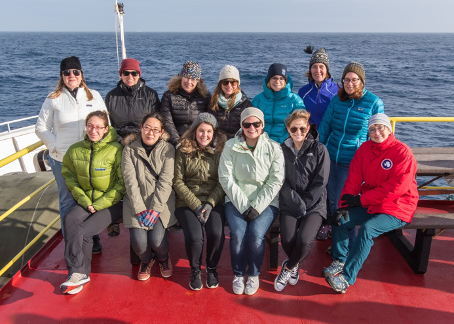
All at sea: UK women’s experiences of female leadership roles on ocean-going research vessels
As I read the abstract of ‘Women in UK Ocean Science: Experiences of female leadership roles at sea’ by Katharine Hendry et al., it reminds me my own experience at sea! Indeed, more than one year ago, I had the chance to join the IODP Exp 379 in the Amundsen Sea (Antarctica) which was co-led by a woman, Julia Wellner from the University of Houston. It was her first IODP (International ...[Read More]
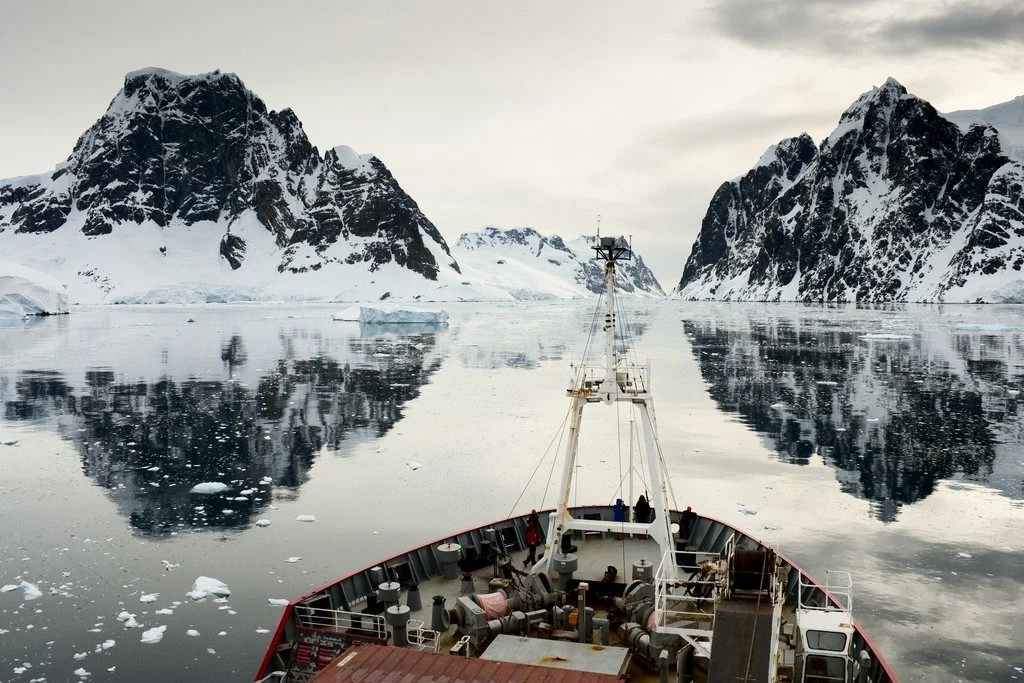
Imaggeo on Mondays: Monitoring Antarctica’s ocean current
This week’s featured image depicts a quiet and still oceanic landscape in Antarctica, but polar scientists are studying how energetic and variable the ocean currents in this part of the world can be. In this picture, the marine research vessel RRS James Clark Ross is making its way through the Lemaire Channel, a small passage off the coast of the Antarctic Peninsula, south of the southernmost tip ...[Read More]
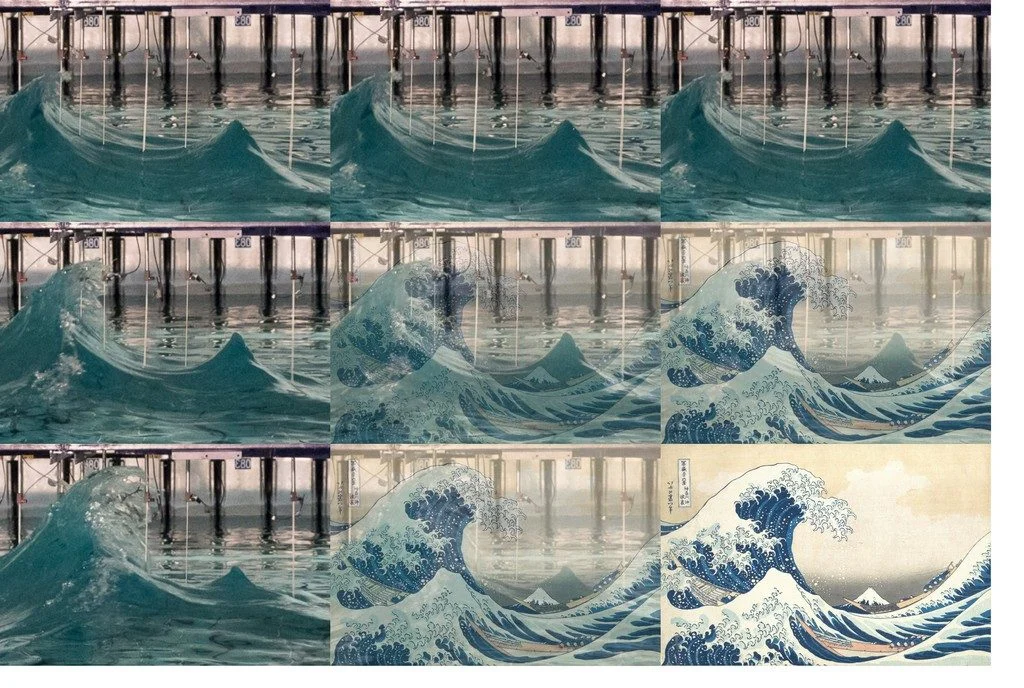
Imaggeo on Mondays: Recreating monster waves in art and science
Featured in this blog post is a collection of images that gives a picture-perfect example of life imitating art. The photos in the left column are three consecutive still frames of a breaking wave that scientists generated in a lab environment at the University of Edinburgh in the UK. The pictures in the centre and right columns show the same wave images, but now superimposed with the famous 19th ...[Read More]
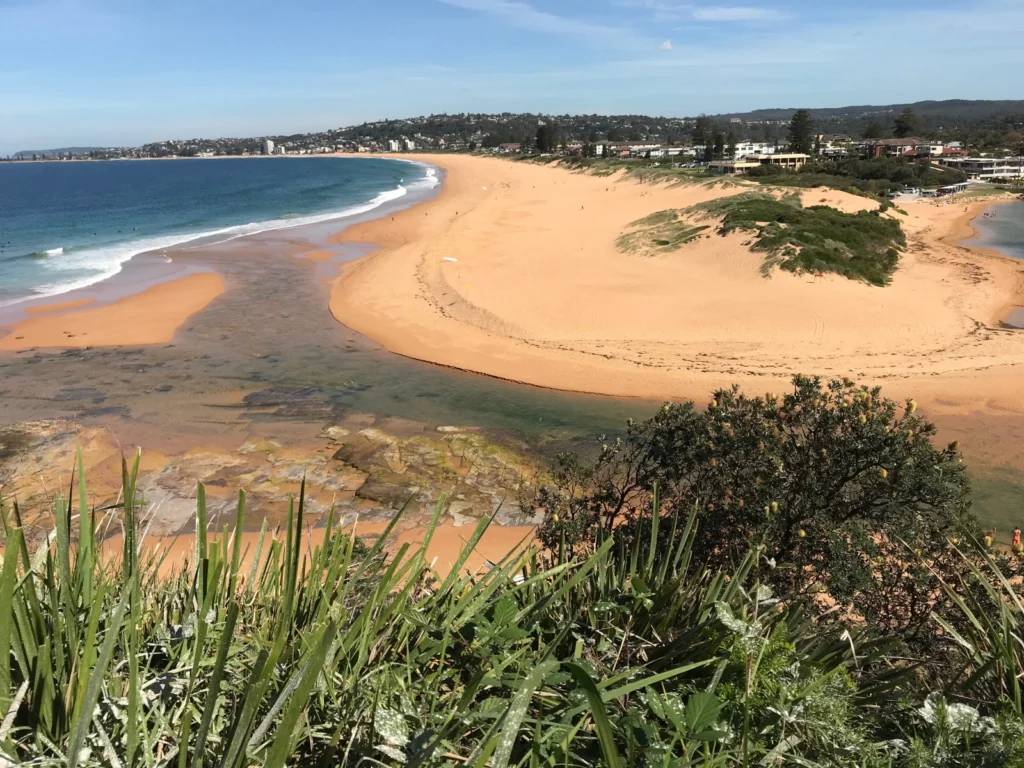
Back for the first time: measuring change at Narrabeen–Collaroy Beach
Narrabeen–Collaroy Beach in New South Wales, Australia, just north of Sydney, is home to one of the longest-running shoreline-measurement programmes in the world. With colleagues at the University of New South Wales (UNSW) Sydney, Eli Lazarus, an associate professor in geomorphology at the University of Southampton, UK, has been analysing over 40 years of data from Narrabeen–Collaroy to better und ...[Read More]
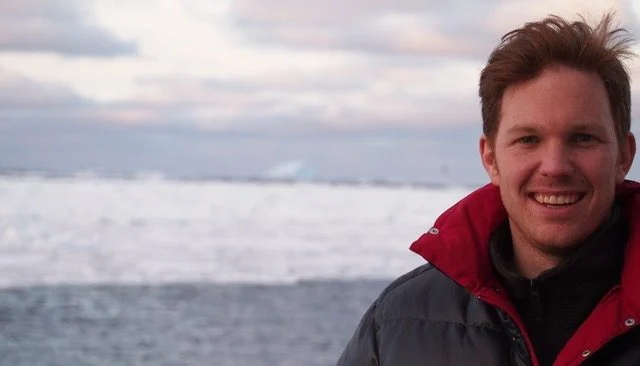
GeoTalk: A new view on how ocean currents move
Geotalk is a regular feature highlighting early career researchers and their work. In this interview we speak to Jan Zika, an oceanographer at the University of New South Wales in Sydney, Australia. This year he was recognized for his contributions to ocean dynamics research as the winner of the 2018 Ocean Sciences Division Outstanding Early Career Scientists Award. First, could you introduce your ...[Read More]
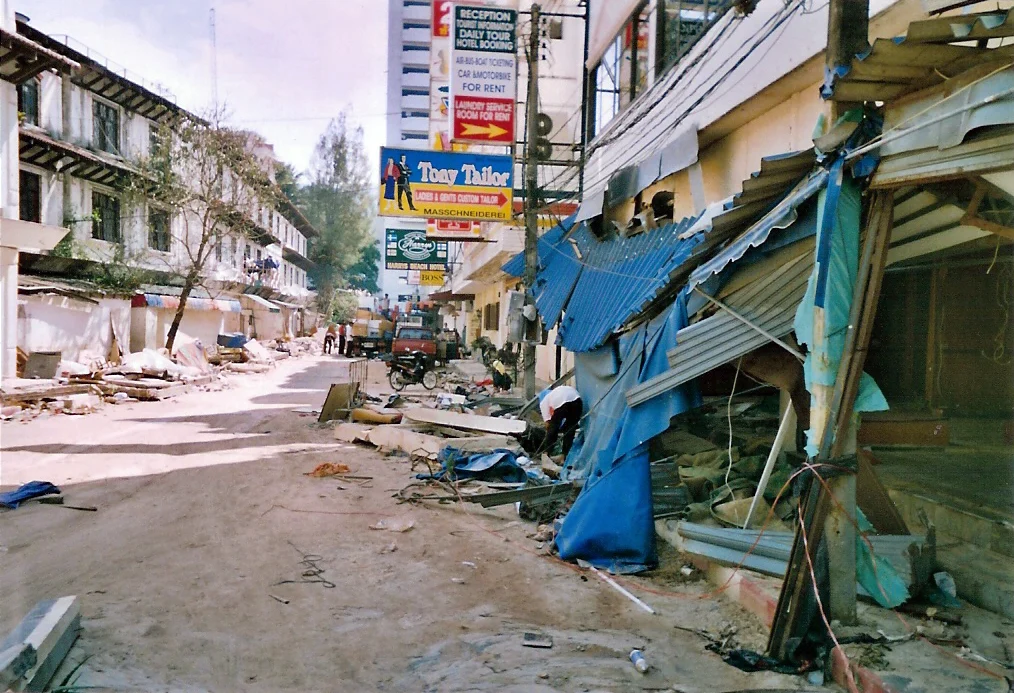
Top ten tourist beaches threatened by tsunamis
December 2004 saw one of the deadliest natural disasters in recorded history. 228,000 people were killed when an earthquake off the coast of the Indonesian island of Sumatra triggered tsunami waves up to 30 m high. The destruction was extreme as the waves hit 14 different countries around the Indian Ocean. Economic losses totalled over 10 billion US dollars. The tourism industry in particular suff ...[Read More]
Underwater robot shares ocean secrets
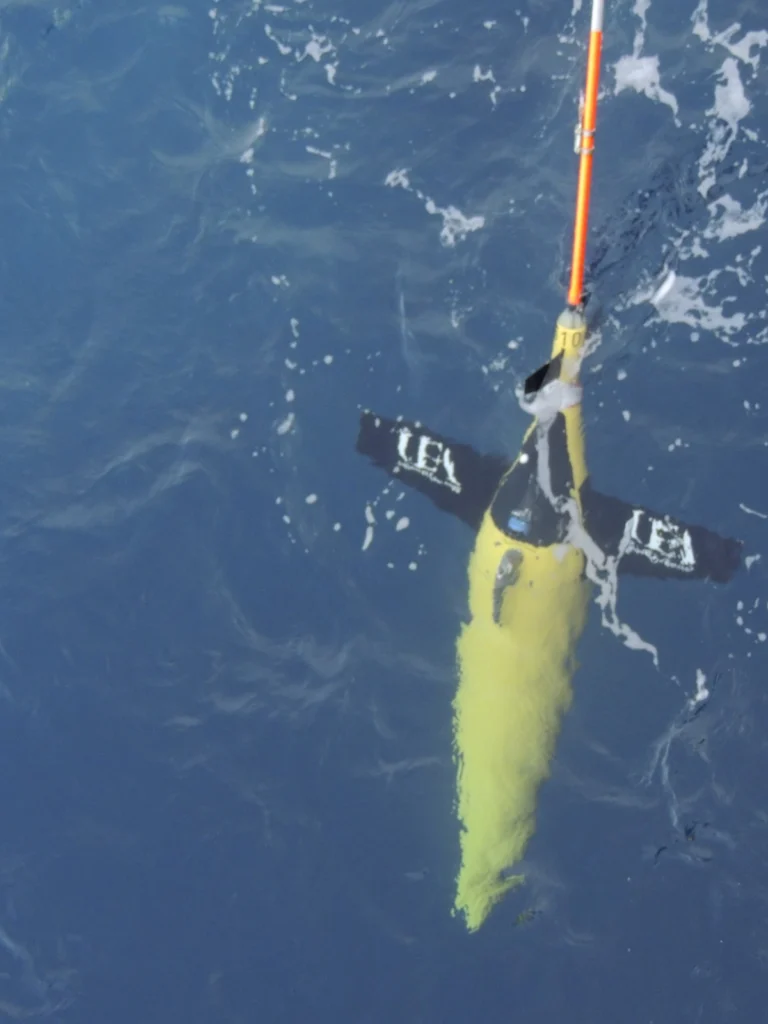
Buoyancy-driven drones are helping scientists paint a picture of the ocean with sound. Around the world, silent marine robots are eavesdropping on the ocean and its inhabitants. The robots can travel 1000 metres beneath the surface and cover thousands of kilometres in a single trip, listening in on the ocean as they go. These bright yellow bots, known as Seagliders, are about the size of a diver, ...[Read More]
Imaggeo on Mondays: Iceberg viewing in Cape Spear, Newfoundland, Canada
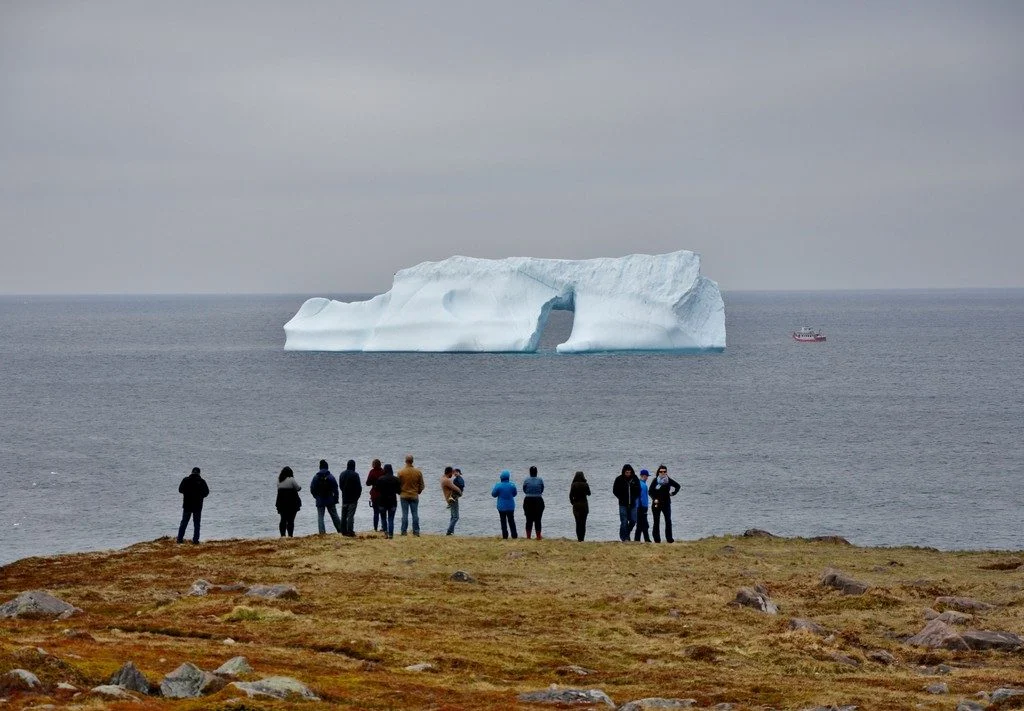
Cape Spear in Newfoundland, Canada is the easternmost location in North America and one of the few places in the world where you can contemplate icebergs from the shore. Every year, about 400 to 800 bergs journey down to this particular point. These 10,000-year-old ice giants drift along the northern shore of Newfoundland with the Labrador Current. About 90 percent of these icebergs come from west ...[Read More]