GeoLog

ocean sciences

Footprints reveal climate’s mark on mudflats
Footprints reveal climate’s mark on mudflats

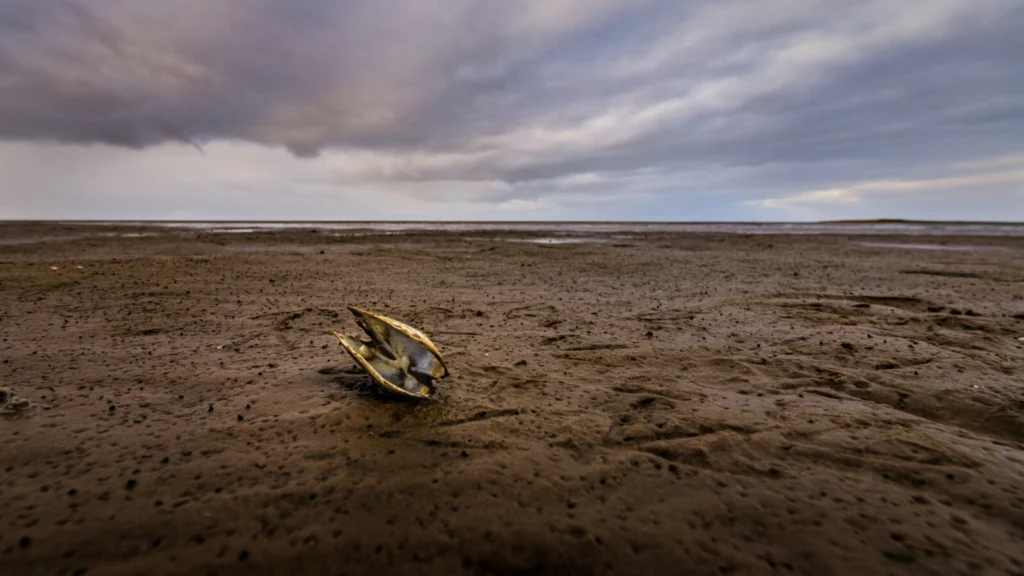
Tidal flats, the muddy reaches of estuaries unveiled at low tide, support rich ecosystems and fisheries worldwide. But these habitats are under threat from climate change, as sea level rise overwhelms the landscape and heavy rainfall scours away the sediment – impacts that scientists are only just beginning to explore. In an effort to understand …[Read More]

The world of hydrography calls for more hands on deck

The world of hydrography calls for more hands on deck

This week on 21st June, governments around the world observed World Hydrography Day to celebrate the role of hydrography in understanding the seas. Though initially thought to be a field limited to the navigation of ships, hydrography is being increasingly recognized for its knowledge contribution to the oceans, seas, coastal areas, lakes and rivers, as …[Read More]

Five resources to up your knowledge of (and appreciate) our oceans

Five resources to up your knowledge of (and appreciate) our oceans

Yesterday (8 June) was globally observed as World Oceans Day. The United Nations announced that it is joining forces with decision-makers, indigenous leaders, scientists, private sector executives, civil society, celebrities, and youth activists to put the ocean first. This year’s theme is “Planet Ocean: tides are changing,” to encourage everyone – whether as individuals or …[Read More]

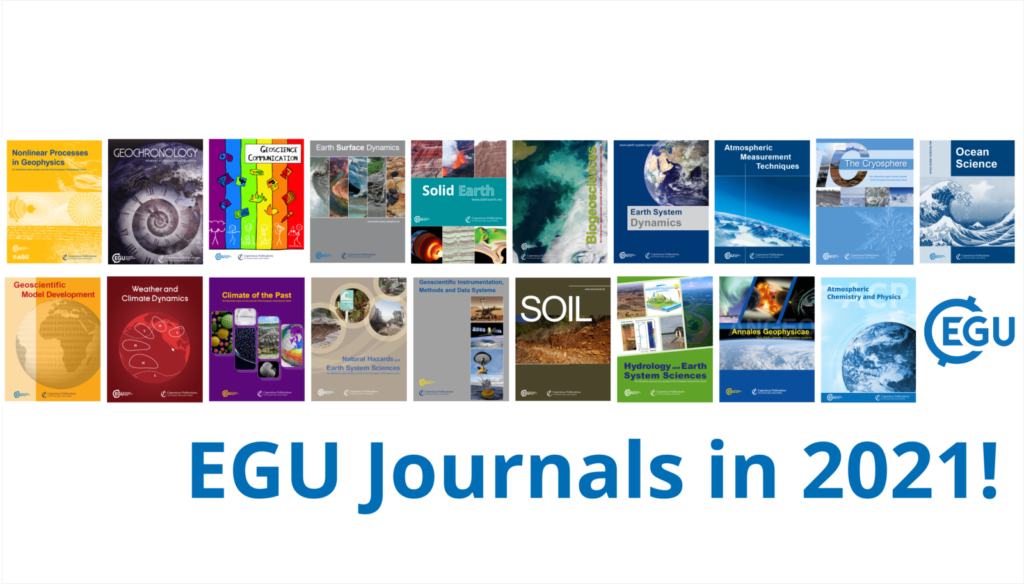
The most-read EGU journal articles in 2021!

The most-read EGU journal articles in 2021!

This year EGU published more than 3,375 peer-reviewed articles in our 19 Open Access journals. Upon learning about this impressive number of articles, we wondered: which of these were the most popular? You can find out in the following list of the most-read article for each EGU journal. From rainfall-runoff prediction, tipping points and open …[Read More]

What if a tsunami’s magnetic field could predict the height of the wave?

What if a tsunami’s magnetic field could predict the height of the wave?

It’s been well established that tsunamis generate magnetic fields as they move seawater (which is conductive unlike freshwater) through the Earth’s magnetic field. Although researchers previously predicted that the tsunami’s magnetic field would arrive before a change in sea level, they lacked the means to simultaneously measure magnetics and sea level to confirm this phenomenon. …[Read More]

The most-read EGU journal articles in 2020!

The most-read EGU journal articles in 2020!

This year EGU published more than 3,300 peer-reviewed articles in our 19 Open Access journals. Upon learning about this impressive number of articles, which equates to just over 61,000 journal pages, we wondered: which of these were the most popular? You can find out in the following list of the most-read article for each EGU …[Read More]

It’s Black in Marine Science Week!

It’s Black in Marine Science Week!

Earlier this summer, as a global society we were reminded; our societies are riddled with inequalities. The deaths of Ahmaud Arbery, George Floyd, Breonna Taylor and other Black people over minor infringements of the law if any, flooded our news feeds; Black people like myself were reminded of just how dangerous our world is. The …[Read More]