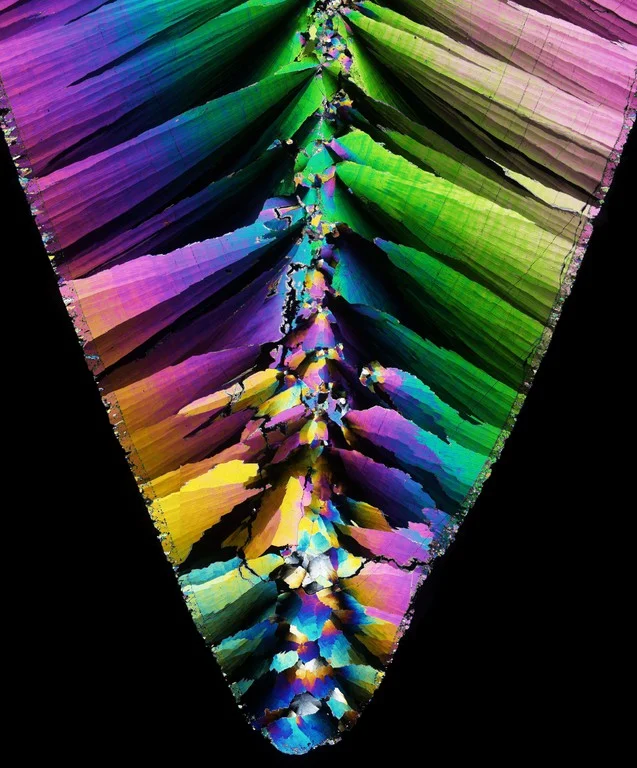
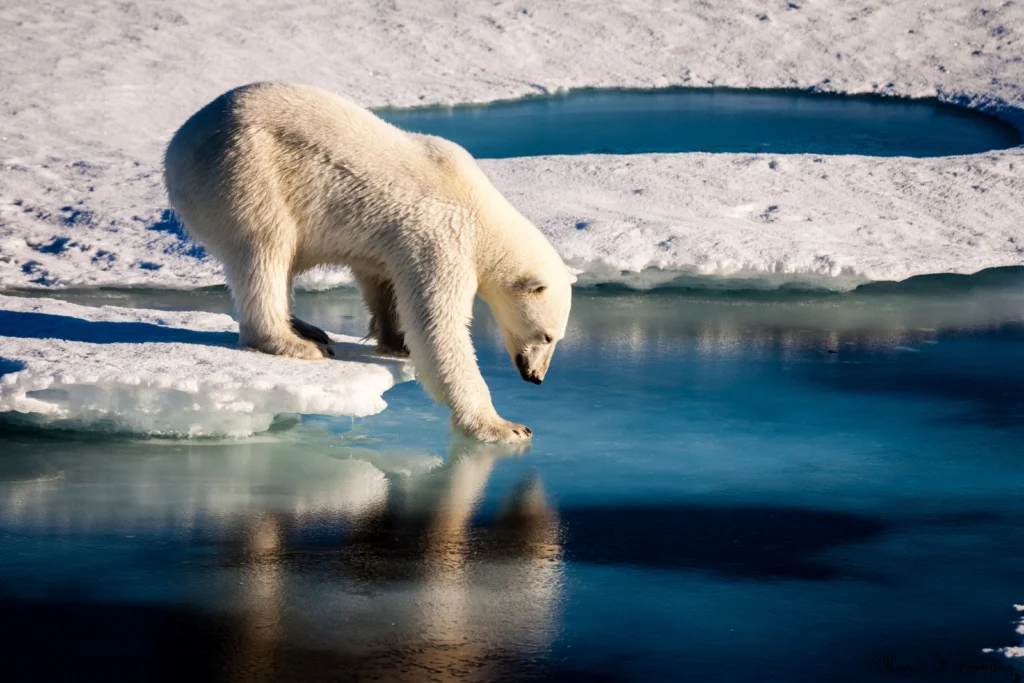
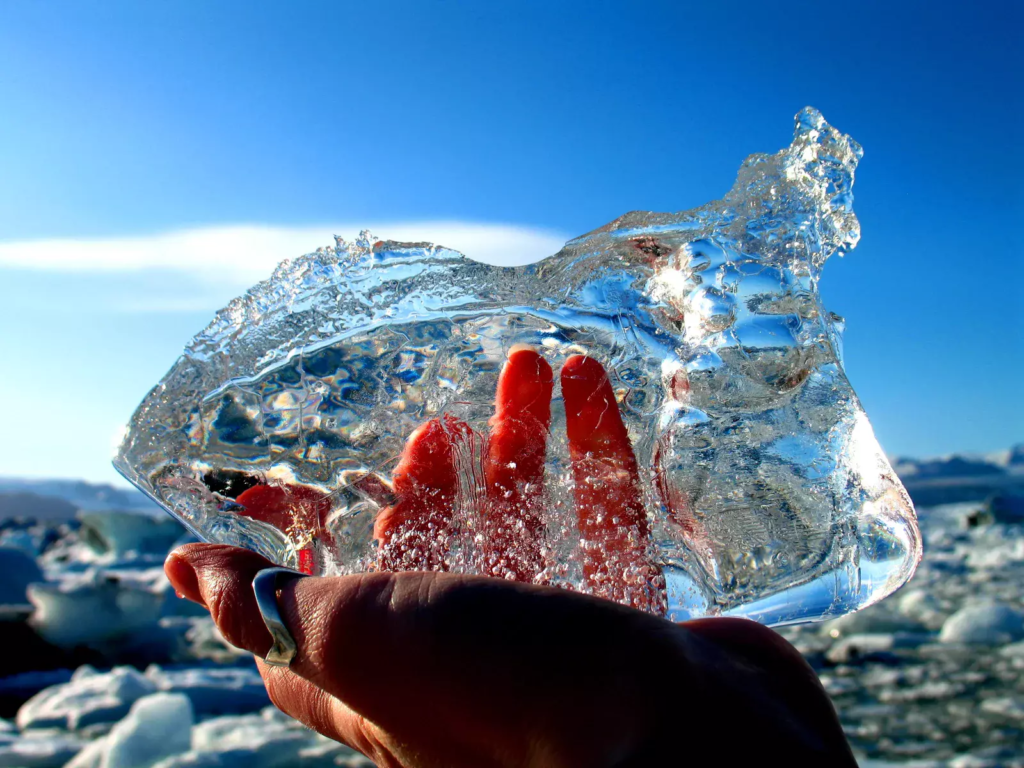
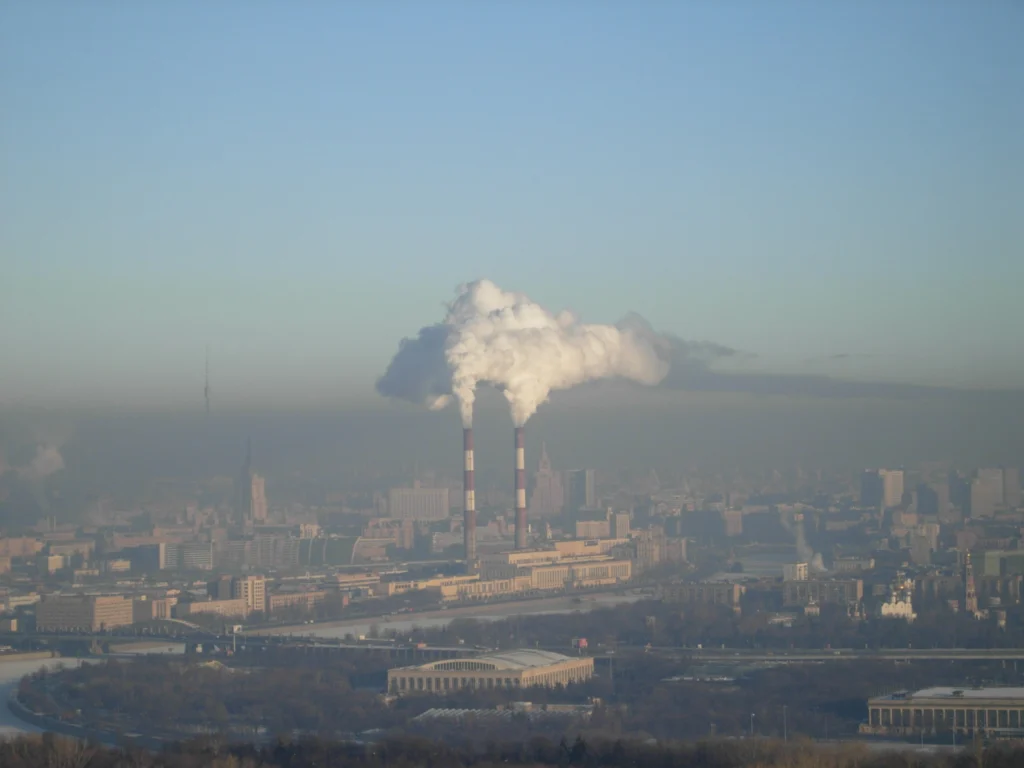
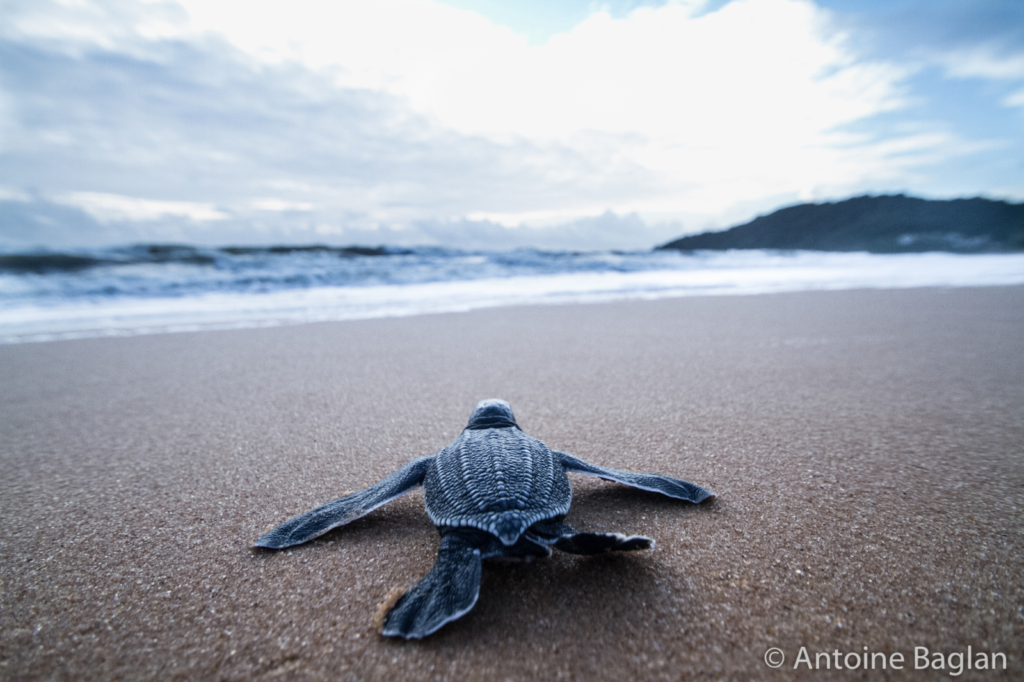
In 2010 EGU held our first annual Photo Competition at the General Assembly in Vienna. Since then hundreds of photos have been shared on imaggeo by geoscientists and researchers just like you, with a lucky few being selected each year to be highlighted during the meeting and voted on by our members. These images …[Read More]
climate change
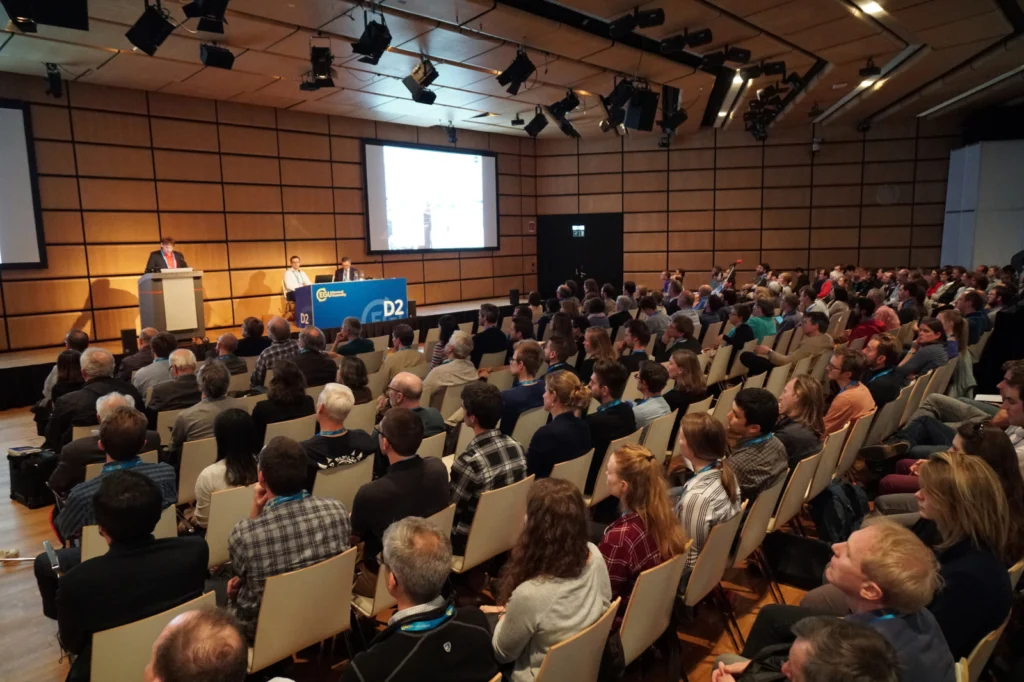
Imaggeo On Monday: the EGU Photo Competition – sharing your images around the world.
In 2010 EGU held our first annual Photo Competition at the General Assembly in Vienna. Since then hundreds of photos have been shared on imaggeo by geoscientists and researchers just like you, with a lucky few being selected each year to be highlighted during the meeting and voted on by our members. These images …[Read More]
GeoPolicy: Atmospheric Sciences and Climate: Past, Present & Future Divisions welcome the US back into the Paris Climate Agreement
As of 19 February 2021, the US officially re-joined the Paris Climate Agreement, a landmark international accord to limit global warming by 2°C (and ideally to 1.5°C) compared to pre-industrial levels. The Paris Climate Agreement aims to bring the world together to avoid catastrophic warming that will impact us all and to build resilience to …[Read More]
120 years of the ‘Greenhouse Effect’
120 years ago in 1901, Swedish meteorologist Nils Ekholm used the term ‘greenhouse’ to describe the heating effect that a planet’s atmosphere has on the surface temperature of the planet, the first time that this now much-used and abused metaphor was published. He wrote: “The atmosphere plays a very important part of a double character …[Read More]
The most-read EGU journal articles in 2020!
This year EGU published more than 3,300 peer-reviewed articles in our 19 Open Access journals. Upon learning about this impressive number of articles, which equates to just over 61,000 journal pages, we wondered: which of these were the most popular? You can find out in the following list of the most-read article for each EGU …[Read More]
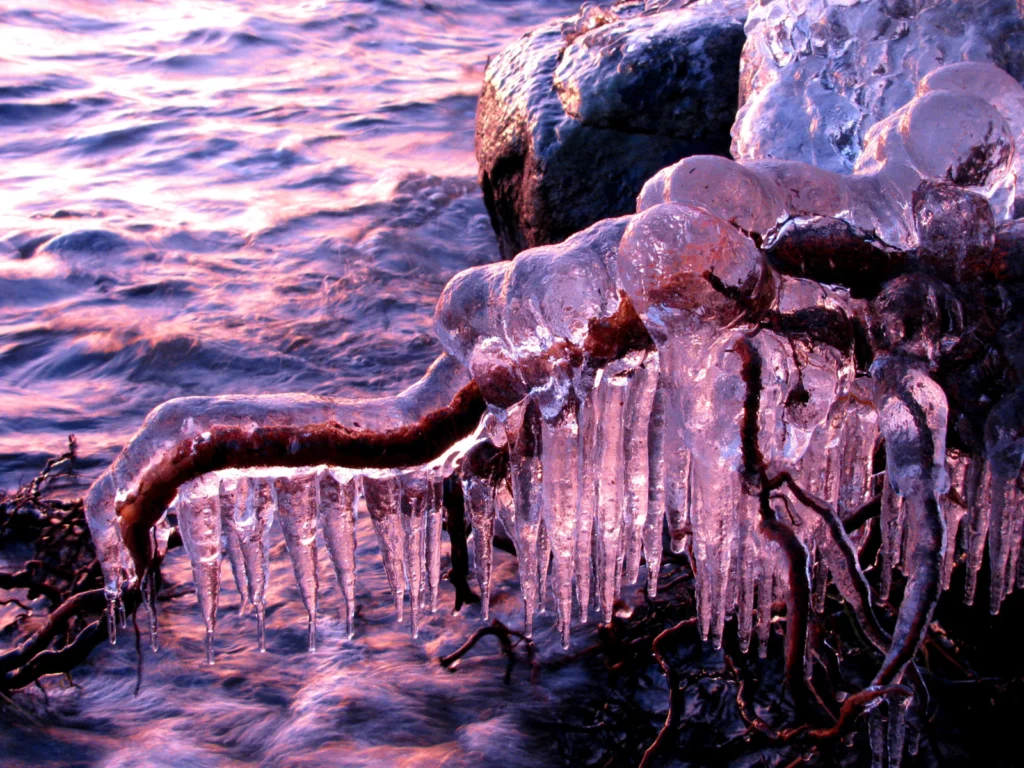
Imaggeo On Monday: Ice-coated roots at sunset
The coating by the ice and the icicles are created through the interplay of wave action and the simultaneous freezing of the water around the exposed tree roots. The reason for the exposed tree roots is increased bank erosion due to a rather unusual circumstance. The combination of the lake not yet being frozen in …[Read More]
Why is research in Antarctica so important?
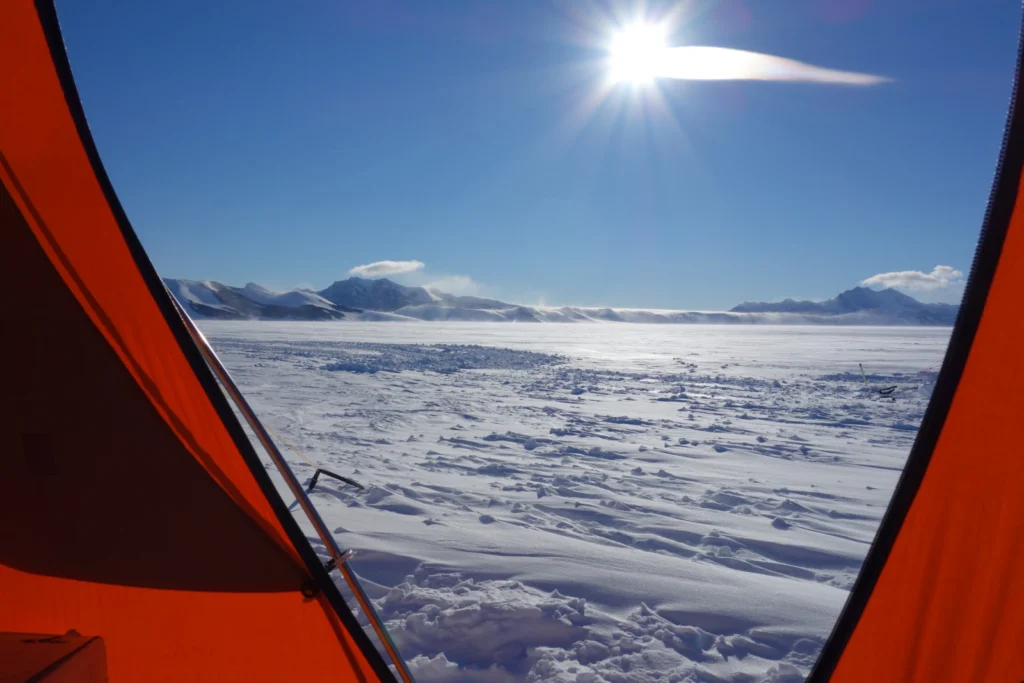
On the 1st December 1959 the Antarctic Treaty was signed by 12 nations, setting aside nearly 10% of the Earth “forever to be used exclusively for peaceful purposes… in the interests of all mankind.” In the years that followed more and more countries signed the agreement, until today when the agreement has been signed by …[Read More]
GeoPolicy: Communicating A Global Climate Crisis – your questions answered!
A wide variety of webinar sessions were streamed during EGU 2020’s Sharing Geoscience Online, including all of the Great Debates and Union Symposia. The sessions were very well attended, with some sessions having over 700 participants. An extremely high level of engagement meant that in many cases not all of the participants’ questions could be …[Read More]
Epic Journeys: New insights into wildlife and human migrations
Many wild animals make extraordinary long-distance journeys, whether by land, by air or even by sea. Ancestral, and even some modern, humans have likewise undertaken equally impressive odysseys across and between continents. In order to highlight these “epic journeys,” four different research projects were presented during an EGU press conference held on Wednesday. During the …[Read More]
GeoPolicy: My experience with the EGU’s science-policy pairing scheme
“Thanks for coming, but no time for celebratory drinks,” I told my colleagues. I arrived in Brussels right after defending my doctoral thesis to brief the Finnish Member of the European Parliament (MEP) Miapetra Kumpula-Natri and her team about the impact of sea-level rise and climate change on the coastal communities of the Baltic Sea. …[Read More]