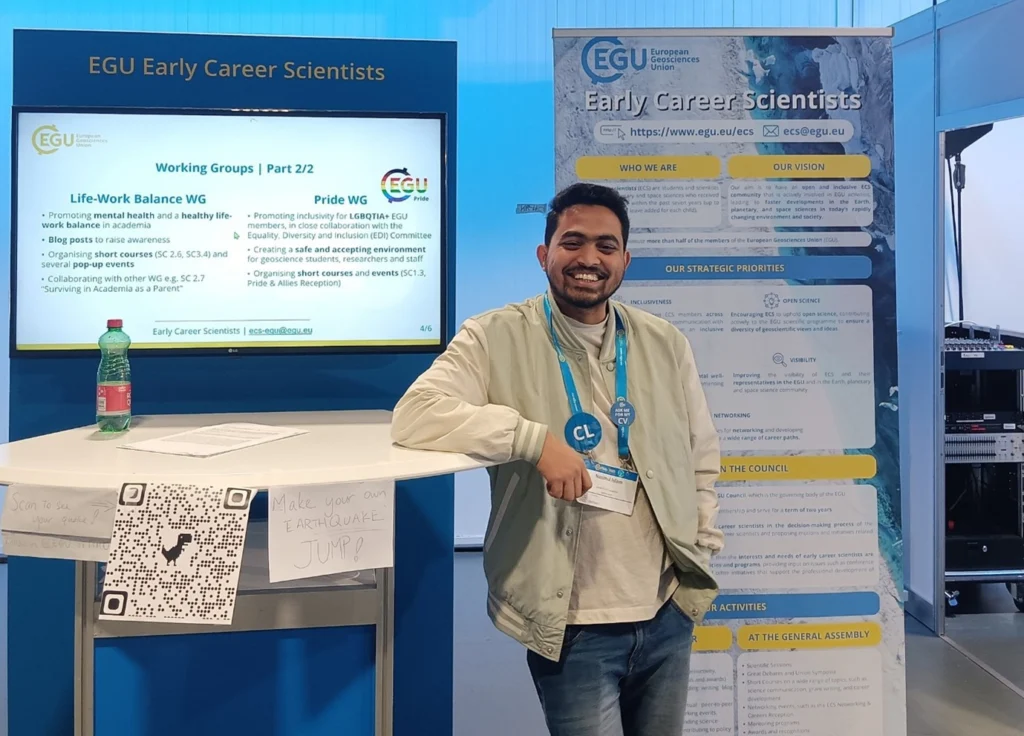
Hi Naz. Thanks for joining us for this edition of GeoTalk! How did you get into studying tree rings? Hello, thank you for inviting me! Well there is an interesting story behind this so let me share it with you. I was always fascinated by our natural environment, particularly mountains, glaciers, and rivers. That motivated …[Read More]
climate change
A chunk of ice the size of Amsterdam: how the calving of Greenland’s glaciers has changed since the 2010 Petermann Glacier event
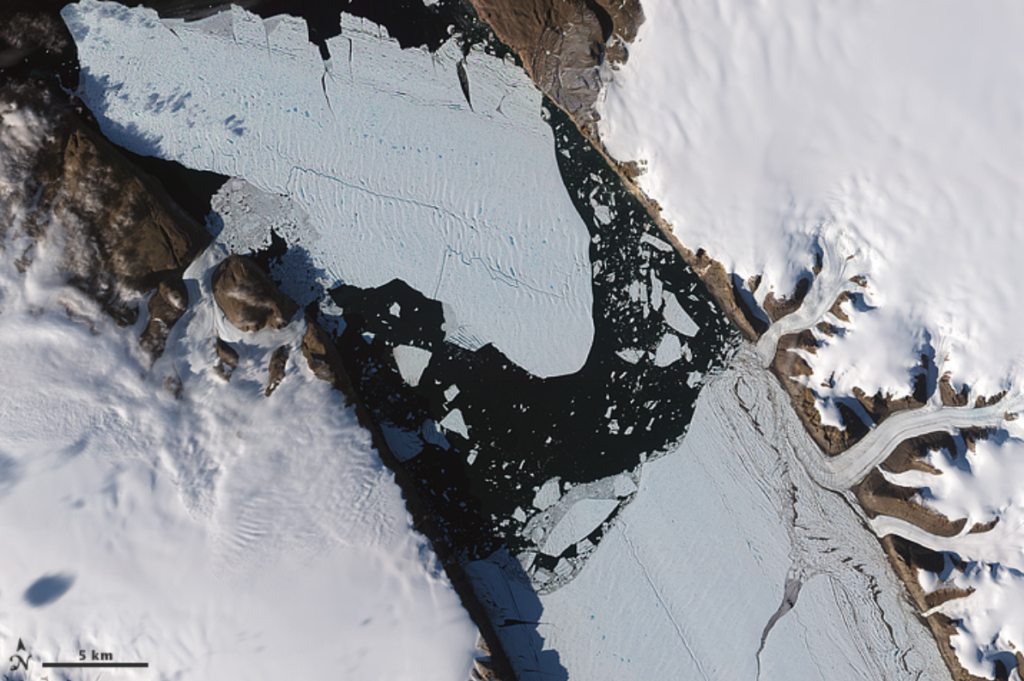
Thirteen years ago, a roughly 251 km2 chunk of ice (or 97 miles2) broke off Greenland’s Petermann Glacier. This Amsterdam-sized piece of ice was the largest to calve in the Arctic since 1962. The massive iceberg traversed the Nares Strait, which lies between Canada’s Ellesmere Island and Greenland, and into the northern part of Baffin …[Read More]
Do changes in Arctic climate variability severely impact migratory birds?
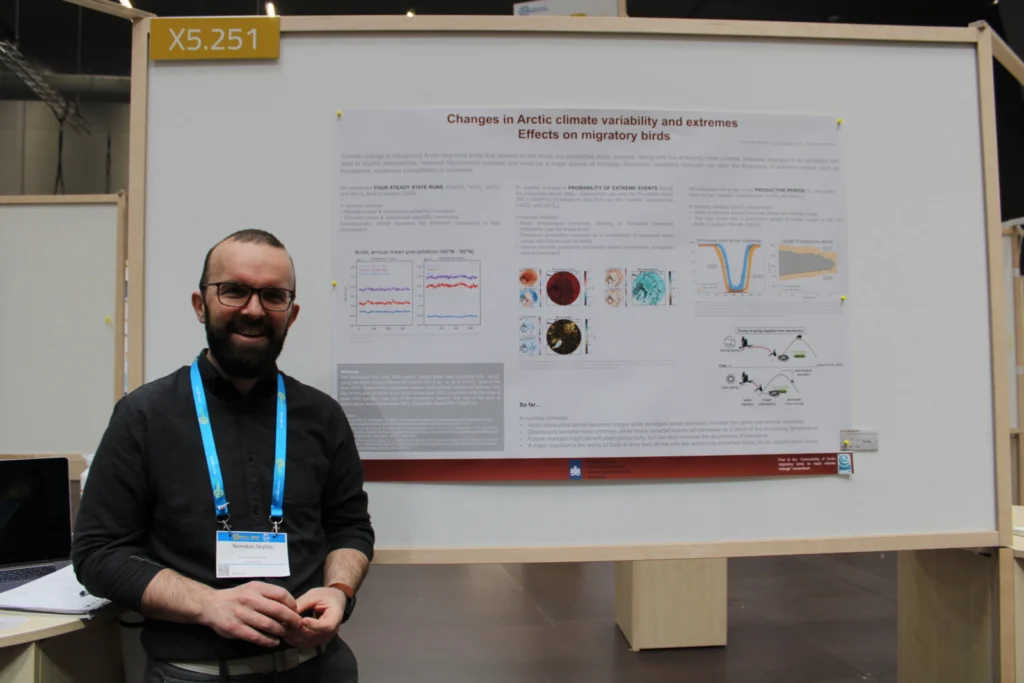
Changes in Arctic climate variability and extremes may have significant impacts for migratory birds, according to a study presented at EGU23 by Nomikos Skyllas, a PhD student from the University of Groningen. Many species cross continents during their seasonal migration patterns, travelling from as far as Africa and South America to northern regions such as …[Read More]
GeoTalk: Meet Marisa Storm, Molecular Fossil researcher!
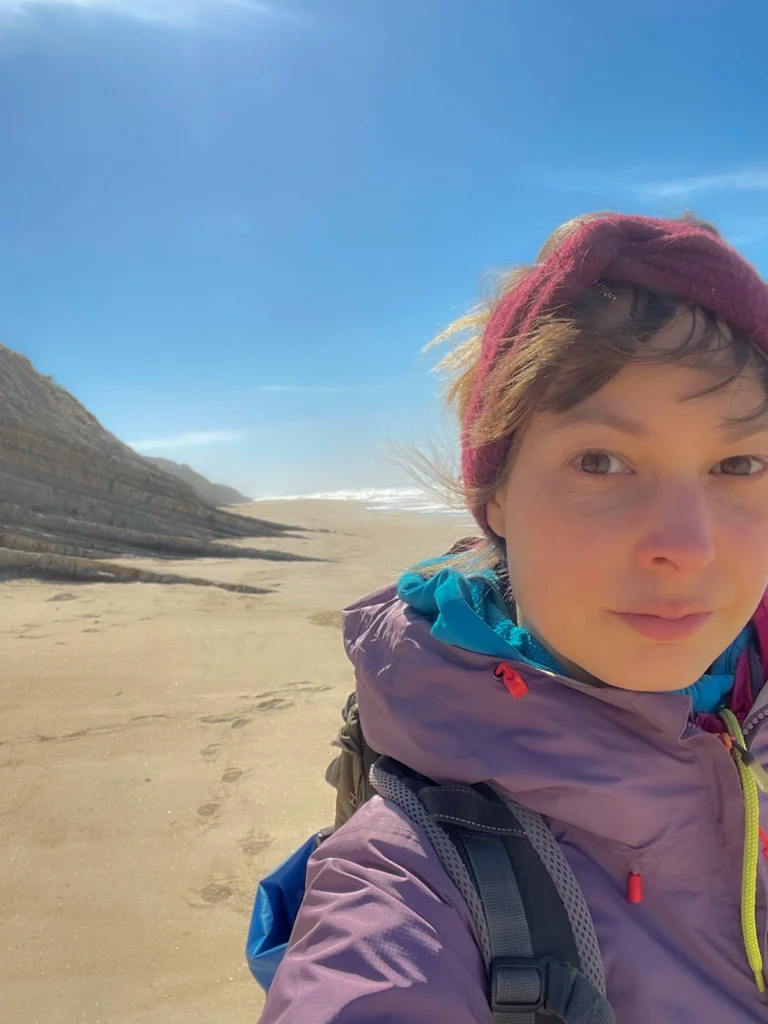
Hi Marisa. Thank you for joining us today! Could you tell our readers a bit about yourself and your research? Hi, I am a geologist and organic geochemist, currently working as a postdoc at the NIOZ Netherlands Institute for Sea Research based on the island Texel. After my geology-focused undergraduate and master studies in …[Read More]
GeoTalk: meet Francesco Avanzi, researcher in meltwater security!
Hi Francesco. Thanks for agreeing to this interview! To break the ice, could you tell our readers a bit about yourself and your research? Hey Simon! I’m an Italian hydrologist and earned a PhD at Politecnico di Milano with a dissertation on how snowmelt contributes to seasonal runoff. I then did a postdoc at UC …[Read More]
Why do we keep dismissing drought?
“If you see me, then weep” Like the foreboding inscription witnessed by Dante as he passed through the gates of Hell, the inscription chiselled into the so-called “hunger stone” marks the passing of a threshold into suffering. As the hunger stone emerges from the dwindling waters of the Elbe River, Czechia, it reveals a history …[Read More]
Earth Science Week 2022 – Earth Science for a Sustainable World
It’s October and that means that once again it’s time for Earth Science Week – a week long celebration of all things Earth Science, initiated by the American Geosciences Institute! To learn more about this history of Earth Science Week check out our previous blog post, but this year the theme is ‘Earth Science for …[Read More]
GeoTalk: meet Jarmo Kikstra, researcher in energy transition under climate change!
Hello Jarmo. Thank you for joining us for the interview today! Before we put our foot on the gas, could you tell us a little bit about yourself and your research? Hi Simon, nice to meet you! Thanks for inviting me to chat with you about my research, and perhaps a bit about the person …[Read More]
This World Biofuel Day, we look to the future with optimism
Fossil fuels have dominated the global energy market for centuries, and so most people find it surprising to learn that the first ever diesel engine (1892) was run entirely on peanut oil. German engineer Sir Rudolf Diesel who built the engine was almost prophetic when he said the use of vegetable oils for engine fuels …[Read More]
How a Spanish newspaper experiment is improving public understanding of climate change
Climate change is not a new phenomenon. Nor is global warming. So why do researchers report a poor public understanding of this subject around the world? According to a recently published study, 70% of the people surveyed said they were concerned about rising global temperatures but had little knowledge about the climate crisis. When asked …[Read More]