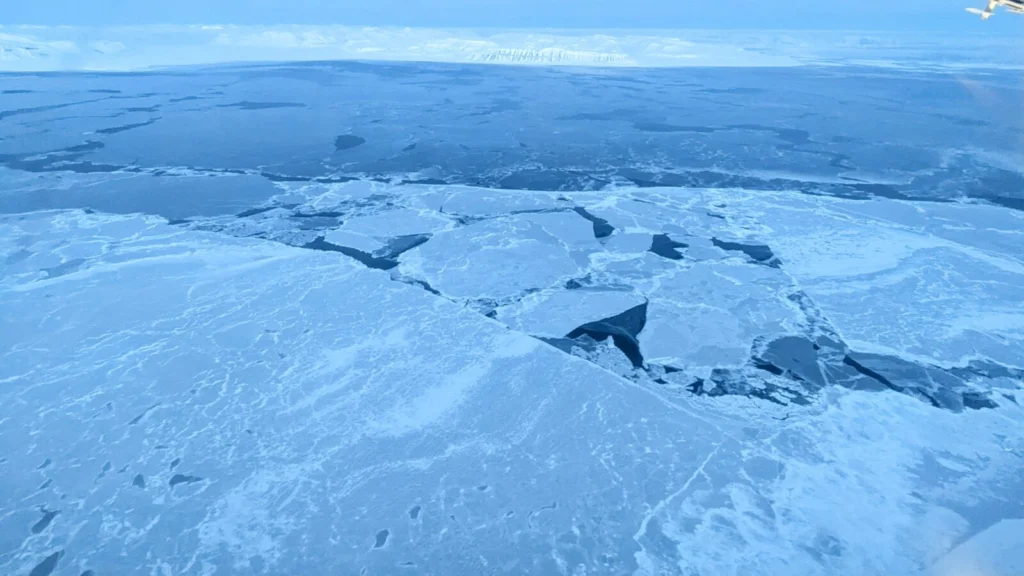
In 2025, Climate of the Past celebrated its 20th anniversary. Over the past two decades, the journal has become a leading open-access publication in paleoclimatology. It provides a platform for research into how the Earth’s climate has changed over time, and how these changes can inform our understanding of the current climate system. To celebrate its anniversary, Climate of the Past decided ...[Read More]
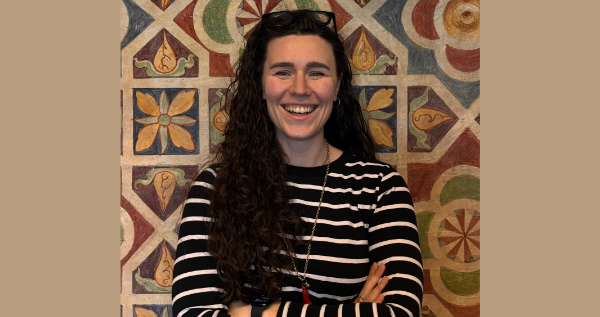
GeoTalk: Meet Elisa Nobile, Flood Loss & Damage researcher, & Natural Hazards Early Career Representative!
Hello Elisa! Thank you for agreeing to this GeoTalk interview. Could you briefly introduce yourself and your background to our readers? Hello, and thank you for having me. My name is Elisa Nobile and I recently completed my PhD at IUSS Pavia, in Italy. My background is in engineering for the mitigation of risk from natural hazards, and during my studies I quickly became interested in the impacts o ...[Read More]
GeoPolicy: Response to the new European climate resilience framework
Climate change is having a profound impact on the planet. According to several reports, 2023 was the warmest year on record, with the global average temperature over the 12-month period from February 2023 to January 2024 exceeding the 1.5 °C threshold above pre-industrial levels. Climate change acts as a risk multiplier, as its impacts transcend national borders and amplify existing threats and cr ...[Read More]
GeoTalk: Meet Soil Microbiologist and Early Career Scientist Biogeosceinces Representative, Elsa Abs!
Hello Elsa & welcome to GeoTalk! Before we dig deeper, could you introduce yourself to our readers? Hi! I’m Elsa (they/them). I’m a microbiologist/biogeochemist, and I just started a permanent position at the French National Centre for Scientific Research (CNRS) one month ago. I work with one PhD student, Elisa Richard, and two postdocs, Mathilde Bourreau and Thomas Cortier, on my ERC Starting ...[Read More]
Discovery to recovery: how international collaboration solved the ozone crisis
38 years ago, representatives from 46 countries around the globe came together to find a solution to the climate crisis. Alerted to an issue discovered by scientists 13 years previously, the representatives of these nations worked together swiftly and with purpose to create an international treaty to combat a major environmental issue. The treaty was signed by all 46 participant nations and would ...[Read More]
GeoTalk: meet Lorne Farovitch, researcher of climate impacts on deaf communities!
Hello Lorne – welcome to GeoTalk! Could you introduce yourself and your background to our readers? I’m Dr. Lorne Farovitch, a deaf transdisciplinary biomedical researcher and multilingual signer, fluent in more than five sign languages. I’m passionate about advancing health equity for deaf communities worldwide through community-driven research! As the founder and Executive Director of the Global ...[Read More]
The importance of building early warning systems from the ground up
As the Early Warnings for All (EW4ALL) initiative gathers pace with its 1st Multi-Stakeholder Forum last month in Geneva, we have welcomed a recognition by experts of the importance of tailoring early warning systems to local needs. The ambition to ensure everyone on Earth is protected by a multi-hazard early warning system by 2027 is bold and demands an urgent setup of systems around the world. D ...[Read More]
Hoverboards, fusion, and future farms: What did Back to the Future (II) get right?
Fourty years ago, the movie Back to the Future (1985) revved its DeLorean into some hearts, zipping watchers back to 1955 with a grin and a flux capacitor–fueled paradox. Today we’re not just celebrating that original joyride’s 40th anniversary; we’re strapping in for the wild flight of Part II (1989), the movie that dared to ask, “what if Marty McFly really could hoverboard through 2015?” W ...[Read More]
GeoTalk: meet Stefanie Kaboth Bahr, your new Early Career Scientist Union Representative!
Hello Stef. Thank you for agreeing to this interview! Before we delve deeper, could you tell our readers about yourself and your background in palaeoclimatology? Thank you for having me! I’m a Junior Professor of Palaeoclimatology at Freie Universität Berlin, a position I’ve been fortunate to hold since 2023. My academic journey began with a PhD in Paleoclimatology from Utrecht University in the N ...[Read More]
Raising the (melt)stakes! How robotic innovation reveals new findings on melting glaciers
In the age of climate change, glaciers across the Arctic are melting, consequently reducing regional freshwater supplies and contributing to the ongoing rise in global sea levels. But how fast do they melt? And is it possible to predict that? A new study on the Xeitl Sit’ (LeConte) glacier in Alaska aims to answer these questions. The research group from Oregon State University, Harvard University ...[Read More]