Detail of a photo: Maze of layered canyon walls and buttes in bands of red, cream and grey, receding into the distance in soft evening light.
GeoLog

32 search results for "policy pairing scheme"

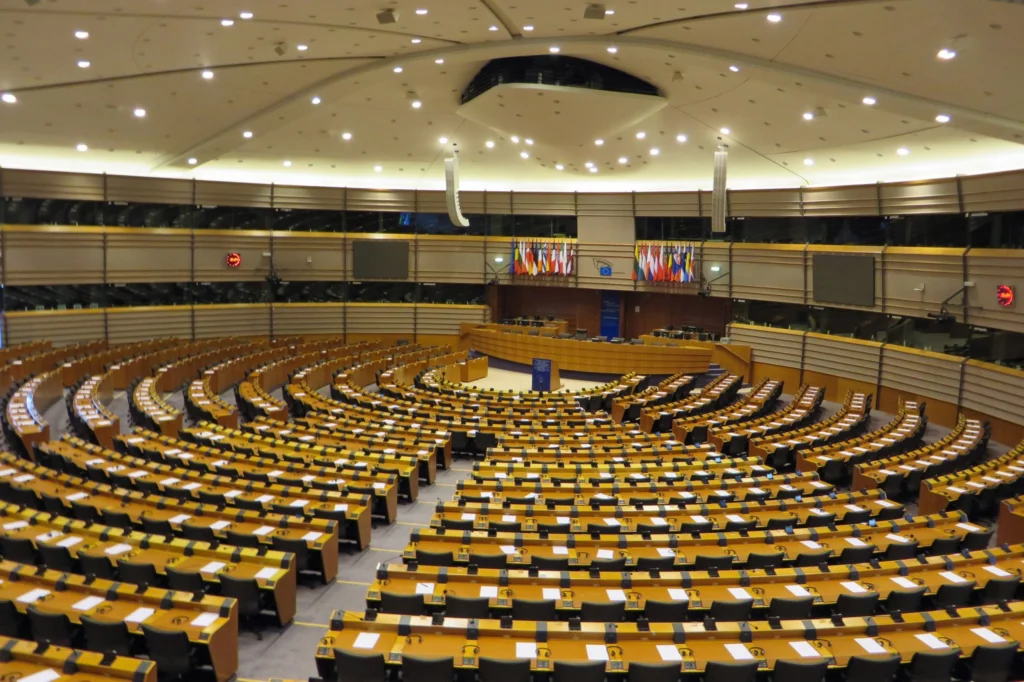
GeoPolicy: getting ready for the European Parliament Election

GeoPolicy: getting ready for the European Parliament Election

The European Parliament currently has 751 members who belong to one of the eight political groups, at least one of the 20 different committees and represent approximately 500 million people from the 28 EU Member States. The EU Parliament plays an extremely important role in the EU. It oversees the EU budget, launches investigations into specific issues and …[Read More]

GeoPolicy: What are science-policy placements and are they for you?

GeoPolicy: What are science-policy placements and are they for you?

This month’s GeoPolicy blog will examine science-policy internships, fellowships, secondments and pairing-schemes in closer detail – highlighting the reasons for undertaking a placement and interviewing Dr Michelle Cain, an EGU member who participated in NERC’s Policy Placement Fellowship Scheme Science-policy placements provide scientists with the opportunity to use their knowledge within a policy-orientated organisation. This could include working …[Read More]

GeoPolicy: How do Members of European Parliament learn about science?

GeoPolicy: How do Members of European Parliament learn about science?

Only ~5% of Members of European Parliament, or MEPs, have a background in the physical sciences1, yet many political challenges require an understanding of the science surrounding these issues. Issues such as locating and extracting mineral resources, understanding climate change impacts, and developing new low-carbon technology. The European Commission (EC) and the European Parliament (EP) …[Read More]

GeoPolicy: 8 ways to engage with policy makers

GeoPolicy: 8 ways to engage with policy makers

Scientific research is usually verbally communicated to policy officials or through purposefully written documents. This occurs at all levels of governance (local, national, and international). This month’s GeoPolicy post takes a look at the main methods in which scientists can assist in the policy process and describes a new method adopted by the European Commission (EC) that aims to enhance …[Read More]

GeoPolicy: How to communicate science to policy officials – tips and tricks from the experts

GeoPolicy: How to communicate science to policy officials – tips and tricks from the experts

The EGU General Assembly was bigger than ever this year. Over 16,500 people attended more than 500 sessions. Although many sessions featured policy-relevant science, the short course entitled ‘Working at the science policy interface‘ focused purely on the role of scientists within the policy landscape. For those of you that couldn’t attend, this month’s GeoPolicy post …[Read More]

GeoTalk: Joel Gill discusses the UN’s Sustainable Development Goals and the ‘Decade of Action’

GeoTalk: Joel Gill discusses the UN’s Sustainable Development Goals and the ‘Decade of Action’

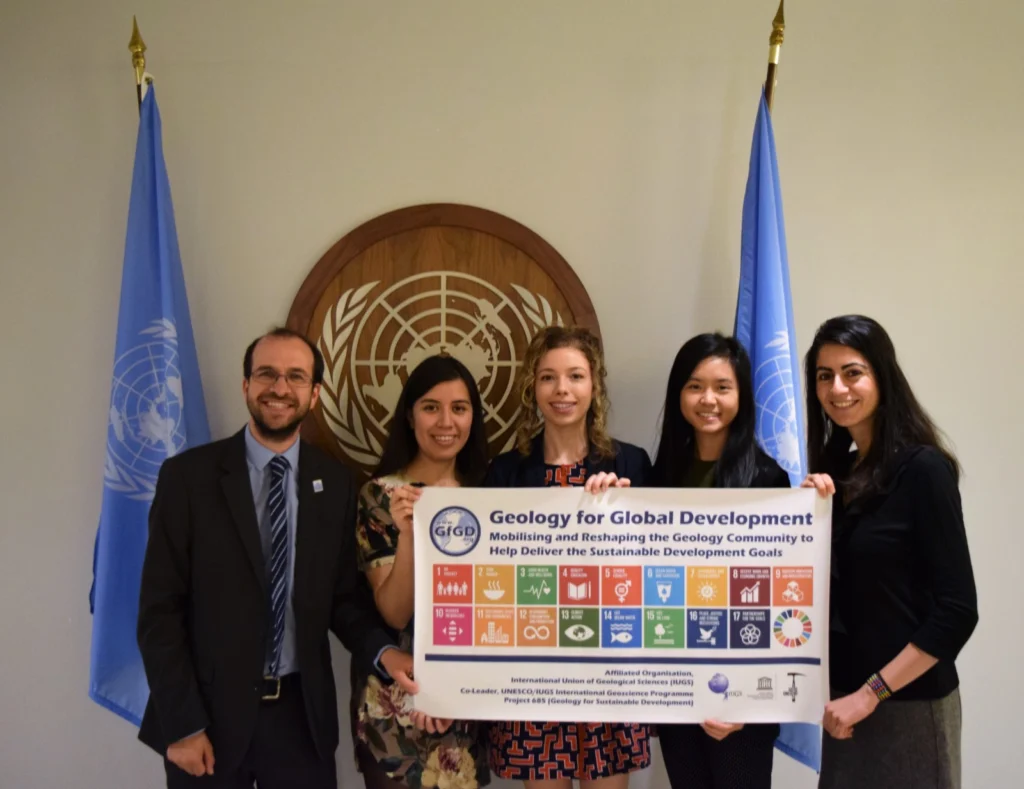
Geotalk is a regular feature highlighting early career researchers and their work. In this interview we speak with Joel Gill who a geoscientist, based in the UK, who works at the British Geological Survey, supporting their international development programmes, whilst also researching multi-hazards and disaster risk reduction. In addition he leads a not-for-profit organisation, Geology …[Read More]