GeoLog

GeoLog

Imaggeo on Mondays: A painted forest fire
Imaggeo on Mondays: A painted forest fire
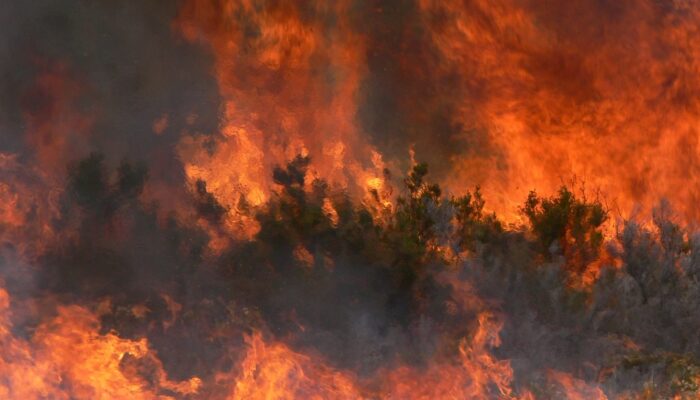
This week’s featured image may appear to be a painted landscape, but the picture is in fact a photo, taken ten years ago by Victoria Arcenegui, an associate professor at Miguel Hernández University in Spain, during a controlled forest fire in northern Portugal. The blaze is actually hot enough to distort the image, making some of the flames appear as brush strokes, beautifully blurring together th ...[Read More]

IGLUNA: students work towards building an icy human habitat on the Moon!

IGLUNA: students work towards building an icy human habitat on the Moon!

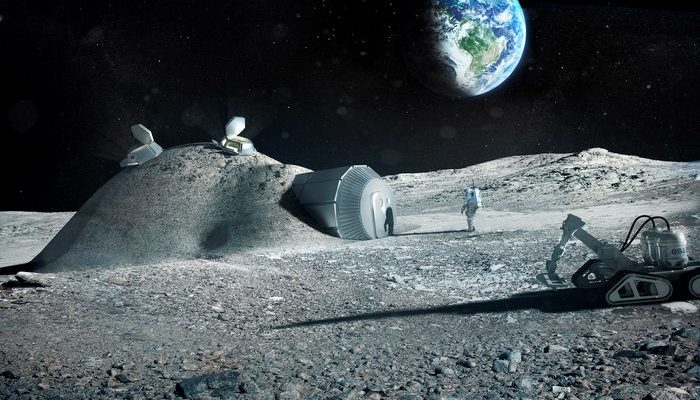
What does it take to build a habitat in ice on the Moon? An international group of university students and professionals is working together to provide this answer and develop a sustainable and operational habitat in lunar ice. The project is called IGLUNA and is organised by the Swiss Space Center and the European Space Agency (ESA) as the first initiative from ESA_Lab, an ESA interuniversity res ...[Read More]

Imaggeo on Mondays: Dust devil sighting in the Atacama Desert

Imaggeo on Mondays: Dust devil sighting in the Atacama Desert

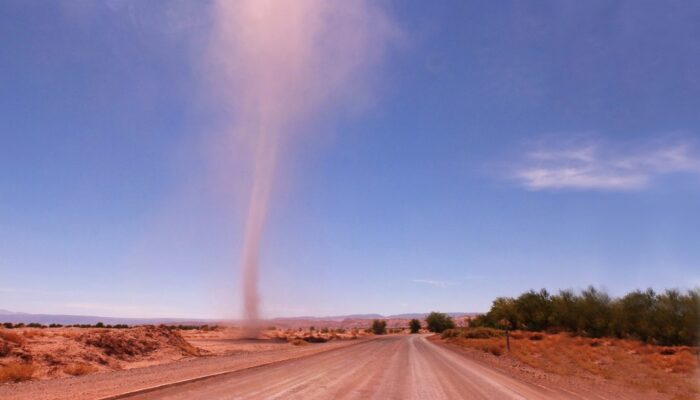
Dust devils are like miniature tornadoes, they form when a pocket of hot air near the surface moves fast upward and meets cooler air above it. As the air rapidly rises, the column of hot air is stretched vertically, thereby moving mass closer to the axis of rotation, which causes intensification of the spinning effect by conservation of angular momentum. In the Atacama Desert [in Chile] they are r ...[Read More]

Geosciences Column: climate modelling the world of Game of Thrones

Geosciences Column: climate modelling the world of Game of Thrones

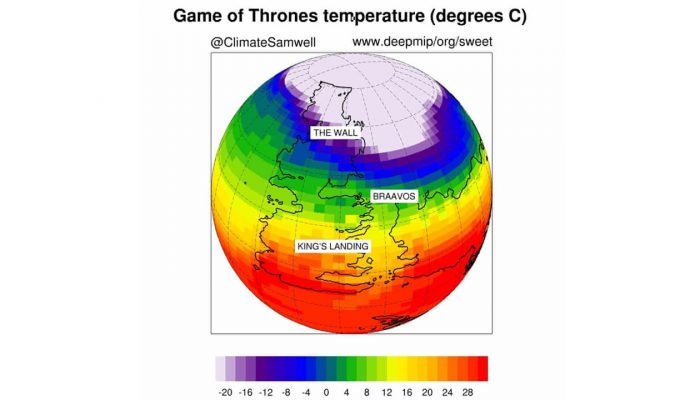
Disclaimer: This article contains minor spoilers for Season 8 of “Game of Thrones.” A basic understanding of the world of Game of Thrones is assumed in this post. The Game of Thrones world of ice and fire is an unpredictable place both politically and environmentally. While the fate of the Iron Throne is yet to be confirmed, a humble steward has been working diligently to make some sense of the pl ...[Read More]

Imaggeo on Mondays: Indonesian mangroves and tsunamis

Imaggeo on Mondays: Indonesian mangroves and tsunamis

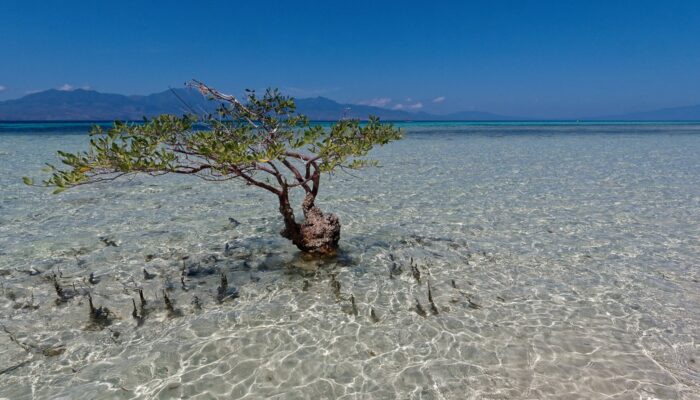
Pictured here is a solitary mangrove tree, rooted off the northern coast of the Indonesian island Flores. While this tree has the shallow sandy reef to itself, mangroves are often found clumped together in large forests covering tropical and subtropical coastlines. The propped-up roots of mangrove trees often tangle together, creating a dense natural barrier that can weaken the coastal impact of o ...[Read More]

Back for the first time: measuring change at Narrabeen–Collaroy Beach

Back for the first time: measuring change at Narrabeen–Collaroy Beach

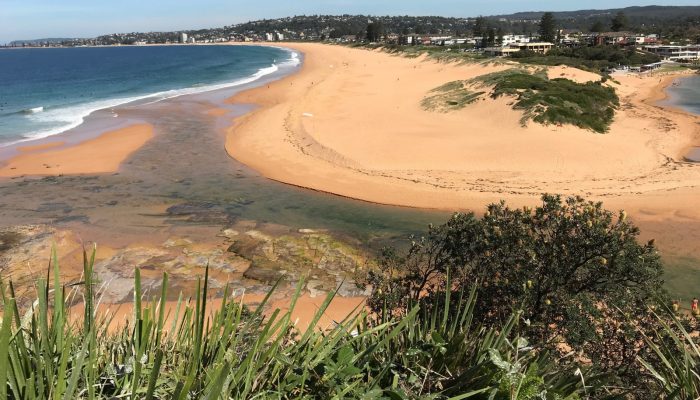
Narrabeen–Collaroy Beach in New South Wales, Australia, just north of Sydney, is home to one of the longest-running shoreline-measurement programmes in the world. With colleagues at the University of New South Wales (UNSW) Sydney, Eli Lazarus, an associate professor in geomorphology at the University of Southampton, UK, has been analysing over 40 years of data from Narrabeen–Collaroy to better und ...[Read More]

Imaggeo on Mondays: Penguins – a biogeochemical link between sea and land

Imaggeo on Mondays: Penguins – a biogeochemical link between sea and land

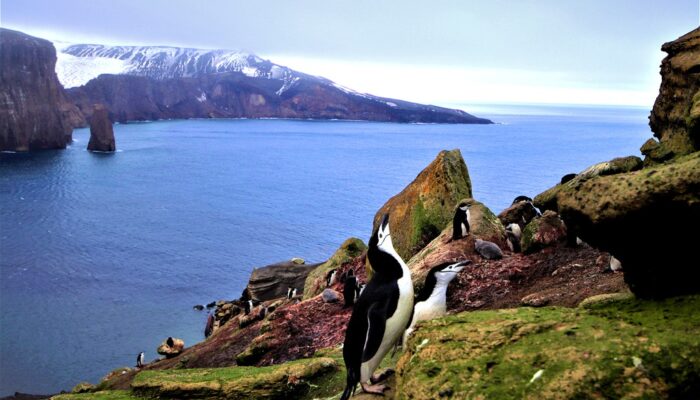
A couple of Chinstrap penguins (Pygoscelis antarctica) at their nesting site on Deception Island, maritime Antarctica. Sea birds contribute importantly to biogeochemical cycles in coastal ecosystems and on islands. Feeding on the marine food chain and nesting on land, they carry large amounts of marine nutrients into terrestrial ecosystems. This might be of particular importance for the nitrogen ( ...[Read More]

April GeoRoundUp: the best of the Earth sciences from the 2019 General Assembly

April GeoRoundUp: the best of the Earth sciences from the 2019 General Assembly

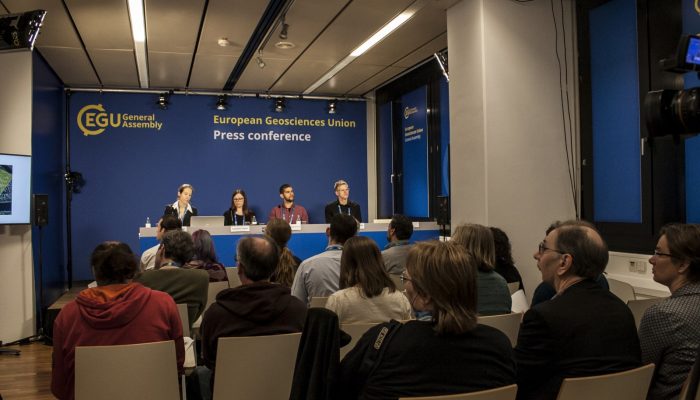
The EGU General Assembly 2019 took place in Vienna last month, drawing more than 16,000 participants from 113 countries. This month’s GeoRoundUp will focus on some of the unique and interesting stories that came out of research presented at the Assembly! Major Stories Glacial disappearing act in the European Alps New research from a team of scientists estimated the future of all glaciers within th ...[Read More]

Could beavers be responsible for long-debated deposits?

Could beavers be responsible for long-debated deposits?

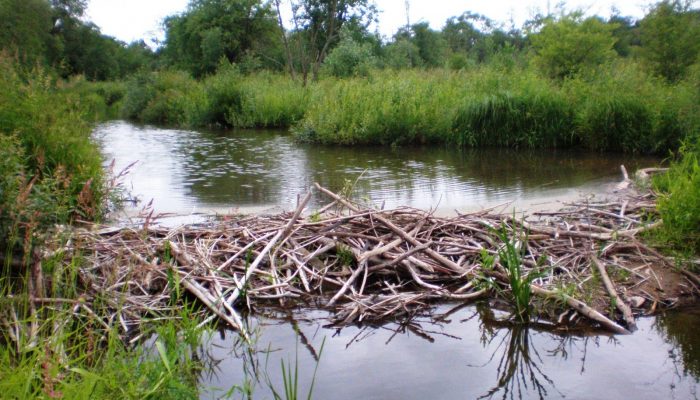
Following her presentation at the European Geosciences Union General Assembly in Vienna, I caught up with geomorphologist and environmental detective Annegret Larsen from the University of Lausanne, Switzerland, about beavers, baffling sediments and a case she’s been solving for the past seven years. Back in 2012 the German geomorphology community was seriously debating the source of buried black ...[Read More]