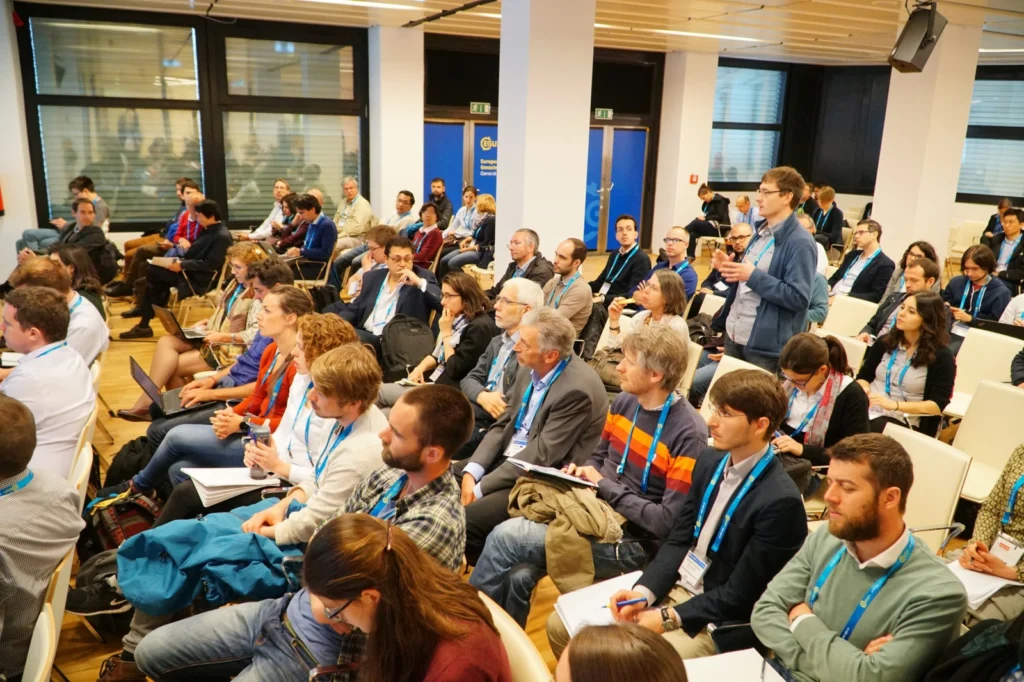
When it comes to supercharging your scientific skills, broadening your base science communication, or picking up tips on how to boost your career, short courses can be one of the highlights of the General Assembly programme. But, did you know that any EGU member planning to go to the General Assembly (you!) can propose a …[Read More]
GeoLog
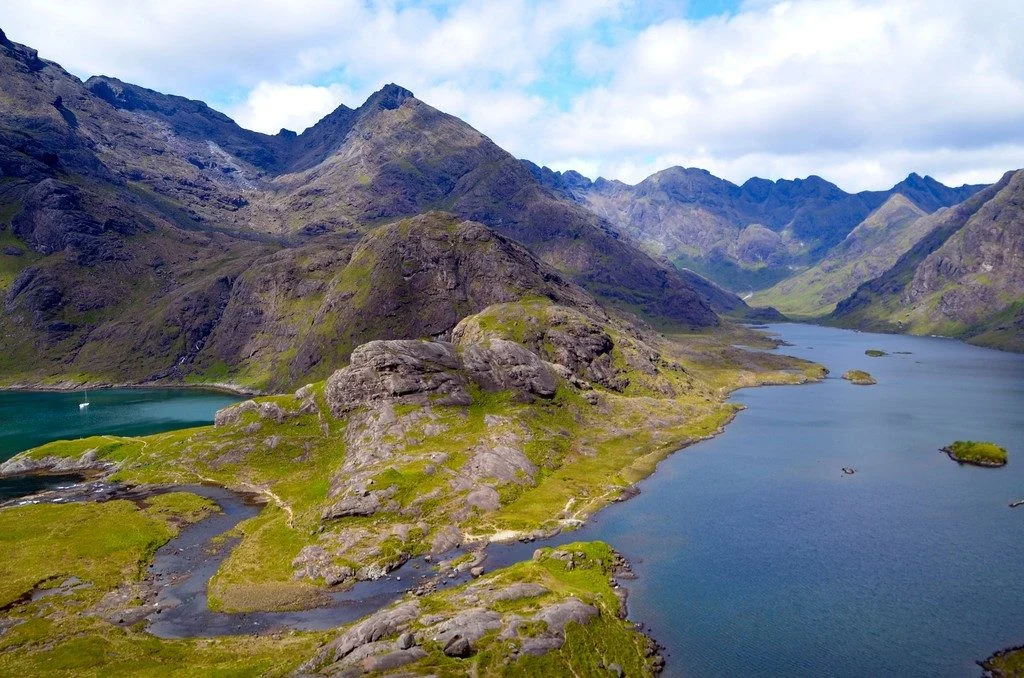
Imaggeo on Mondays: Loch Coruisk – home of the wild Kelpie
On the south-western coast of the Isle of Skye, Scotland, lies Loch Coruisk, supposedly home of a water horse. At the southern end of this freshwater Loch, the Scavaig River discharges into a sea Loch, Loch na Cuilce. Loch Coruisk snuggles close to the center of the Cuillin Hills complex, younger than both the northern …[Read More]
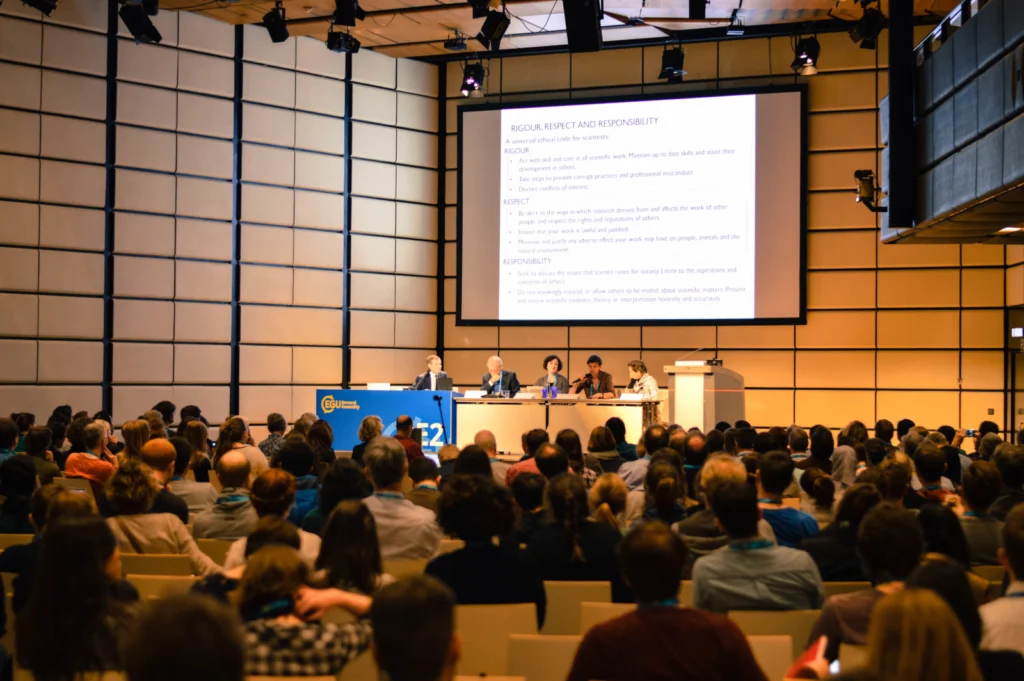
Help shape the conference programme: Union Symposia and Great Debates at the 2020 General Assembly
Do you enjoy the EGU’s annual General Assembly but wish you could play a more active role in shaping the programme? This year, why not propose a Union Symposia or Great Debate? Each year at the General Assembly, the conference features a limited number of Union Symposia (US) and Great Debates (GDB), which can be …[Read More]
GeoTalk: Creative communication for science education – meet scientific artist Kelly Stanford
GeoTalk interviews usually feature the work of early career researchers, but this month we deviate from the standard format to speak to Kelly Stanford, an artist based in Manchester, UK who focuses on creating works of art that embody scientific concepts in an accessible and aesthetically pleasing manner which can be used to communicate science …[Read More]
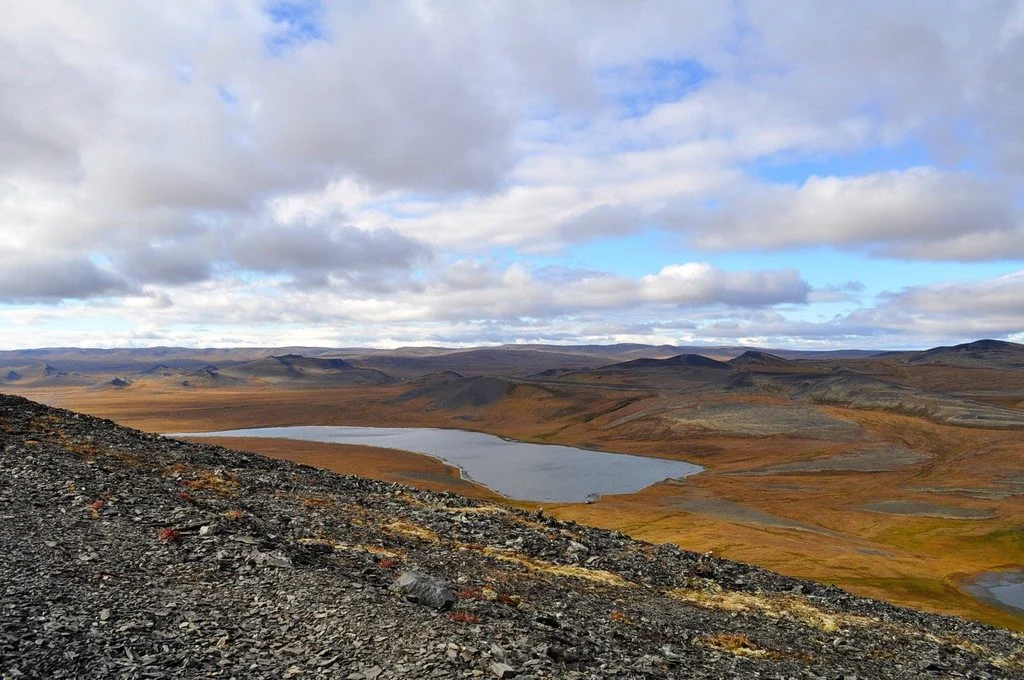
Imaggeo on Mondays: The surprising beauty of the Arctic tundra
Close your eyes and try to imagine first thing which comes to your mind, when somebody says “Tundra”. What would you imagine? Being a master student, I imagined cold, flat and a dead field. In fact, Tundra turn out to be completely different, at least in September 2010, when I and my colleagues were lucky …[Read More]
Geosciences Column: How erupting African volcanoes impact the Amazon’s atmosphere
When volcanoes erupt, they can release into the atmosphere a number of different gases initially stored in their magma, such as carbon dioxide, hydrogen sulfide, and sulfur dioxide. These kinds of gases can have a big influence on Earth’s atmosphere, even at distances hundreds to thousands of kilometres away. A team of researchers have found …[Read More]
We’re hiring! New job opportunities at the EGU Executive Office
The EGU is hiring for two job vacancies at its Executive Office in Munich, Germany. The deadline for applications is fast approaching (14 July 2019) so send your submission soon! Chief Strategy & Finance Officer The EGU has recently launched a new strategy to set a direction for the Union and to guide the work of its Council, committees and …[Read More]
Imaggeo on Mondays: Recreating monster waves in art and science
Featured in this blog post is a collection of images that gives a picture-perfect example of life imitating art. The photos in the left column are three consecutive still frames of a breaking wave that scientists generated in a lab environment at the University of Edinburgh in the UK. The pictures in the centre and …[Read More]
GeoPolicy: Preventing mercury leakage from a WWII submarine
I recently had the opportunity to interview Matthias Kaiser, a professor at Bergen University and, at the time of the interview, Director of the Centre for the Study of the Sciences and the Humanities. He is part of an expert team that has given scientific advice to Norwegian policymakers, highlighting the issues that should be …[Read More]
Imaggeo on Mondays: Robotics at the service of the polar science
This picture was taken in the Arctic in May 2018. It shows the unmanned marine vehicle Proteus in front of the tidewater glacier Conwaybreen in the Kongsfjorden in Spitsbergen in the Svalbard Archipelago. The front of tidewater glaciers is an almost vertical wall of ice standing over the sea where direct measurements are very critical …[Read More]