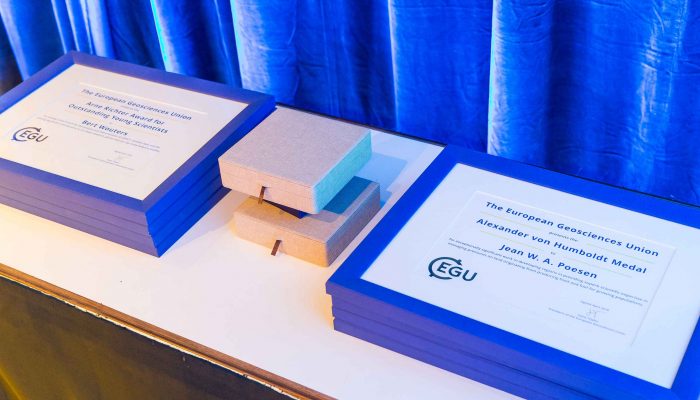
As a colleague or proud supervisor of postgraduate students and post-docs, there is a simple thing you can do to congratulate them on their excellence and research: nominate them for the one of the European Geosciences Union’s awards for outstanding early career scientists. The deadline is 15 June 2018, so now is the time to act. Putting early career researchers in the spotlight To credit research ...[Read More]
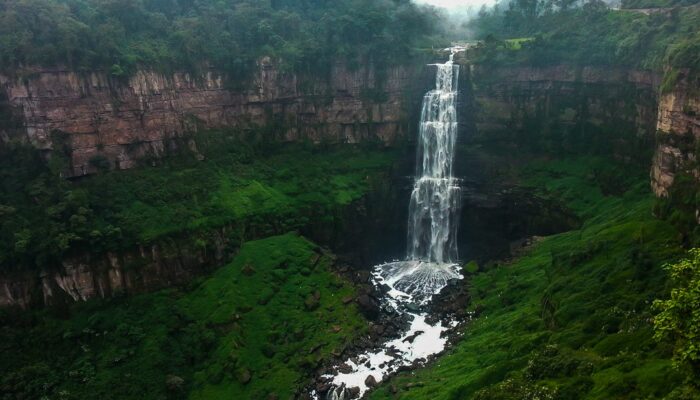
Imaggeo on Mondays: A Colombian myth with geologic origins
This photograph shows El salto del Tequendama, a natural waterfall of Colombia, located in the Department of Cundinamarca at an altitude of 2400 metres above sea level and approximately 30 kilometres southwest of the country’s capital, Bogotá. The Salto del Tequendama is a space of transit and connectivity between the warm lands of the Magdalena river basin and the cold lands of the Sumapaz ...[Read More]
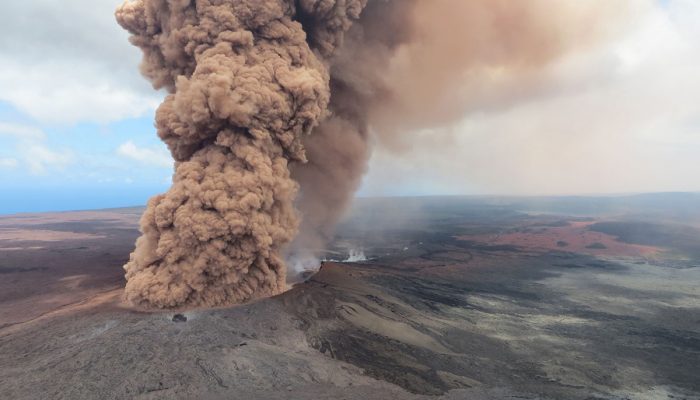
May GeoRoundUp: the best of the Earth sciences from around the web
Drawing inspiration from popular stories on our social media channels, as well as unique and quirky research news, this monthly column aims to bring you the best of the Earth and planetary sciences from around the web. Major Story This month the Earth science media has directed its attention towards a pacific island with a particularly volcanic condition. The Kilauea Volcano, an active shield volc ...[Read More]
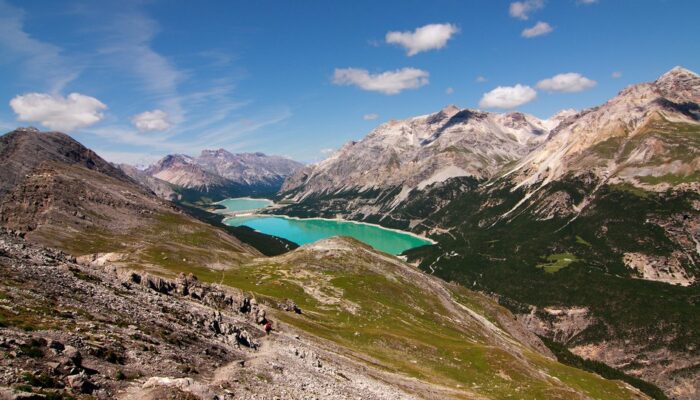
Imaggeo On Mondays: Reservoir in the Italian Alps
Mountain natural streams and reservoirs have a relevant hydrological and ecological importance since they represent reliable sources of freshwater supply to lowland regions and high-quality habitats for fish and cold-water communities. Moreover, streams in mountain environments are of significant importance for users in several socio-economic sectors, such as agriculture, tourism and hydropower. G ...[Read More]
Geopolicy: including policy in science education?
Generally, students are taught basic science and given a rudimentary overview of the political system from a young age. I remember learning how to do basic experiments from the age of 7 and learning about the Australian Parliament not long after that. We had specific classes dedicated to various scientific disciplines in high school and when I went onto study environmental science in my Bachelors ...[Read More]
Top ten tourist beaches threatened by tsunamis
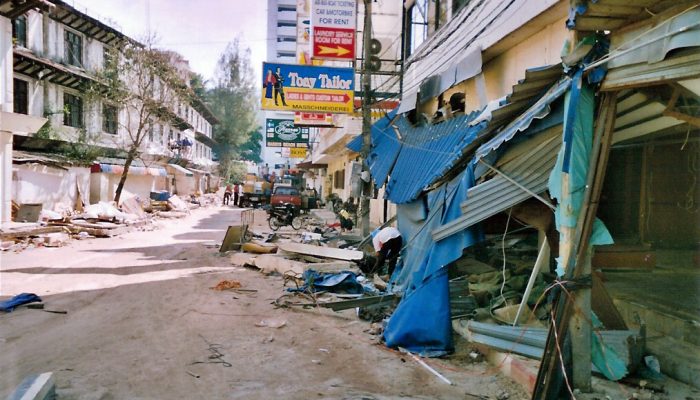
December 2004 saw one of the deadliest natural disasters in recorded history. 228,000 people were killed when an earthquake off the coast of the Indonesian island of Sumatra triggered tsunami waves up to 30 m high. The destruction was extreme as the waves hit 14 different countries around the Indian Ocean. Economic losses totalled over 10 billion US dollars. The tourism industry in particular suff ...[Read More]
Imaggeo on Mondays: A volcanic point of view
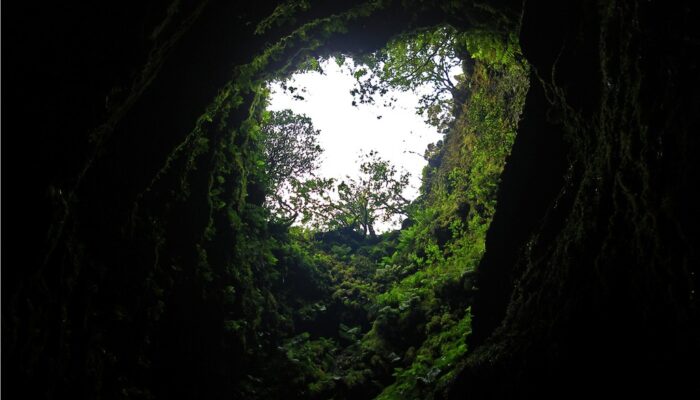
It’s not every day that you can peer into a volcano, much less gaze out at the sky from the inside of one. The Algar do Carvão, or “the Cavern of Coal,” is one of the few places on Earth where you can explore the underground reaches of a volcanic site. The volcanic pit is found on the island of Terceira, part of the Azores archipelago. This collection of islands is an autonomous region of Portugal ...[Read More]
Plate Tectonics and Ocean Drilling – Fifty Years On
What does it take to get a scientific theory accepted? Hard facts? A strong personality? Grit and determination? For many Earth Scientists today it can be hard to imagine the academic landscape before the advent of plate tectonics. But it was only fifty years ago that the theory really became cemented as scientific consensus. And the clinching evidence was found in the oceans. Alfred Wegener had p ...[Read More]
Imaggeo on Mondays: River in a charoite schist
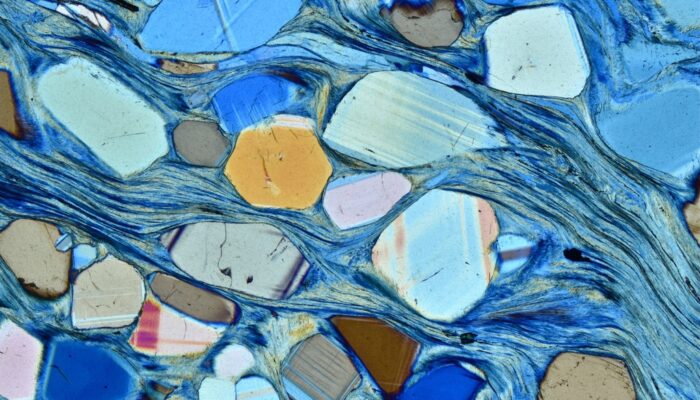
Polarized light photomicrograph of a thin section of a charoite-bearing schist. Charoite is a rare silicate found only at one location in Yakutia, Russia. For its beautiful and uncommon purple color it is used as a semi-precious stone in jewelry. Under the microscope charoite-bearing rocks give an overall feeling of movement, with charoite forming fibrous mats that swirl and fold as a result of de ...[Read More]
Geosciences Column: Extreme snowfall potentially worsened Nepal’s 2015 earthquake-triggered avalanche
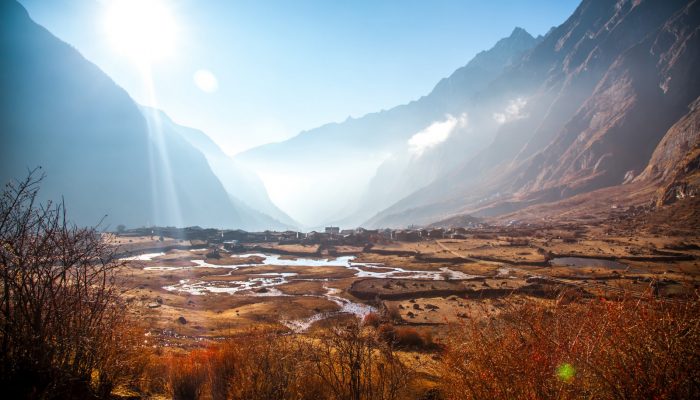
Three years ago, an earthquake-induced avalanche and rockfalls buried an entire Nepalese village in ice, stone, and snow. Researchers now think the region’s heavy snowfall from the preceding winter may have intensified the avalanche’s disastrous effect. The Langtang village, just 70 kilometres from Nepal’s capital Kathmandu, is nestled within a valley under the shadow of the Himalayas. The town wa ...[Read More]