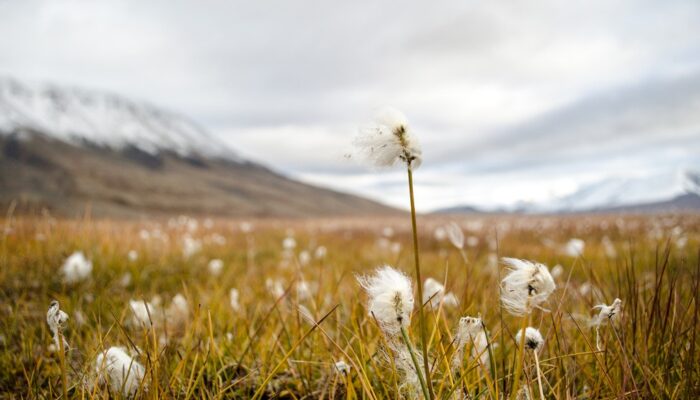
In the High Arctic, where vegetation is limited in height, cottongrass stands out as some of the tallest plant species around. This photo shows a wispy white patch of Arctic cottongrass growing amongst other tundra vegetation in the Advent river floodplain of Adventdalen, a valley on the Norwegian archipelago island Svalbard. Svalbard is of particular scientific interest as it is a relatively warm ...[Read More]
How to convene a session at the General Assembly… in flow charts!
Convening a session at a conference can seem daunting, especially if you are an early career scientist (ECS) and a first-time convener. At the 2018 General Assembly, Stephanie Zihms, the Union-level ECS representative, discussed the basics of proposing, promoting and handling a session in the short course ‘How to convene a session at EGU’s General Assembly.’ In today’s post she has created s ...[Read More]
Imaggeo on Mondays: Science in the Arctic trenches
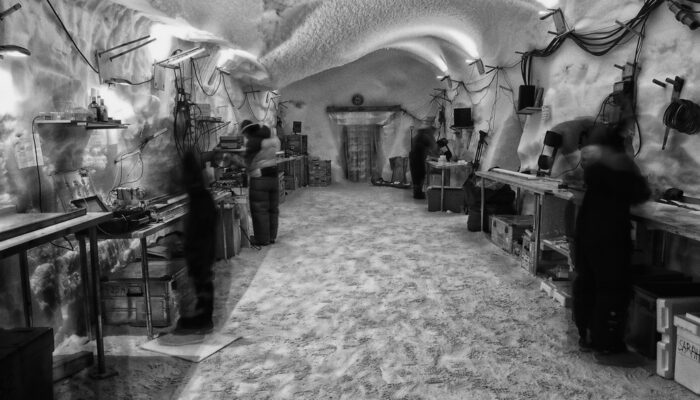
Pictured here are climate scientists processing ice core samples in the East Greenland Ice-core Project (EastGRIP) science trench 10 m under the surface of the Greenland ice cap. The trenches of this ice core camp require minimum building materials, utilising giant inflatable balloons that are dug in and covered with snow. The snow is left to compact for a few days, thereafter leaving back an arch ...[Read More]
Give us the foundation to build our transferrable skills!
The EGU Early Career Scientists’ (ECS) Great Debates offer early career scientists at the EGU General Assembly the chance to network and voice their opinions on important topics in the format of round-table discussions. At the end of the debate, each table delivers a statement that summarises the discussion and recommendations. By publishing the results, we hope to highlight some of the needs of t ...[Read More]
Giving back to the city: First EGU Public Lecture at the General Assembly 2018 in Vienna
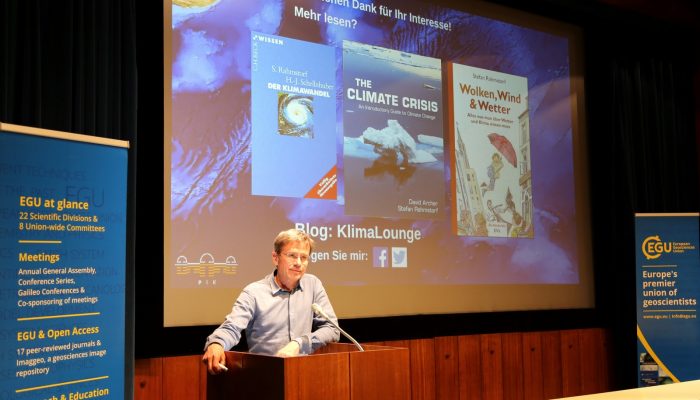
The inaugural EGU Public Lecture, titled ‘After Paris: Are we getting the climate crisis under control?’, took place last April at the 2018 General Assembly in the Natural History Museum of Vienna. In this first public lecture, Stefan Rahmstorf, a climate scientist at the Potsdam Institute for Climate Impact Research in Germany, took the audience on a fascinating journey through the climate system ...[Read More]
Imaggeo on Mondays: The breath of our Earth
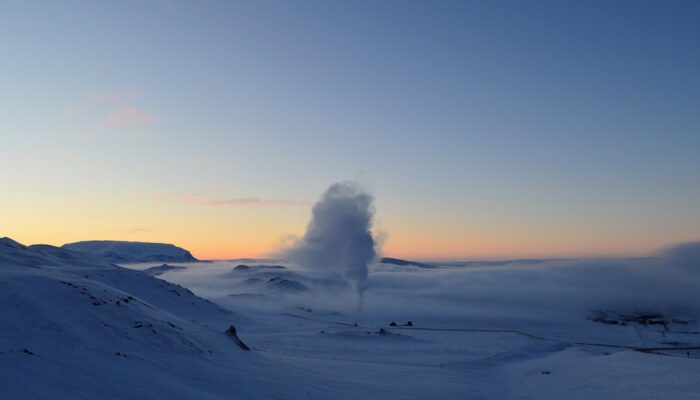
This picture was taken in the Myvatn geothermal area in southeast Iceland. Seeing the geothermal steam vent in this area while the temperature was -22 degrees Celsius is the best experience in Myvatn. The difference between Iceland’s cold ambient temperature and the released heat from inside the Earth is a really stunning event to see. Iceland is situated in the middle of two tectonic plates (the ...[Read More]
GeoTalk: A new view on how ocean currents move
Geotalk is a regular feature highlighting early career researchers and their work. In this interview we speak to Jan Zika, an oceanographer at the University of New South Wales in Sydney, Australia. This year he was recognized for his contributions to ocean dynamics research as the winner of the 2018 Ocean Sciences Division Outstanding Early Career Scientists Award. First, could you introduce your ...[Read More]
Geosciences Column: Landslide risk in a changing climate, and what that means for Europe’s roads
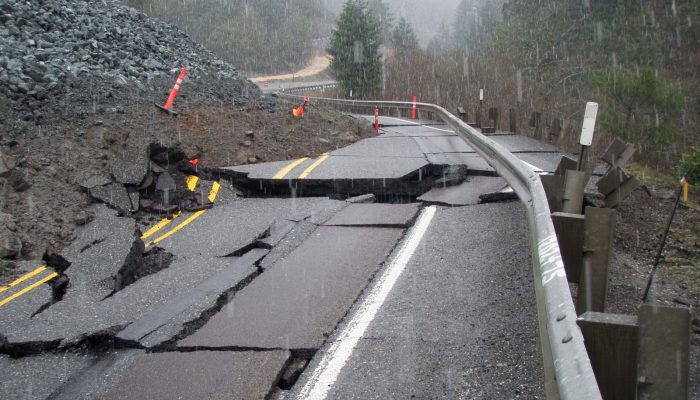
If your morning commute is already frustrating, get ready to buckle up. Our climate is changing, and that may increasingly affect some of central Europe’s major roads and railways, according to new research published in the EGU’s open access journal Natural Hazards and Earth System Sciences. The study found that, in the face of climate change, landslide-inducing rainfall events will increase in fr ...[Read More]
Uploading your 2018 General Assembly presentation
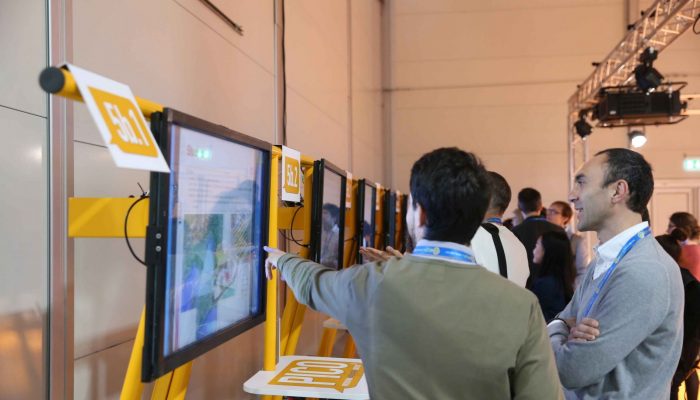
This year it is, once again, possible to upload your oral presentations, PICO presentations and posters from EGU 2018 for online publication alongside your abstract, giving all participants a chance to revisit your contribution – hurrah for open science! Files can be in either PowerPoint or PDF format. Note that presentations will be distributed under the Creative Commons Attribution 4.0 License. ...[Read More]
Imaggeo on Mondays: Hints of an eruption
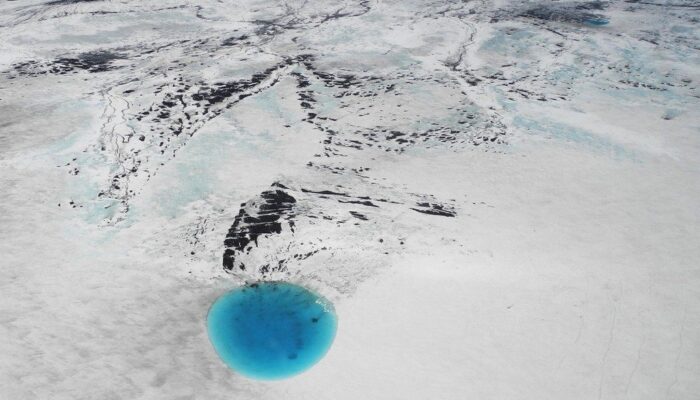
The photograph shows water that accumulated in a depression on the ice surface of Vatnajökull glacier in southeastern Iceland. This 700m wide and 30m deep depression [1], scientifically called an ‘ice cauldron’, is surrounded by circular crevasses on the ice surface and is located on the glacier tongue Dyngjujökull, an outlet glacier of Vatnajökull. The photo was taken on 4 June 2016, less than 22 ...[Read More]