Open access publishing has become common practice in the science community. In this guest post, David Fernández-Blanco, a contributor to the EGU Tectonics and Structural Geology Division blog, presents one facet of open access that is changing the publishing system for many geoscientists: preprints. Open access initiatives confronting the publishing system The idea of open access publishing and fr ...[Read More]
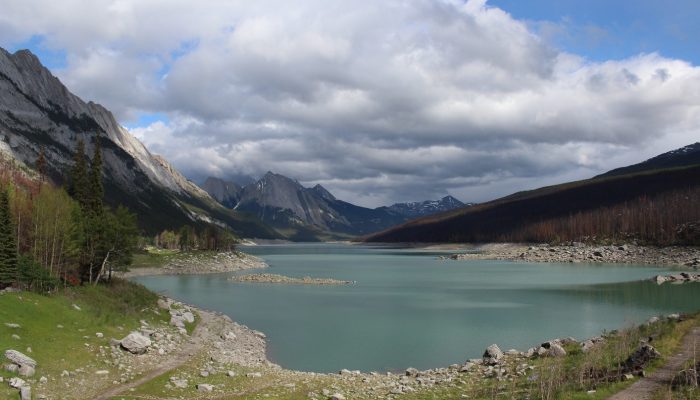
Imaggeo on Mondays: Wildfires leave their mark on Jasper National Park
Jasper National Park is the largest national park in the Canadian Rocky Mountains, spanning across nearly 11,000 square kilometres of Canadian wilderness. The park is known for its rugged landscape, extensive trails, and abundance of deer, bighorn sheep, wolves, mountain lions and bears. This region is also very susceptible to blazing wildfires, a result of human activity that began more than a ce ...[Read More]
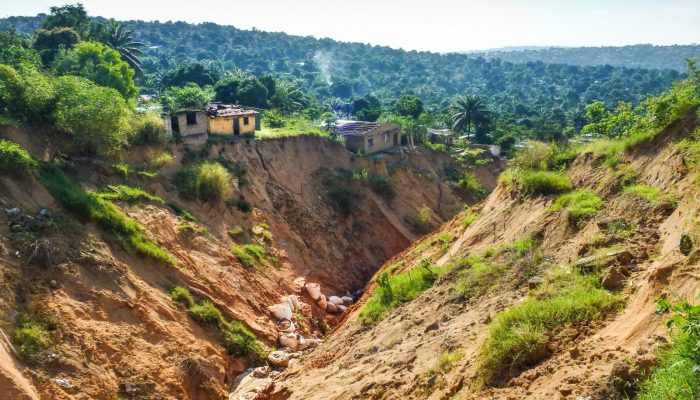
GeoTalk: Severe soil erosion events and how to predict them
Geotalk is a regular feature highlighting early career researchers and their work. In this interview we speak to Matthias Vanmaercke, an associate professor at the University of Liège in Belgium who studies soil erosion and land degradation across Europe and Africa. At the EGU General Assembly he received the 2018 Soil System Sciences Division Outstanding Early Career Scientists Award. Thanks for ...[Read More]
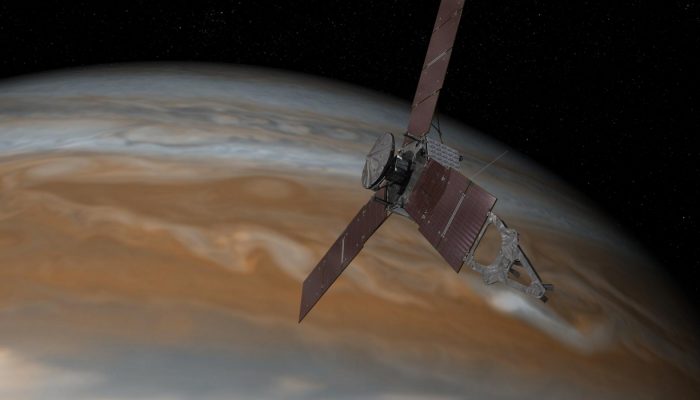
NASA’s Juno mission reveals Jupiter’s magnetic field greatly differs from Earth’s
NASA scientists have revealed surprising new information about Jupiter’s magnetic field from data gathered by their space probe, Juno. Unlike earth’s magnetic field, which is symmetrical in the North and South Poles, Jupiter’s magnetic field has startlingly different magnetic signatures at the two poles. The information has been collected as part of the Juno program, NASA’s latest mission to unrav ...[Read More]
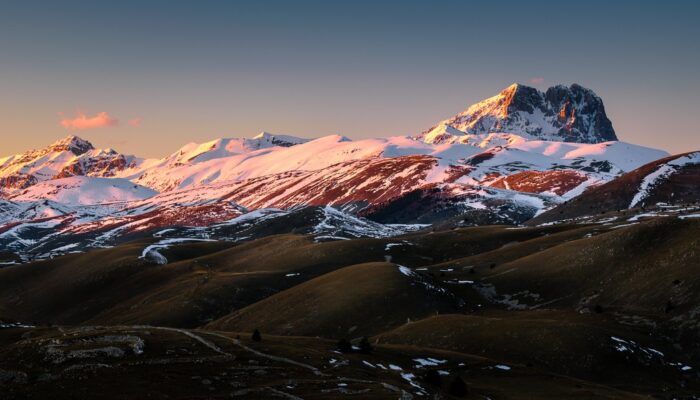
Imaggeo on Mondays: Corno Grande, tallest peak of the Apennines
In the middle of the Apennines lays the Gran Sasso d’Italia mountain chain, a picturesque collection of mountains situated in the heart of Italy. Featured here is one of the chain’s peaks, called the Corno Grande, meaning ‘Big Horn,’ coloured with a faint reddish light of a late-winter sunset. Sitting at 2,912 metres, this summit is easily the highest mountain in the Apennines. The areas sur ...[Read More]
Geosciences Column: The best spots to hunt for ancient ice cores
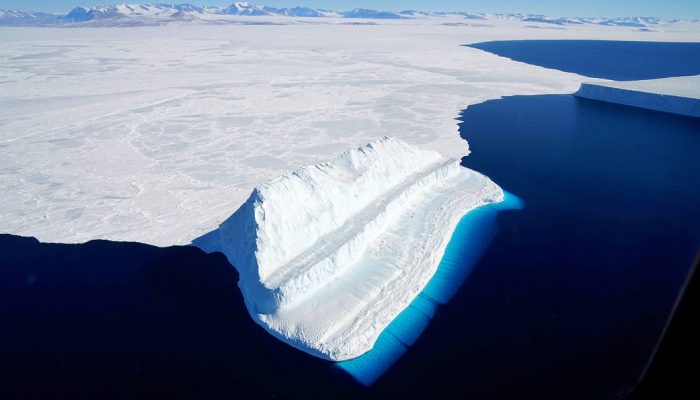
Where in the world can you find some of Earth’s oldest ice? That is the question a team of French and US scientists aimed to answer. They recently identified spots in East Antarctica that likely have the right conditions to harbor ice that formed 1.5 million years ago. Scientists hope that obtaining and analysing an undisturbed sample of ice this old will give them clues about Earth’s ancient clim ...[Read More]
Imaggeo on Mondays: Namibia’s mysterious fairy circles
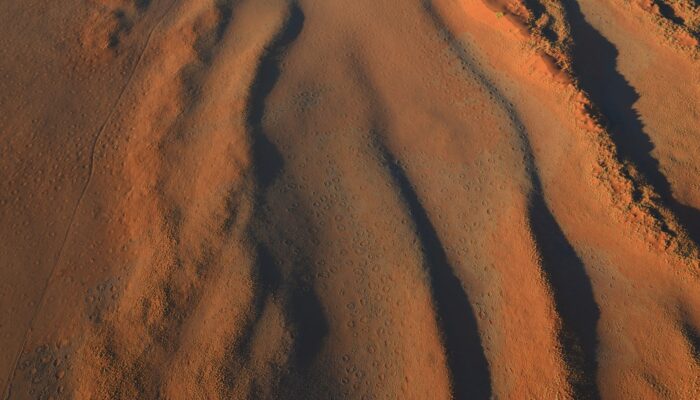
The grassy Namibian desert is pock-marked with millions of circular patches of bare earth just like these shown in the picture between linear dunes. Viewed from a balloon, they make the ground look like a moonscape. Commonly known as fairy circles, the patches range from two to 12 metres across and appear in a 2000 kilometre strip that stretches from Angola to South Africa. For many decades, the f ...[Read More]
Shape the EGU 2019 scientific programme: The call for sessions is open!
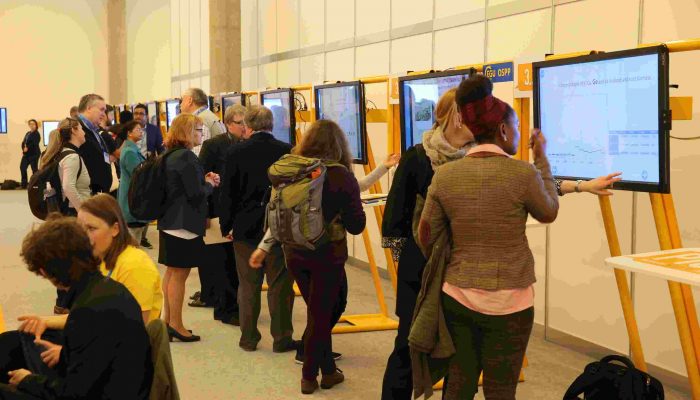
Do you enjoy the EGU’s annual General Assembly but wish you could play a more active role in shaping the scientific programme? Now is your chance! From today, until 6 Sep 2018, you can suggest: Sessions (with conveners and description), Short Courses, or; Modifications to the existing skeleton programme sessions Plus from now until 18 January 2019, you can propose townhall meetings. It’s imp ...[Read More]
June GeoRoundUp: the best of the Earth sciences from around the web
Drawing inspiration from popular stories on our social media channels, as well as unique and quirky research news, this monthly column aims to bring you the best of the Earth and planetary sciences from around the web. Major story While May’s headlines may have been dominated by the Kilauea Volcano’s recent eruption in Hawaii, the science news world directed its attention to another volcanic ev ...[Read More]
GeoPolicy: How science supported the EU’s new land use and forestry regulation
What is the land use and forestry regulation? In October 2014, the EU agreed that all sectors, including land and forestry, should contribute to the EU’s 2030 climate & energy framework target to reduce greenhouse gas emissions by at least 40% by 2030 compared to 1990 levels. Almost 4 years later, in May 2018, the EU Commission’s proposal for the 2021-2030 land use and forestry regulatio ...[Read More]