GeoLog

GeoLog

Imaggeo on Mondays: The Henry Mountains, living textbook of modern geomorphology
Imaggeo on Mondays: The Henry Mountains, living textbook of modern geomorphology
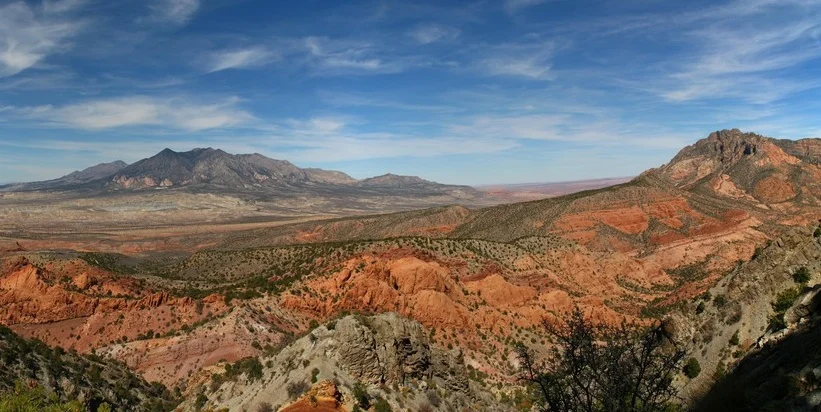
In 1877, the United States Geological Survey published a report “On the Geology of the Henry Mountains”, on the small range of peaks in southern Utah, pictured here. Up to that point, little scientific study had been made of the unassuming peaks, but the author of the report, one Grove Karl Gilbert, not only detailed the structure and mineralogy of the landscape, but in doing so also l ...[Read More]

GeoTalk: Nilay Dogulu, Early Career Scientist Representative

GeoTalk: Nilay Dogulu, Early Career Scientist Representative

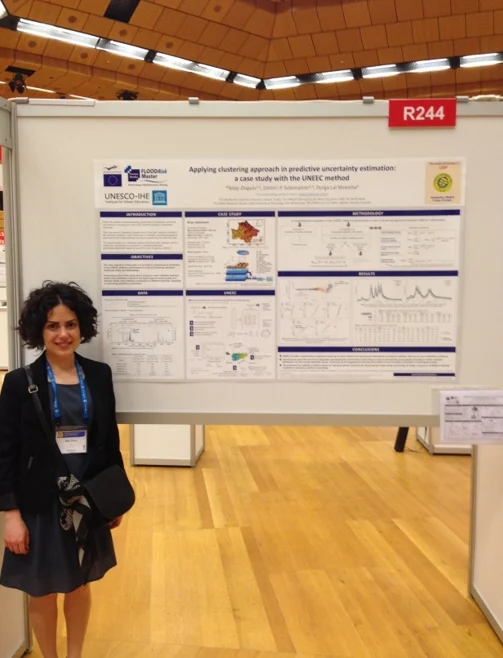
In addition to the usual GeoTalk interviews, where we highlight the work and achievements of early career researchers, this month we’ll also introduce one of the Division early career scientist representatives (ECS). They are responsible for ensuring that the voice of EGU ECS membership is heard. From organising short courses during the General Assembly, through to running and attending regular EC ...[Read More]

Imaggeo on Mondays: All seasons in one day

Imaggeo on Mondays: All seasons in one day

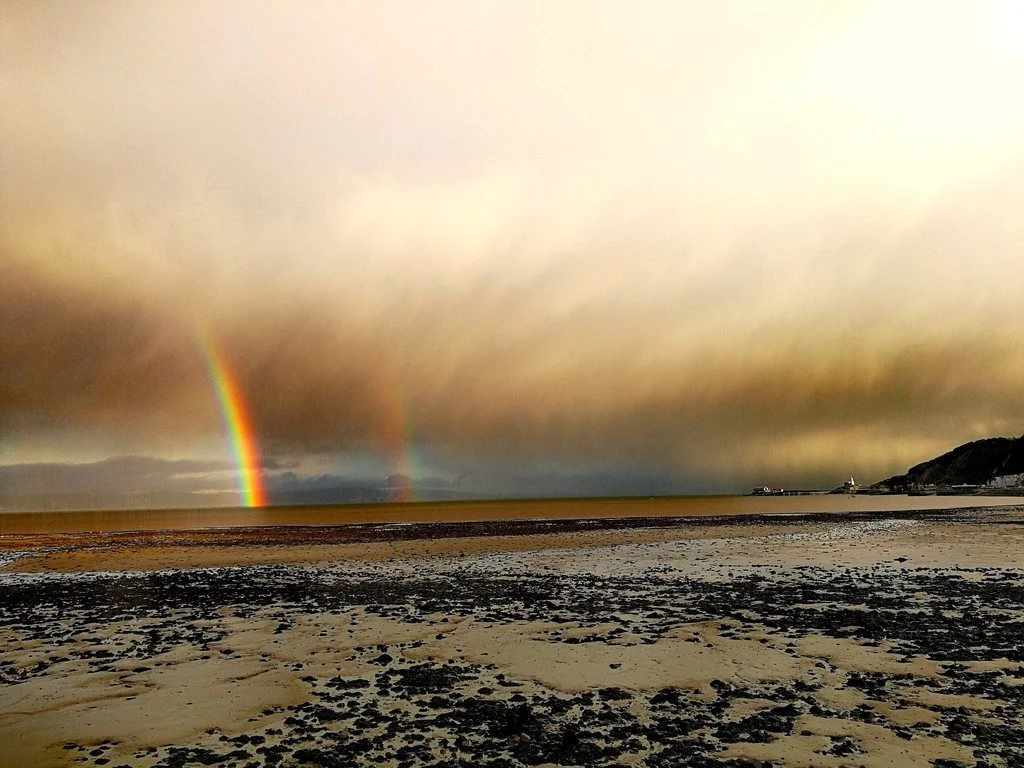
Storm fronts arrive on Britain’s west coast in waves throughout the winter (and very often the summer too!) It is not unusual to see rain falling on a beach with hail and snow lying, whilst a rainbow pierces the clouds. Description by Mary Gagen, as it first appeared on imaggeo.egu.eu. Imaggeo is the EGU’s online open access geosciences image repository. All geoscientists (and others) can su ...[Read More]

GeoPolicy: What does working at the European Environment Agency look like? An interview with Petra Fagerholm

GeoPolicy: What does working at the European Environment Agency look like? An interview with Petra Fagerholm

This blog post features an interview with Petra Fagerholm who is currently leading the team on public relations and outreach in the communications department of the European Environment Agency (EEA). Petra gave a presentation about the EEA during the Science for Policy short course at the 2018 EGU General Assembly. In this interview, Petra describes her career path, what it is like to work at the ...[Read More]

How to forecast the future with climate models

How to forecast the future with climate models

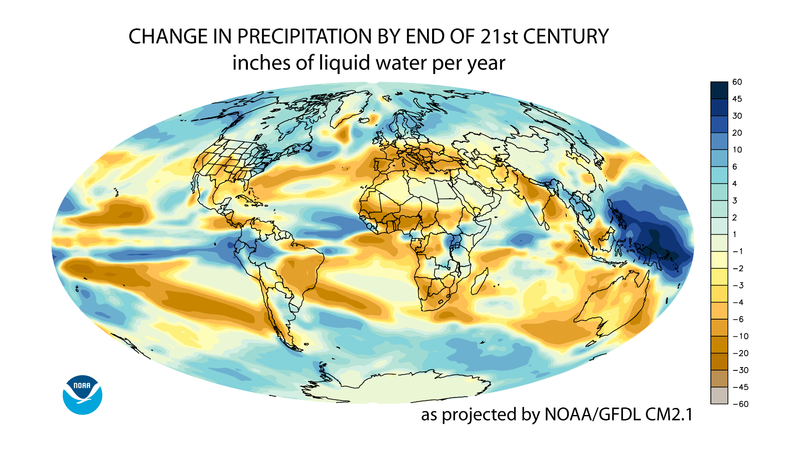
Our climate is constantly changing, and with the help of simulation modelling, scientists are working hard to better understand just how these conditions will change and how it will affect society. Science journalist Conor Paul Purcell has worked on Earth System Models during his time as a PhD student and postdoctoral researcher; today he explains how scientists use these models as tools to foreca ...[Read More]

Imaggeo on Mondays: Cumulonimbus, king of clouds

Imaggeo on Mondays: Cumulonimbus, king of clouds

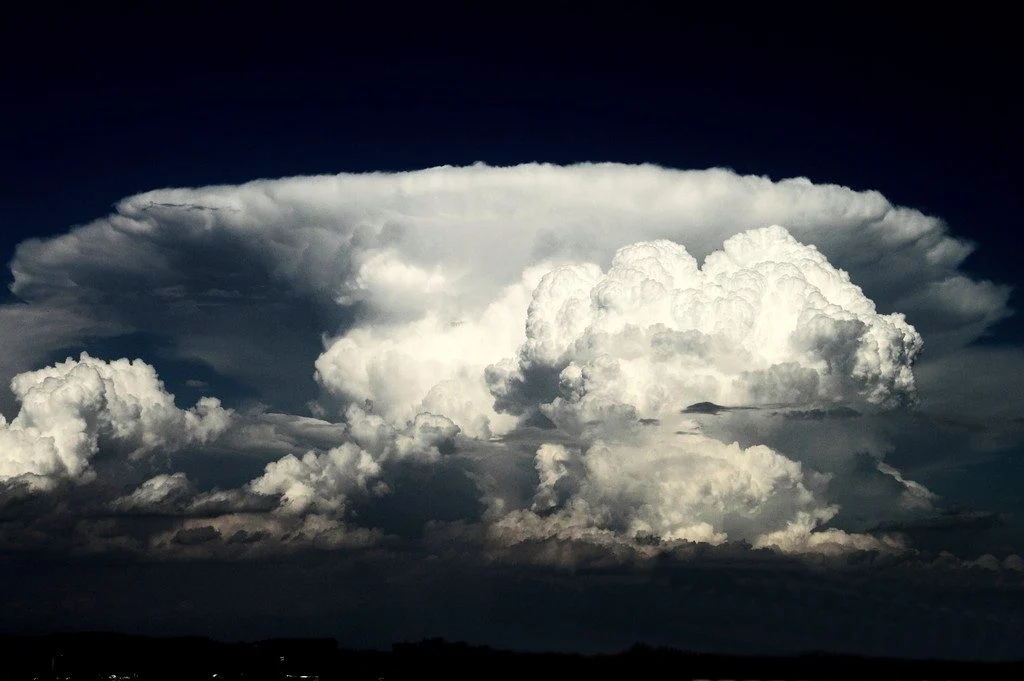
This wonderful mature thunderstorm cell was observed near the German Aerospace Center (DLR) Oberpfaffenhofen. A distinct anvil can be seen in the background meanwhile a new storm cell is growing in the foreground of the cumulonimbus structure. Mature storm cells like this are common in Southern Germany during the summer season. Strong heat, enough moisture, and a labile stratification of the atmos ...[Read More]

Living in a new Age

Living in a new Age

If you were suddenly told you were living in a different time period, what would your immediate reaction be? Changes in the calendar – even if it’s just terminology – have proven emotive in the past. In 1752, when England shifted from the Julian to Gregorian calendars, and 11 days were cut from 1752 to catch up, there are suggestions that civil unrest ensued. Once again, the name of the period in ...[Read More]

GeoPolicy: Bridging the gap between science and decision makers – a new tool for nuclear emergencies affecting food and agriculture

GeoPolicy: Bridging the gap between science and decision makers – a new tool for nuclear emergencies affecting food and agriculture

The International Atomic Energy Agency (IAEA) has developed an online system to assist in improving the response capabilities of authorities in the event of an emergency caused by natural hazards. The Decision Support System for Nuclear Emergencies Affecting Food and Agriculture (DSS4NAFA), provides a clear overview of radioactive contamination of crops and agricultural lands through improved data ...[Read More]

A young participant’s experience at the 2018 General Assembly: So much to discover!

A young participant’s experience at the 2018 General Assembly: So much to discover!

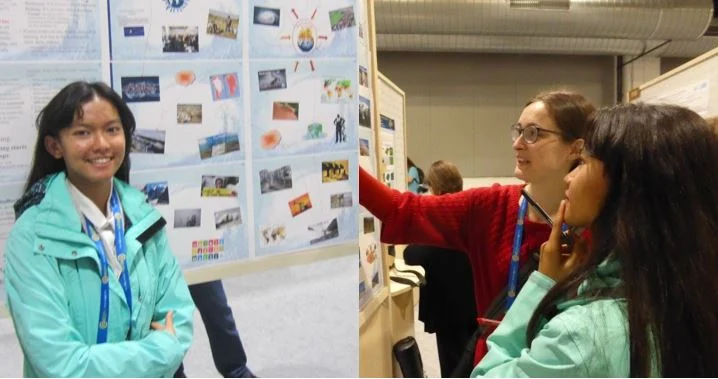
Today we welcome probably one of the youngest participants who attended the 2018 General Assembly, Pariphat Promduangsri, a 16-year-old science baccalaureate student at Auguste Renoir high school in Cagnes-sur-mer, France, as our guest blogger. With a deep interest in the natural world and in taking care of the environment, Pariphat was a keen participant at the conference. She gave both oral and ...[Read More]

Imaggeo on Mondays: The ancient guard of Altai

Imaggeo on Mondays: The ancient guard of Altai

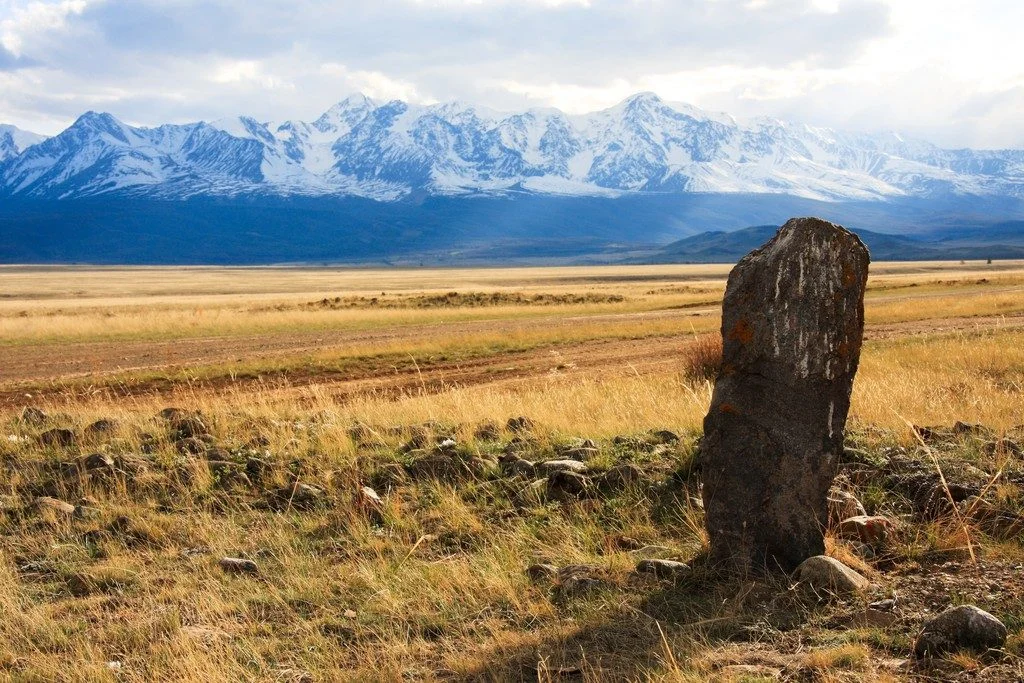
In the heart of Eurasia, an ancient stone statue overlooks the expanse of the Kurai Valley and the Altai Mountains in Russia. This relic was crafted more than a thousand years ago, sometime during the 6th or 7th century. A Turkish clan that inhabited the region, known as the First Turkic Khaganat, would often erect stones as monuments of funeral rituals. Natalia Rudaya, who took this photograph, i ...[Read More]