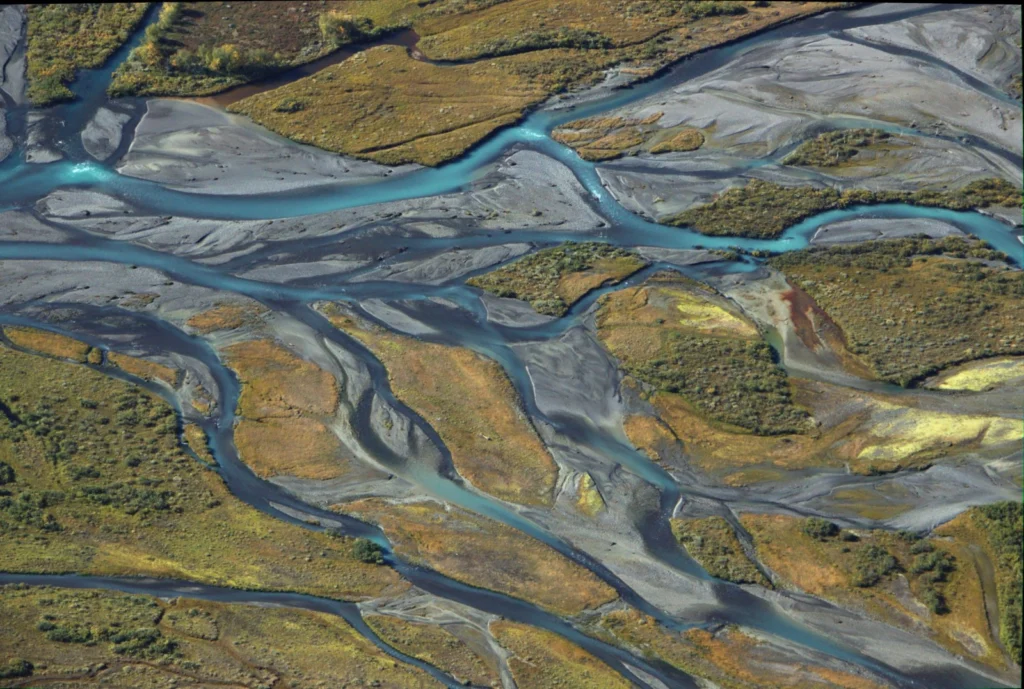
A view of the southern edge of the Ladebakte mountain in the Sarek national park in north Sweden. At this place the rivers Rahpajaka and Sarvesjaka meet to form the biggest river of the Sarek national park, the Rahpaädno. The rivers are fed by glaciers and carry a lot of rock material which lead to a distinct sedimentation and a fascinating river delta for which the Sarek park laying west of the K ...[Read More]
I want you to stop being an early career scientist
In this guest post Roelof Rietbroek, EGU’s Union-wide Early Career Scientist Representative (2017-2018), speaks about the importance of reseachers getting involved with the Union’s early career activities to really reap the benefits of being part of the network. With over half of the participants of EGU’s general assembly qualifying as an Early Career Scientist (ECS), chances are you are one ...[Read More]
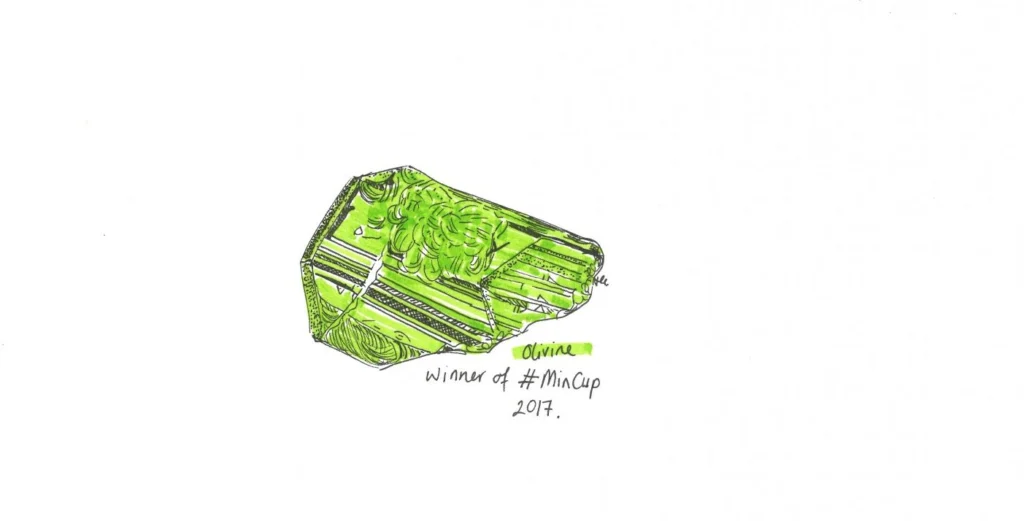
MinCup: Elevating humble minerals to new heights
Throughout October and November, the world of (Earth science) Twitter was taken by storm: Day after day, Eddie Dempsey (a lecturer at the University of Hull, and @Tectonictweets for those of you more familair with his Twitter handle) pitted minerals against each other, in a knock out style popular contest. The aim? To see which mineral would eventually be crowned the best of 2017. Who knew fiery ( ...[Read More]
GeoPolicy: Reaching out on Twitter – casually engage with policymakers!
Reaching out to policymakers and sharing your research with them can seem like a daunting task! While there are many formal outlets for engaging with policymakers (such as completing questionnaires, contributing to workshops and participating in paring schemes), there are also more casual methods that can be done sporadically and with less effort. One example of this is engaging with policymakers ...[Read More]
GeoPolicy: COP23 – key updates and outcomes
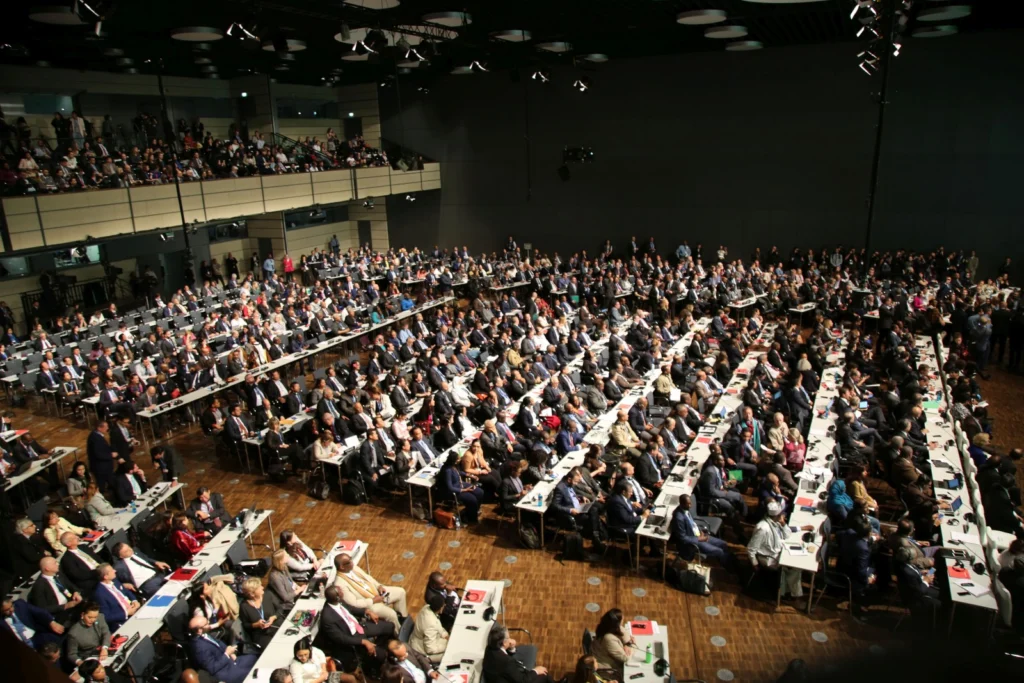
What is COP23? Anthropogenic climate change is threatening life on this planet as we know it. It’s a global issue… and not one that is easily solved. The Conference of the Parties (COP) provides world leaders, policy workers, scientists and industry leaders with the space to share ideas and decide on how to tackle climate change and generate global transformative change. COP23 will predominantly f ...[Read More]
Five top tips to apply for small grants
Stephanie Zihms, the ECS Representative for the EMRP Division (and incoming Union Level Representative) has applied for a range of small scale grants (<£15,000, ca. 16,965€). At this year’s General Assembly, she was one of two speakers at the ‘How to write a research grant’ short course, where she shared insights from her successes and failures. In today’s post she tells us about the top five ...[Read More]
GeoPolicy: The importance of scientific foresight
Many of the issues that society currently faces are complex and research on just one angle or area does not provide sufficient information to address the problem. These challenges are compounded when more than one region (or even the entire planet) is impacted. Many of the decisions and legislations passed by governments today will go on to impact how these issues either develop or are resolved ye ...[Read More]
GeoPolicy: IPCC decides on fresh approach for next major report
This month’s GeoPolicy post is a guest post from Sarah Connors, a Science Officer in the Intergovernmental Panel on Climate Change (IPCC) Working Group 1 Technical Support Unit (and former EGU Science Policy Officer). The IPCC is starting its sixth cycle, in which hundreds of scientists take stock of the world’s climate change knowledge by assessing the current scientific literature and then summa ...[Read More]
New Dimensions for Natural Hazards in Asia: the first AOGS–EGU Joint Conference
Asia is one of the most natural disaster-prone regions on the globe. Overpopulation and limited resources mean that natural hazards hit local populations particularly hard. “It doesn’t matter which index or evaluation method you use, Asia will always unfortunately come out on top when it comes to fatalities and damage from natural hazard events,” explains Dr. Adam Switzer, a member of the conferen ...[Read More]
Shape the EGU 2018 scientific programme: Call-for-sessions is open!
Do you enjoy the EGU’s annual General Assembly but wish you could play a more active role in shaping the scientific programme? Now is your chance! From today, until 8 Sep 2017, you can suggest: Sessions (with conveners and description), or; Modifications to the existing skeleton programme sessions NEW! Suggestions for Short courses (SC) will also take place during this period From now until 18 Jan ...[Read More]