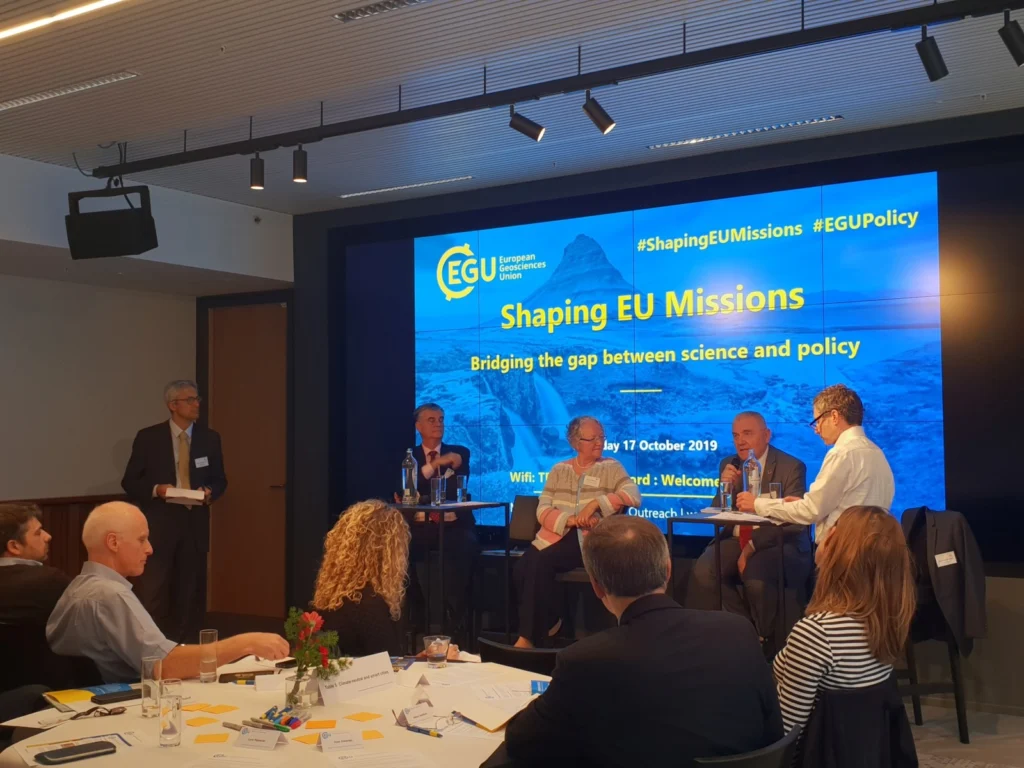
This year, EGU’s science-policy related sessions will be run a little bit differently! In case you haven’t already heard, EGU will be hosting EGU2020: Sharing Geoscience Online (#shareEGU20) from 4-8 May 2020 in place of the physical General Assembly. While this fully online event is in response to the COVID-19 crisis, it is also an …[Read More]
Uncategorized
EGU’s 2020 Photo Competition finalists – who will you vote for?
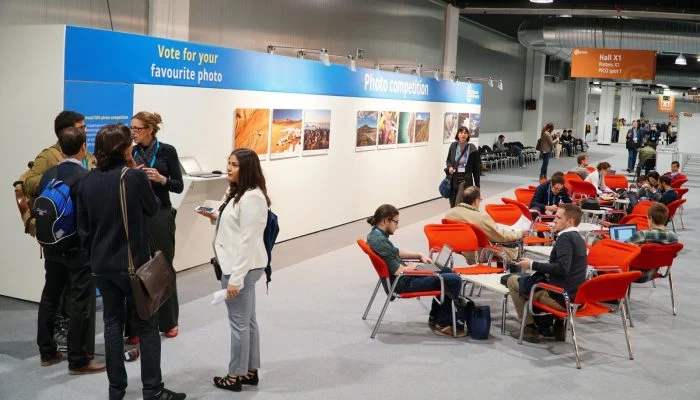
This year’s Photo Competition judging panel did a fantastic job of narrowing down the outstanding photo submissions to the EGU’s Photo Competition to just 10 finalists! The finalist photos are listed below and on the Imaggeos website where you can vote for them from today (27 April) until 7 May 2020. Then three photos with …[Read More]
A message from EGU President Alberto Montanari on what geoscientists can do to help mitigate the impact of COVID-19
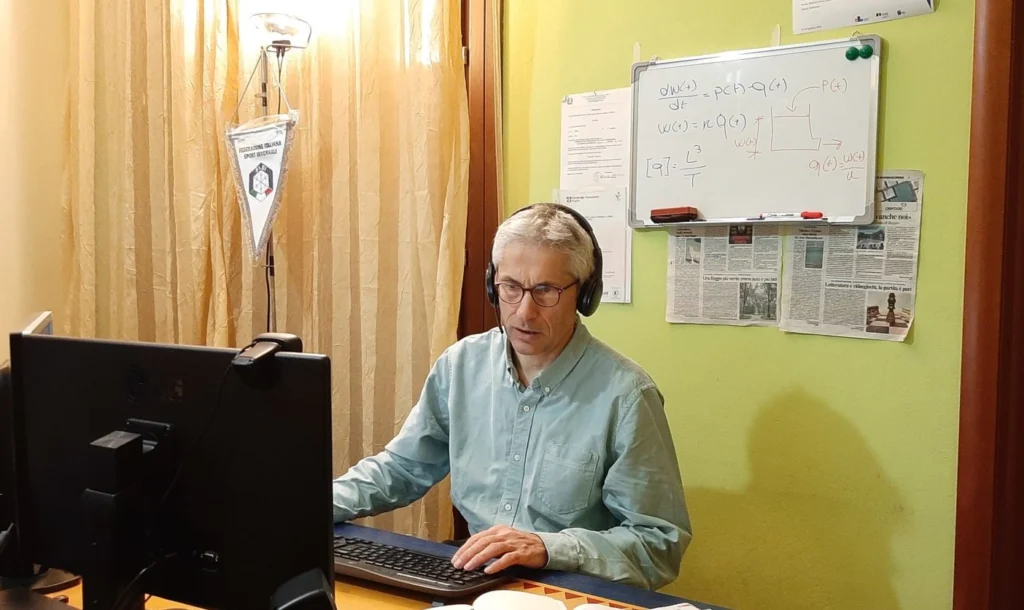
What can the Earth, planetary and space sciences do to help mitigate the impact of COVID-19? While I am considering this challenging question, I am looking out of the window of my home in Italy, in Reggio Emilia. I am close to the epidemic center of the Italian outbreak of COVID-19. I have been at …[Read More]
EGU General Assembly 2020 cancellation: Alberto Montanari and Susanne Buiter talk about the decision – and what comes next
On 19 March EGU announced that it has cancelled the physical EGU General Assembly 2020 in Vienna, Austria. We spoke to the Union President Alberto Montanari and Programme Committee Chair Susanne Buiter to get some more information about what this means, how this decision was made and what comes next. Hello Alberto and Susanne, …[Read More]
GeoPolicy: Interview with the former President of the European Research Council – Jean-Pierre Bourguignon
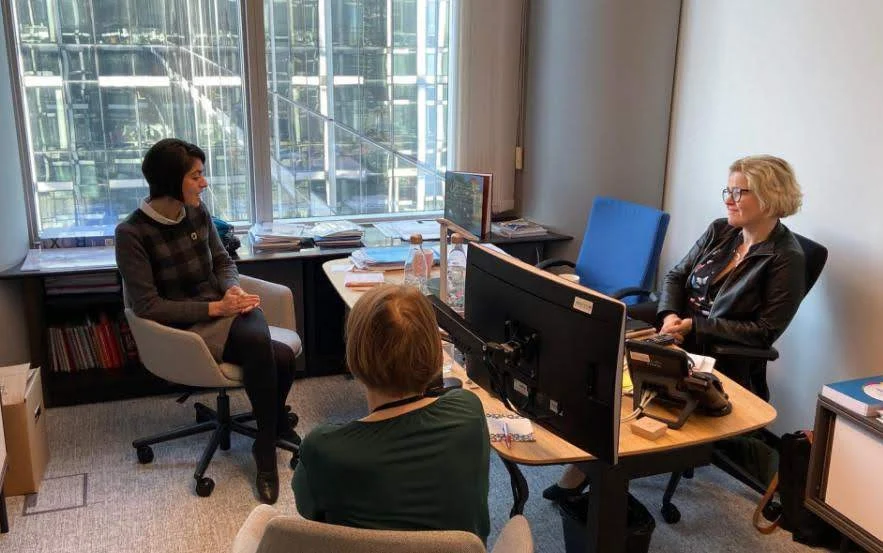
I recently had the honour of interviewing Professor Jean-Pierre Bourguignon, who completed his six-year term as the President of the European Research Council (ERC) at the end of 2019. As an award-winning mathematician, he has been a fellow of the Centre National de la Recherche Scientifique for most of his career. Bourguignon held a Professor …[Read More]
Imaggeo on Mondays: Cooking crystals in the Earth cauldron
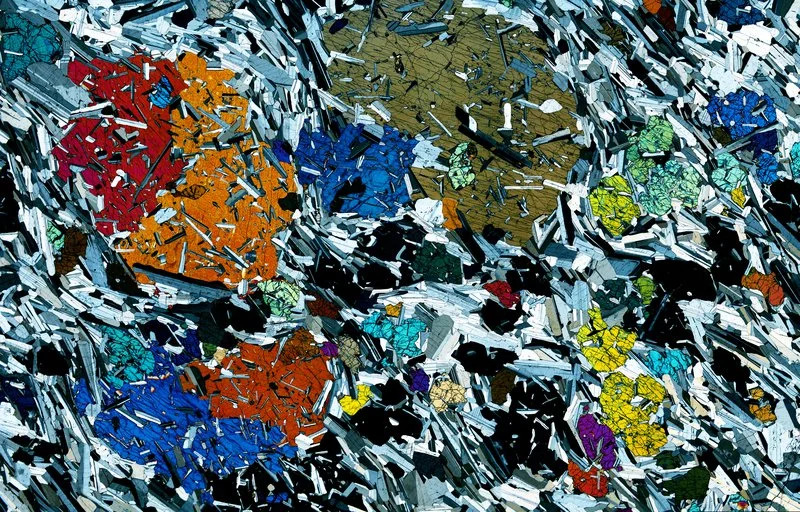
This picture shows a 30 micrometer thick rock section of a gabbro from the Rum Layered Intrusion (Scotland). Large clinopyroxene crystals are enclosed in a foliated fine grained groundmass of plagioclase and olivine. The clinopyroxene core crystallized at an early stage, at 1160°C. They were partly molten at 1200°C during successive hot magma injections and …[Read More]
GeoPolicy: My experience with the EGU’s science-policy pairing scheme
“Thanks for coming, but no time for celebratory drinks,” I told my colleagues. I arrived in Brussels right after defending my doctoral thesis to brief the Finnish Member of the European Parliament (MEP) Miapetra Kumpula-Natri and her team about the impact of sea-level rise and climate change on the coastal communities of the Baltic Sea. …[Read More]
GeoPolicy: One American’s way into the European Commission
An unsolicited email to a LinkedIn connection holding the title “science communicator” led me to the European Commission. My journalism master’s thesis was now complete, and I was in hasty pursuit of a career in citizen engagement of science. The EGU’s Policy Officer Chloe Hill responded to my spontaneous request for career direction and forwarded …[Read More]
GeoPolicy: What really drives political decision-making?
On July 17 2019, the EU Commission’s Joint Research Centre (JRC) published a report highlighting how thinking is challenged by today’s information environment and the role of evidence-informed policymaking in a well-functioning democracy. Titled Understanding our political nature, the report was produced with the assistance of 60 international experts in the humanities, behavioural and social …[Read More]
GeoPolicy: Preventing mercury leakage from a WWII submarine
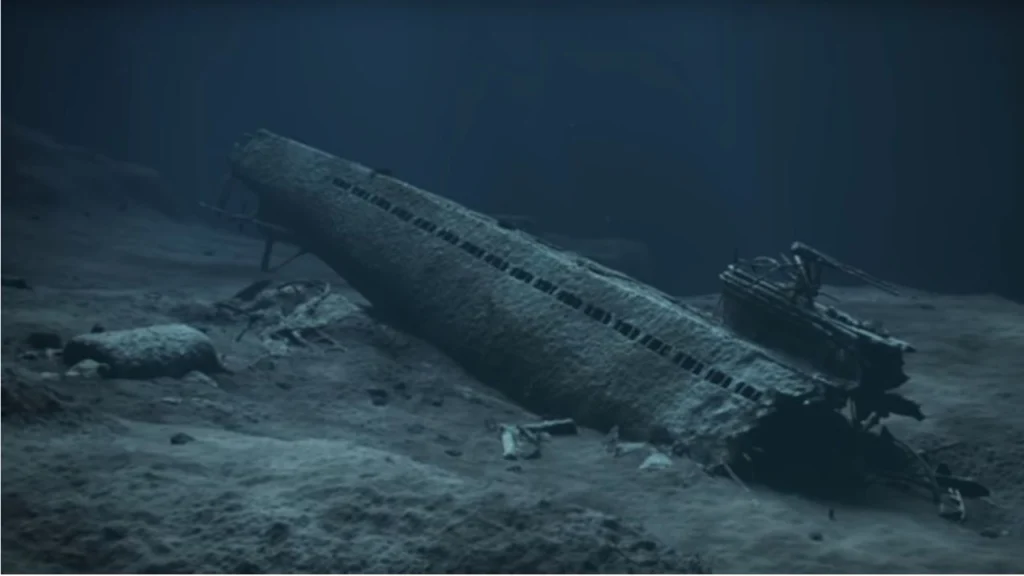
I recently had the opportunity to interview Matthias Kaiser, a professor at Bergen University and, at the time of the interview, Director of the Centre for the Study of the Sciences and the Humanities. He is part of an expert team that has given scientific advice to Norwegian policymakers, highlighting the issues that should be …[Read More]