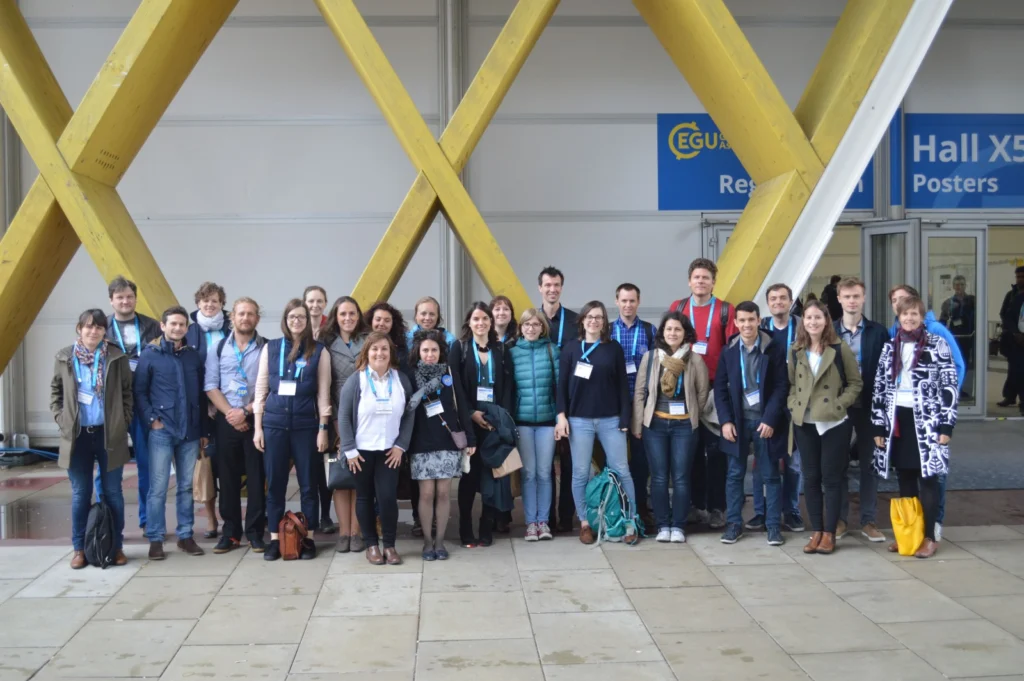
What inspires you to be a scientist? For me, the motivation comes from a strong desire to make the world a better place, to use our skills and knowledge as scientists to help society and shape the future. Increasing our collaboration and involvement is an excellent way to expand our influence, but for early career scientists (ECS) like me, it can be a challenging task. EGU has an incredible opport ...[Read More]
GeoPolicy: Science for Policy at the 2019 General Assembly!
The EGU General Assembly is the largest geoscience meeting in Europe. Not only does it have a diverse array of sessions that you can attend within your own area of expertise but there are also thousands of sessions that will be outside of your research field, as well as sessions on topics that can be applied to a wide range of scientific divisions, jobs and industries – such as science for p ...[Read More]
Can the EU become carbon neutral by 2050? A new strategy from the EU!
On Wednesday 28 November 2018, the European Commission adopted a strategic long-term vision for a climate neutral economy (net-zero emissions) by 2050! A Clean Planet for All, tactically released ahead of the 24th Conference of the Parties (COP 24), which will be hosted in Katowice, Poland from 2-14 December, describes seven overarching areas that require action and eight different scenarios that ...[Read More]
GeoPolicy: Horizon Geoscience!
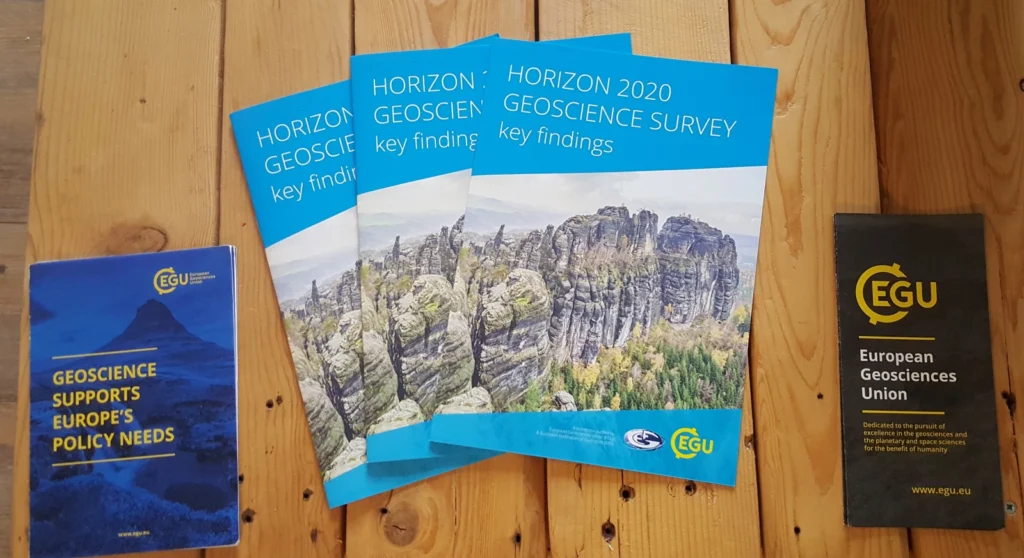
For the last few months the EGU has been working towards both hosting a dinner debate in Brussels, Belgium, and publishing the Horizon 2020 Geoscience Survey Report which was based on a survey conducted within the geoscience community earlier this year. Both of these endeavours were undertaken together with the European Federation of Geologists (EFG) and had similar aims: to enhance collaboration ...[Read More]
GeoPolicy: What does working at the European Environment Agency look like? An interview with Petra Fagerholm
This blog post features an interview with Petra Fagerholm who is currently leading the team on public relations and outreach in the communications department of the European Environment Agency (EEA). Petra gave a presentation about the EEA during the Science for Policy short course at the 2018 EGU General Assembly. In this interview, Petra describes her career path, what it is like to work at the ...[Read More]
GeoPolicy: Scientific research in a changing European Union
Scientific research in a changing European Union The 2018 EGU General Assembly was a huge success. Not only was it the biggest yet (with over 15,000 participants) but it also held a large variety of Short Courses, Townhalls and Union Symposia that gave the scientists attending a chance to step out of their comfort zone and learn about something other than their area of expertise. One example of su ...[Read More]
Geopolicy: Combating plastic pollution – research, engagement and the EU Plastic Strategy
Awareness around the prevalence of plastic pollution, particularly in our oceans, has been growing over the last few years. This is not surprising considering that plastic production has surged from 15 million tonnes in 1964 to 311 million tonnes in 2014 and models have shown that this number will double again within the next 20 years in a business as usual scenario. Furthermore, research conducte ...[Read More]
January GeoRoundup: the best of the Earth sciences from across the web
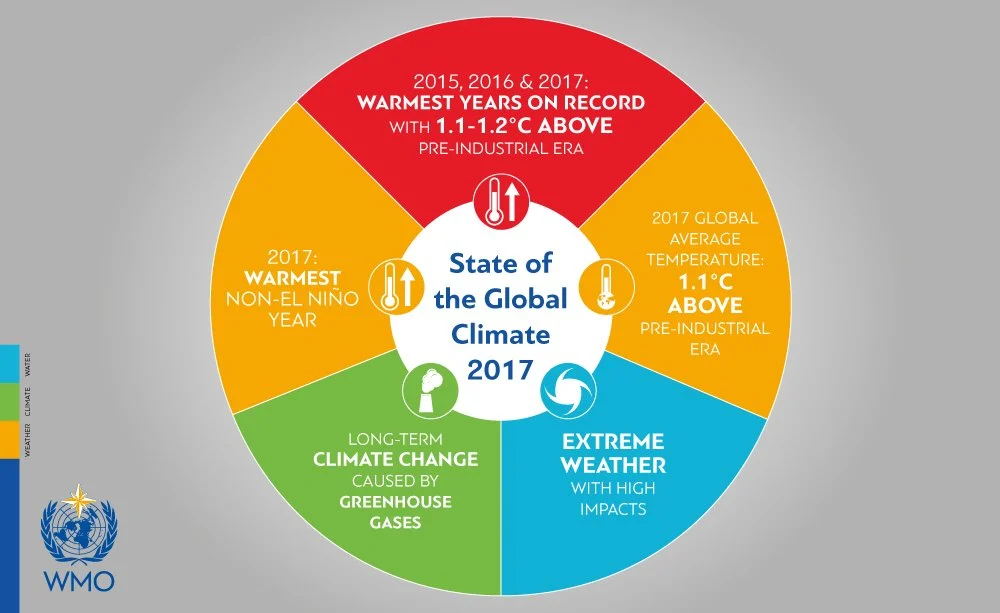
Drawing inspiration from popular stories on our social media channels, as well as unique and quirky research news, this monthly column aims to bring you the best of the Earth and planetary sciences from around the web. Major stories The World Meteorological Organization (WMO) has confirmed that 2017 is among the three warmest years on record. The three years with the highest temperature on record ...[Read More]
Geopolicy: How does scientific uncertainty translate into policy?
Scientific uncertainty is one of the only things in science that is certain. It’s found in complex modelling systems, in the unpredictability of natural processes and even when there seems to be scientific consensus, a new scientific discovery can recreate ambiguity. But how do policymakers deal with scientific uncertainty when they are making decisions? Policymakers deal with and use scientific u ...[Read More]
Get involved: become an early career scientist representative
Early career scientists (ECS) make up a significant proportion of the EGU membership and it’s important to us that your voices get heard. To make sure that happens, each division appoints an early career scientists representative: the vital link between the Union and the ECS membership. After tenure of two or four years, a few of the current ECS Representatives are stepping down from their post at ...[Read More]