GeoLog

Regular Features

GeoEd: Education vs. Communication
GeoEd: Education vs. Communication
In this guest blog post, Sam Illingworth, discusses the perceived differences between science education and science communication in light of a recent publication on this very subject. If you are involved in either of these, we’d love to hear your opinions on how you think they differ (if at all) and how the approach to …[Read More]

Imaggeo on Mondays: An explosive cloud

Imaggeo on Mondays: An explosive cloud

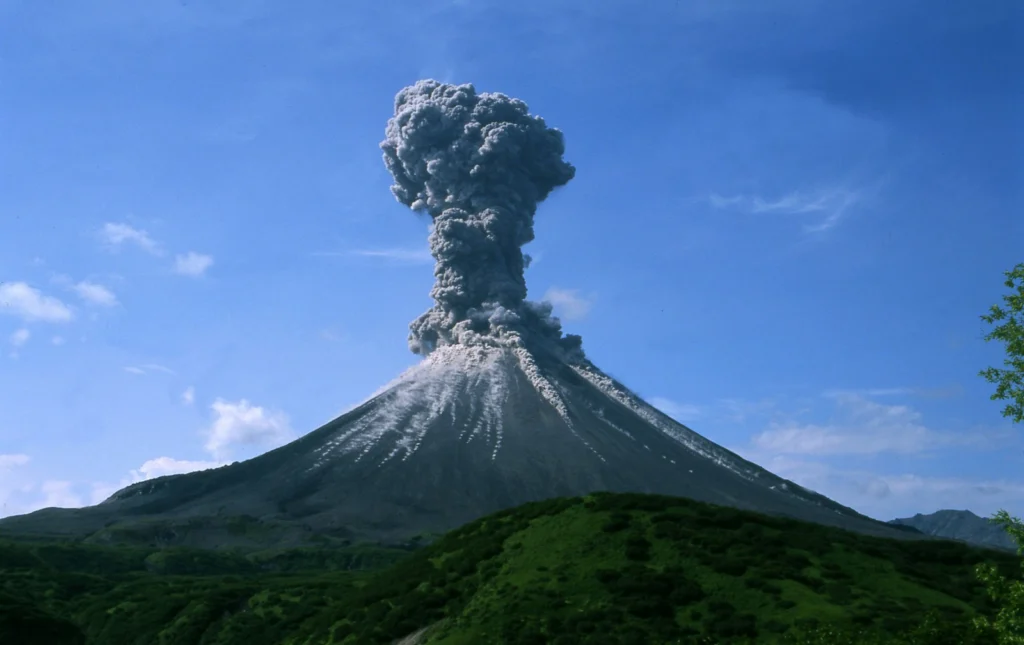
One of the world’s most volcanically active regions is the Kamchatka Peninsula in eastern Russia. It is the subduction of the Pacific Plate under the Okhotsk microplate (belonging to the large North America Plate) which drives the volcanic and seismic hazard in this remote area. The surface expression of the subduction zone is the 2100 …[Read More]

Geosciences Column: The quest for life on Mars

Geosciences Column: The quest for life on Mars

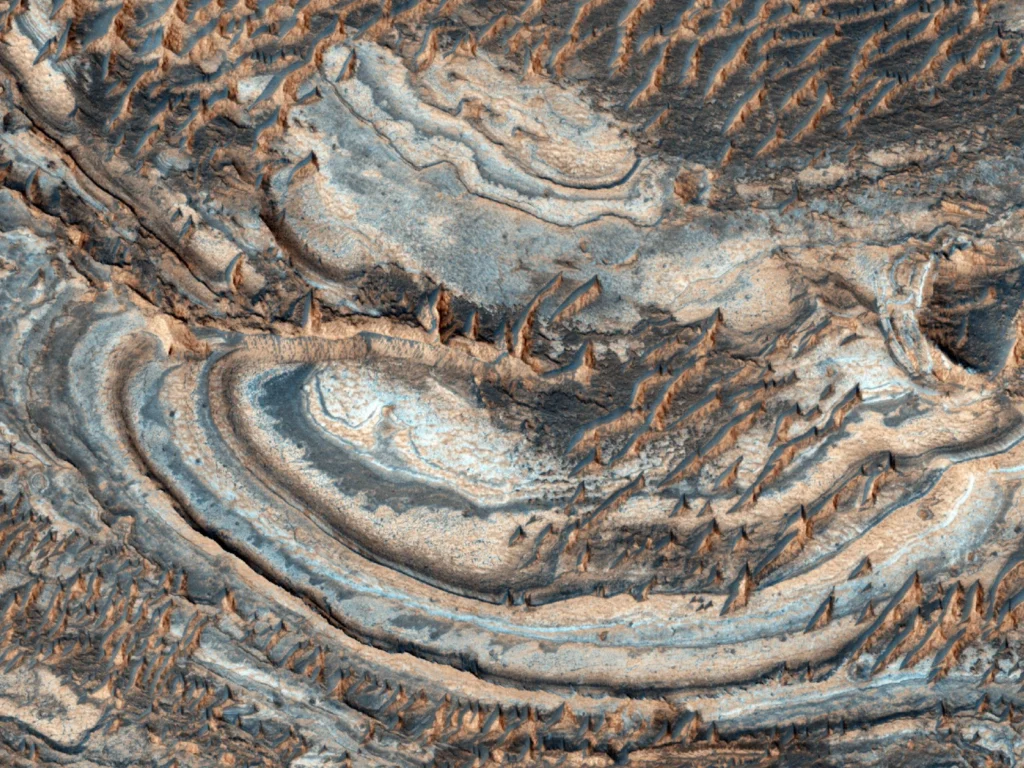
Understanding where we come from and whether Earth is the only habitable planet in the Solar System has been a long standing conundrum in science. Partly because it is our nearest neighbour, partly because of its past and current similarities with our own home, Mars, the red planet, is a likely contender in the quest …[Read More]

Geosciences Column: Fire in ice – the history of boreal forest fires told by Greenland ice cores.

Geosciences Column: Fire in ice – the history of boreal forest fires told by Greenland ice cores.

Burning of biomass contributes a significant amount of greenhouses gases to the atmosphere, which in turn influences regional air quality and global climate. Since the advent of humans, there has been a significant increase in the amount of biomass burning, particularly after the industrial revolution. What might not be immediately obvious is that, (naturally occurring) …[Read More]

Imaggeo on Mondays: Fly away, weather balloon

Imaggeo on Mondays: Fly away, weather balloon

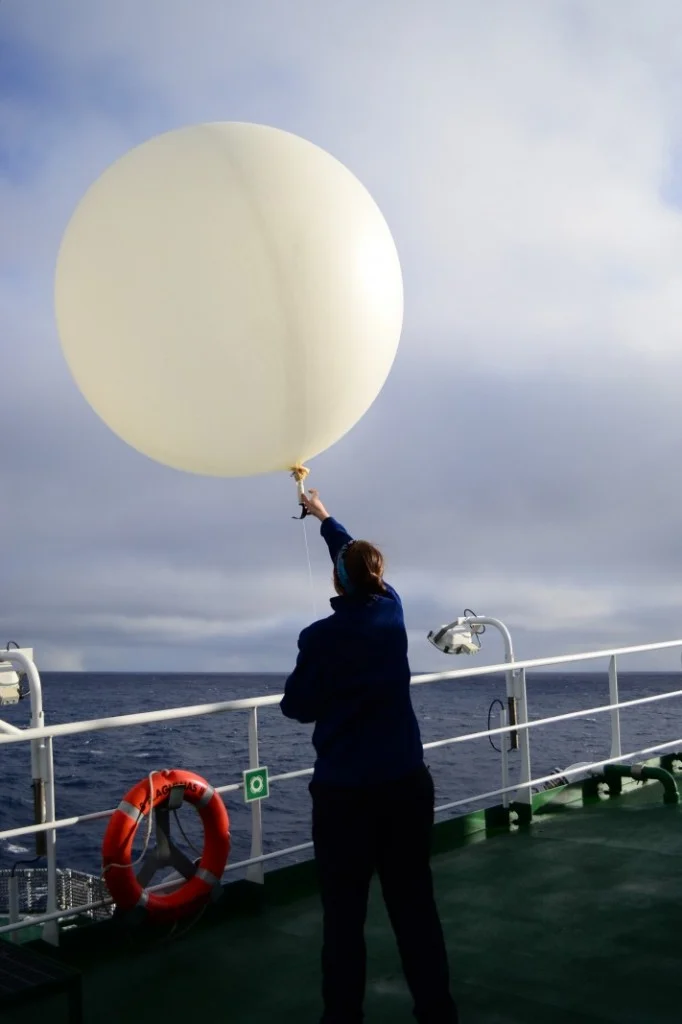
Some aspects of Earth Science are truly interdisciplinary and this week’s Imaggeo on Mondays photograph is testament to that. The maiden voyage of the research cruise SA Agulhas II offered the perfect opportunity to combine oceanographic research, as well as climate science studies. Raissa Philibert, a biogeochemistry PhD student, took this picture of the daily …[Read More]

Imaggeo on Mondays: Landslide on the Cantabrian coastline

Imaggeo on Mondays: Landslide on the Cantabrian coastline

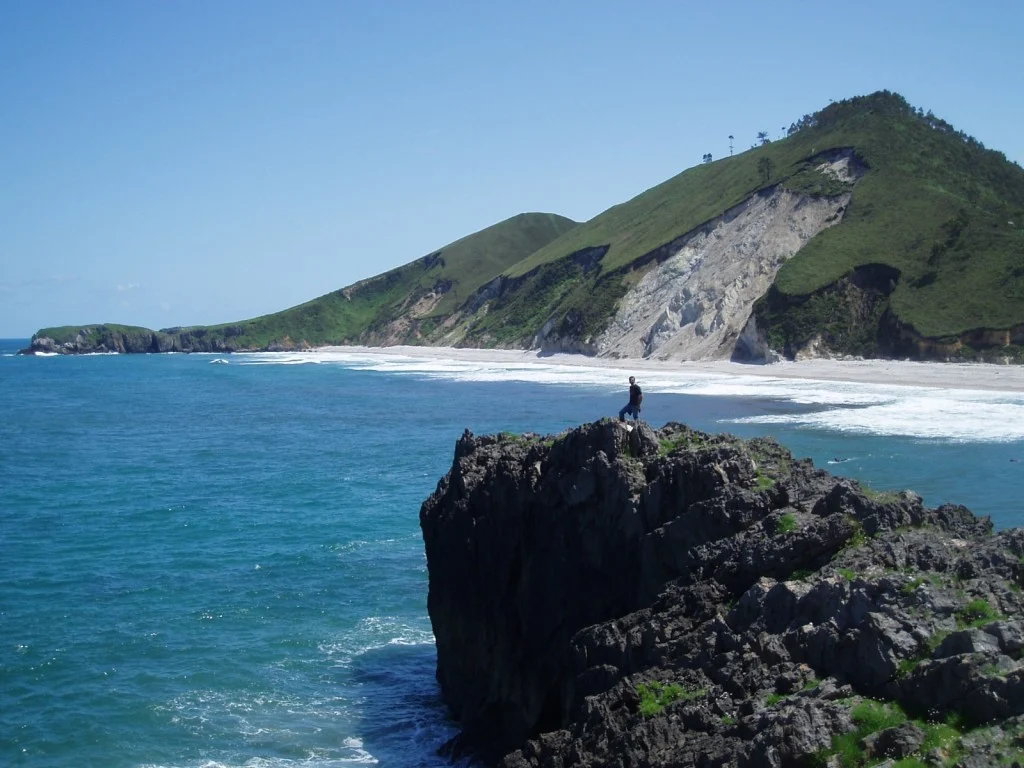
Shimmering blue seas, rocky outcrops and lush green hills sides; this idyllic landscape is punctuated by a stark reminder that geohazards are all around us. Irene Pérez Cáceres, a PhD student at the University of Granada (Spain) explains the geomorphology behind this small scale landslide on the Asturian coastline. This picture was taken in May …[Read More]

Imaggeo on Mondays: A solitary floating island

Imaggeo on Mondays: A solitary floating island

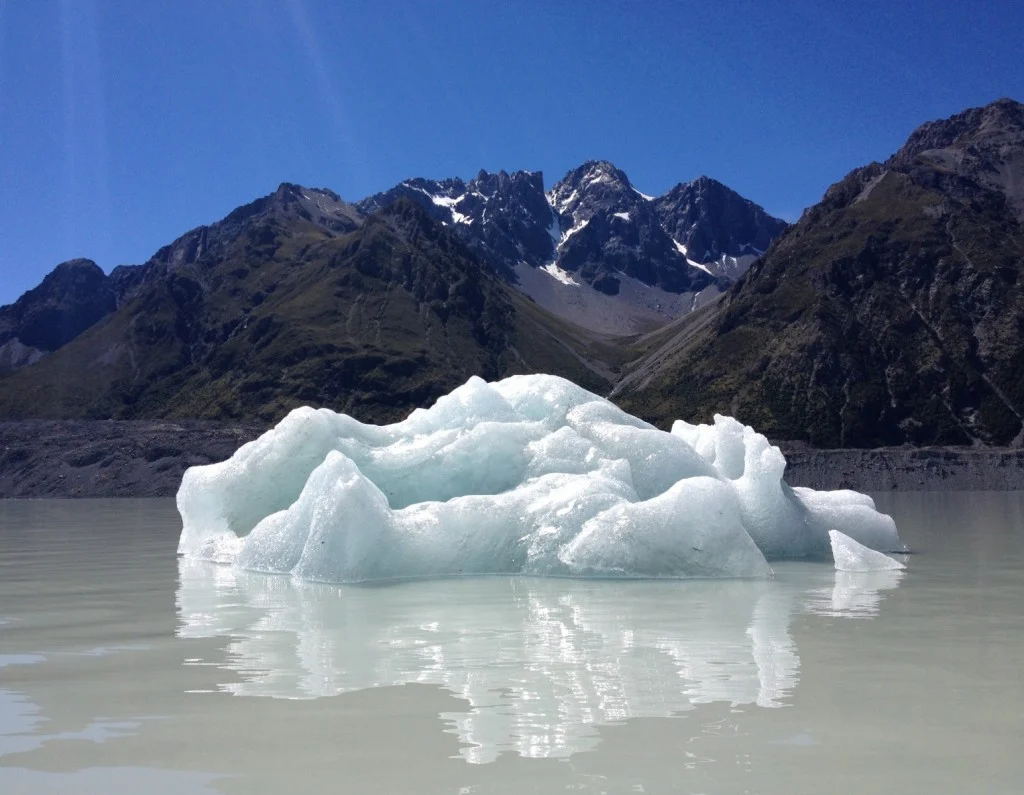
With 2014 officially named the hottest year on record, there is evidence of the effects of rising global temperatures across the globe. The solitary, shimmering iceberg in today’s Imaggeo on Mondays photograph is a reminder that one of the best places to look for evidence of change is in glaciers. Daniela Domeisen tells the story …[Read More]