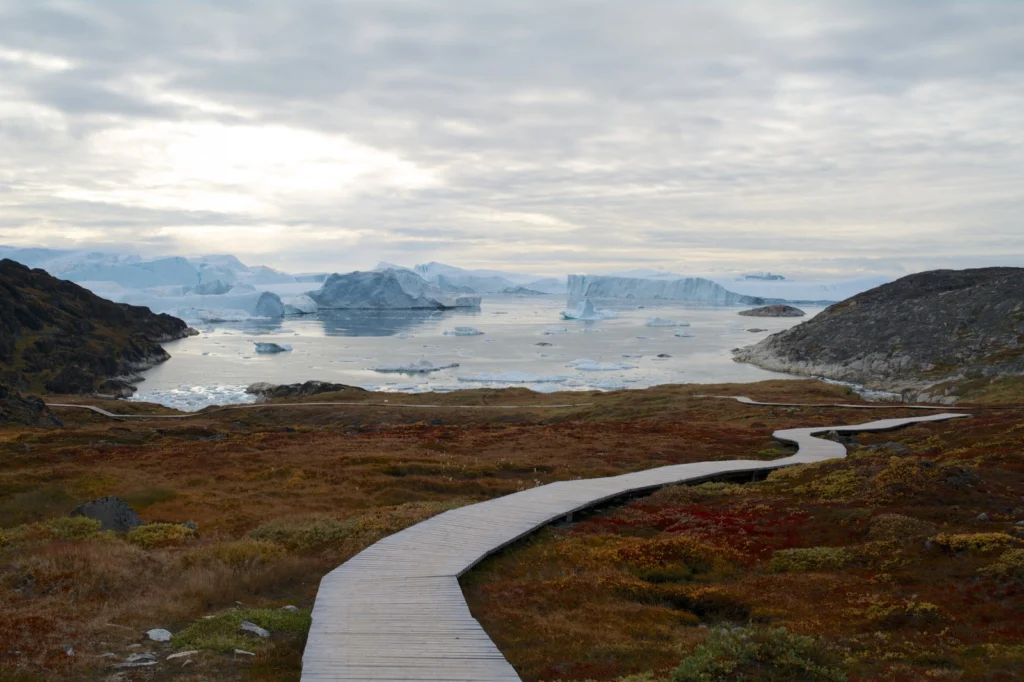
If lucky enough to visit Ilulissat Icefjord, you’d find yourself in a truly ancient landscape. From the up to 3.9 billion year old Precambrian rocks, to ice dating back to the Quaternary Ice Age (2.6 thousand years old) and archaeological remains which evidence the past settlement of this remote Greenlandic outpost, it’s no surprise this stunning location has been declared a UNESCO world heritage ...[Read More]
Regular Features
Imaggeo on Mondays: Seeing the world through a pothole
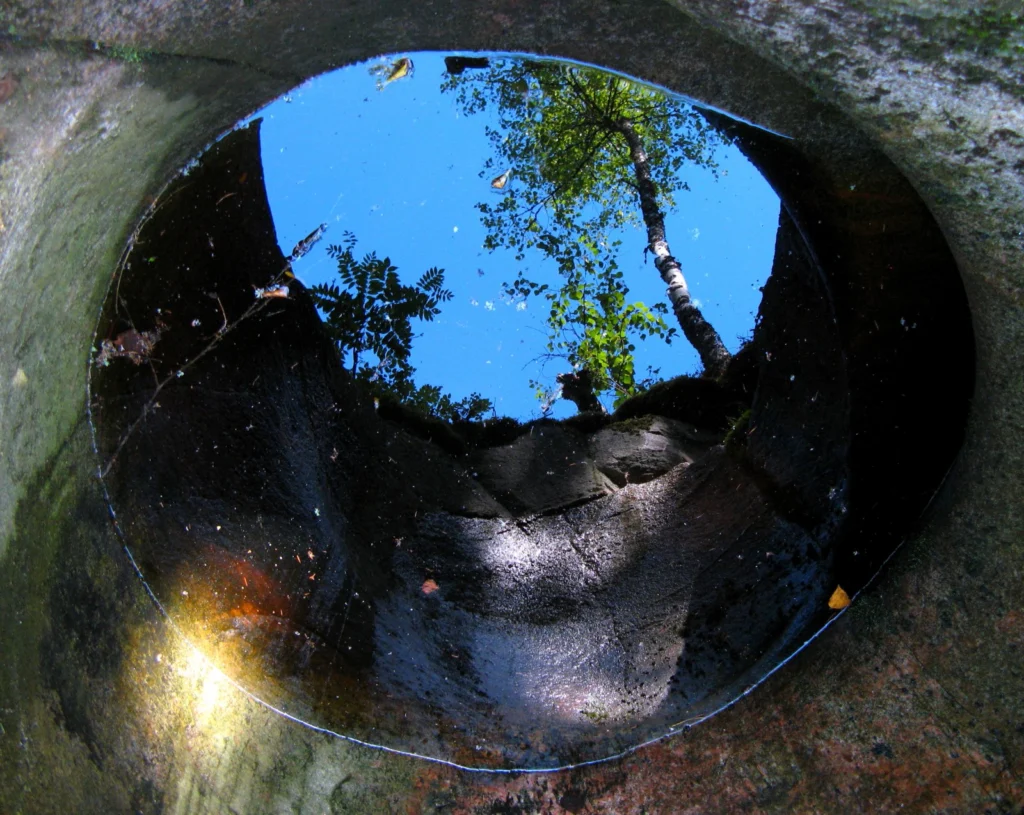
A beautiful image of a forest reflected in a pool of water within a pothole in southern Finland is this Monday’s Imaggeo image and it brought to you by Mira Tammelin, a Finish researcher. The photo illustrates a pothole in the Askola pothole area in southern Finland. The pothole area is situated on the steep slopes next to river Porvoonjoki, approximately 70 kilometers to the northeast from ...[Read More]
Geosciences Column: Recent and future changes in the Greenland Ice Sheet
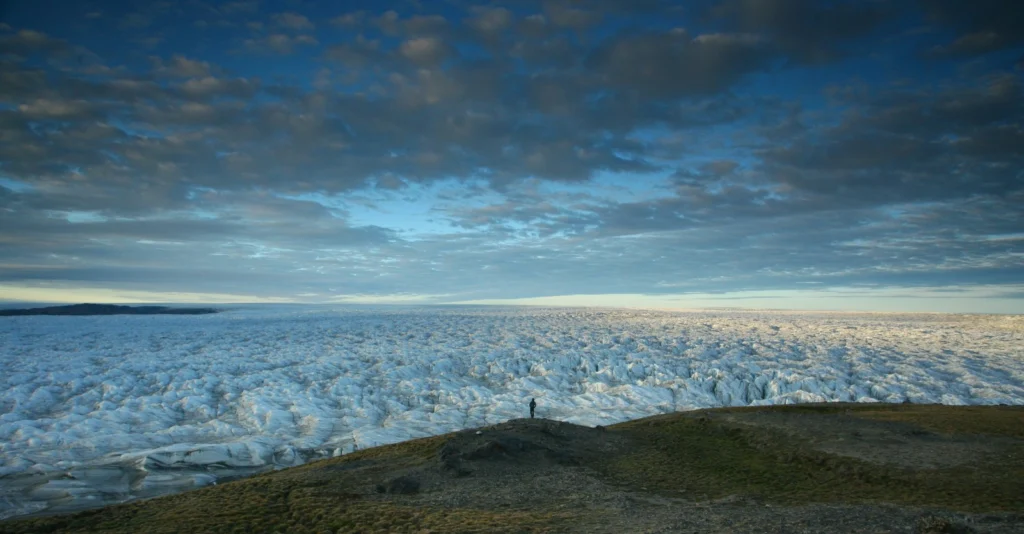
Over the past few decades, the Arctic region has warmed more than any other on Earth. The Greenland Ice Sheet is losing mass faster than ever before, and is expected to keep melting with consequences for global sea-level rise and ocean circulation. At a media briefing, during the EGU’s General Assembly in April (stream it here), researchers presented new results on the factors that influence the G ...[Read More]
Imaggeo on Mondays: Scales of fluvial dissection
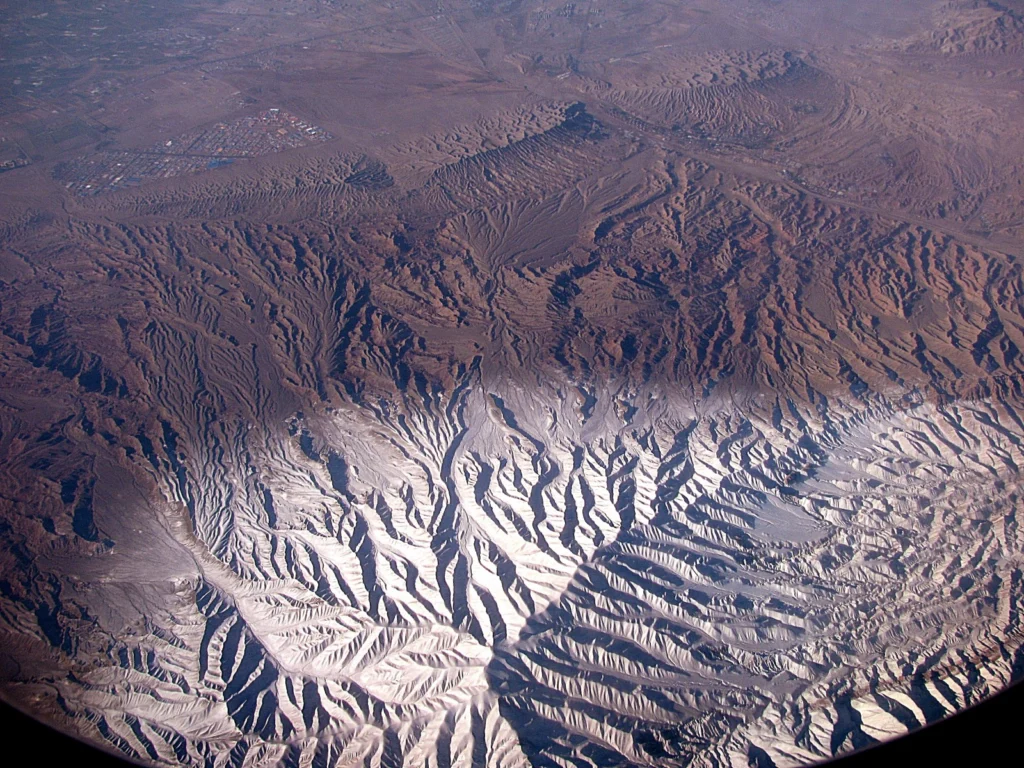
High peaks, winding river channels and a barren landscape all feature in today’s Imaggeo on Mondays image, brought to you by Katja Laute, a geomorphologist from Norway. This photo was taken from an airplane flying over the Zagros Mountains in Iran. The Zagros Mountain range stretches south and west from the borders of Turkey and Russia to the Persian Gulf, and is Iran’s largest mountain ran ...[Read More]
GeoEd: I’m a Geoscientist 2015
Imagine a talent show where contestants get voted off depending on their skills in their area of choice. Then imagine that this talent show is populated by geoscientists with school students voting them off based on the scientist’s ability to communicate their research well. This is the basis of an educational initiative called I’m a Geoscientist, a spinoff of UK’s I’m a Scientist. I’m a Geoscient ...[Read More]
Imaggeo on Mondays: A fold belt within a grain
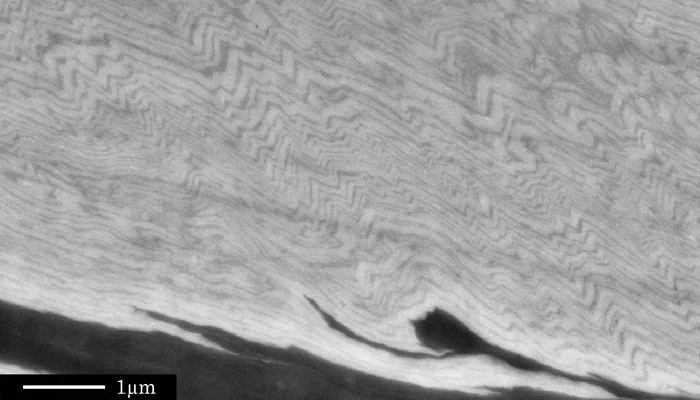
Tiny crinkly folds form the main basis of today’s Imaggeo on Mondays. Folding can occur on a number of scales; studying folds at all scales can reveal critical information about how rocks behave when they are squeeze and pinched, as described by Sina Marti, from the University of Basel. Although many geoscientists have seen such fold structures many times before, if you noticed the scale bar in th ...[Read More]
GeoEd: Why So Serious?
In this edition of GeoEd, Sam Illingworth, a lecturer in science communication at Manchester Metropolitan University, explores the benefits of a more informal teaching style and how the incorporation of play into everyday teaching can help to engage and enthuse students who oterhwise struggle to connect with the sciences. Despite the hard work, there are some real perks to being a scientists: fiel ...[Read More]
Imaggeo on Mondays: A thermal inversion
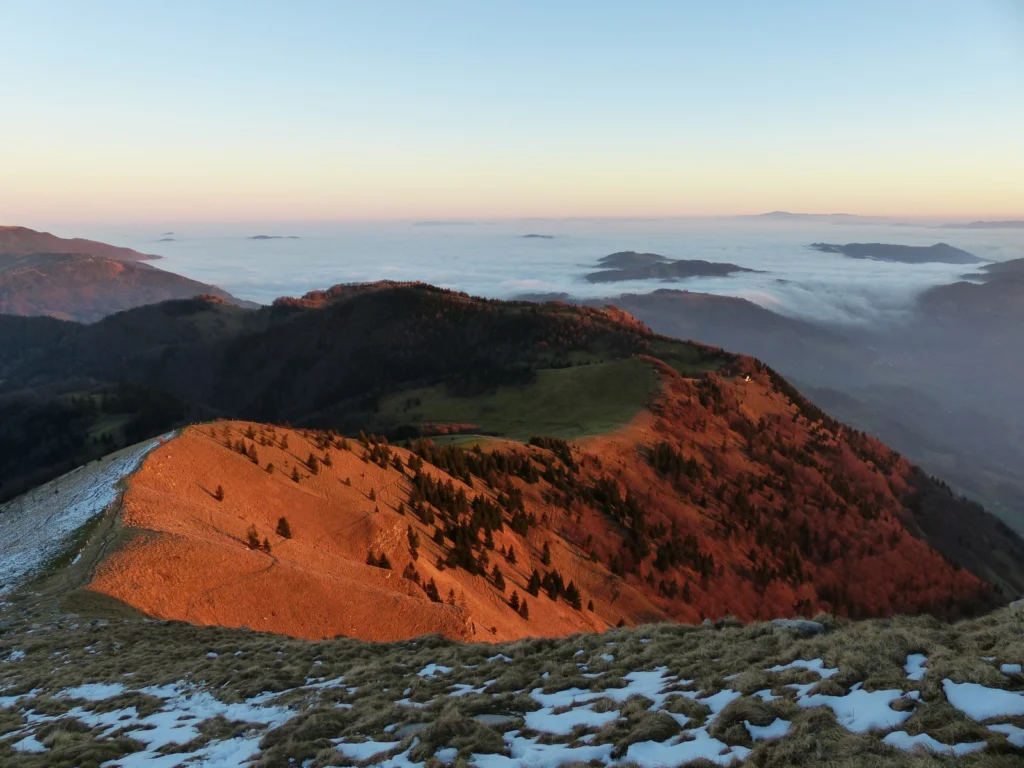
This week’s Imaggeo on Mondays image is brought to you by Cyril Mayaud, from the University of Graz (Austria), who writes about an impressive hike and layers of cold and warm air. Thermal inversion is a meteorological phenomenon which occurs when a layer of cold air is trapped near the Earth’s surface by an overlying layer of warmer air. This can happen frequently at the boundary between mountaino ...[Read More]
GeoTalk: How hydrothermal gases change soil biology
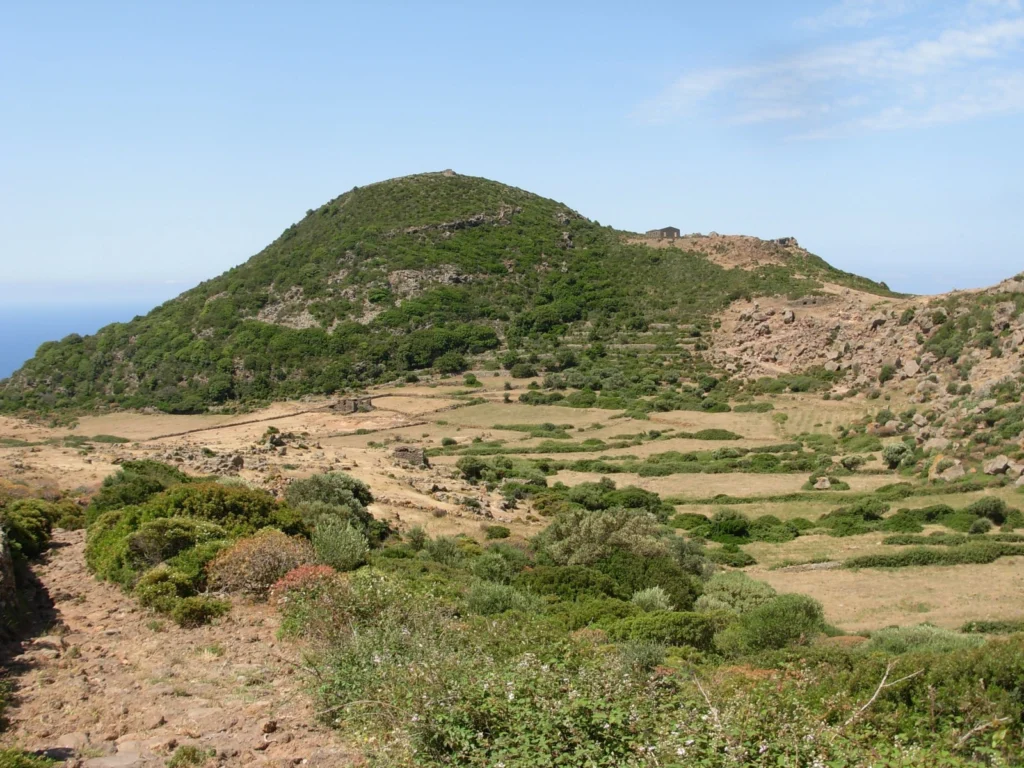
The biosphere is an incredible thing – whether you’re looking at it through the eye of a satellite and admiring the Amazon’s vast green landscape, or looking at Earth’s surface much more closely and watching the life that blossoms on scales the naked eye might never see, you are sure to be inspired. Geochemist, Antonina Lisa Gagliano has been working on the slopes of Pantelleria Island in an effor ...[Read More]
Imaggeo on Mondays: Foehn clouds
This week’s post is brought to you by Stefan Winkler, a Senior Lecturer in Quaternary Geology & Palaeoclimatology, who explains how the mountain tops of the Southern Alps become decorated by beautiful blanket-like cloud formations. The Sothern Alps of New Zealand are a geoscientifically dynamic environment in all aspects. They are arguably one of the youngest high mountain ranges in the ...[Read More]